Japan
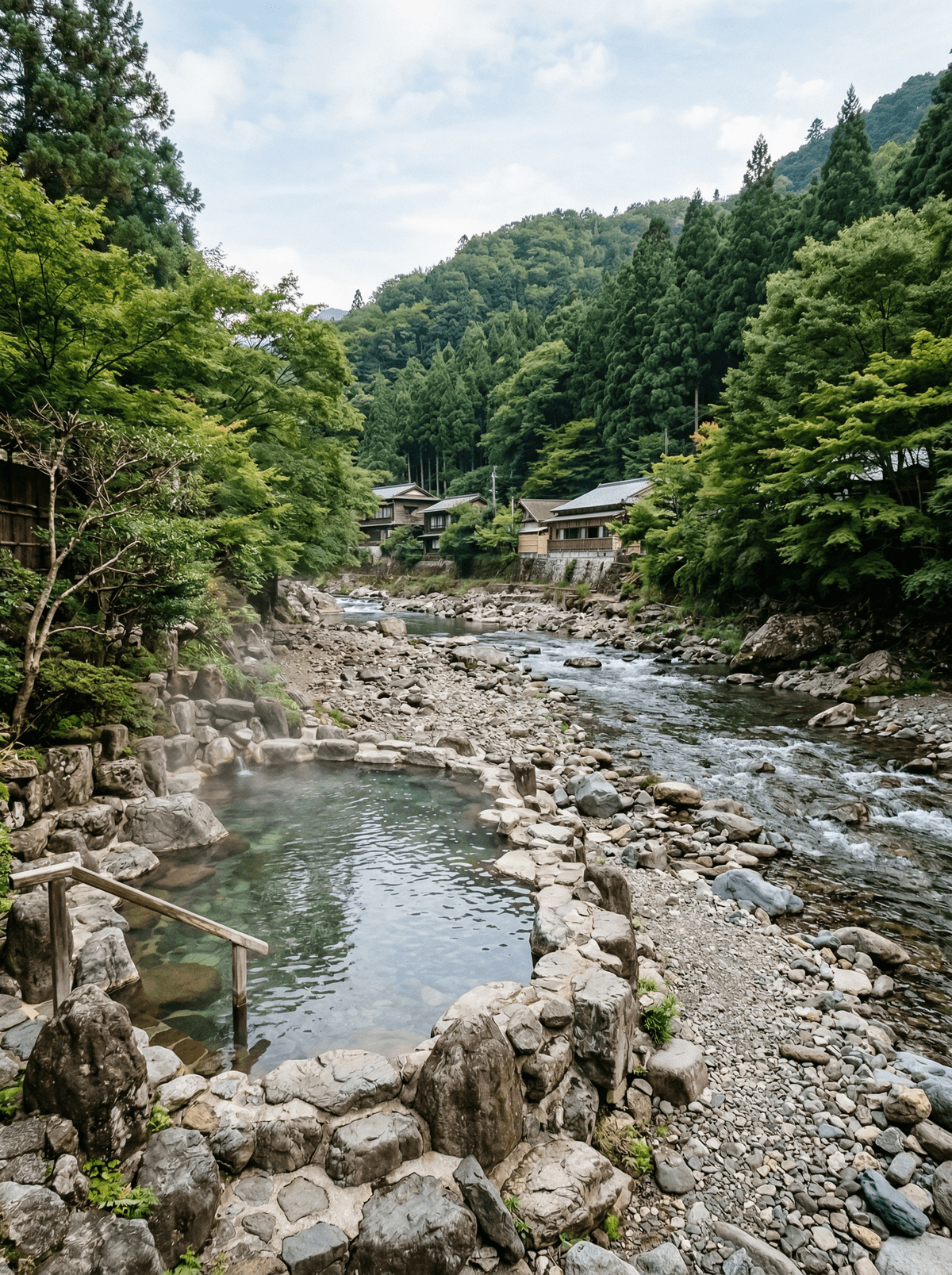
Kawayu Onsen
Dig your own hot spring in the riverbed — hot water seeps up wherever you scrape.
Bring a shovel. At Kawayu Onsen the Ōtō River runs over hot springs so close to the surface that you can dig a hollow in the gravel bank and watch it fill with thermal water. The water comes up hot enough to scald, so you let the river in until the temperature is right, then lie back in your handmade bath while the Kumano forest watches from both banks.
Kawayu sits in the Kumano region of Wakayama Prefecture, a ten-minute bus ride from Kumano Hongū Taisha, the grand shrine that anchors the UNESCO-listed Kumano Kodō pilgrimage routes, and from Ōyunohara, the shrine's original site under the largest torii gate in Japan. The inns rent shovels; if you would rather not dig, pre-dug basins wait along the bank. From December to February the village builds the Sennin-buro — the thousand-person bath — straight into the river, forty metres long, fifteen wide and knee-deep, and anyone can walk in. Pilgrims have soaked here for centuries, and the first ryokan opened on this bank in 1720; the village is still small inns and family guesthouses along the water, not resort hotels.
Family
Families dig a shared pool in the riverbed with an adult testing the water first, because it seeps up scalding before the river cools it; the shorter Kumano Kodō sections nearby suit young walkers.
Friends
Building a riverside onsen as a group, soaking under the stars, and walking the Kumano Kodō by day is the kind of trip friends retell for years.
Couple
A private riverside bath dug by hand, a ryokan dinner, and the spiritual gravity of the Kumano shrines give Kawayu an intimacy no manufactured onsen resort can copy.
- Dig a hollow in the gravel riverbed and hot spring water seeps in — the whole bank is a natural bathtub, and the inns lend shovels.
- Every winter the village builds the Sennin-buro, the 'thousand-person bath', directly in the river — forty metres long and open to all comers.
- Kumano Hongū Taisha and the Kumano Kodō pilgrimage routes are ten minutes away — pilgrims have soaked here for centuries.
- No resort hotels — family-run ryokan and guesthouses along the riverbank, the first of them opened in 1720.
Mehari-zushi — a fist of rice bound in pickled mustard leaf, once so big your eyes widened to bite it — the Kumano pilgrim's lunch.
Wakayama's plump umeboshi pickled plums on the ryokan breakfast tray, from the ume groves that feed the whole region.
Öland
Sweden
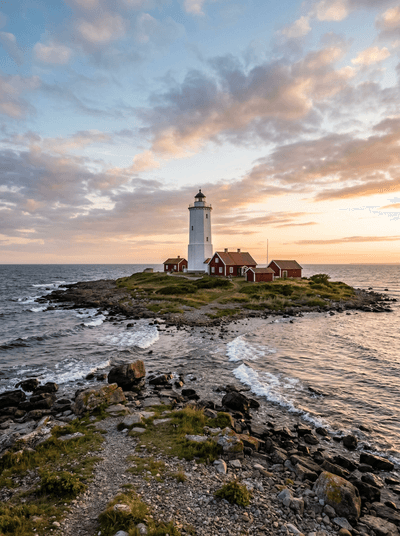
A windmill-studded limestone steppe reached across six unbending kilometres of bridge.
Algonquin Park
Canada
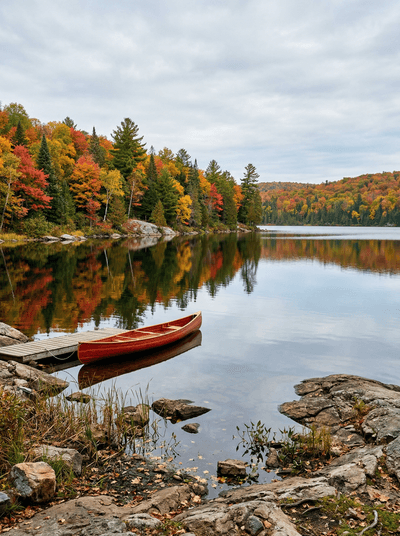
Loon calls cross mirror lakes at dawn in the park that taught Canada to canoe.
Termas Geométricas
Chile
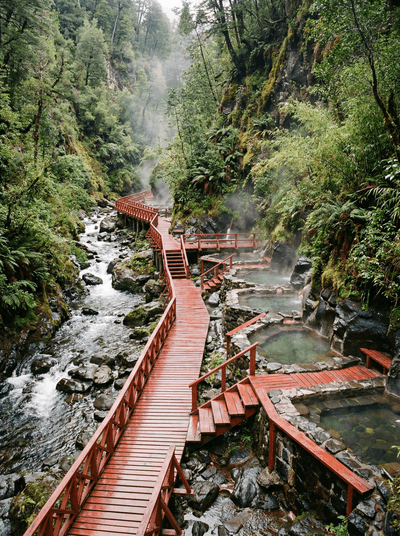
Red walkways vanish through steam between stone pools and giant ferns.
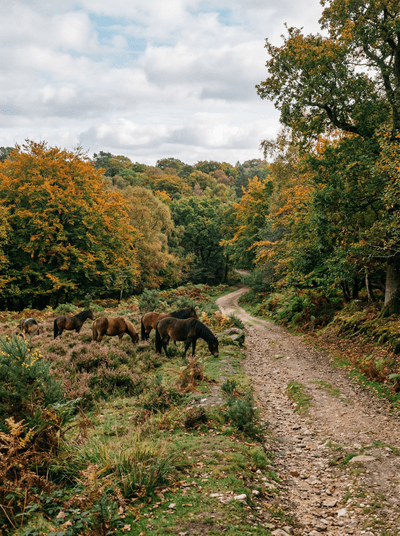
The New Forest
England
Wild ponies drift through ancient woodland where Norman kings once hunted deer.
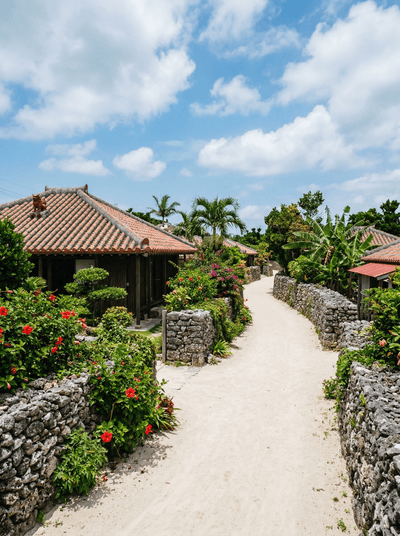
Taketomi Island
Japan
Water buffalo pulling carts through coral-walled lanes on a turquoise coral island.
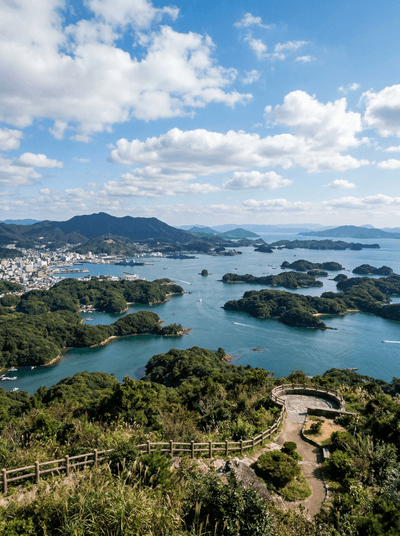
Sasebo and Kujukushima
Japan
Pine-capped islands scattered across a bay like a spilt jar of green marbles.
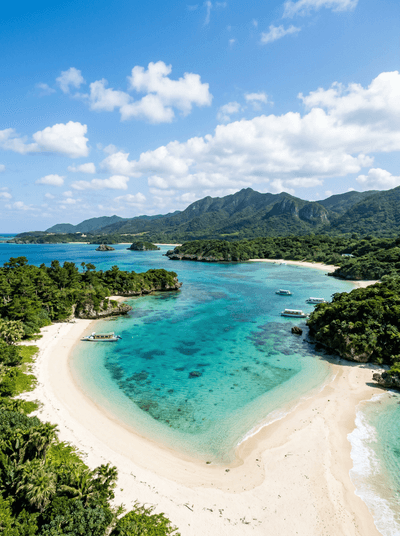
Ishigaki
Japan
Mangrove kayaks at dawn, manta cleaning stations by noon, Yaeyama soba by sunset.
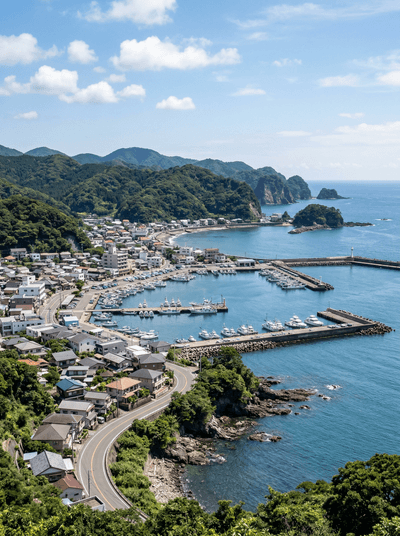
Shimoda
Japan
Perry's black ships forced Japan open here; now it is white sand, sleepy surf and snapper.