England
The New Forest
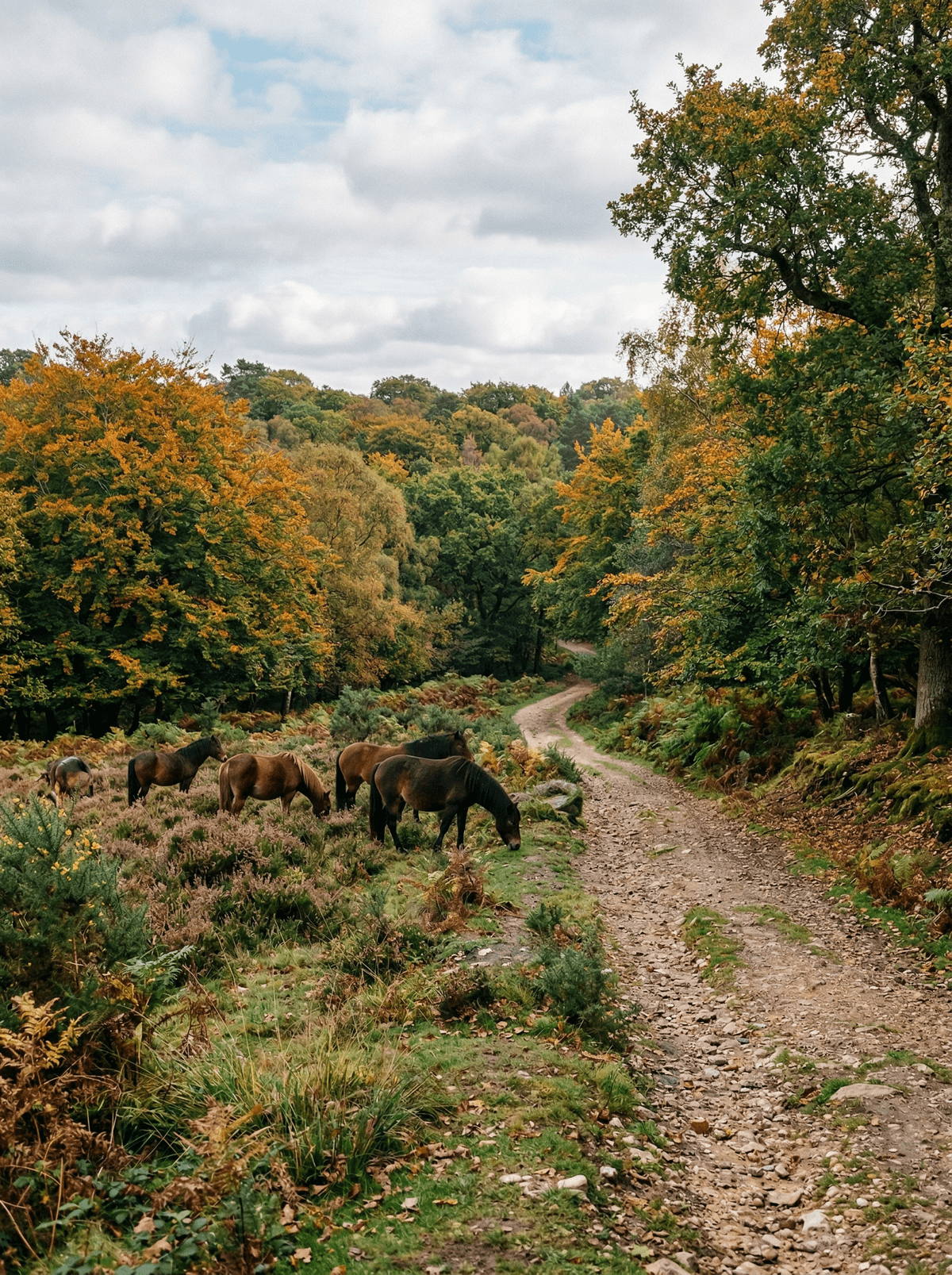
Wild ponies drift through ancient woodland where Norman kings once hunted deer.
Wild ponies drift between oak and beech on open heathland where Norman hunting laws still technically apply and the forest floor has never met a plough. The New Forest is one of the largest tracts of unenclosed pasture left in lowland Britain — ancient, grazed, and quietly governed by customs older than Parliament.
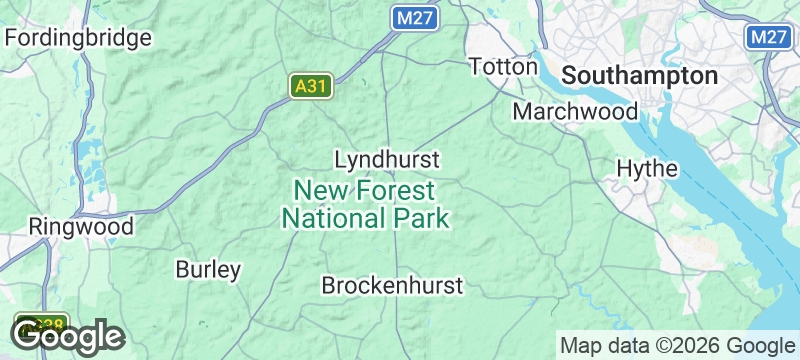
William the Conqueror declared this royal hunting ground in 1079, and commoners' rights — to graze ponies, cattle and pigs, to gather wood, to cut turf — have been exercised ever since, still administered by the Verderers' Court, among the oldest courts in England. The National Park's 571 square kilometres run from ancient woodland and open heath to river valleys and a Solent shoreline, with thousands of New Forest ponies roaming free alongside cattle, donkeys and — in autumn pannage season — pigs loosed to hoover the acorns. The ancient and ornamental woods hold trees over four centuries old, grazed all the while, and cycling tracks cross bog, heath and grove without meeting a major road. Lyndhurst, Brockenhurst and Burley make the bases; the animals always have right of way, and the forest's code asks you to keep your distance from creatures that feel tame and aren't.
Couple
Cycle between villages, stopping at thatched pubs where ponies graze outside the window — the rhythm is gentle and the pace is yours to set.
Family
Ponies at the car park, deer in the clearings, pigs in the autumn acorns — free-roaming animals in a landscape made for wandering.
Friends
Cycling, kayaking the Beaulieu River and the village pubs make a weekend that feels like escape without the drive — the forest absorbs groups without effort.
Estate venison in a thatched pub with an inglenook fire.
New Forest ice cream while ponies police the car park.
Tambopata
Peru
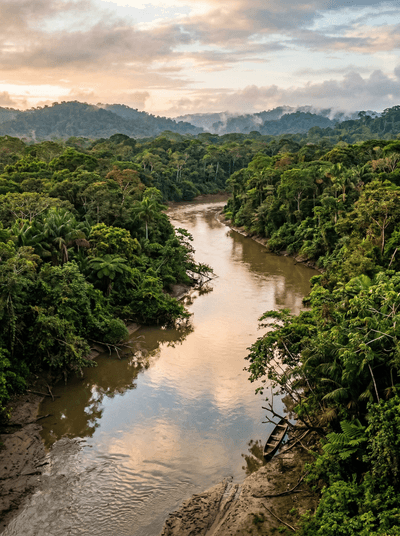
Macaw clay licks where whole flocks descend at dawn to eat the riverbank.
Pilanesberg National Park
South Africa
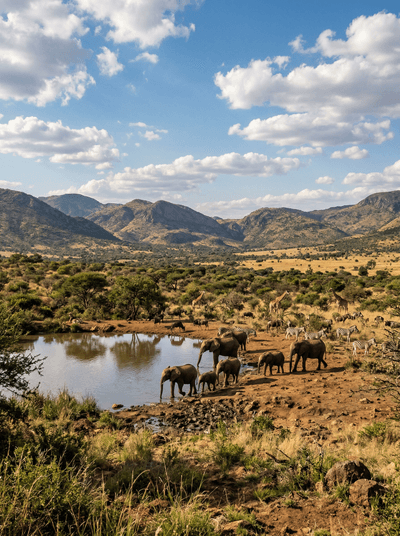
Elephants and lions move through the eroded rings of an ancient volcano.
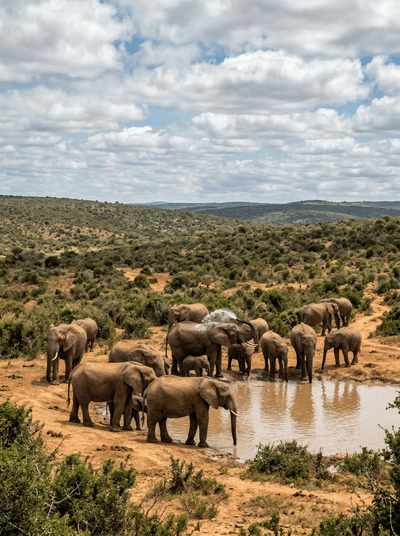
Addo Elephant National Park
South Africa
Elephants gather at a dust-ringed waterhole close enough to hear each breath.
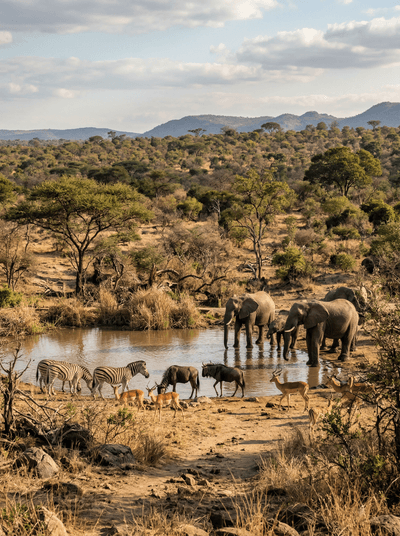
Kruger National Park
South Africa
A leopard crosses the road at dusk while the bush changes shift around the car.
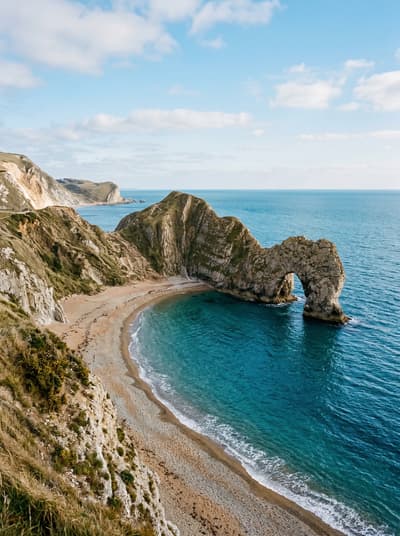
Durdle Door
England
A limestone arch punched through the cliff by the sea, framing nothing but blue horizon.
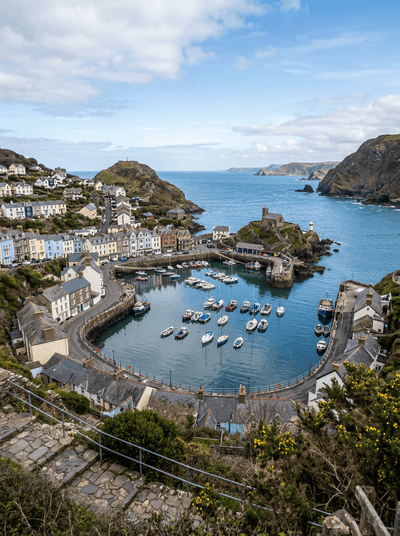
Ilfracombe
England
A harbour guarded by Damien Hirst's pregnant giant, tunnels through cliffs to hidden beaches.
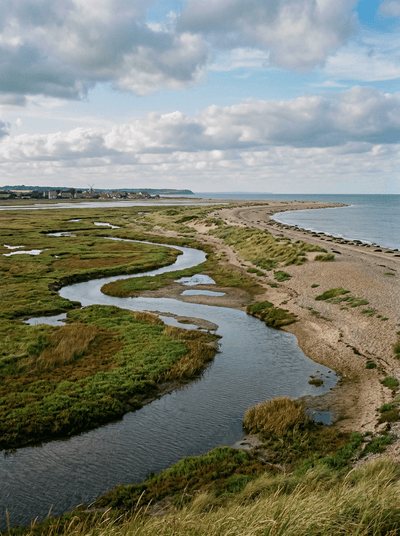
Blakeney Point
England
A shingle spit where grey seals haul out in their hundreds beneath enormous skies.
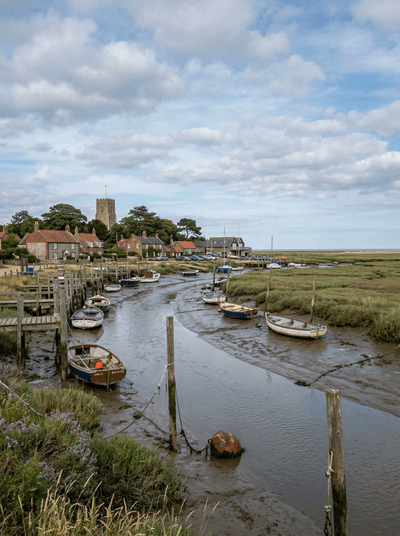
Brancaster Staithe
England
Tidal flats so vast the sky feels curved, samphire crunching underfoot at the marsh edge.