Iceland
Krafla
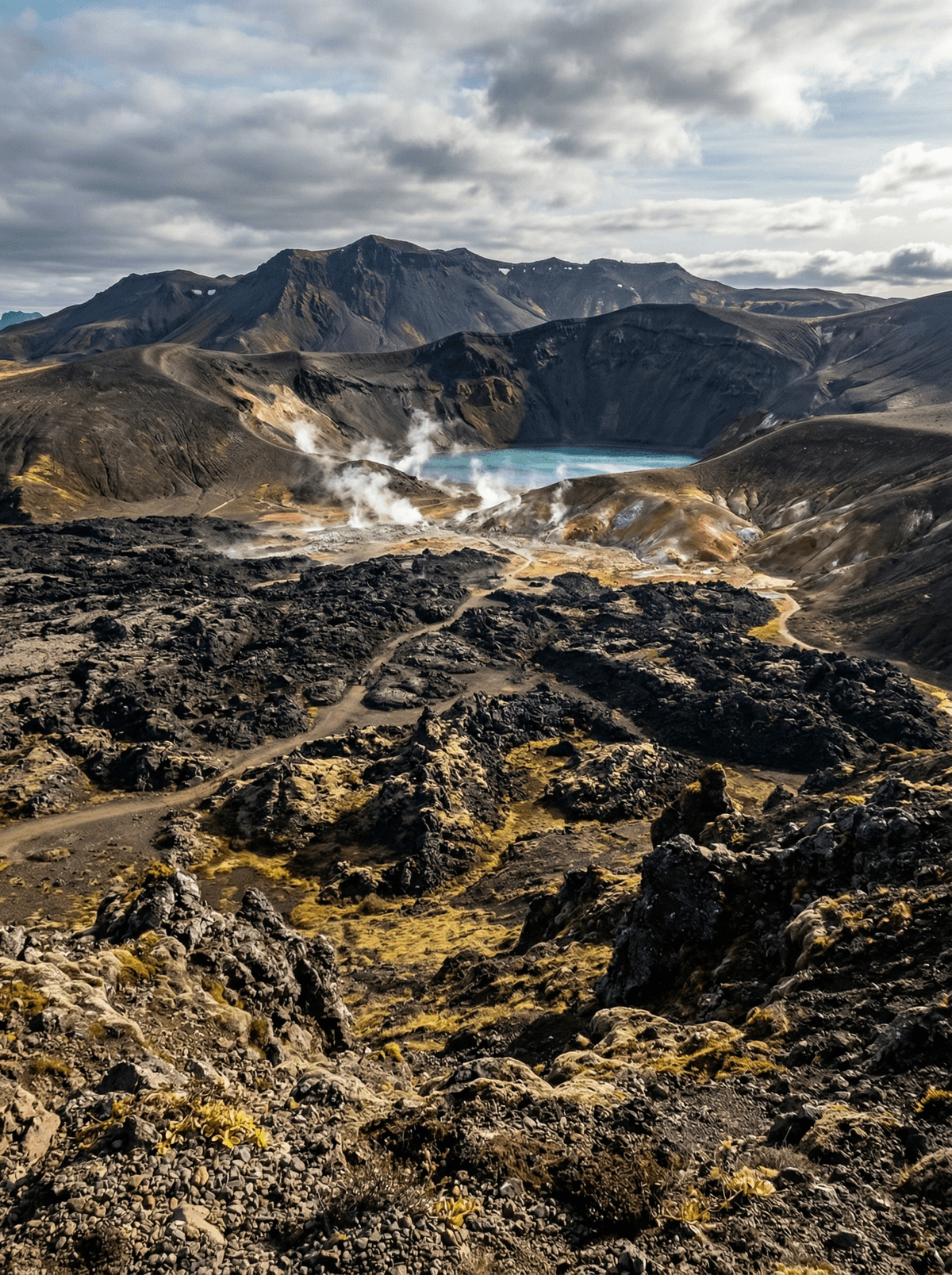
Boiling mud pots and steaming lava fields that still radiate heat decades after erupting.
The ground is warm through your boot soles in places. Steam rises from cracks in black lava that cooled only decades ago, and the air reeks of sulphur and the metallic heat of a planet that hasn't finished forming. At Krafla, volcanic power is neither ancient history nor abstraction — it is underfoot, now.
Krafla is a caldera system that last erupted between 1975 and 1984 — the Krafla Fires — leaving the Leirhnjúkur lava field a chaos of black, red and sulphur-yellow rock threaded with steam vents, still warm in patches along the marked paths. The older Víti crater, blown open in the Mývatn Fires of 1724, cradles a pale blue lake in its bowl. A major geothermal power station drills straight into the volcanic system beside the trails, and the Námafjall slopes nearby add boiling mud pots and hissing fumaroles to the sensory overload. Well-marked paths link it all from the car park moments off Route 1.
Friends
Walking lava that erupted within living memory, feeling warm ground and watching mud boil — raw geological spectacle that energises a group.
Solo
The Leirhnjúkur trail alone, steam rising and the ground warm underfoot, is one of Iceland's most visceral solo walks — you feel the planet's mechanics.
- Víti's explosion crater from the 1724 Mývatn Fires cradles a pale blue lake.
- The Leirhnjúkur lava field from the 1975–84 Krafla Fires still steams and warms the path.
- A geothermal power station drills straight into the volcano beside the walking trails.
- Námafjall's boiling mud pots and sulphur vents sit minutes away.
On the Mývatn loop, try Vogafjós’s geothermally baked rye bread with birch-smoked Arctic char.
Its farm restaurant also makes its own mozzarella and serves lamb and dairy from the farm, with the cowshed visible through glass.
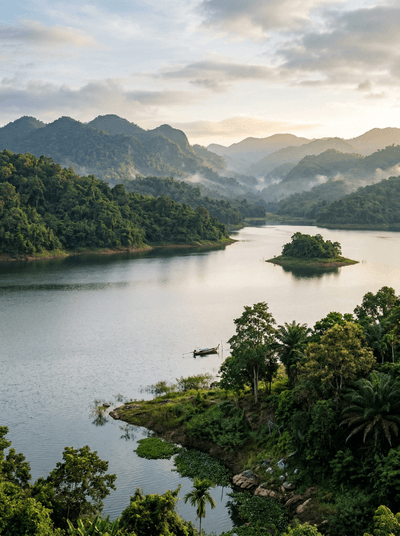
Kaeng Krachan
Thailand
A sea of mist rolling over endless jungle canopy where leopards and black bears roam.
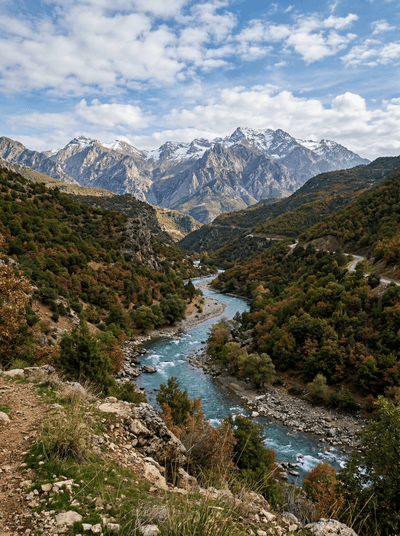
Munzur Valley
Turkey
Crystalline springs feeding ice-blue pools in a gorge where brown bears still roam undisturbed.
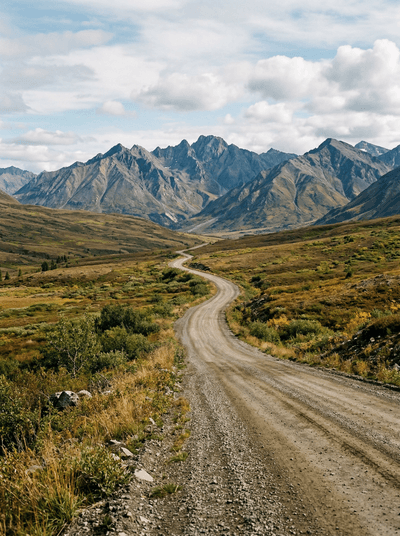
Dempster Highway
Canada
Canada's only all-season Arctic road runs 740 unpaved kilometres to the Mackenzie Delta.
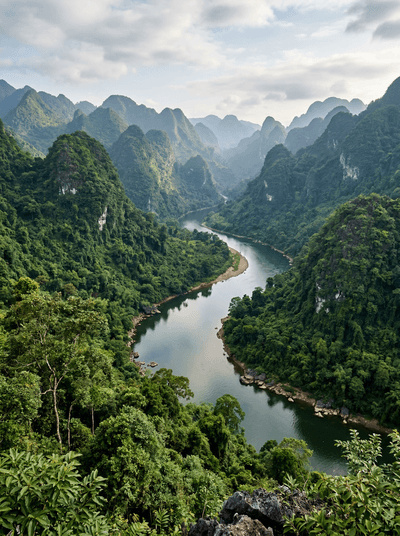
Pu Mat National Park
Vietnam
Dense border jungle whose Dan Lai people tell of ancestors who slept sitting upright.
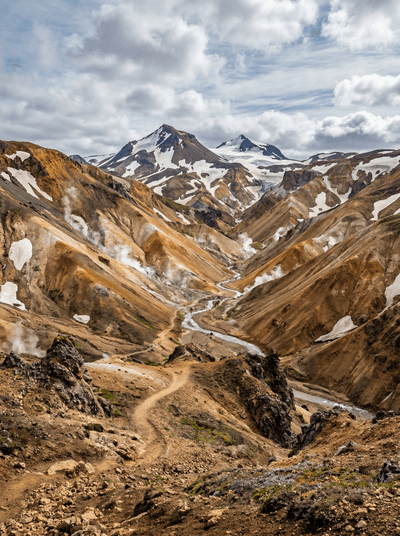
Kerlingarfjöll
Iceland
Steaming orange rhyolite mountains and hissing vents in a high-altitude geothermal desert.
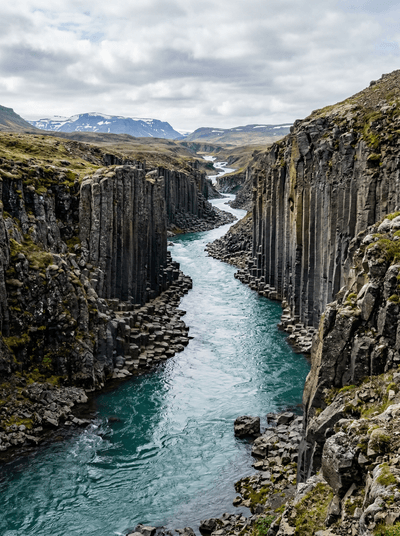
Stuðlagil Canyon
Iceland
A glacial river surging through geometric towers of perfectly hexagonal basalt.
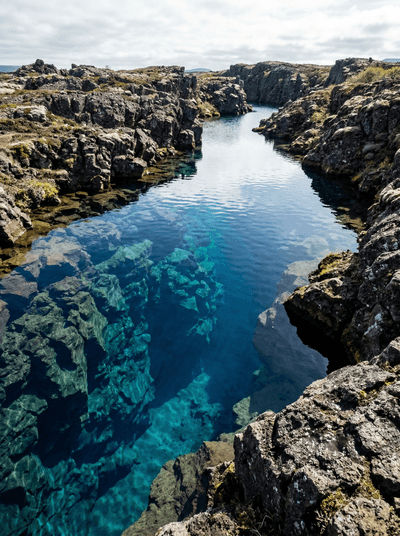
Silfra Fissure
Iceland
Snorkelling in liquid crystal through a tectonic rift between the American and Eurasian plates.
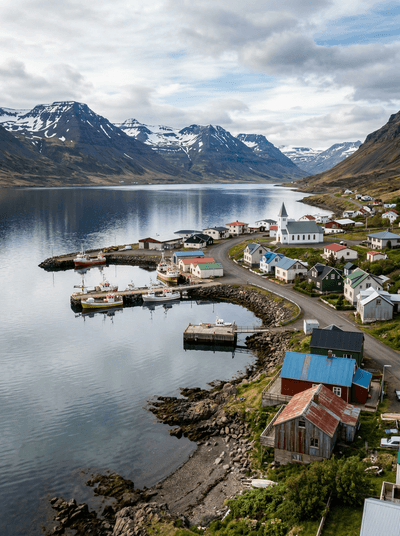
Hólmavík
Iceland
A sleepy fjord village home to a dark history of Icelandic sorcery and witchcraft.