Japan
Kumano Kodo
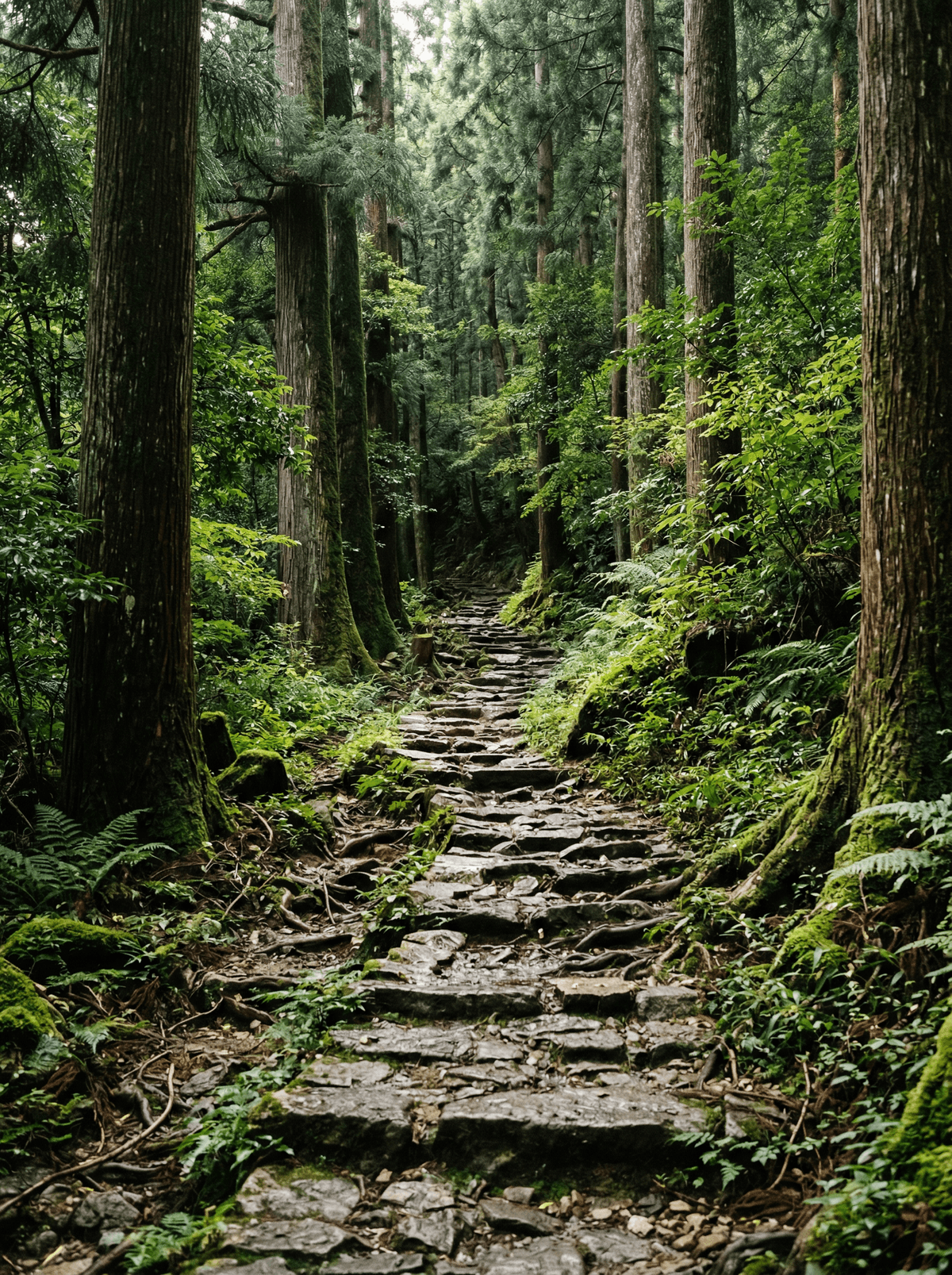
Thousand-year pilgrim trails through dripping cedar where stone guardians watch each step.
Ten centuries of footsteps have polished the stones. The Kumano Kodō is a web of pilgrimage trails through the mountains of Japan's Kii Peninsula, linking three grand shrines by routes that emperors, monks and farmers have walked since the tenth century. The forest closes overhead. The moss thickens. Each step sheds a little more of the modern world.
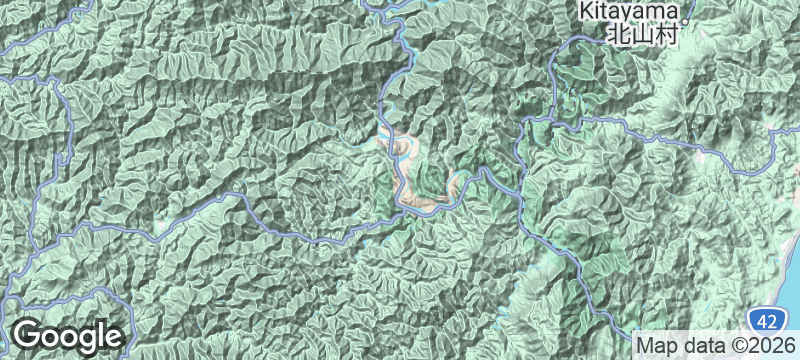
The Kumano Kodō was inscribed by UNESCO in 2004, only the second pilgrimage route in the world to be listed as a whole after the Camino de Santiago, and walkers who complete both can register as dual pilgrims. The Nakahechi, the most walked section, crosses forested passes for about forty kilometres between Takijiri and Hongū, its original stone paving surviving on stretches like the Daimonzaka slope, with small oji shrines marking the way and village inns spaced a day's walk apart. The three grand shrines — Hongū, Nachi and Hayatama — grew from a fusion of Shinto nature worship and Buddhist asceticism; at Nachi the shrine faces Japan's tallest single-drop waterfall, 133 metres of falling water. Emperor Uda made the first imperial pilgrimage in 908, and the court came back nearly a hundred times over the following centuries.
Solo
Walking the Kumano Kodō alone distils days into simple units: walk, eat, sleep, repeat. The trail pares life down to the rhythm of the forest.
Couple
Sharing a village inn after a day on the trail — hot bath, local food, the ache in your legs — bonds couples in ways a resort cannot.
Friends
Multi-day walks with a shared goal, evenings in hot-spring villages, and the camaraderie of arriving at each shrine together make this ideal for small groups.
- A pilgrimage network over a millennium old links three grand shrines through the Kii Mountains.
- Centuries of walking have polished the original stone paving on stretches like the Daimonzaka slope.
- Nachi's shrine stands beside the highest single-drop waterfall in Japan, 133 metres from lip to pool.
- Walkers who finish both Kumano and the Camino de Santiago can register as dual pilgrims.
Mehari-zushi — rice bundled in a pickled mustard leaf, the pilgrim's packed lunch for centuries.
A village inn dinner after the trail: river fish, mountain vegetables, and local sake in a hot-spring town.
Glasriket (Kingdom of Crystal)
Sweden
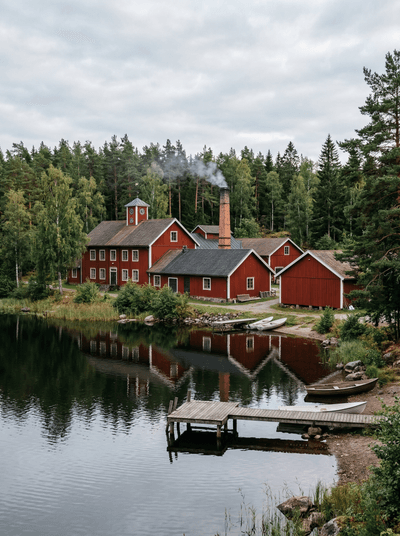
Deep-forest glassblowing studios where molten crystal has glowed in the dark for three centuries.
Writing-on-Stone Provincial Park
Canada
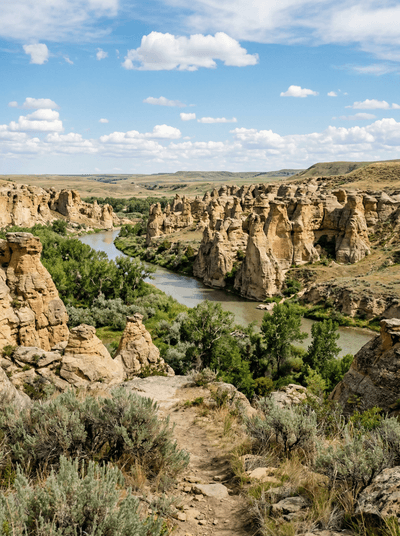
Hoodoos guard the Great Plains' largest concentration of rock art above the Milk River.
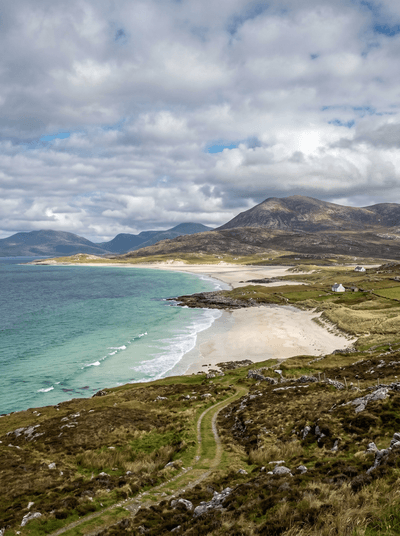
Isle of Lewis
Scotland
Standing stones older than Stonehenge, arranged in a cross nobody can explain, facing the sea.
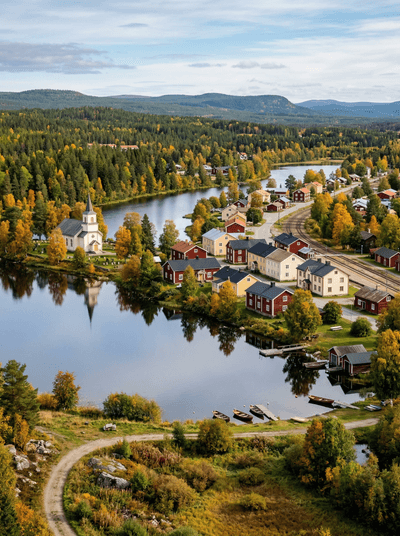
Arvidsjaur
Sweden
A living Sámi church town of eighty timber huts beside lakes that test the world's cars.
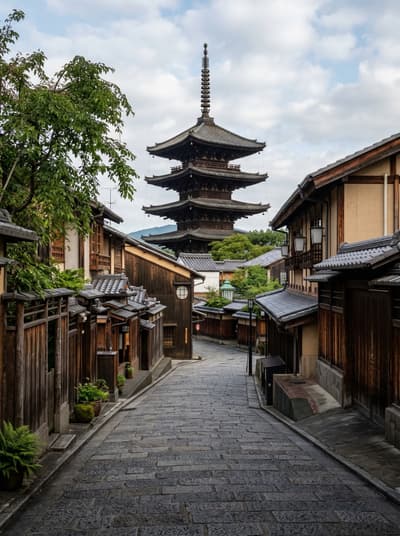
Kyoto
Japan
Lantern-lit alleys where geiko vanish around corners and incense trails from every doorway.
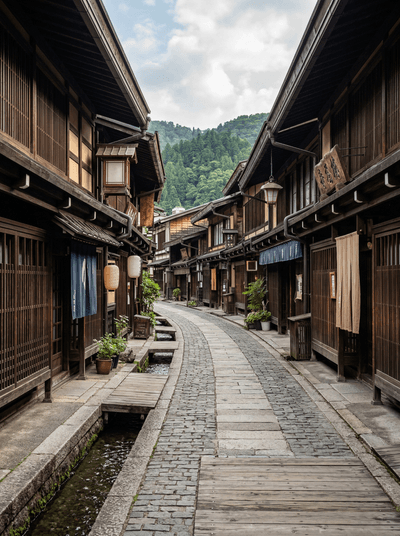
Takayama
Japan
Morning-market mist over a merchant town where cedar balls hang above every sake brewery.
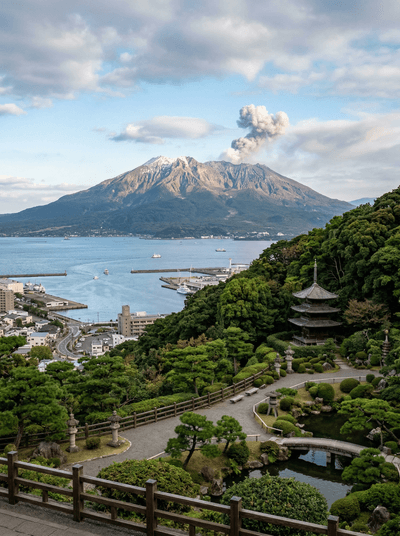
Kagoshima
Japan
Volcanic ash drifting like grey snow on a city living beneath an active cone.
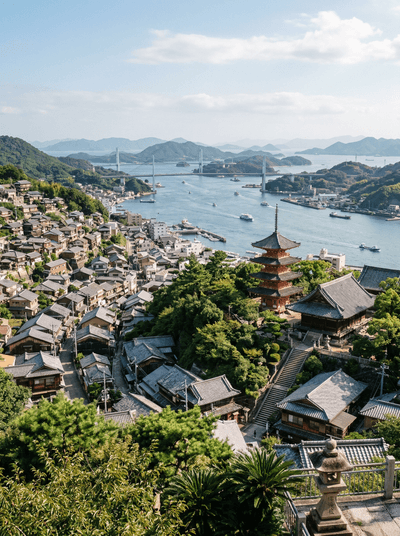
Onomichi
Japan
A hillside temple walk above a strait where cats watch you from every stone step.