Mexico
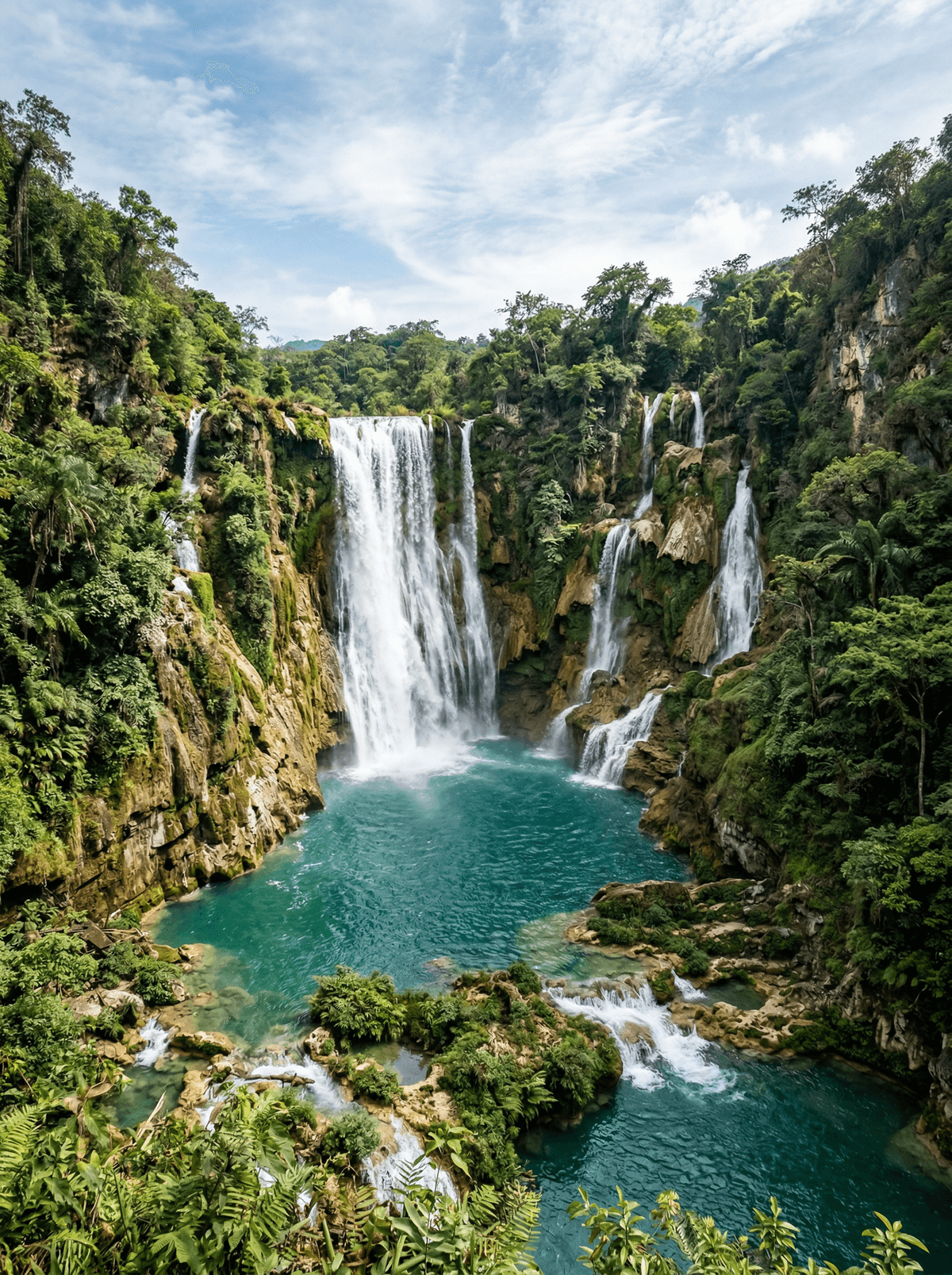
La Huasteca Potosina
Limestone rivers link waterfalls, caves and Huastec communities across a broad green region.
The water announces the region before the road signs do. Turquoise rivers slide under the bridges, waterfalls stand behind the villages, and the green of sugarcane and forest closes over everything between.
The Huasteca Potosina is a broad limestone region of rivers, waterfalls and caves, its best-known sites reached with local guides, life jackets and seasonal controls according to conditions. Huastec food and music are as much a part of the landscape as the water. Community-run services keep the benefits of all that turquoise close to home.
Friends
Chain waterfalls and river runs with local guides across several days.
Couple
Pick two or three sites and give each a full unhurried day.
Family
Choose the gentler pools and let life jackets and guides set the limits.
- The Huasteca Potosina links limestone rivers, waterfalls and caves across a broad region.
- Sites use local guides, life jackets or seasonal controls according to conditions.
- Huastec food, music and community-run services add cultural depth beyond the water.
Bocoles, thick maize cakes cooked on the comal with lard or marrow, are the region's living symbol.
Zacahuil at Sunday markets feeds whole families from one banana-leaf oven parcel.
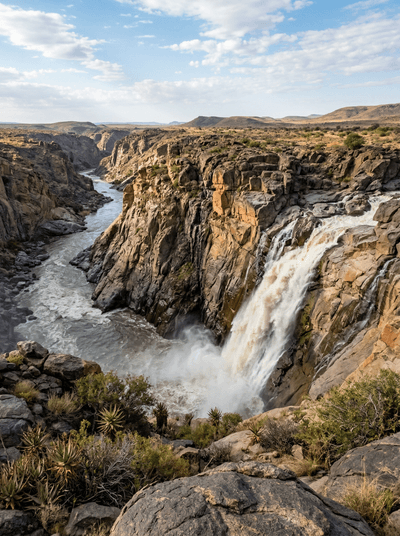
Augrabies Falls National Park
South Africa
Aukoerebis takes its name from the roar as the Orange River plunges fifty-six metres.
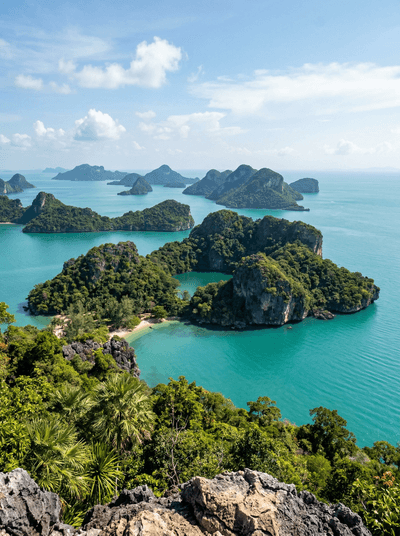
Ang Thong Marine Park
Thailand
Forty-two jungle islands hiding an emerald saltwater lake inside a collapsed limestone crater.
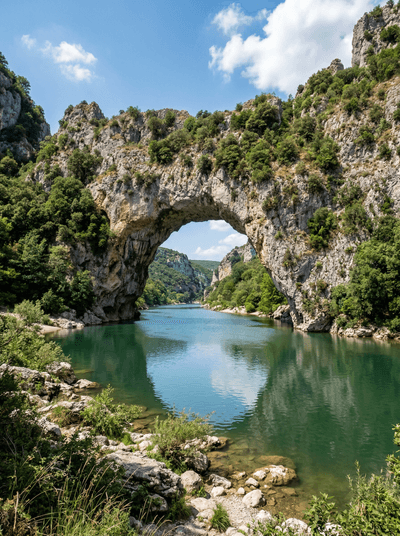
Vallon-Pont-d'Arc
France
Gateway town to the Ardèche canyon, its stone arch and 36,000-year-old cave paintings.
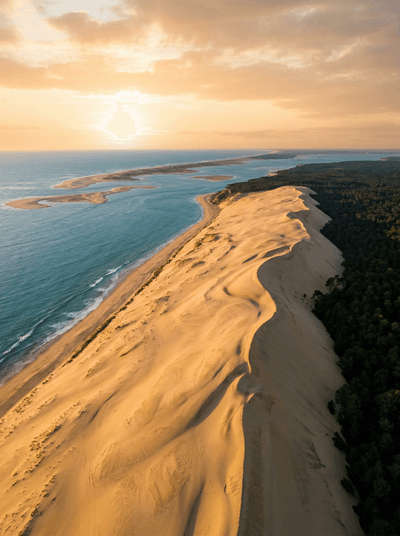
Dune du Pilat
France
Europe's tallest sand dune — a hundred metres of hot grain, the Atlantic crashing below.
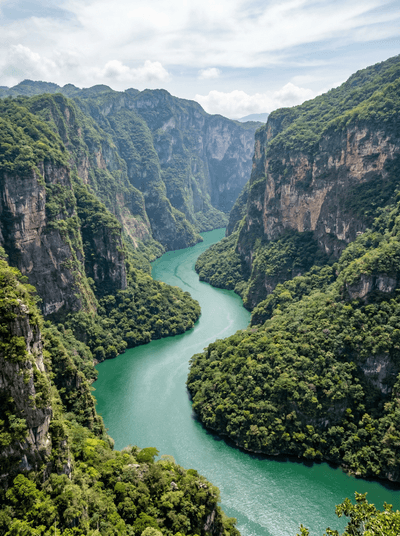
Sumidero Canyon
Mexico
A river route slips beneath limestone walls and five high canyon viewpoints.
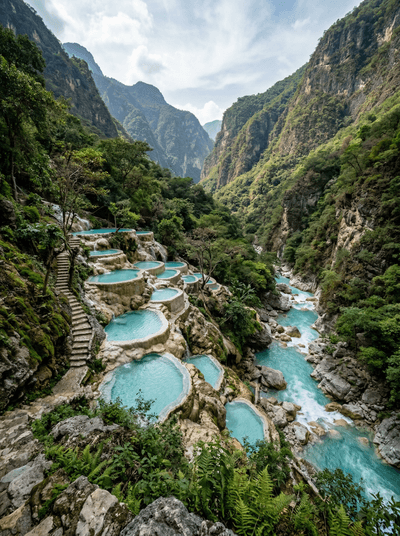
Grutas de Tolantongo
Mexico
Thermal rivers tumble into canyon-cliff infinity pools, steam rising through cold mountain air.
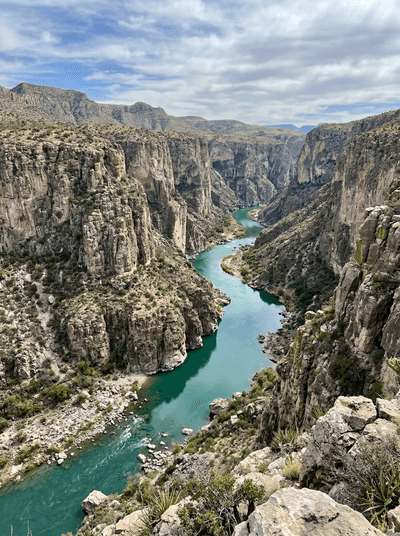
Cañón del Pegüis
Mexico
The Río Conchos cuts striped desert rock into a remote Chihuahua gorge.
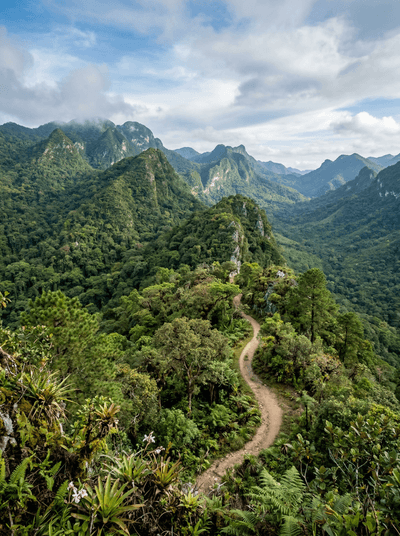
El Cielo Biosphere Reserve
Mexico
Tropical forest gives way to cloud forest along one steep Tamaulipas reserve.