Mexico
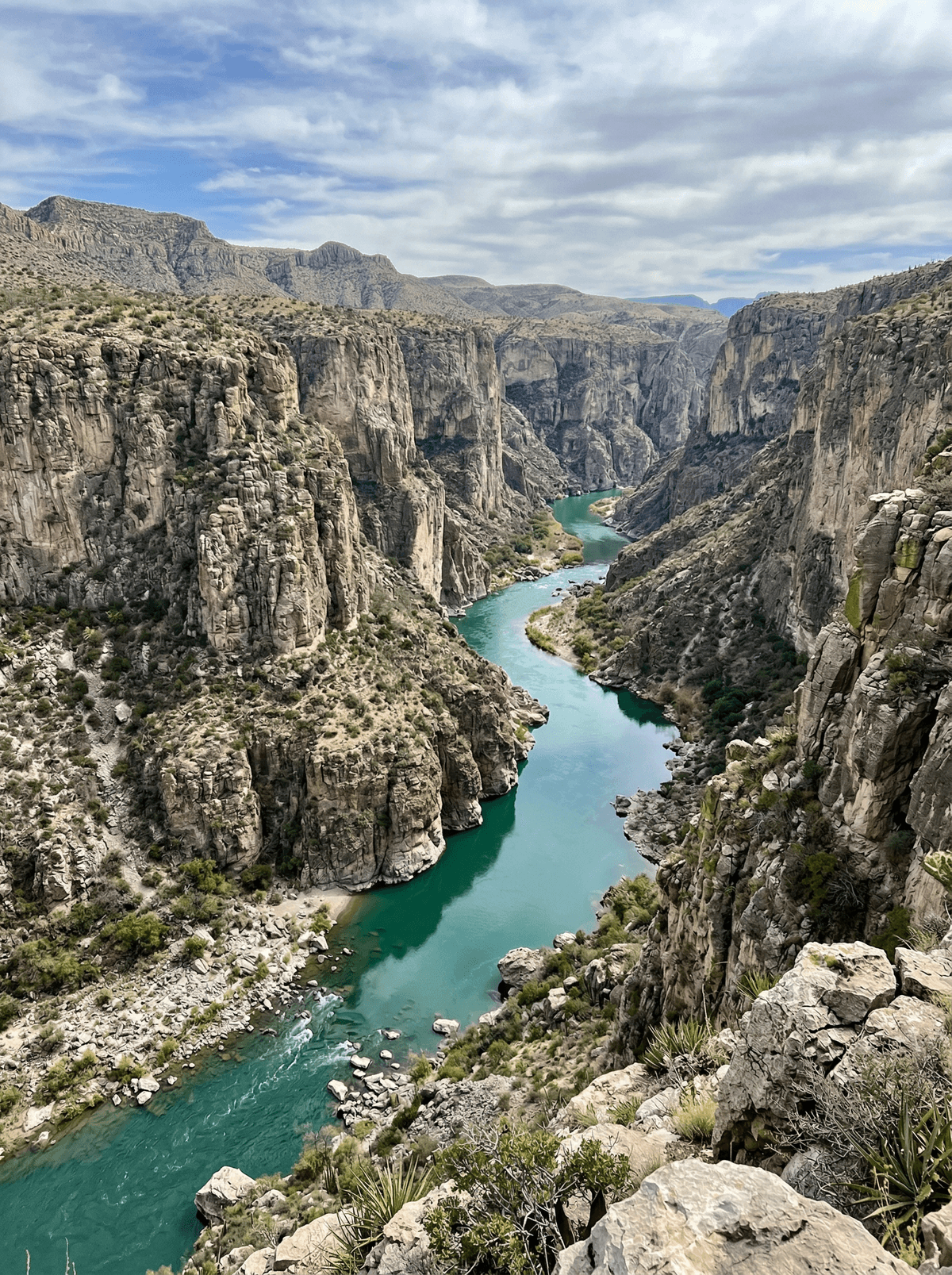
Cañón del Pegüis
The Río Conchos cuts striped desert rock into a remote Chihuahua gorge.
Out of flat desert the river disappears into a wall of banded rock. The road climbs to a lookout where the gorge shows its full depth, sometimes only ten or twenty metres wide at the water.
Cañón del Pegüis is cut by the Río Conchos through striped desert rock near Ojinaga, its mirador standing about 27 kilometres from Cuchillo Parado. Local operators offer the road viewpoints and water routes when river conditions permit. The setting is genuinely remote, so daylight planning and current advice are part of the trip.
Solo
Drive to the mirador with daylight in hand and current local advice.
Friends
Share a river route through the gorge when conditions allow.
- Cañón del Pegüis cuts through striped desert rock along the Río Conchos near Ojinaga.
- Local operators offer road viewpoints and water-based routes when river conditions permit.
- The remote setting requires daylight planning and current advice.
Eating happens in Ojinaga, the border town about forty kilometres east: burrito stands, food trucks and seafood kitchens.
The mirador country itself is genuinely remote, so the gorge day provisions in town.
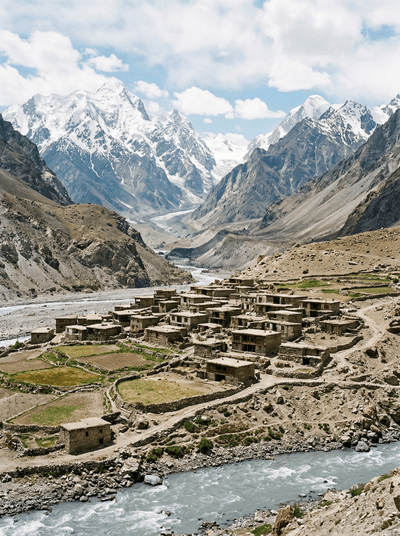
Askole
Pakistan
Civilisation's last outpost before the glaciers, where porters load supplies for the walk to K2.
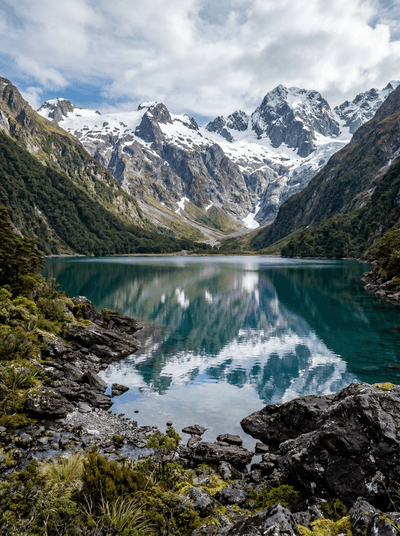
Lake Marian
New Zealand
An alpine lake cradled in a granite amphitheatre, earned by roots, mud and climb.
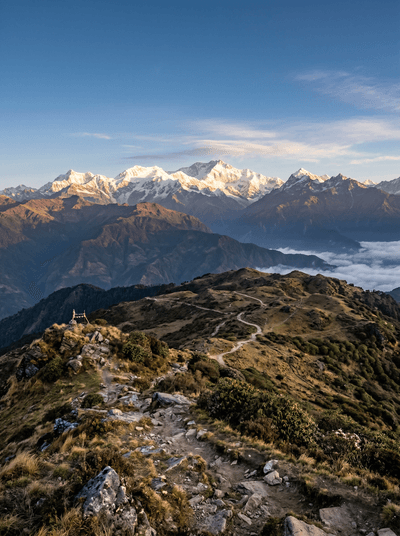
Sandakphu
India
A trekker's ridgeline where four of Earth's five highest peaks stand in one panorama.
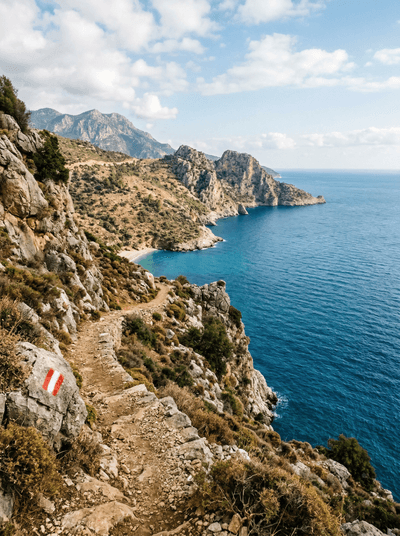
Lycian Way
Turkey
A 760-kilometre clifftop trail threading ruins, coves and pine forest above the Mediterranean.
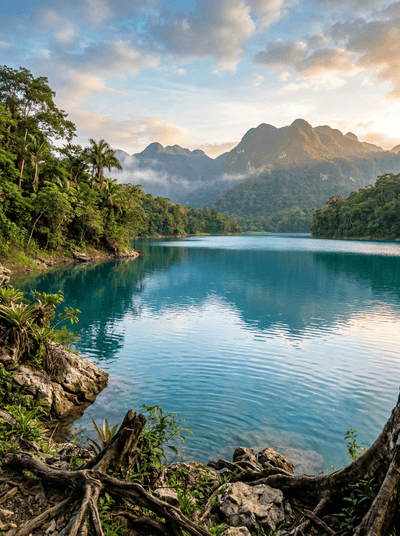
Laguna de Miramar
Mexico
Jade water lies dead still inside unbroken forest, without an engine within earshot.
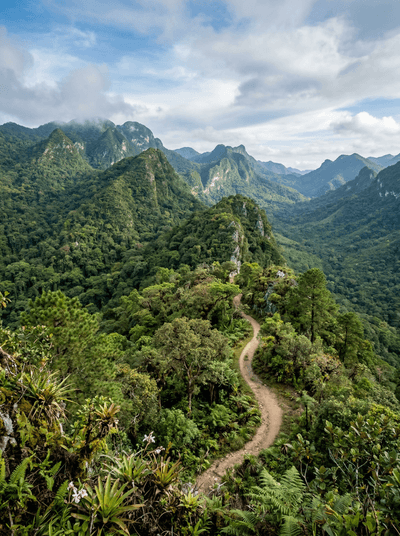
El Cielo Biosphere Reserve
Mexico
Tropical forest gives way to cloud forest along one steep Tamaulipas reserve.
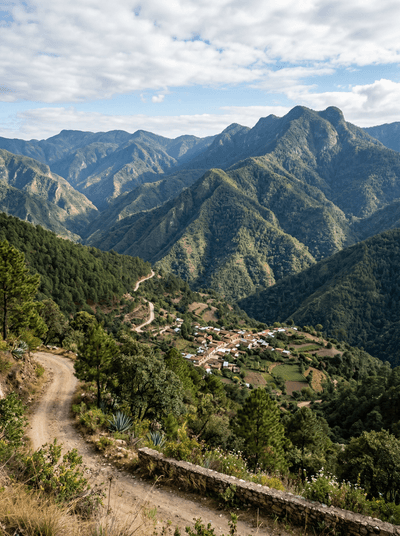
Oaxacan Sierra Norte
Mexico
Cloud-forest trails link Zapotec villages that invented community ecotourism in Mexico.
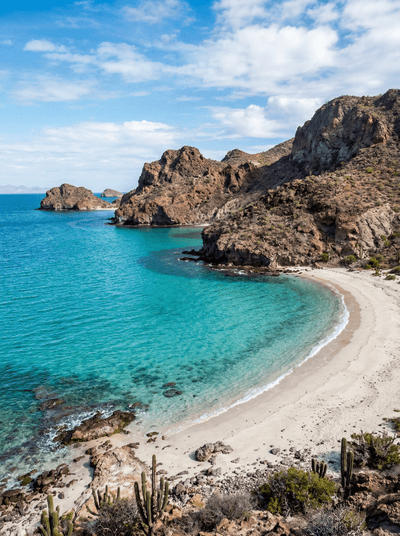
Espíritu Santo Island
Mexico
Red volcanic cliffs fold around clear coves reached by boat from La Paz.