Peru
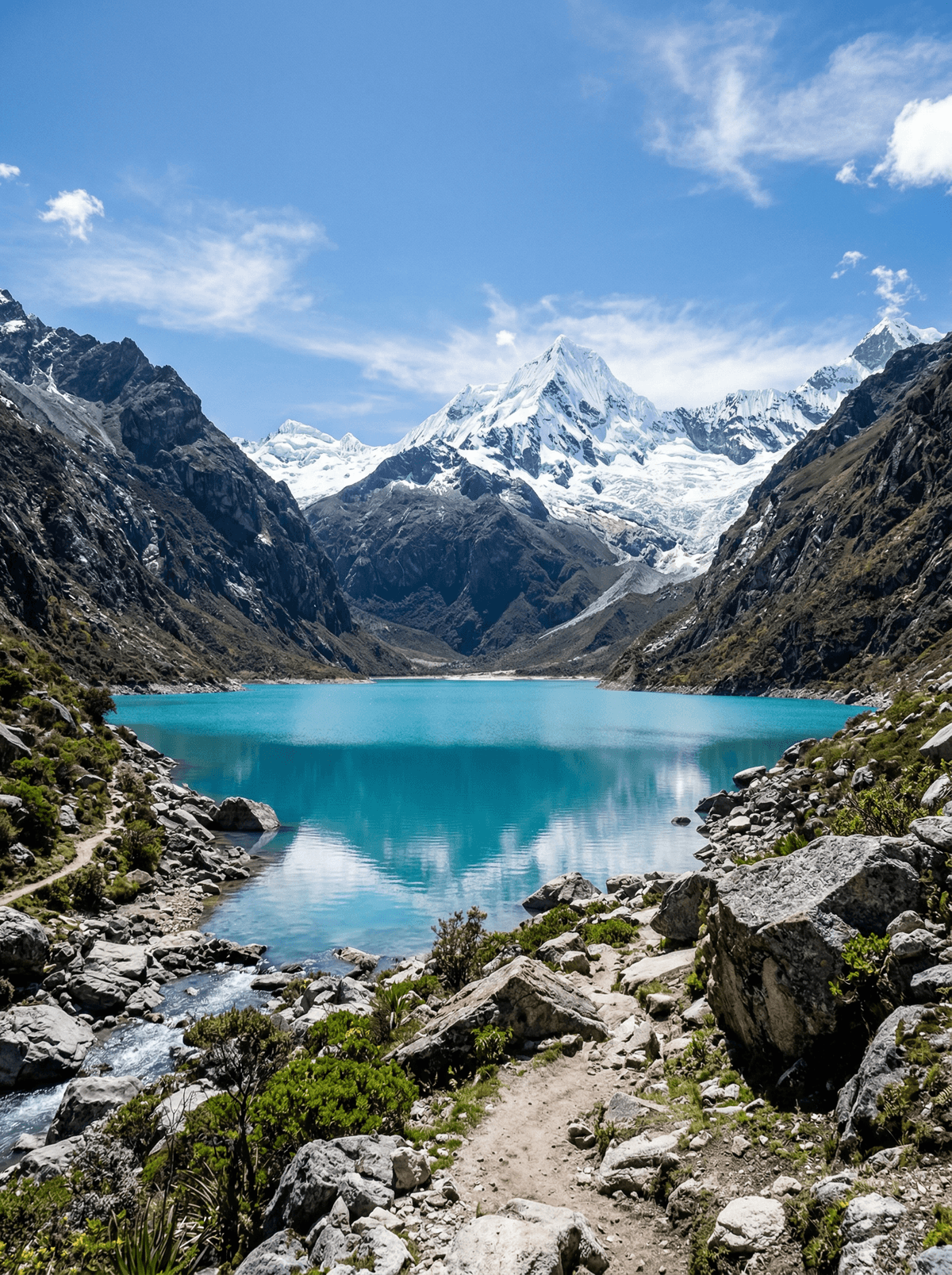
Laguna 69
Turquoise glacial water so vivid it looks backlit, cradled beneath walls of ice.
The colour hits before the altitude does. Glacial meltwater pools in a granite bowl beneath hanging ice, a turquoise so dense it looks lit from underneath. The air at 4,600 metres makes every breath deliberate — and the stillness at the top makes each gasping step worth it.
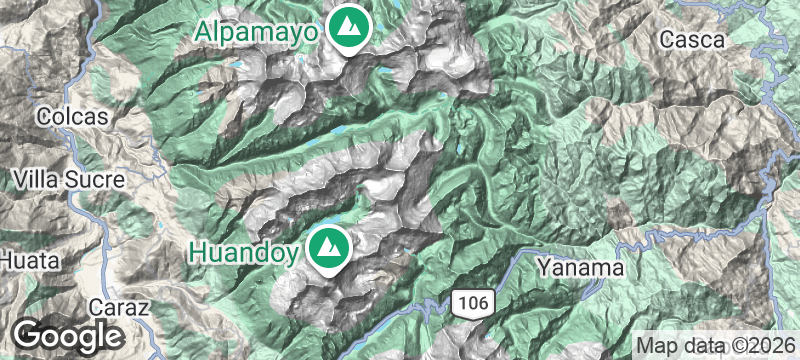
Laguna 69 lies inside Huascarán National Park in the Cordillera Blanca, at 4,604 metres beneath the ice walls of Nevado Chacraraju, its impossible colour the work of glacial rock flour suspended in snowmelt. The route in from the Cebollapampa trailhead is the Cordillera's classic hard day: a steep climb through puna grassland and past waterfalls, its length set less by the map than by your acclimatisation — this is a hike where turning back on altitude symptoms is the competence, not the failure. The park's authorised route keeps it simple: no kiosks, no railings, no noise, just the basin and the ice above it. On clear mornings, Peru's highest summits stand along the skyline of the same park.
Solo
Seven hundred metres of gain above four thousand rewards personal grit — and arriving at the colour alone, in silence, is the purest earn-it-to-see-it in Peru.
Friends
The shared suffering of the climb and the collective gasp at the rim bond a group fast; pooled transport from Huaraz and post-hike trout complete the ritual.
- The lake sits at 4,604 metres beneath Chacraraju's hanging glaciers.
- Suspended rock flour turns the water a turquoise that photographs refuse to tone down.
- The climb crosses Huascarán National Park's puna, waterfalls and granite.
- No kiosks, no railings — the basin arrives exactly as the mountains keep it.
A proper packed lunch from Huaraz market — roasted habas, dried mango, real water.
Post-hike trout and chips back in Huaraz, tasting like a medal.
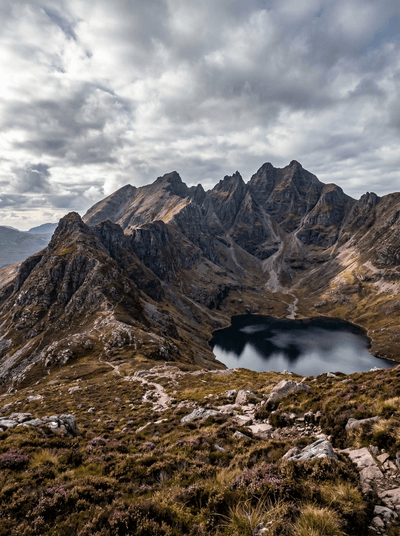
An Teallach
Scotland
Pinnacled ridges and plunging corries form a mountain so fierce it tests the bravest scramblers.
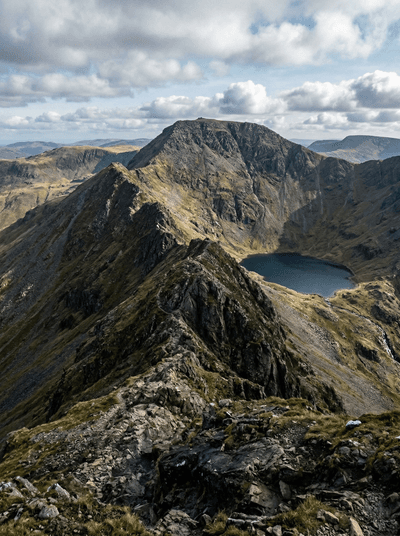
Helvellyn via Striding Edge
England
A knife-edge ridge with sheer drops on either side and nothing but sky ahead.
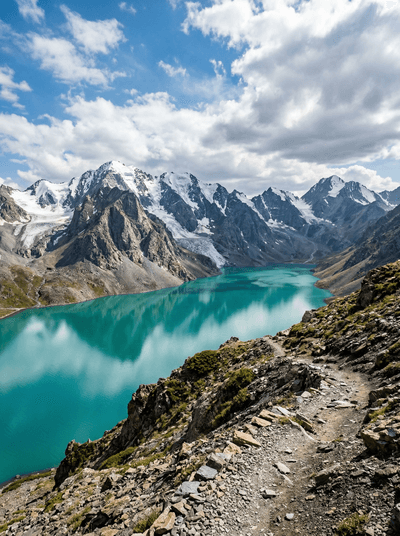
Ala-Kul
Kyrgyzstan
Turquoise water at 3,500 metres, earned on foot through a pass that steals your breath.
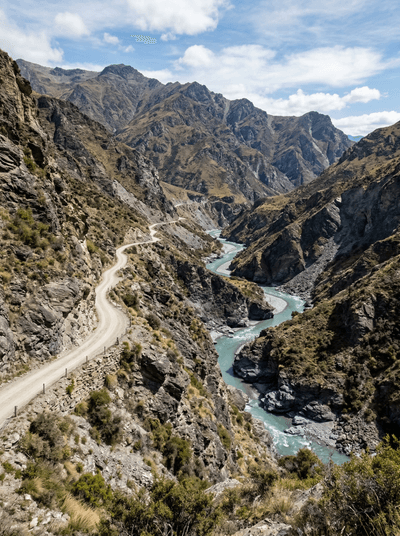
Skippers Canyon
New Zealand
A gold miners' road carved into sheer cliff, best driven by someone else.
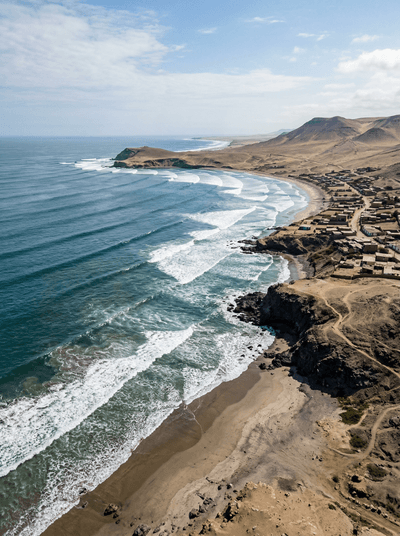
Chicama
Peru
A left-hand point wave of legendary length, peeling down a bone-pale desert shore.
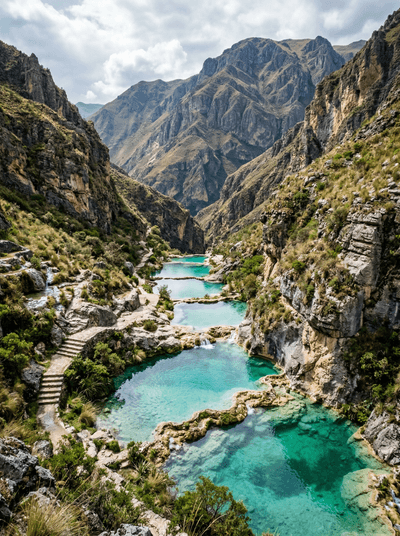
Millpu
Peru
A chain of electric-blue pools threading a pale limestone gorge in the high Andes.
Tingo María
Peru
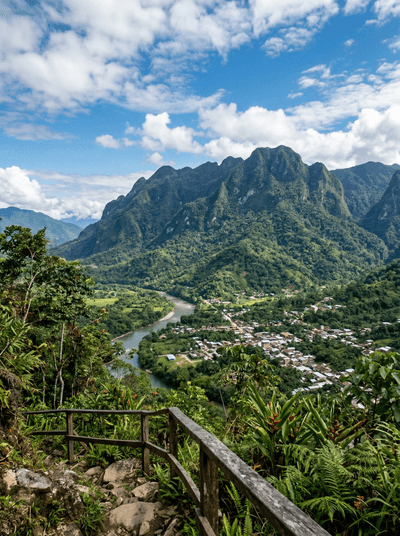
A cave inside a sleeping-woman mountain where oilbirds shriek in the dark.
Gran Vilaya
Peru
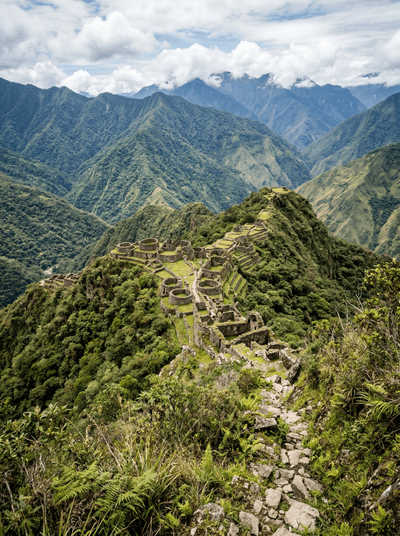
Hundreds of unexcavated Chachapoya ruins scattered through days-deep cloud forest.