Peru
Gran Vilaya
Hundreds of unexcavated Chachapoya ruins scattered through days-deep cloud forest.
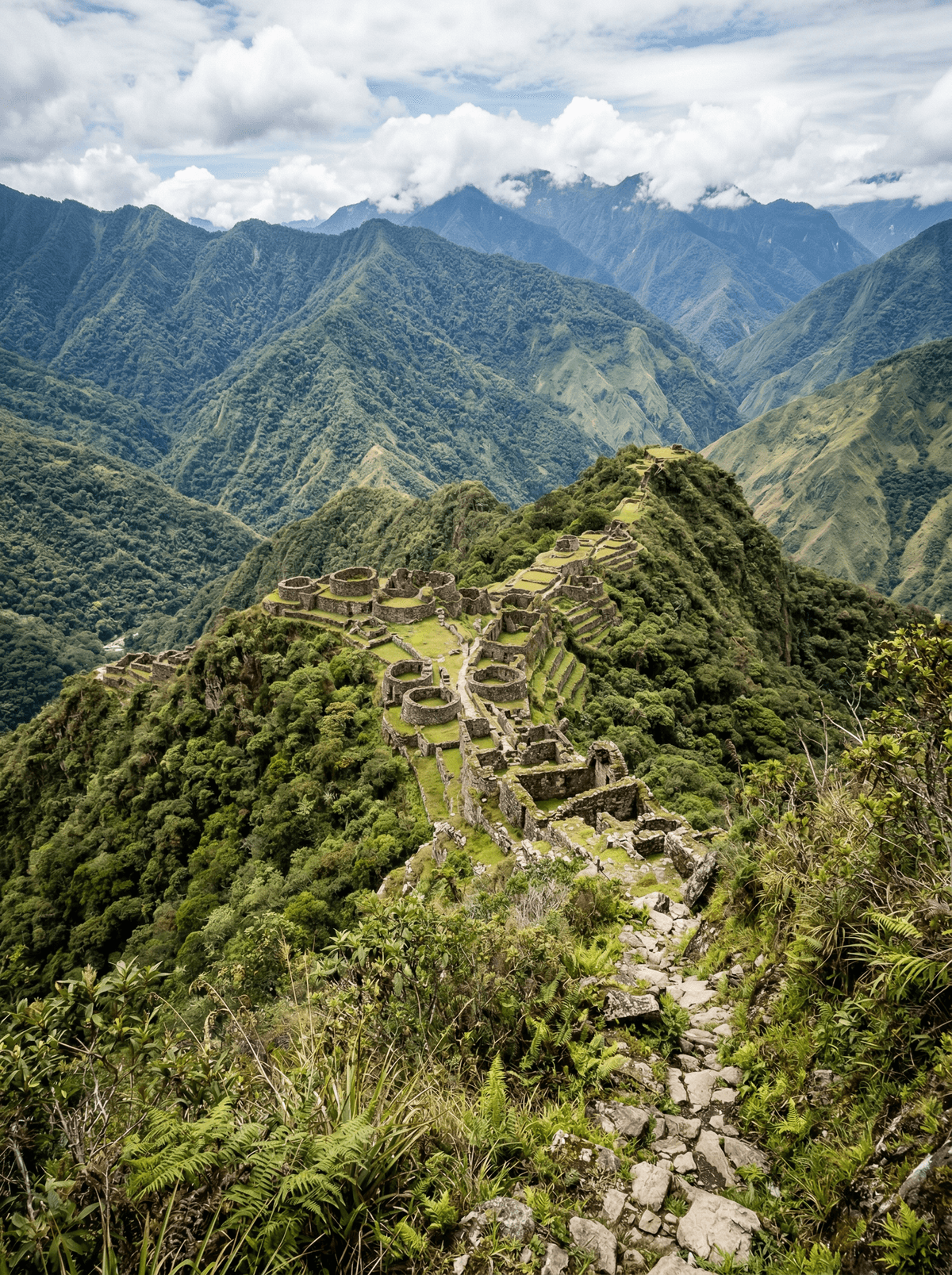
The cloud forest closes around the trail on day one and doesn't let go. Moss-covered walls appear between the trees — a doorway here, a circular foundation there — until you understand that the jungle is full of buildings. Gran Vilaya is not one ruin but a landscape of them, and the forest is slowly taking them back.
Gran Vilaya is a vast Chachapoya archaeological zone west of Chachapoyas — valley after cloud-forest valley scattered with the Warriors of the Clouds' stone settlements, most partly buried, many barely studied. This is trekking archaeology in its purest form: multi-day guided routes with mules and camps thread the dispersed sites, local expertise handling the route-finding while walkers supply patience and reasonable knees. There is no restored showpiece at the end — the journey is the monument, ruins surfacing from undergrowth day after day, every unrestored wall fragile heritage that is skirted, never climbed. Between the archaeology: primary forest, hummingbirds, and a silence hundreds of years deep.
Solo
Genuine remoteness and genuine discovery — multi-day trekking to unexcavated ruins is as close to exploration as modern Peru offers.
Friends
Mule teams, jungle camps and ruins emerging from undergrowth create true expedition atmosphere — kept small to protect what you came for.
- Whole valleys of dispersed Chachapoya settlements hide beneath the cloud forest.
- Guided multi-day mule journeys are the only realistic way through Chachapoya country.
- Most structures remain partly buried — an archaeological frontier, not a showpiece.
- The Chachapoya left ruins scattered through these valleys — the journey itself is the monument.
Arriero fire-cooking at jungle camps — rice, beans and whatever travels well.
Fresh sugar cane chewed on the march between camps.
Kiruna
Sweden
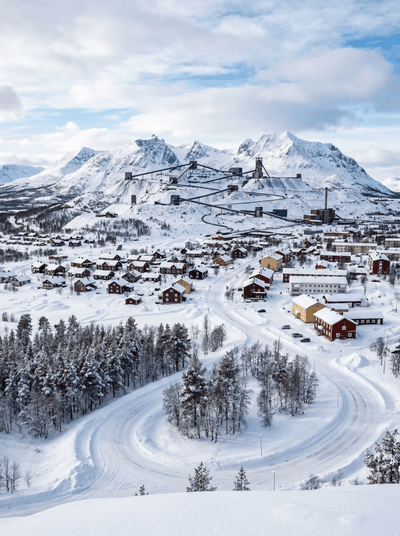
A city moving itself sideways because the iron mine beneath refuses to stop.
Vao Island
Vanuatu
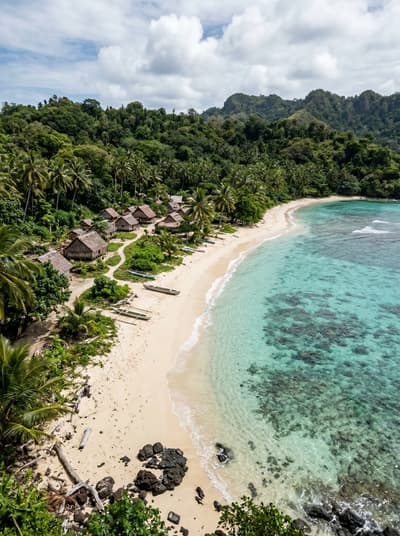
Giant tam-tams boom across a ten-minute strait; on Vao, rank is earned, never inherited.
Penha Garcia
Portugal
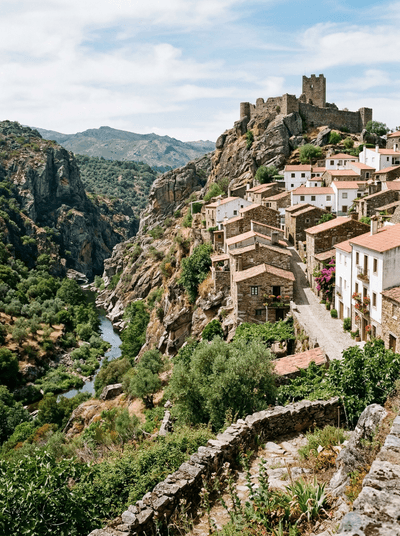
Trilobite tracks from an ancient sea floor emerge from gorge walls beneath a Templar castle.
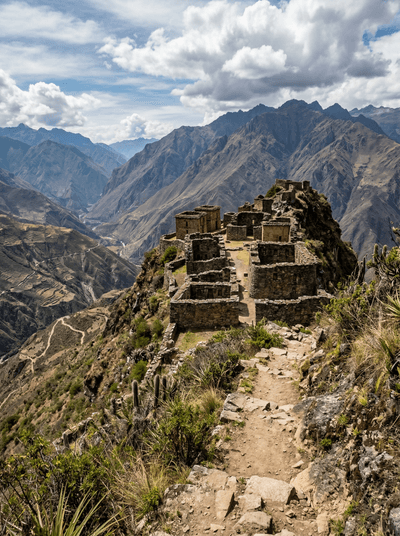
Rupac
Peru
Pre-Inca towers above a sea of clouds, earned by a climb that starts in the dark.
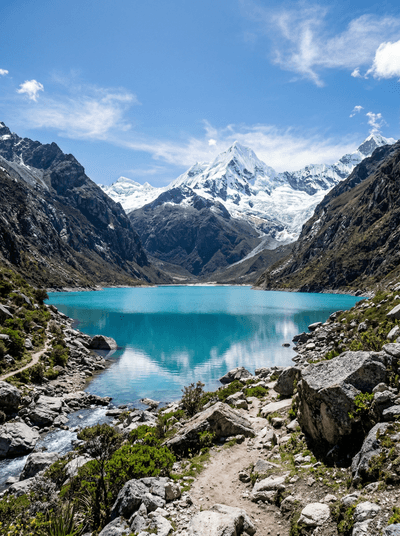
Laguna 69
Peru
Turquoise glacial water so vivid it looks backlit, cradled beneath walls of ice.
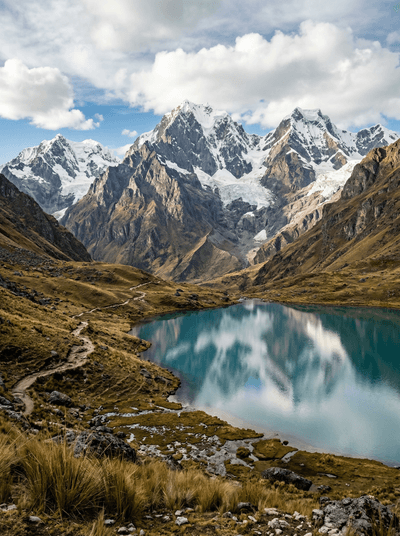
Huayhuash Circuit
Peru
Days circling peaks that puncture the sky at 6,000 metres, far from any road.
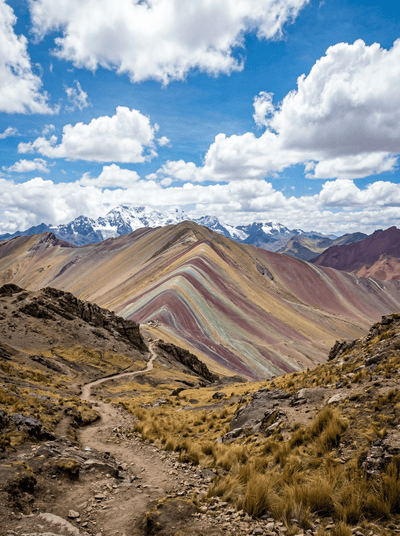
Vinicunca
Peru
Sediment bands of red, ochre and pale green striping bare rock above 5,000 metres.