England
Ludlow
A medieval fortress town where the butchers, bakers and market square set the pace.
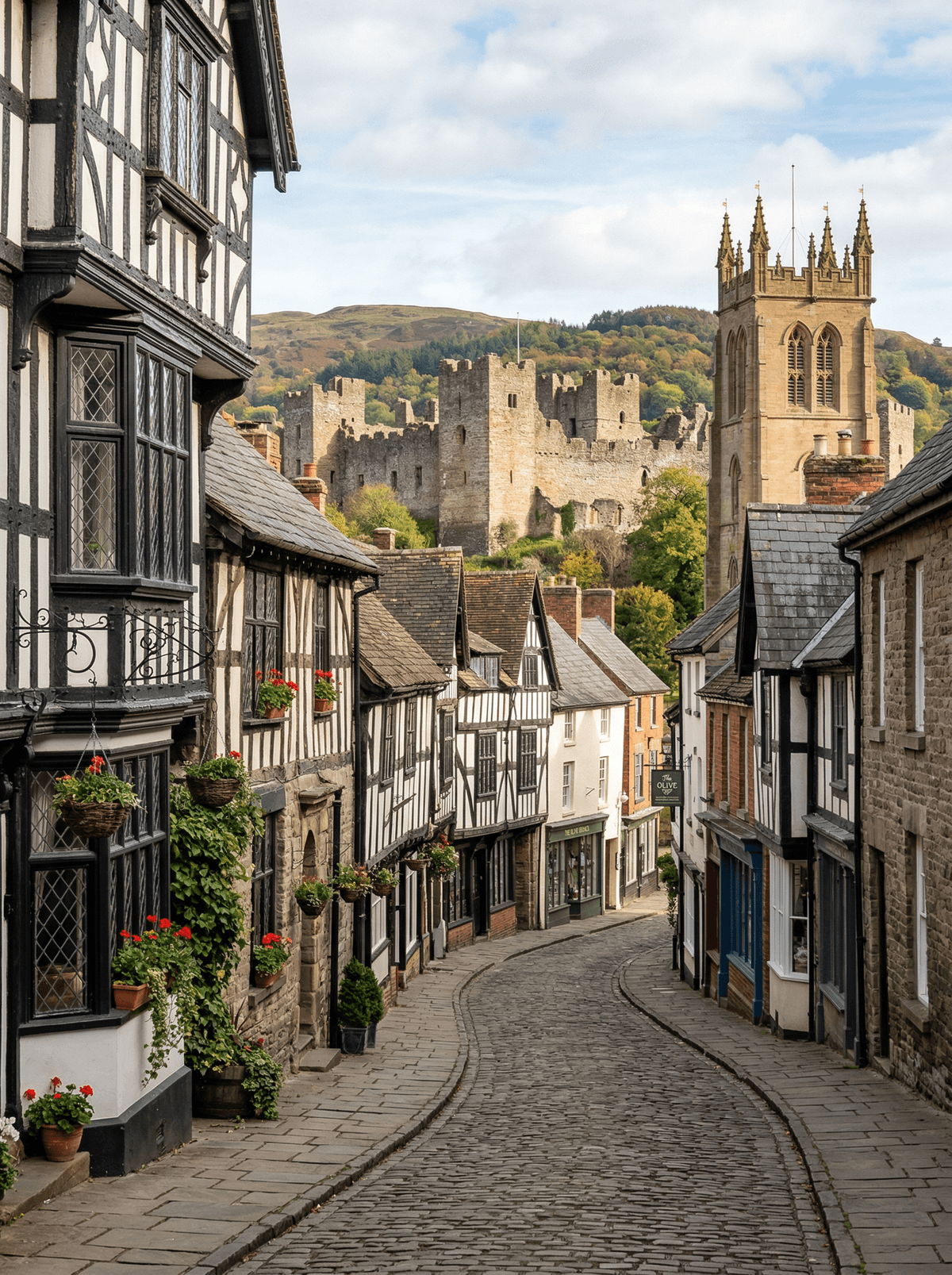
Timber-framed butchers, independent food shops and a medieval castle occupy a hilltop above the River Teme in a town that takes eating as seriously as any in England. Ludlow's reputation rests on its independent butchers, bakers and producers — a food culture you can verify on every street.
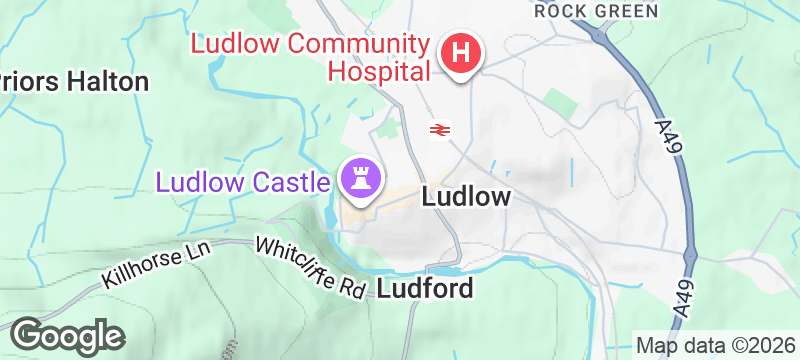
Ludlow Castle, raised soon after the Norman Conquest, dominates the southern edge of town and hosted the Council of Wales and the Marches for over two centuries; its open-air inner bailey still stages theatre in summer. The medieval street grid — Broad Street, the Bullring, Old Street — survives from the twelfth-century plan, packing more than five hundred listed buildings into half a square mile, the Jacobean half-timbering of the Feathers and the Reader's House among the finest in England. At its gastronomic peak the town held more Michelin stars per head than anywhere outside London, and the obsession lives on in its butchers, bakers and market square, with an annual autumn food festival filling the castle grounds with Shropshire producers. The Shropshire Hills fold around three sides, and the Mortimer Trail runs thirty miles from the castle gate to the Welsh border.
Solo
The quality of food and architecture rewards slow attention — browse the castle, eat well, and loop Whitcliffe Common for views back across rooftops and river.
Couple
Ludlow feeds two beautifully: graze the food shops, share a table, and walk the castle grounds as the Teme slides past below.
Friends
Time it for the autumn food festival and the castle becomes a tasting room — with the producers, the pubs and the Shropshire Hills, the weekend fills itself.
- A medieval market town that once out-Michelined everywhere outside London.
- Summer theatre plays the castle's open-air inner bailey.
- Five hundred listed buildings crowd half a square mile of twelfth-century grid.
- The autumn food festival turns the castle into a three-day Shropshire feast.
Slow-roasted Marches lamb in a riverside kitchen below the weir.
Ludlow sausages from butchers who treat the trade as a calling.
Chettinad
India
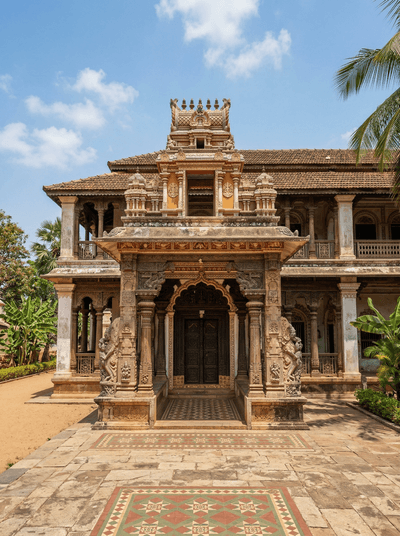
Seventy-three villages hiding mansions built with Burmese teak, Italian marble, and immense spice wealth.
San Miguel de Allende
Mexico
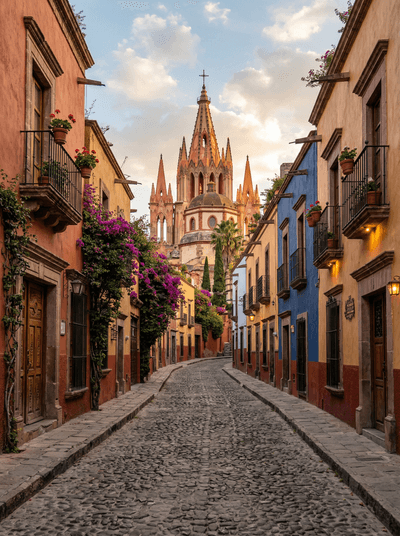
Colonial light turns pink at dusk, every doorway hiding an artist's courtyard.
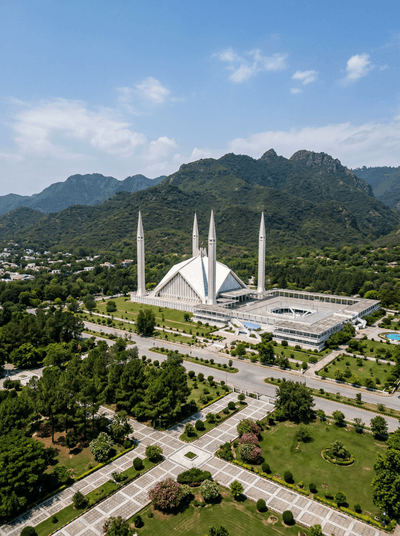
Islamabad
Pakistan
Wild leopards prowl forested hills behind a mosque shaped like a Bedouin tent in white marble.
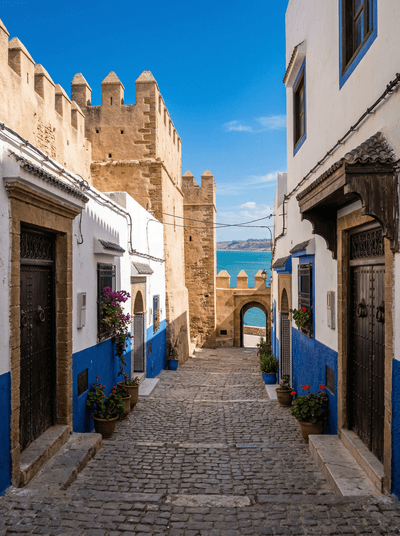
Rabat
Morocco
A forty-four-metre minaret still waits for the mosque that died with its sultan.
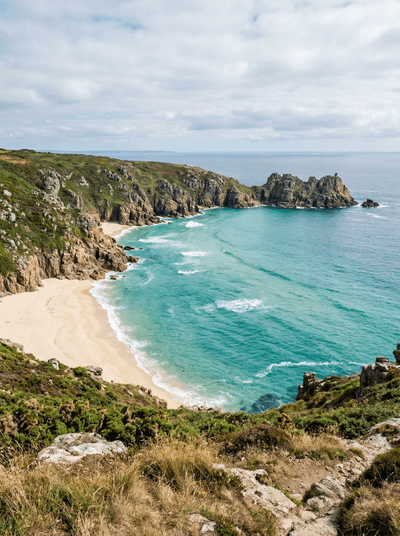
Porthcurno
England
A cliff-top amphitheatre where Shakespeare plays as the Atlantic crashes onto turquoise sand.
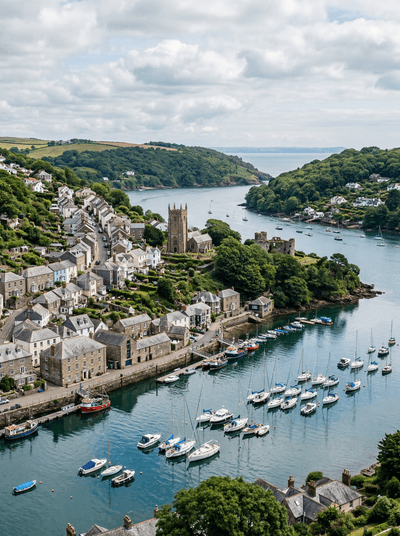
Fowey
England
Daphne du Maurier's estuary, where wooded creeks swallow the sound of the open sea.
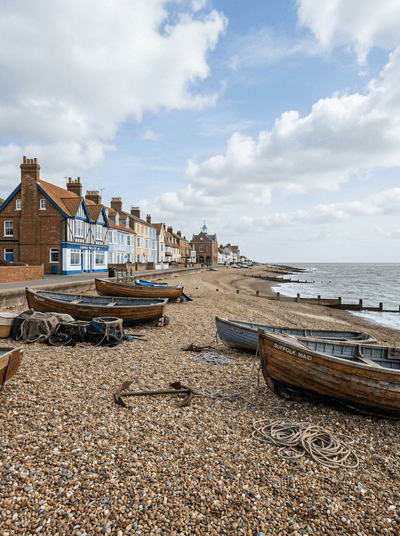
Aldeburgh
England
Salt wind and Britten's music haunting a shingle beach where fishing boats still launch.
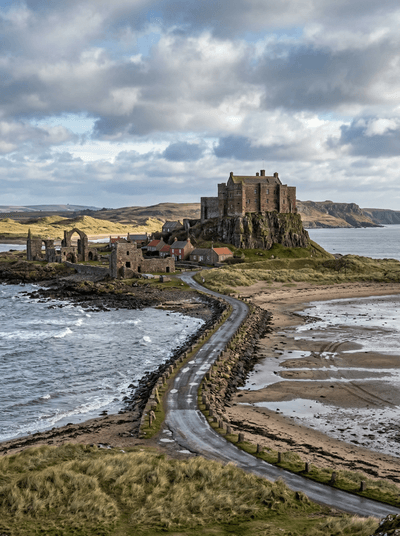
Lindisfarne
England
A tidal island monastery where the causeway drowns twice daily and the tide writes the rules.