United States
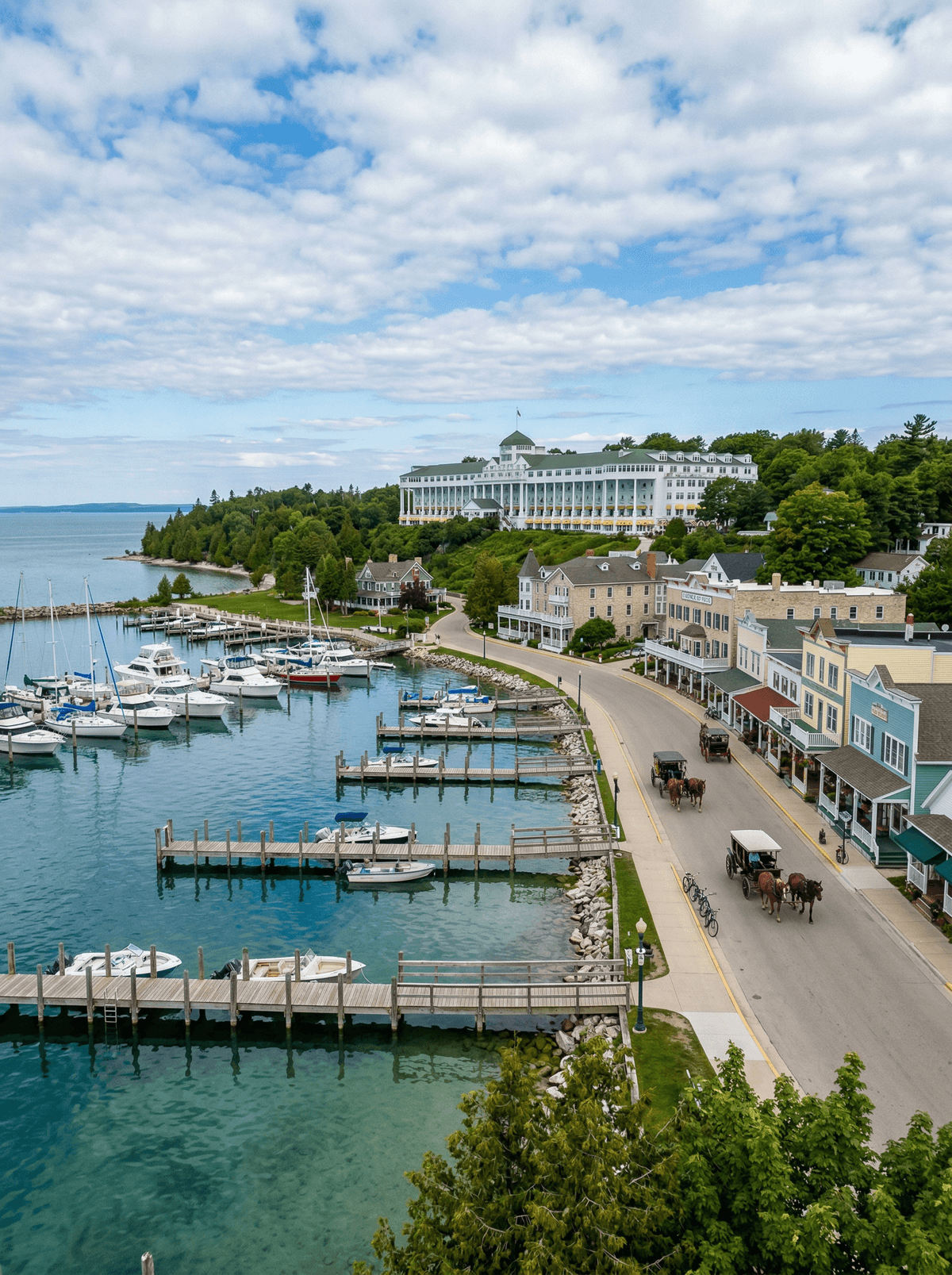
Mackinac Island
No cars since 1898, only horses, bicycles and the smell of fresh fudge.
The ferry engine cuts and you hear the island immediately: hooves on pavement, bicycle bells, the creak of carriage springs. Mackinac banned the motor car in 1898, and the absence registers physically before you step off the dock, chased by warm sugar drifting out of the fudge kitchens.
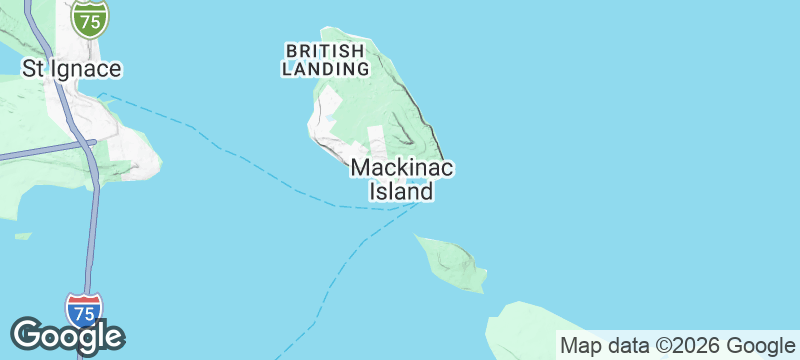
Mackinac Island sits in the strait where Lake Huron meets Lake Michigan, and its streets have been car-free for over a century; the horse is still king here, working the carriages and the drays that deliver everything the ferries land. The island's first candy kitchen opened in 1887, and fudge is still poured and paddled on marble tables set in shop windows as deliberate street theatre. Fort Mackinac, built by the British in 1780 and handed to the Americans in 1796, runs costumed demonstrations inside its limestone walls above the harbour. Most of the island is state parkland, and the shoreline road makes a flat, engine-free circuit of the whole island that anyone can cycle in an afternoon.
Family
Children can cycle the flat shoreline road without meeting a single car, watch the cannon fire at the fort and choose their fudge flavour while it is still on the marble.
Couple
Take the carriage along the shore, dinner overlooking the strait and the evening quiet that arrives when the last day-ferry leaves with the crowds aboard.
- The 1898 motor-vehicle ban still holds, so the island soundtrack is hooves, bicycle bells and lake wind.
- Fudge has been made on marble tables in shop windows since the first candy kitchen opened in 1887, and the smell is part of the arrival.
- Fort Mackinac, built by the British in 1780, stages costumed demonstrations inside its original limestone fortifications.
- The shoreline road circles the entire island without a single motor vehicle, a flat cycle anyone can complete in an afternoon.
Fudge paddled on marble slabs in the shop windows, a street theatre running since 1887.
Great Lakes whitefish, the strait's own catch, headlining island menus from harbour grills to hotel dining rooms.
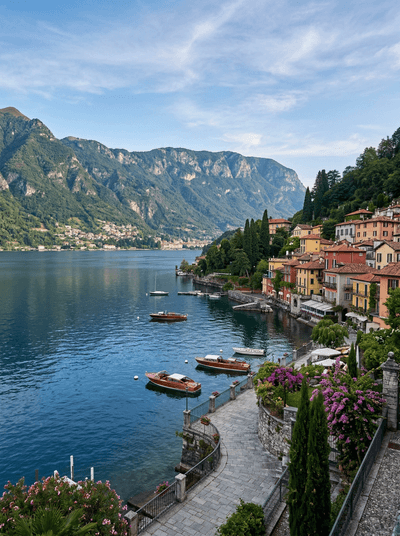
Lake Como
Italy
Cypress-lined shores where the water mirrors snow peaks and cardinals built their pleasure palaces.
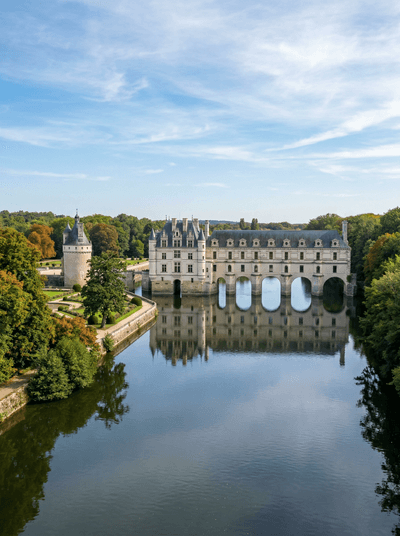
Chenonceau
France
A château arched across a river, built by a king's mistress and finished by his widow.
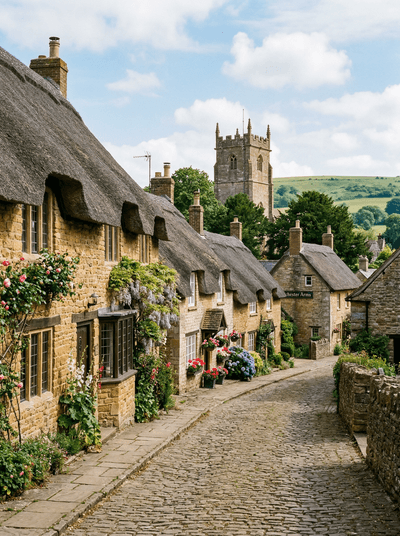
Abbotsbury
England
A swannery where six hundred mute swans nest in reed beds behind the Chesil Bank.
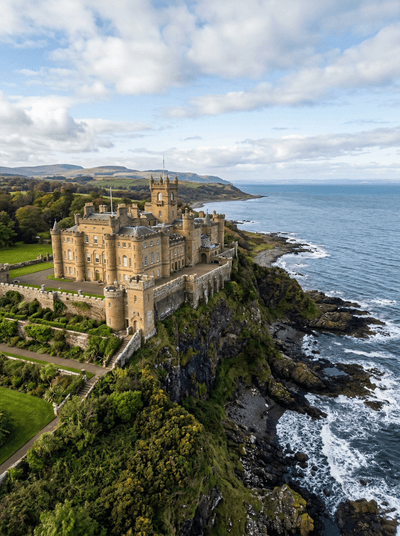
Culzean Castle
Scotland
A clifftop castle where Eisenhower kept an apartment and smugglers' caves riddle the rock below.
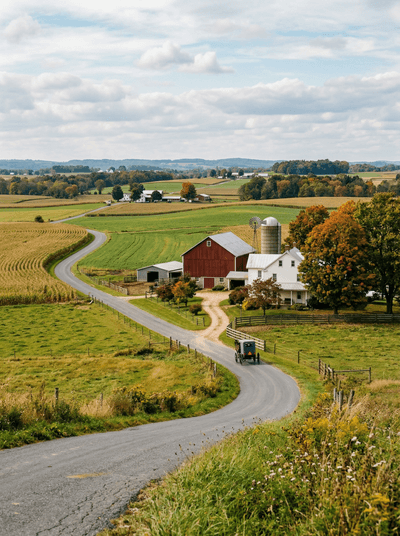
Lancaster County
United States
Horse-drawn buggies, hand-worked fields and no power lines: the current century thins at the county line.
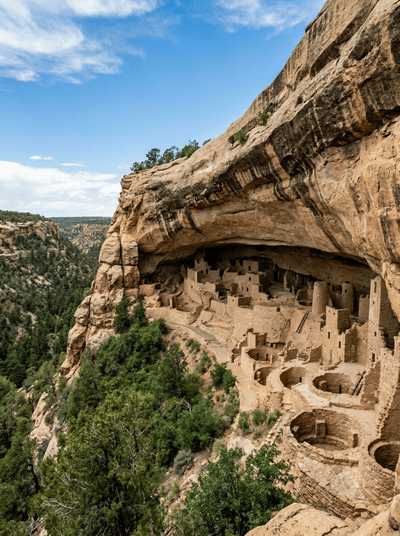
Mesa Verde
United States
Cliff palaces built into alcoves seven centuries ago, then abandoned within a generation.
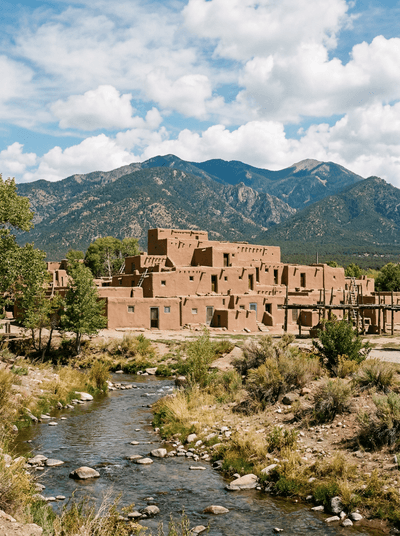
Taos
United States
A thousand-year-old adobe pueblo still inhabited beneath a mountain the Tiwa call sacred.
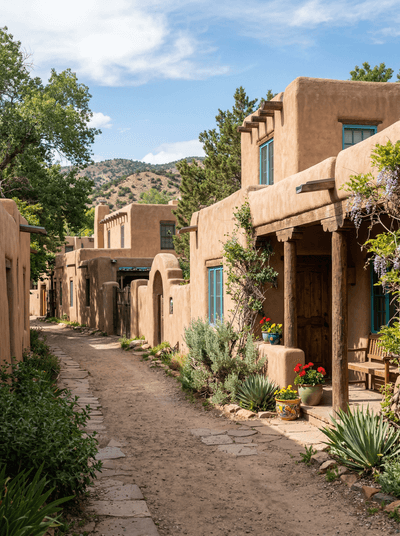
Santa Fe
United States
Adobe walls glow amber at sunset while piñon smoke drifts through the plaza.