Fiji
Makogai Island
Once a leper colony, now a turtle hatchery — giant clams grow where hospital wards stood.
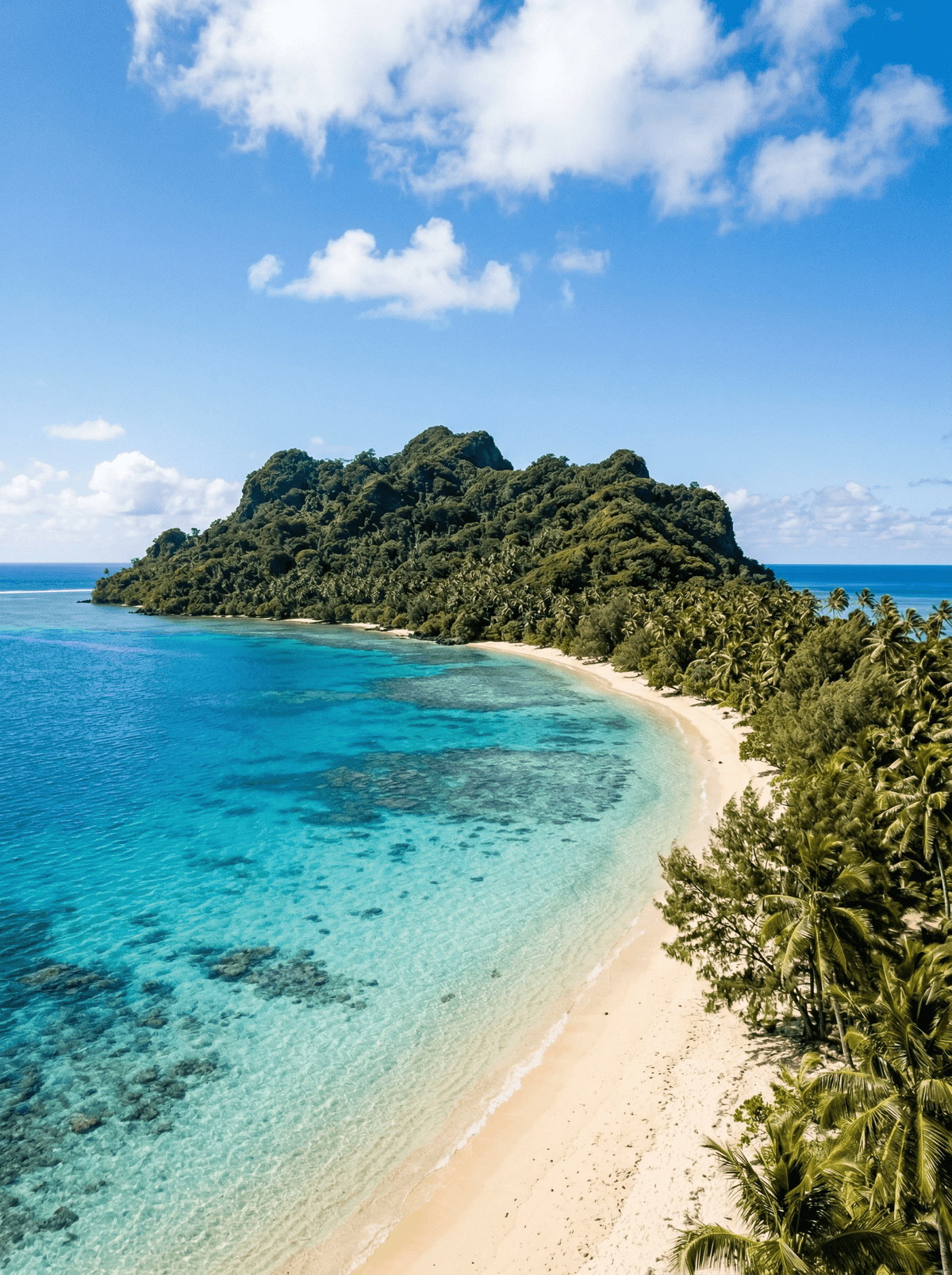
Giant clams pulse in shallow water where hospital wards once stood. Makogai's story is written in ruins and rebirth — crumbling colonial walls softened by frangipani, a cemetery shaded by breadfruit trees, and on the beach below, turtle hatchlings scrabbling toward the surf. The leper colony closed in 1969. The island's second life began when Fiji's Fisheries Department arrived, turning isolation into sanctuary.
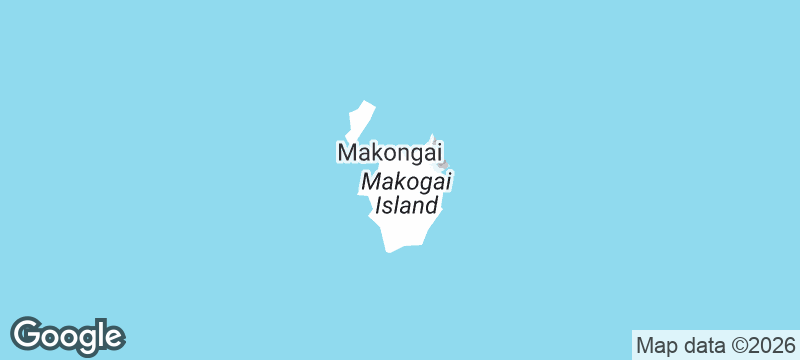
Makogai lies in the Lomaiviti Group, a short boat ride from Levuka on Ovalau. From 1911 to 1969, it served as Fiji's principal leper colony, housing patients from across the Pacific. The colonial-era infrastructure — stone hospital buildings, a chapel, administrative quarters, and a cemetery with headstones bearing names from Fiji, Tonga, Samoa, and the Gilbert Islands — remains partially intact among the island's coconut groves. Since the colony's closure, the Fiji Ministry of Fisheries has operated a marine research station focused on giant clam aquaculture and sea turtle conservation. The island's beaches serve as protected nesting sites for hawksbill and green turtles, with hatchling releases conducted during the November-to-March nesting season. The giant clam nursery cultivates several Tridacna species for reef restoration projects across Fiji. There is no tourist accommodation; visits are arranged through Levuka-based operators or by private yacht, with permission from the fisheries station.
Solo
A haunting solo exploration where colonial ruins meet marine conservation — the kind of place that reshapes how you think about islands and isolation.
Couple
Walk the leper colony ruins together, then watch turtle hatchlings reach the sea — Makogai delivers an emotional arc no resort can manufacture.
Family
Children old enough to understand the island's history will find the turtle hatchery unforgettable — conservation made tangible on a beach with a story.
Friends
A boat trip from Levuka that delivers something no one expects — clam nurseries in hospital ruins, turtles on memorial beaches, and a story worth retelling.
- The island served as Fiji's principal leper colony from 1911 to 1969 — stone hospital buildings, a chapel, and a cemetery with Pacific-wide headstones remain intact among coconut groves.
- The Fiji Fisheries Department now runs a marine conservation station here, with giant clam aquaculture and a sea turtle hatchery programme.
- Turtle nesting takes place on Makogai's beaches between November and March; the hatchery releases hawksbill and green turtle hatchlings during this period.
- Visits are arranged through Levuka-based operators — a boat trip from Ovalau, with prior clearance from the fisheries station.
Basic island provisions — coconut, taro, and reef fish grilled over open flame by fisheries staff.
Visiting yachties and researchers share rourou and dalo with curried fish, the island's only communal meal.
Hideaway Island
Vanuatu
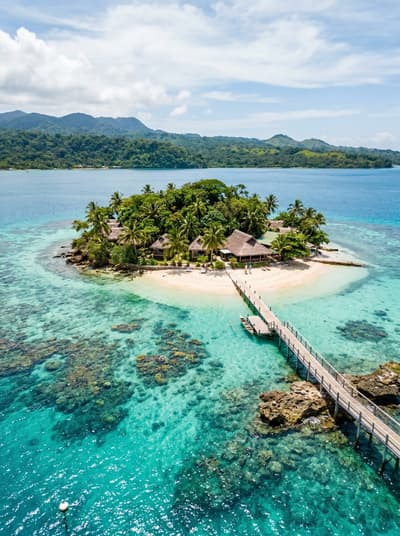
Post a waterproof postcard from the world's only underwater post office, then snorkel its coral reef.
Ureparapara
Vanuatu
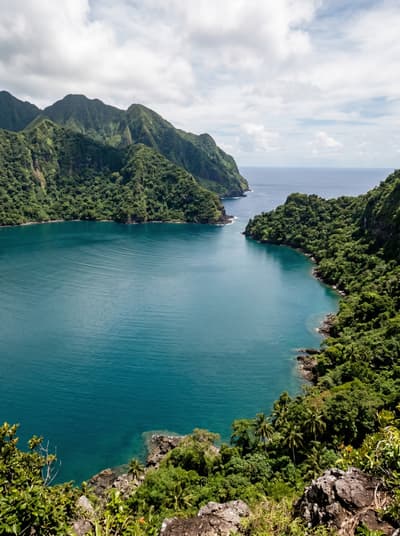
Sail into the flooded crater of a horseshoe-shaped volcanic island where fewer than 500 people remain.
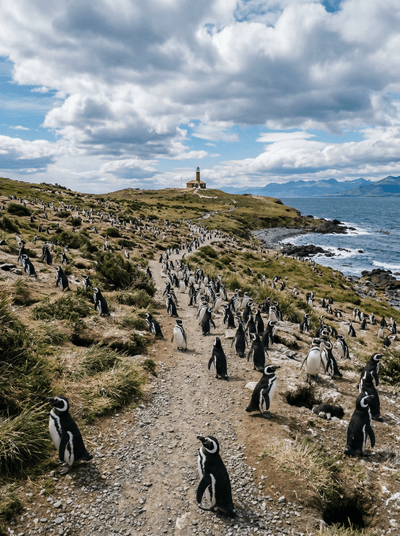
Isla Magdalena
Chile
Magellanic penguins in their tens of thousands, nesting so close you walk through their colony.
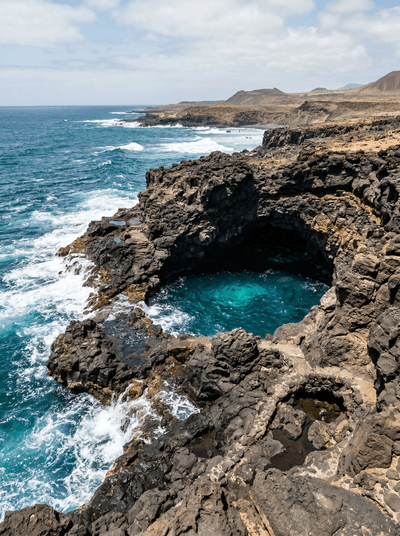
Buracona
Cape Verde
At midday, sunlight plunges through volcanic rock and ignites an underwater cave into electric blue.
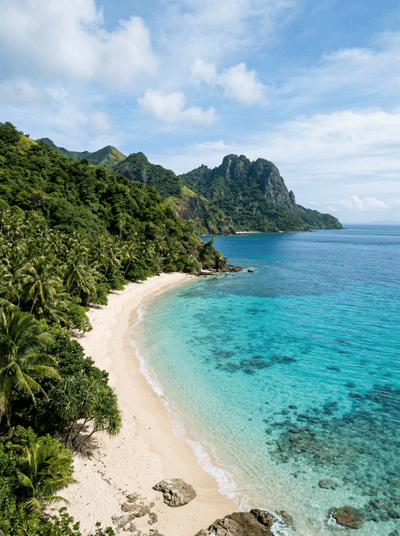
Yasawa Islands
Fiji
Volcanic spines pierce the Pacific, each island a different shade of turquoise solitude.
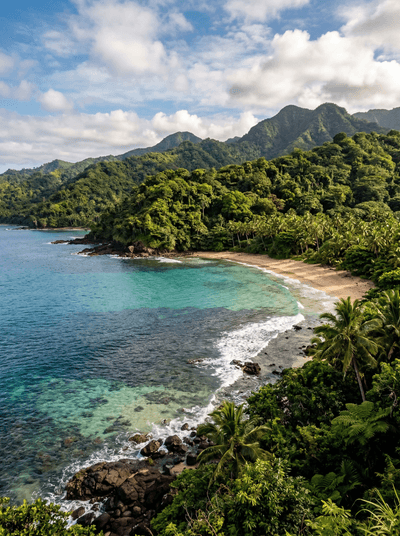
Taveuni
Fiji
The 180th meridian slices through this rainforest island, splitting today from yesterday underfoot.
Suva
Fiji
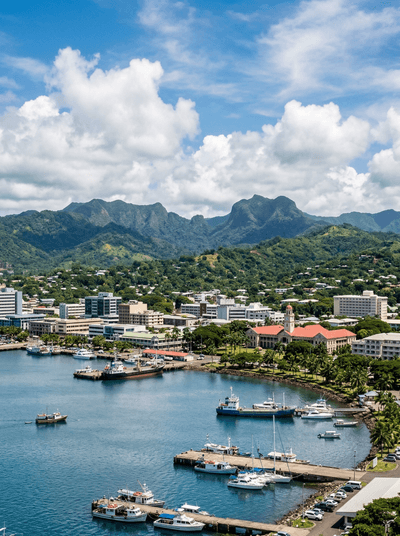
South Pacific hustle where Hindi temples share streets with Fijian markets and colonial verandahs.
Levuka
Fiji
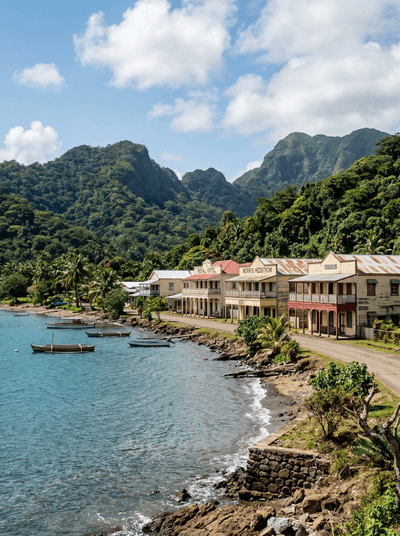
Fiji's first colonial capital frozen in the 1870s, wooden shopfronts sagging under tropical rain.