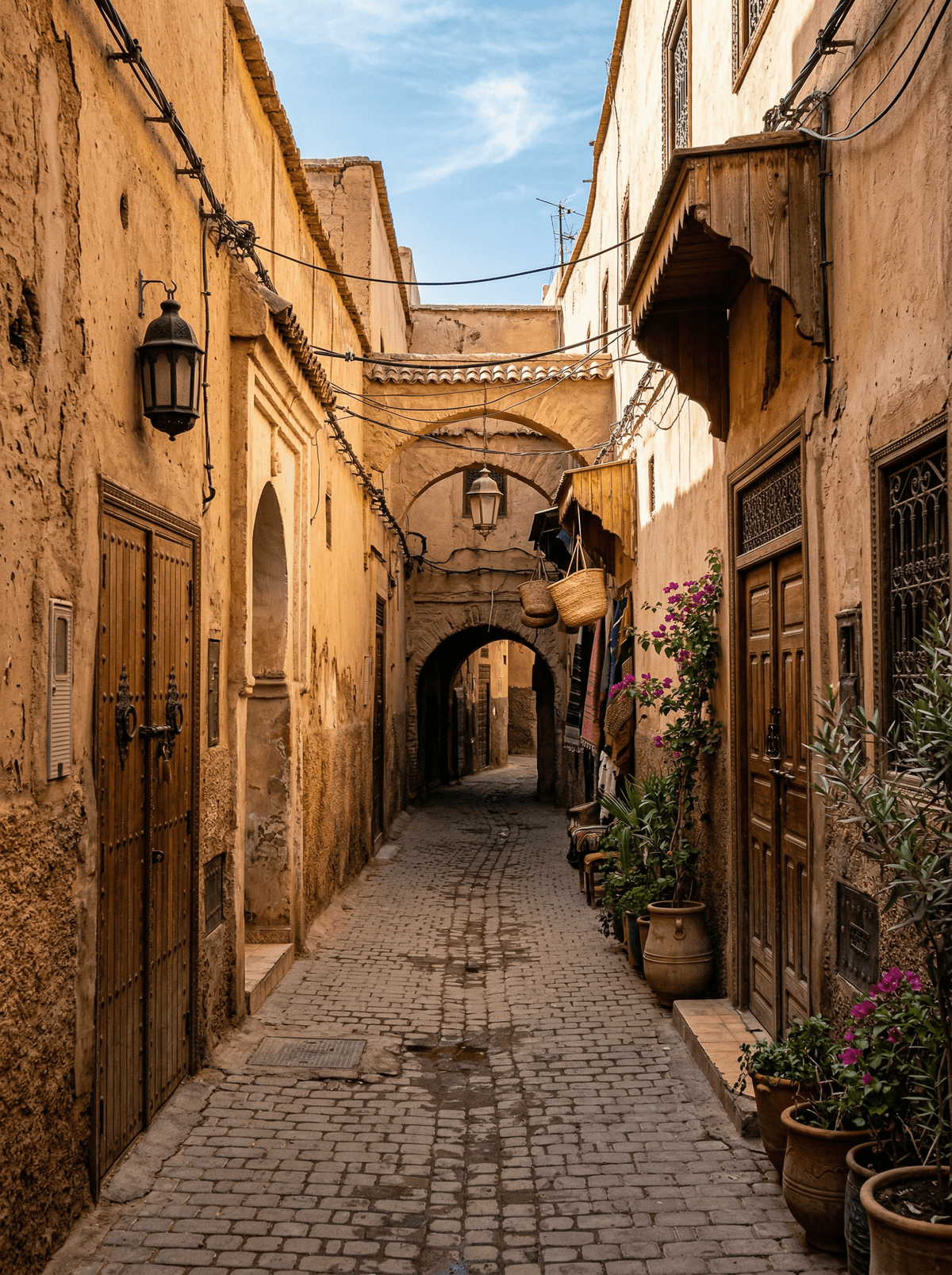
Morocco
Marrakech
Smoke climbs above Jemaa el-Fna as storytellers, drums and twelve thousand suppers take the square.
Smoke gathers above Jemaa el-Fna after dark, carrying grilled meat, cumin and hot metal from the braziers. Storytellers pull circles tight around them while Gnaoua rhythms and senthir strings travel between stalls serving close to twelve thousand meals a day. Step through any arch at the square's edge and the noise narrows into lanes of cedar, leather, scooters and half-seen courtyards.
Marrakech grew around this trading ground in the eleventh century, and the square still behaves as the medina's public room, alive beyond preservation. Its performers improvise old stories for new crowds, a living practice UNESCO says is threatened by the tourism that also sustains it. Beyond the square, Saadian stonework, the Bahia Palace and Ben Youssef Madrasa lead into working souks, while Dar El Bacha opens an orange-tree courtyard onto zellige, carved wood and chiselled plaster. The 2023 Al Haouz earthquake damaged historic fabric across the city, adding another chapter of repair to a medina that has always been rebuilt from within.
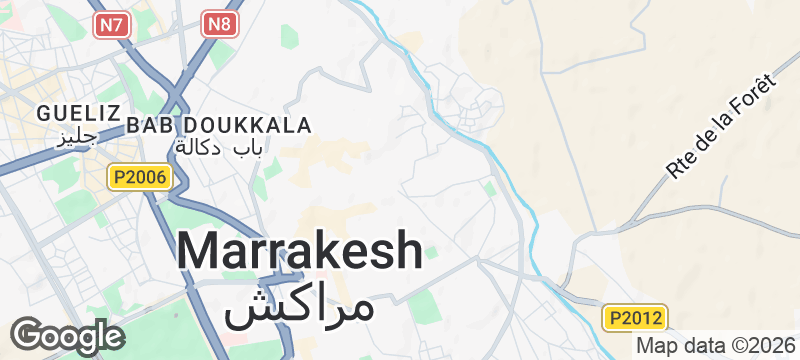
Solo
Walk the medina early enough to learn its shape before the square fills, then come back after dark and take one of the shared benches at the food stalls. A porter or shopkeeper is a better source of directions than anyone who appears from nowhere offering to guide you.
Couple
Choose a riad within the walls so the courtyard becomes the quiet half of the day and Jemaa el-Fna the loud one. Dar El Bacha and Bahia Palace give you two different scales of domestic architecture before a rooftop supper above the medina.
Friends
Split the evening across several stalls and save the long dinner for another night, then compare what each of you found in the souks while the square is still going. Order tangia where the clay jar and slow cooking are part of the story, not merely a name on a menu.
- Jemaa el-Fna remains a daily meeting place for storytellers, poets, Amazigh musicians, Gnaoua dancers and senthir players, continuing well into the night.
- The medina layers the Koutoubia, Saadian Tombs, Ben Youssef Madrasa and Bahia Palace between souks where walking is still the practical way through.
- Dar El Bacha is both a working museum and a riad-scale palace, with orange trees, fountains, zellige and carved cedar around its central court.
- Close to twelve thousand meals pass across the square's evening stalls each day, with the grills working in full view of the benches.
Tangia Marrakchia, lamb or beef sealed with preserved lemon and spices in a clay jar, then left to soften in the hammam furnace's ash.
Brochettes straight from the Jemaa el-Fna braziers, eaten on a wooden bench while smoke turns the whole square into the dining room.
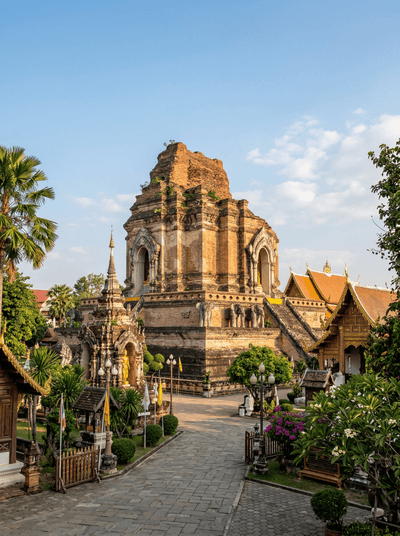
Chiang Mai
Thailand
Monks in saffron robes walking barefoot past tattooed expats and ancient brick chedis at dawn.
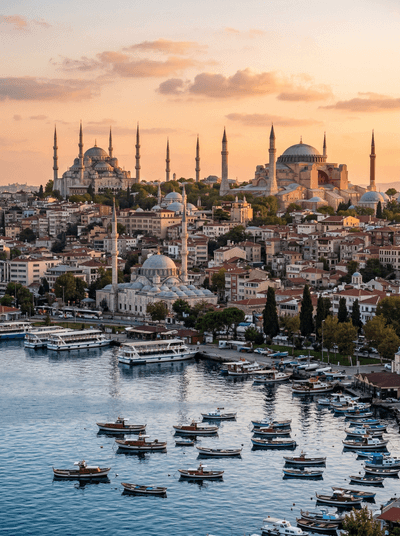
Istanbul
Turkey
Minarets and cargo ships share a waterway where two continents nearly touch.
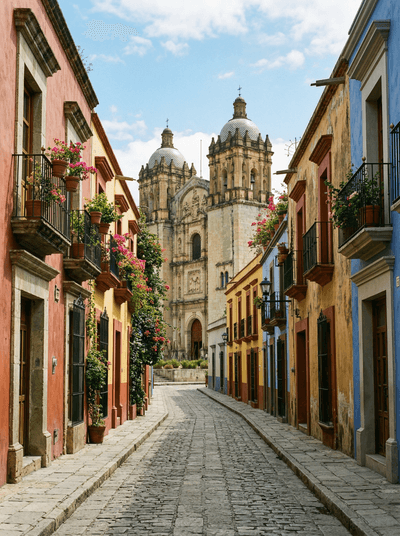
Oaxaca City
Mexico
Seven moles simmer in a city where every wall is an altar to colour.
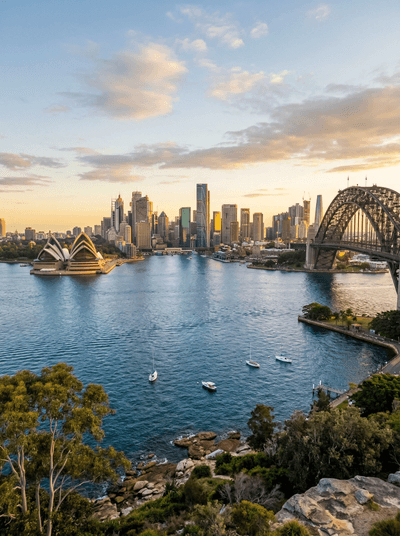
Sydney
Australia
Ferries carve blue water between surf beaches and opera sails as cockatoos screech overhead.
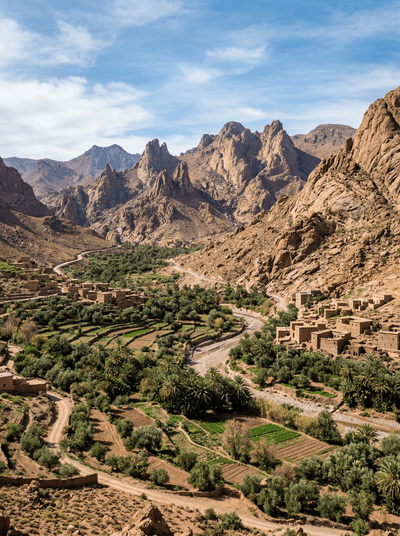
Ameln Valley
Morocco
Ochre villages disappear into Jbel Lekst while almond blossom clouds the valley floor.
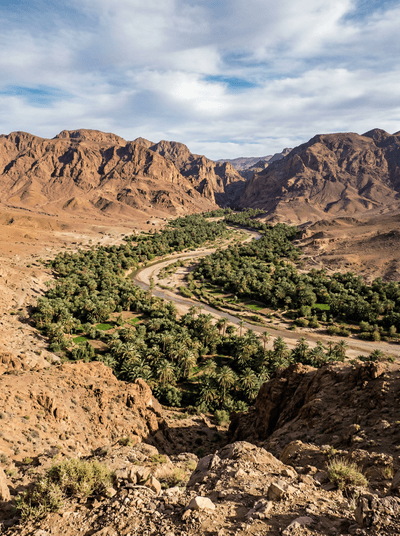
Draa Valley
Morocco
Two and a half million date palms carry a green river towards the Sahara.
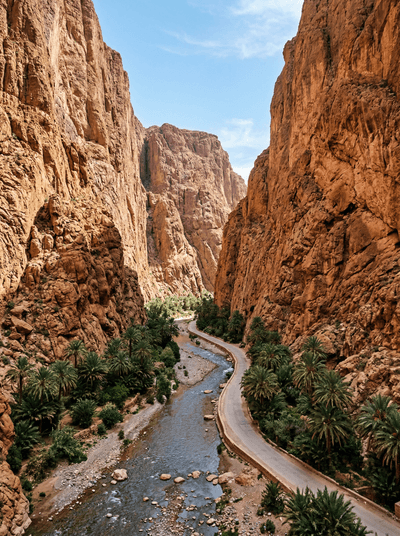
Todra Gorge
Morocco
A river and one walker squeeze through three hundred metres of orange limestone.
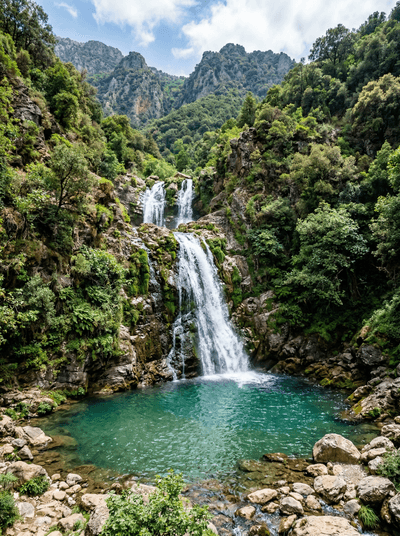
Akchour Waterfalls
Morocco
A rock arch twenty-five metres over the river, and the village crosses it daily.