Tanzania
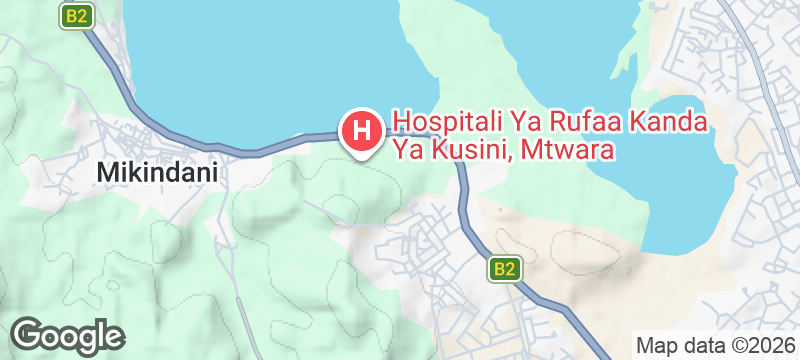
Mikindani
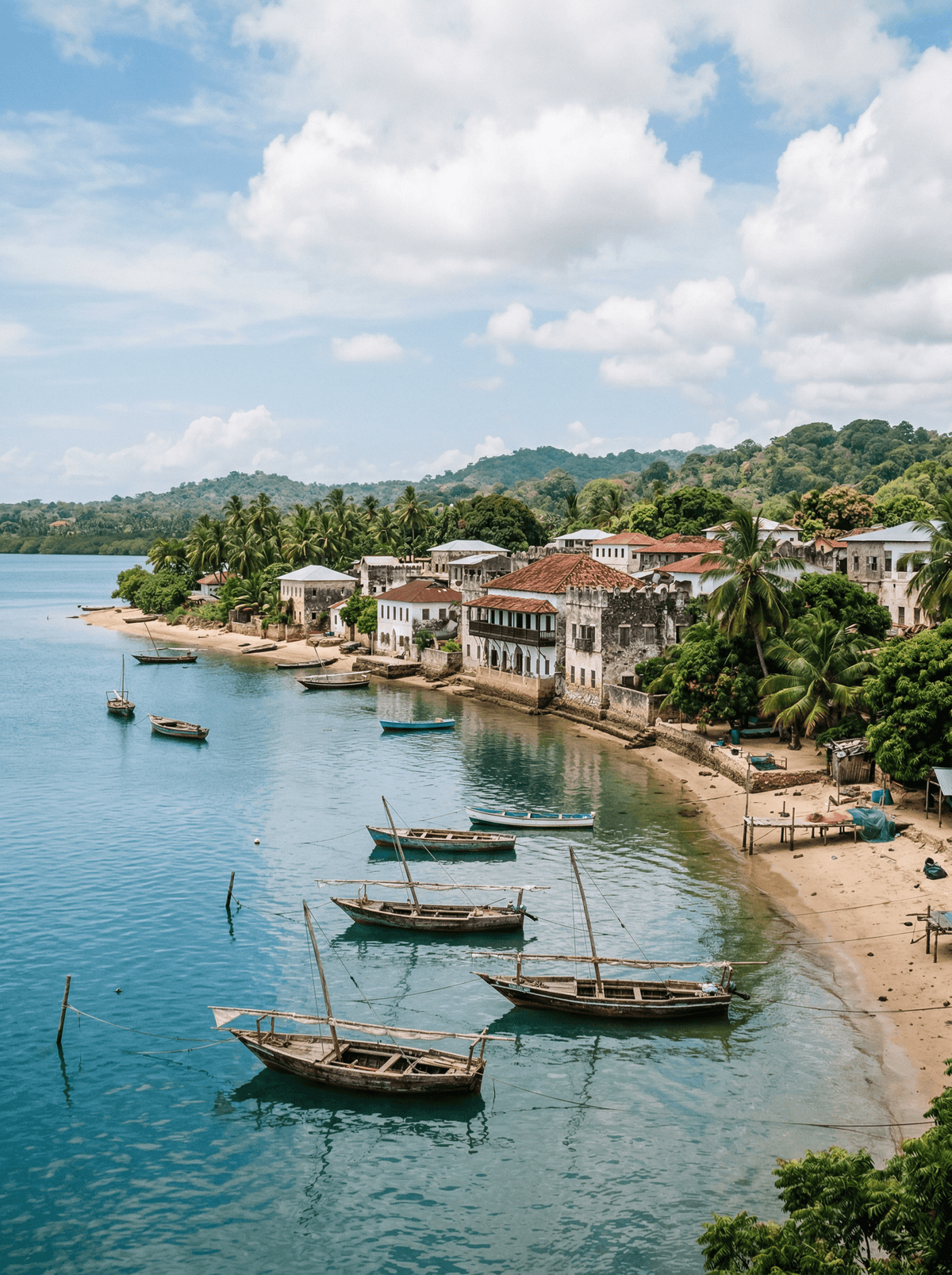
Livingstone sailed from this coral-stone harbour on his final expedition.
The harbour still shelters dhows, the coral mansions still lean into their decay, and Livingstone left from here on his last expedition in 1866. Mikindani is the south coast's layered survivor.
Mikindani has traded from its natural harbour since the tenth century, exporting ivory, sesame and enslaved people across the Indian Ocean, and its coral-rag architecture survives in states of elegant decay around the restored German boma. Livingstone departed from here on his final expedition in 1866. The daily fish market works the harbour, the protected bay suits boats and snorkelling year-round, and the Old Boma's poolside kitchen cooks Swahili fusion above the town.
Solo
Solo heritage travellers can use a guide to connect Mikindani’s harbour with trade, administration and resistance.
Couple
Couples can enjoy the bay and restored Boma while resisting a simplified romantic-port narrative.
- The port has traded from this harbour since the tenth century.
- Livingstone left from here on his final expedition in 1866.
- The restored German boma crowns the coral-rag old town.
- The bay's daily fish market still sets the town's rhythm.
The Old Boma's poolside kitchen cooks Swahili fusion, East African spice on Western plates.
The harbour's daily fish market decides what the town eats.
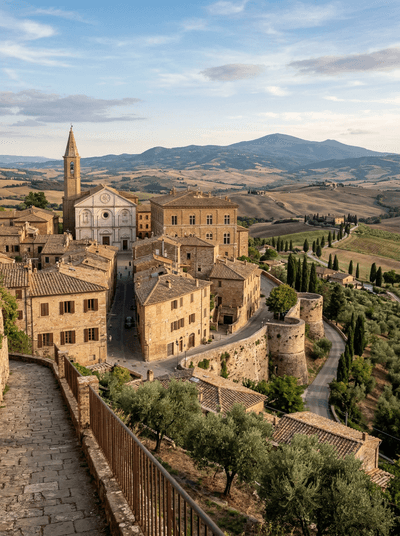
Pienza
Italy
A pope rebuilt his birthplace as an ideal Renaissance city, five streets and one flawless piazza.
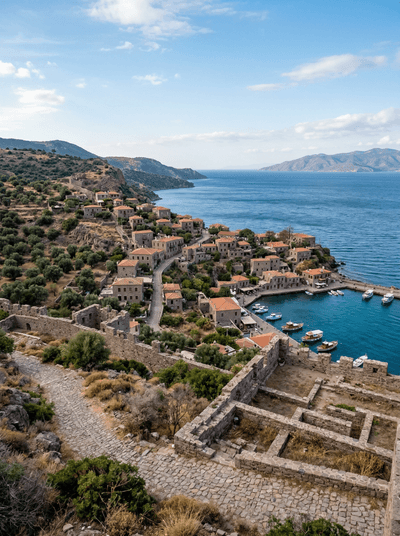
Assos
Turkey
A temple of Athena perches on volcanic rock above the Aegean, Lesbos shimmering on the horizon.
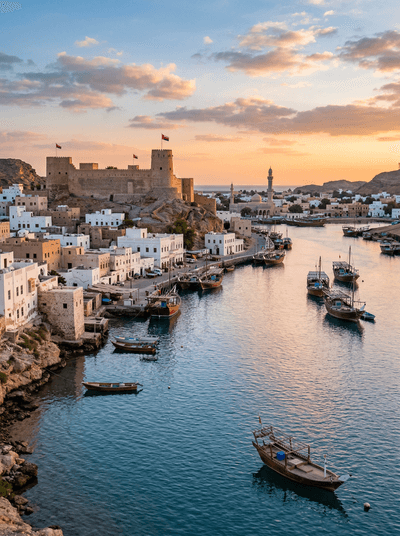
Sur
Oman
Dhow ribs curve beside a lagoon where Oman's seafaring craft still has a workshop.
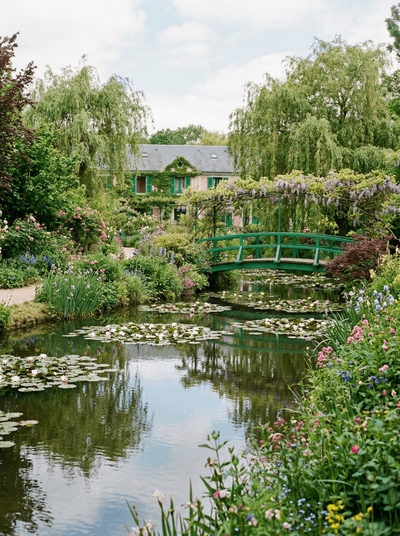
Giverny
France
Water lilies floating on the exact pond Monet painted until his eyes failed him.
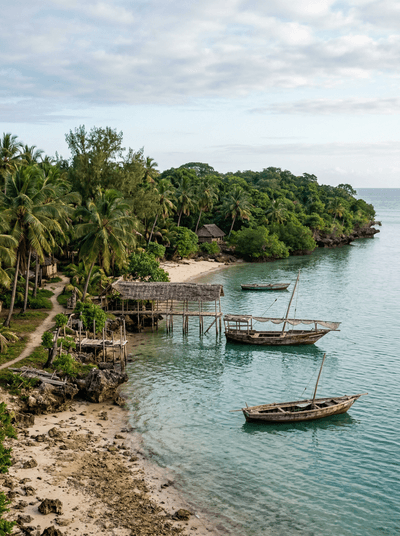
Chole Island
Tanzania
Banyan roots strangle abandoned merchant houses the forest never gave back.
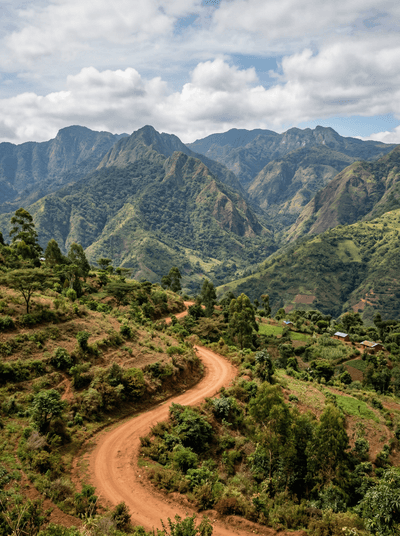
Pare Mountains
Tanzania
Irrigation channels cut centuries ago still water the terraces below.
Pemba Island
Tanzania
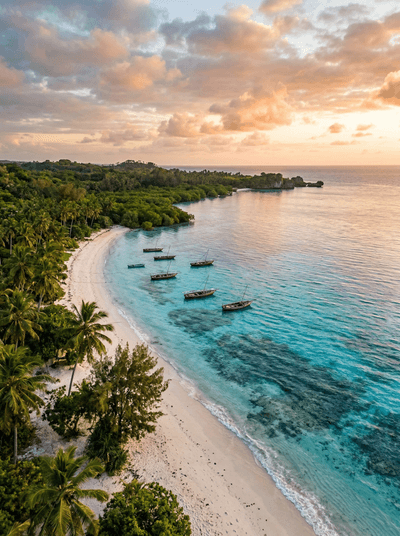
Clove hills drop to a channel 800 metres deep, and the wall dives start at shore.
Matema Beach
Tanzania
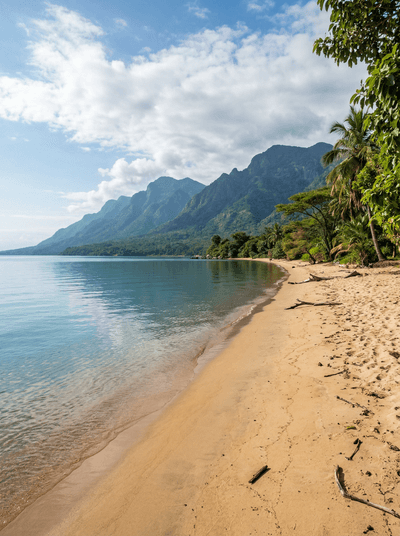
Mountains fall into a freshwater lake that snorkels like a sea without salt.