Portugal
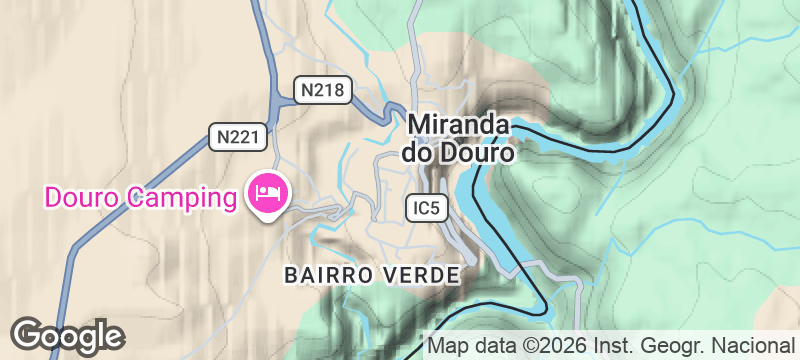
Miranda do Douro
A Mirandese-speaking canyon town whose stick dances carry rituals older than the nation.
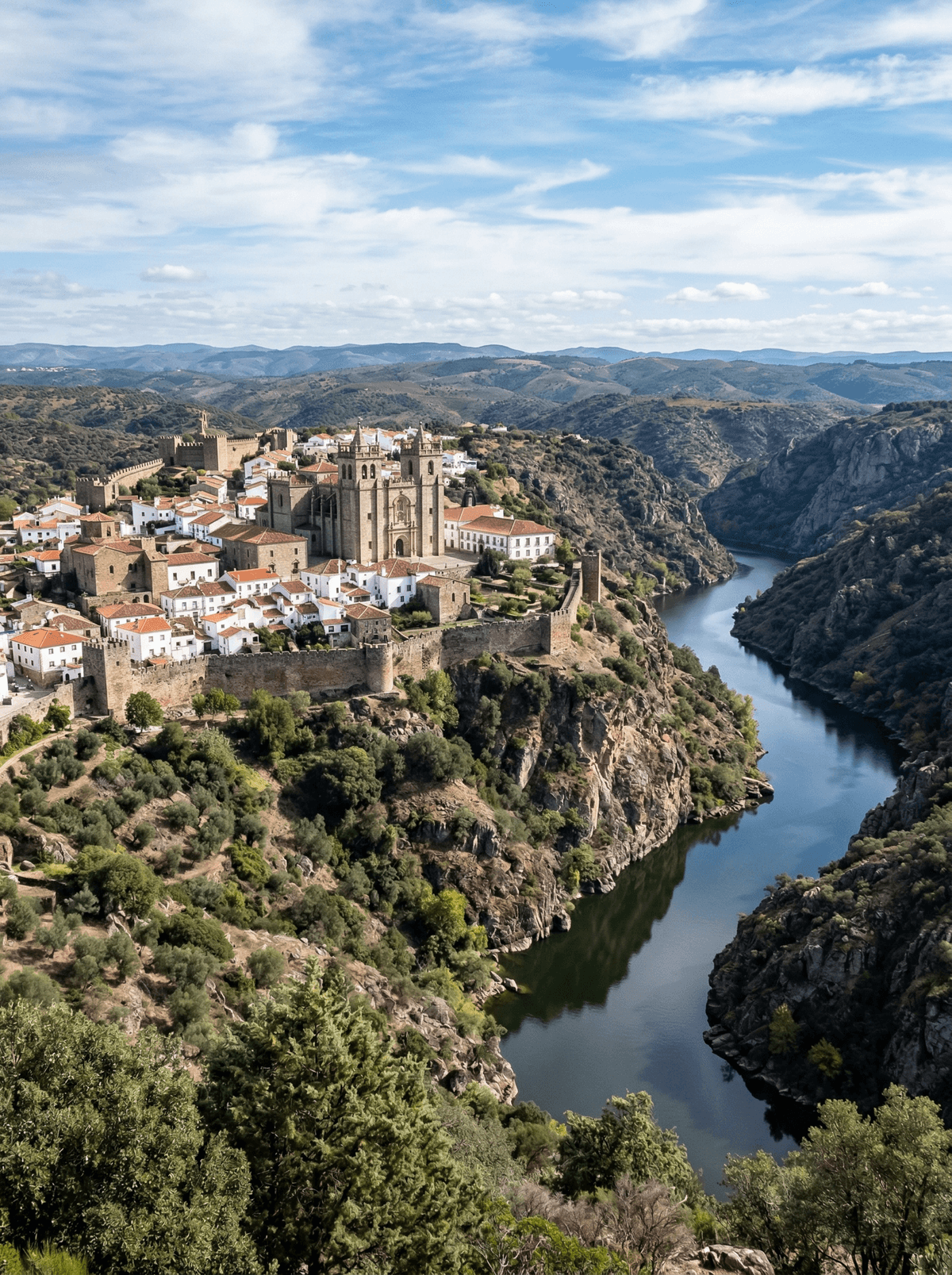
The Pauliteiros' stick rhythm is older than the Portuguese language itself, wooden staves cracking in patterns nobody wrote down because nobody needed to. Mirandese — not a dialect, a language — lives in the streets, on shop signs and in the cathedral. Miranda do Douro is where the nation's edge becomes its own culture.
Miranda do Douro stands at the lip of the Douro Internacional gorge in Trás-os-Montes, cultural capital of the Mirandese-speaking community — a Romance language distinct from Portuguese, officially recognised since 1999 and spoken by some ten thousand people. The Pauliteiros de Miranda keep a stick choreography that may trace to pre-Christian shepherd rites, danced in kilts and flower-decked hats — a living tradition, not a show staged for visitors. The sixteenth-century cathedral anchors the fortified old town — its beloved Baby Jesus statue dressed and re-dressed by generations of devotees — and the rim promenade drops the eye straight into the gorge, griffon vultures wheeling below eye level. The surrounding villages send handwoven textiles, copper craft and Mirandesa veal to the town's tables.
Solo
A deep-culture destination — language, stick dances, canyon, food — that solo travellers can sit with unhurried. The remoteness filters out casual visitors and rewards genuine curiosity.
- Mirandese is an officially recognised language of its own, alive in this canyon region.
- The Pauliteiros' stick dances carry choreography that may predate Christianity here.
- The cathedral's Baby Jesus has been dressed and re-dressed by generations of devotees.
- The rim viewpoint drops sheer to the river — the widest gorge prospect in the region.
Posta mirandesa — a slab of local veal off the charcoal, served on hot stone.
Alheira with fried egg — the Trás-os-Montes breakfast that lasts until sundown.
Rissani
Morocco
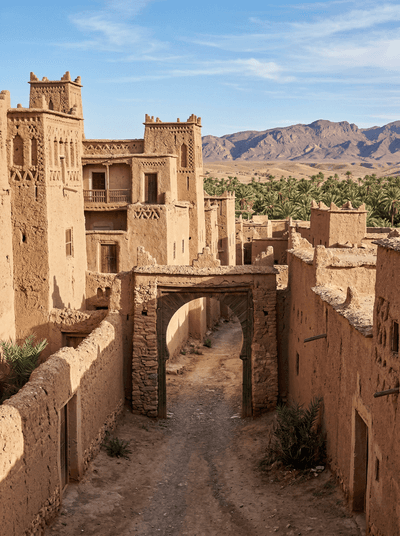
Date crates, donkey carts and ironwork crowd a market beside medieval Sijilmassa's ruins.
Iringa
Tanzania
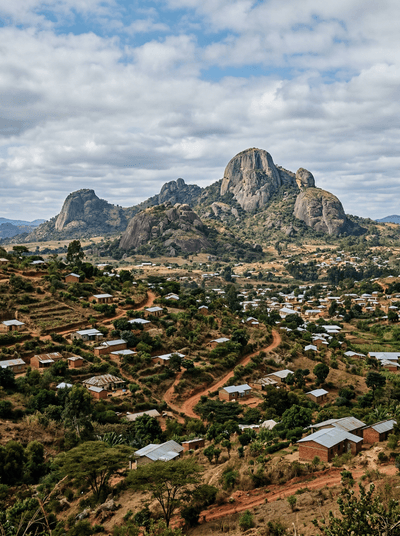
The chief who defied an empire got his skull back in 1954; his town remembers.
Chanthaburi
Thailand
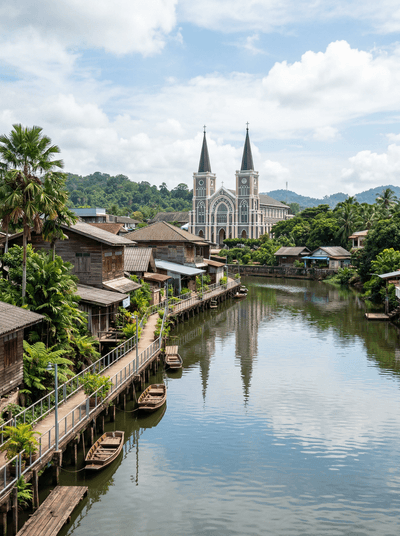
A riverside gem market where sapphires are traded on folding tables outside a French cathedral.
Sidhpur
India
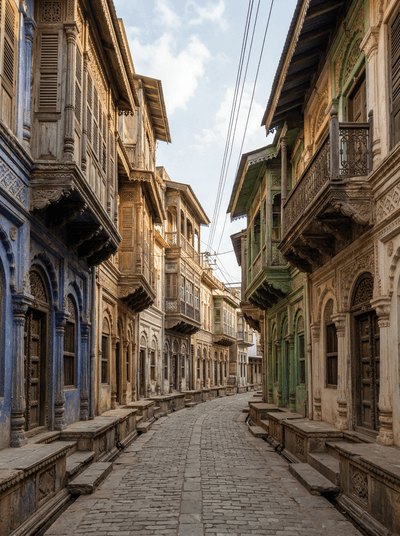
Empty streets lined with pastel European mansions built by a globe-trading merchant community.
Castro Verde
Portugal
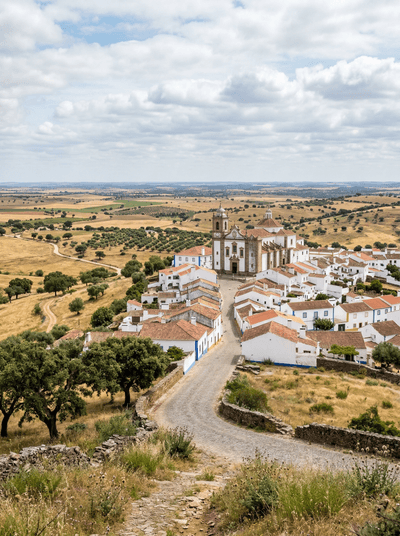
Treeless steppe that Europe's heaviest flying birds call home — older than farming's changes.
Corvo
Portugal
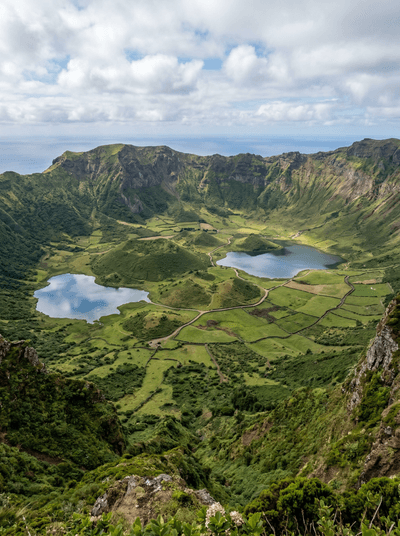
Europe's smallest municipality — one village, one crater lake, the end of everything.
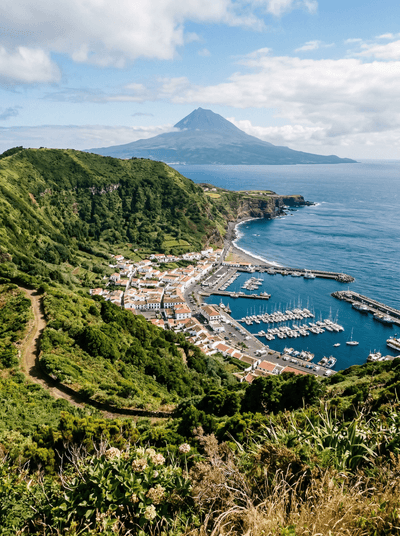
Faial
Portugal
Transatlantic sailors paint crew crests on the harbour walls — decades of voyages in pigment.
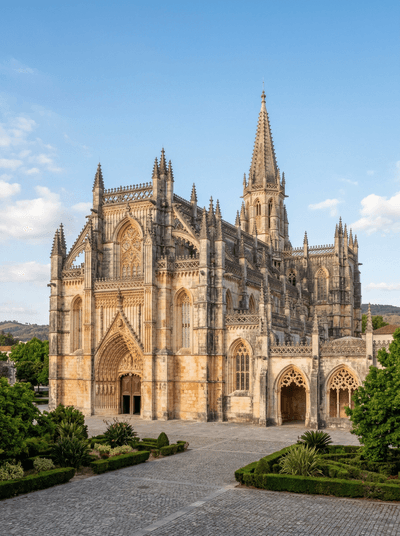
Batalha
Portugal
Gothic tracery framing open sky where the roof should be — unfinished for six centuries.