South Africa
Namaqualand
A semi-desert dead for eleven months detonates each August into the world's largest wildflower bloom.
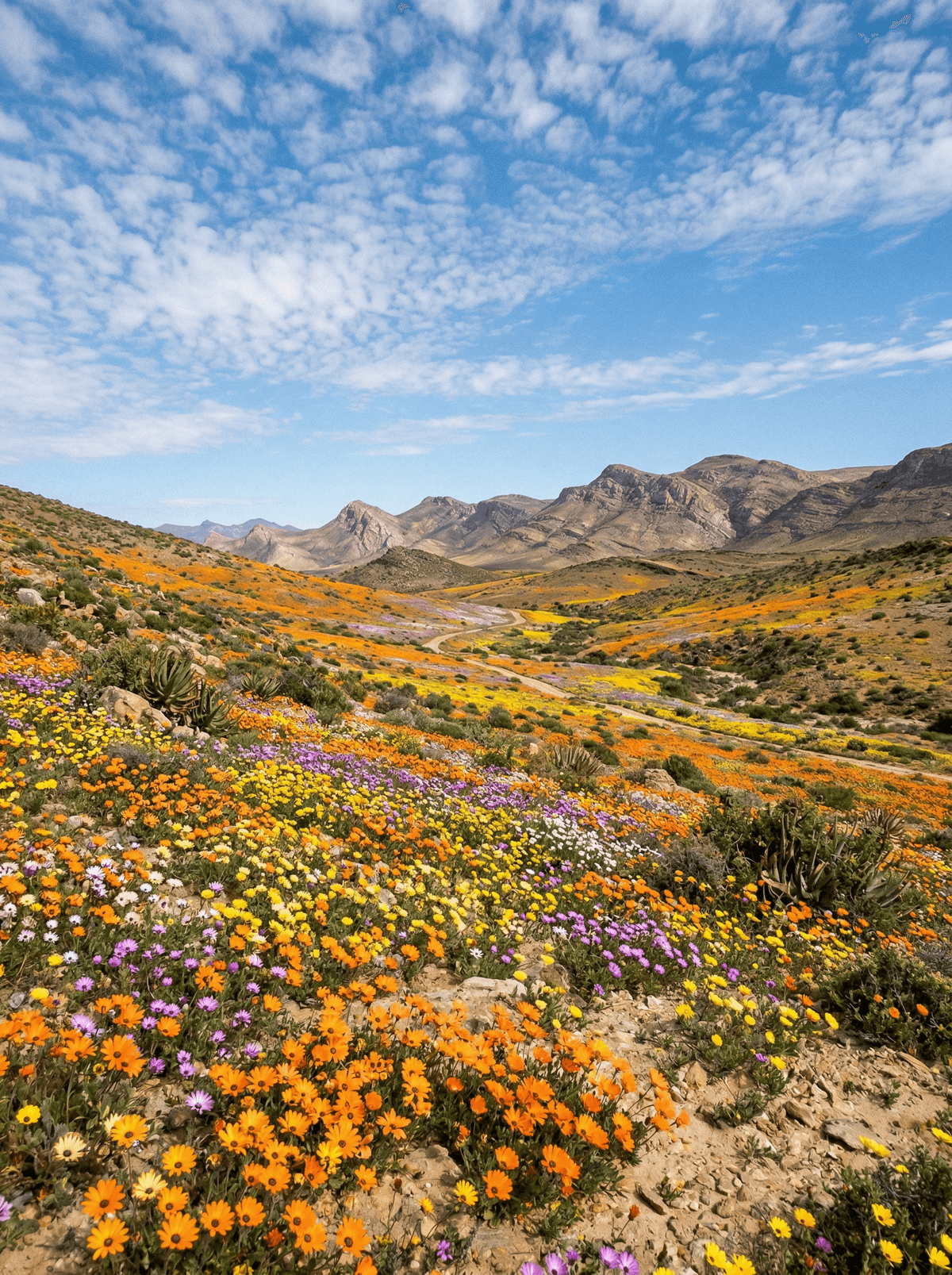
For eleven months, the ground is bare. Brown, cracked, silent. Then August arrives, and 15,000 square kilometres of semi-desert detonates into colour. Daisies, vygies, and gazanias carpet the earth so densely the flowers touch. The air hums with insects. Namaqualand's wildflower season lasts weeks, not months — and it waits for no one.
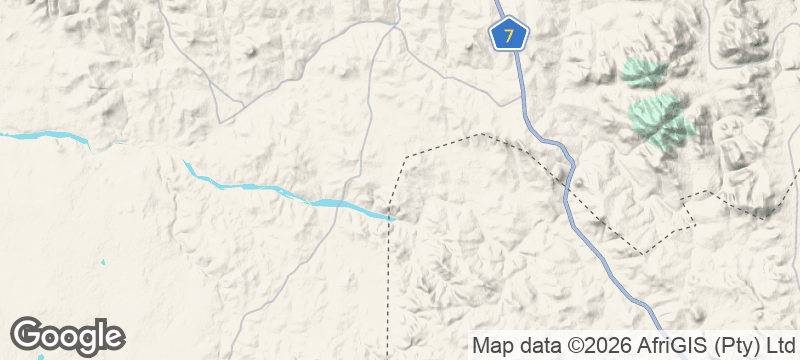
Namaqualand is a semi-arid region spanning the Northern Cape of South Africa, where the world's largest wildflower bloom erupts annually between August and September. The flowers open only in direct sunlight and track it through the day — an overcast morning produces no bloom at all, making the experience entirely weather-dependent. Kamieskroon and Springbok serve as base towns, with rangers at the local tourist offices directing visitors each morning to that day's peak areas on surrounding farms. The bloom draws butterflies, bees, and sunbirds in densities that produce an audible hum across the flower fields on still, warm mornings. Beyond the season, the Kamiesberg and its farm stalls — dried fruit, rooibos, naartjie marmalade — offer a quieter encounter with a landscape shaped by Namaqualand families who have farmed here for generations.
Solo
Driving the farm roads between Springbok and Kamieskroon during bloom, following the ranger's morning briefing to that day's densest fields, is a pilgrimage that rewards flexibility and early starts.
Couple
Walking together through flower fields that hum with bees and sunbirds — carpets of colour stretching to the horizon — is one of the natural world's most ephemeral shared experiences. It lasts days, not weeks.
Family
The bloom is visually overwhelming enough to hold any child's attention, and the farm stalls between flower stops provide breaks. The experience is entirely outdoors, entirely free, and unlike anything a classroom can replicate.
- The wildflower season peaks from August to September when carpets of daisies, vygies, and gazanias cover 15,000 square kilometres of semi-desert in a single week.
- The flowers open only in direct sunlight and track it throughout the day — overcast days produce no bloom, so the experience depends entirely on clear sky.
- Kamieskroon and Springbok serve as base camps for day trips to farms where ground coverage is densest — rangers at the tourist office direct visitors to that morning's peak areas.
- The bloom draws butterflies, bees, and sunbirds in densities that produce an audible hum across the flower fields on still, warm mornings.
Springbok pie from Springbok's Trekkers Rest — flaky pastry, local game, and directions to the best flower fields.
Kamiesberg farm stalls sell dried fruit, rooibos, and naartjie marmalade made by families who've farmed here for generations.
Trollskogen (Öland)
Sweden
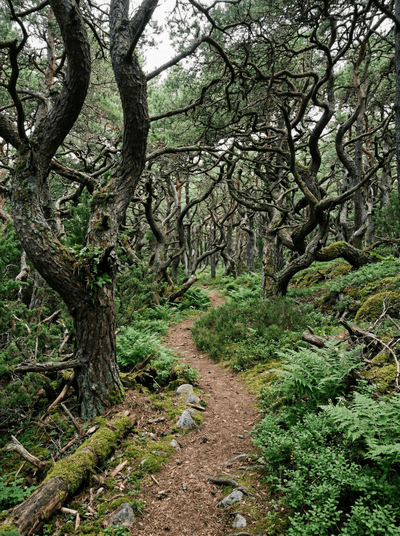
A forest of wind-warped oaks so twisted they look like a witch's spell gone wrong.
Millennium Cave
Vanuatu
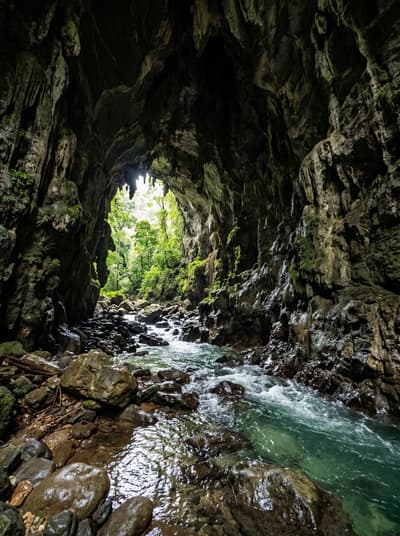
Scramble through jungle and wade chest-deep rivers to a cave you enter walking and exit floating.
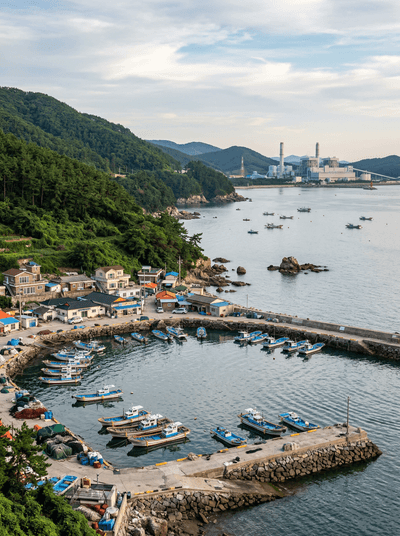
Maryang-ri
South Korea
A five-hundred-year-old forest of camellia trees bleeding red flowers against the grey winter sea.
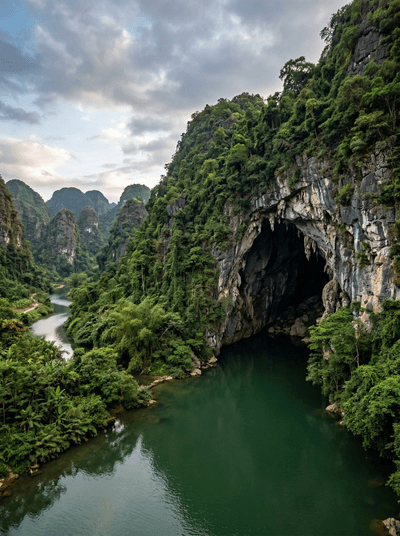
Phong Nha
Vietnam
Hidden jungle portals opening into subterranean river systems and limestone caverns.
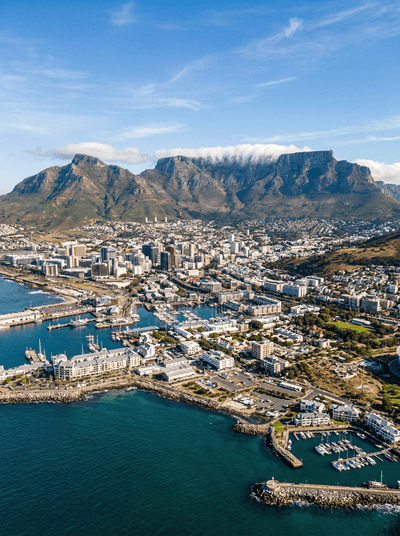
Cape Town
South Africa
Dawn light crowns a flat-topped mountain while penguins waddle the southern shore below.
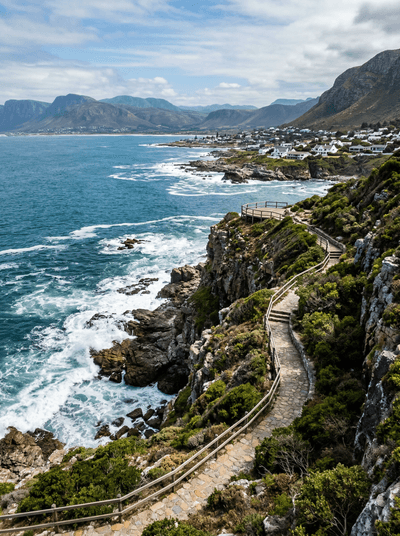
Hermanus
South Africa
Whales breach so close to the cliff path you feel the spray on your skin.
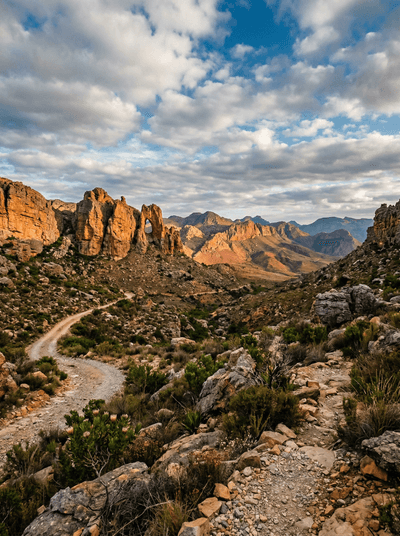
Cederberg
South Africa
Sandstone arches and San rock art older than the pyramids, wild rooibos growing between the boulders.
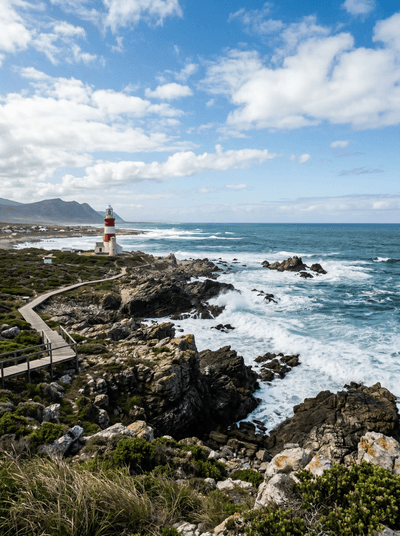
Cape Agulhas
South Africa
A stone cairn marks where two oceans collide — the Indian warm, the Atlantic cold, underfoot.