Kenya
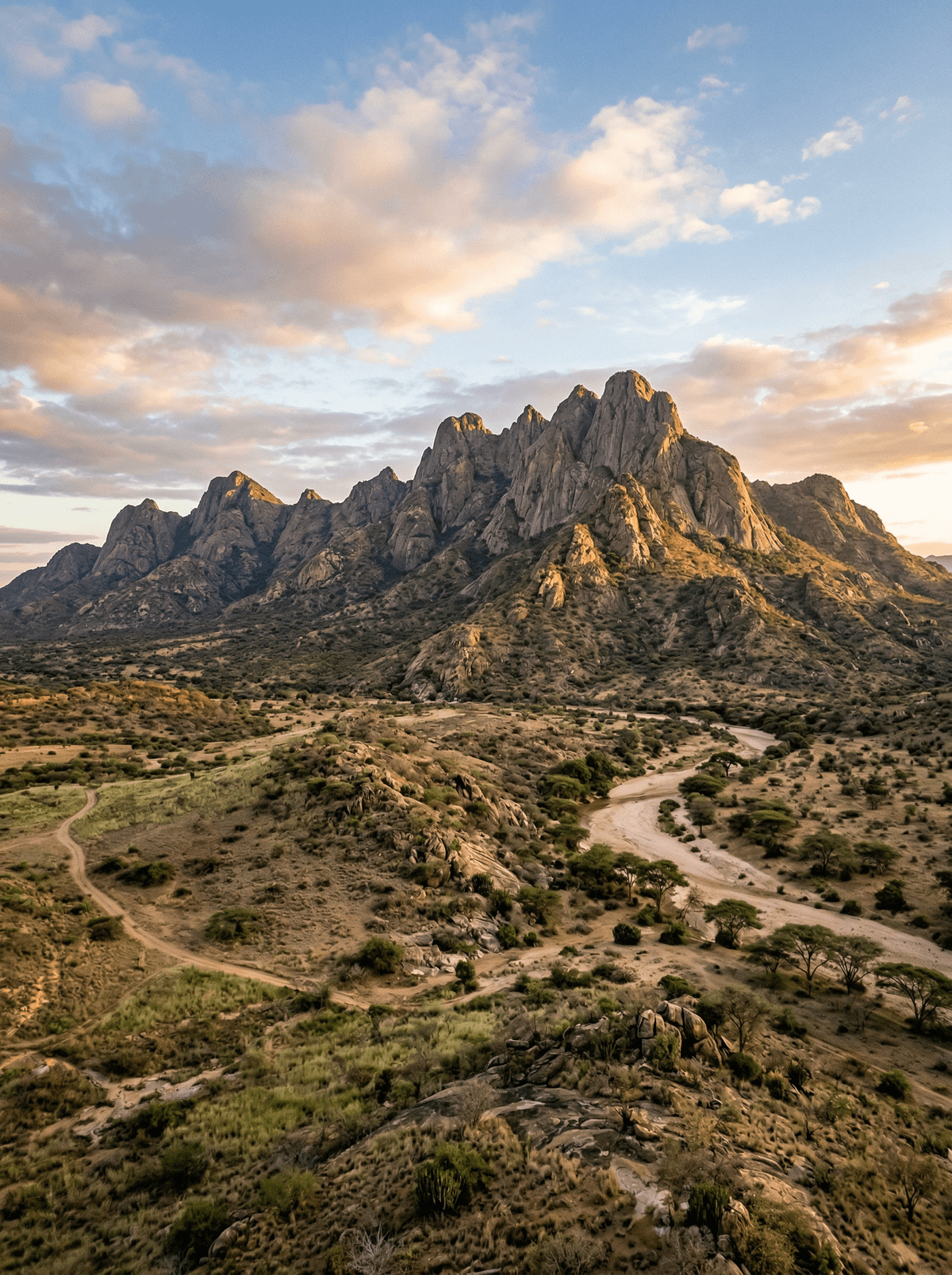
Ndoto Mountains
Granite walls climb past 2,600 metres from the Kaisut Desert, with no gate and no road.
Granite pinnacles rise vertically from the desert floor, their bases lost in a skirt of heat haze. There is no road sign, no gate, no visitor centre. The Ndotos exist in the space between maps, reached by tracks that Samburu herders navigate from memory alone.
The Ndoto Mountains stand between Marsabit and the Matthews Range, ancient gneiss climbing past 2,600 metres from the Kaisut Desert with patches of high forest sheltering elephant, kudu and wild dog. Samburu and Rendille communities graze the lower slopes and harvest honey from the canopy, and parts of the range are sacred — access is agreed face to face with elders, not booked online. There are no camps, no marked trails and no guides-for-hire; climbers and overlanders who come do so on complete self-reliance and local relationships. From the summits the view runs across a vast sweep of northern rangeland — Kaisut, the Hurri Hills, the Matthews — with hardly a roof in sight.
Solo
For travellers who define adventure as going where no infrastructure exists — pure self-reliance in granite country that answers to no one.
- Ancient gneiss walls and spires rise straight out of the Kaisut Desert.
- Poi's sheer rock faces are the range's landmark — known to climbers, reached by few.
- Sacred sites stand within the range — access is negotiated with Samburu and Rendille elders in person.
- The Ndotos rise over wide Samburu rangeland with hardly a roof in sight.
Whatever your expedition carries — supplemented, with luck, by wild forest honey.
Milk and meat from Samburu and Rendille herds are the mountains' economy — carry your own.
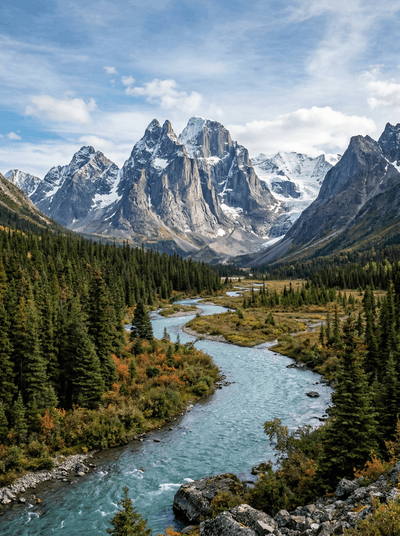
Nááts'ihch'oh National Park Reserve
Canada
Fly-in headwaters country protects the Nahanni's upper reaches in near-total solitude.
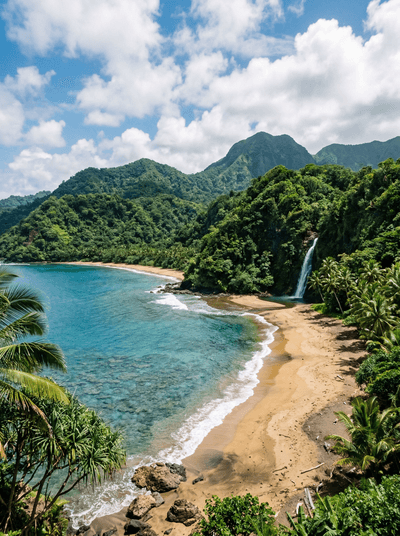
Vanua Lava
Vanuatu
Twin waterfalls the locals call the Devils' drop 120 metres in tandem into a fern-lined pool.
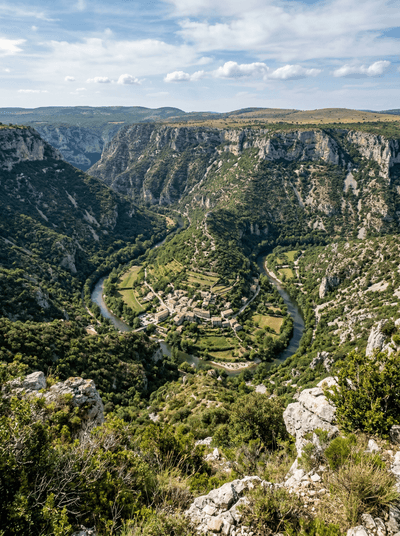
Cirque de Navacelles
France
A natural amphitheatre where a river abandoned its own meander, leaving a hamlet at the bottom.
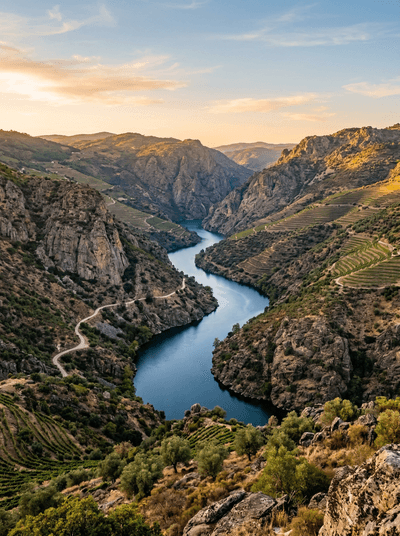
Douro Internacional
Portugal
A 200-metre canyon slicing the border, its cliff air ruled by griffon vultures.
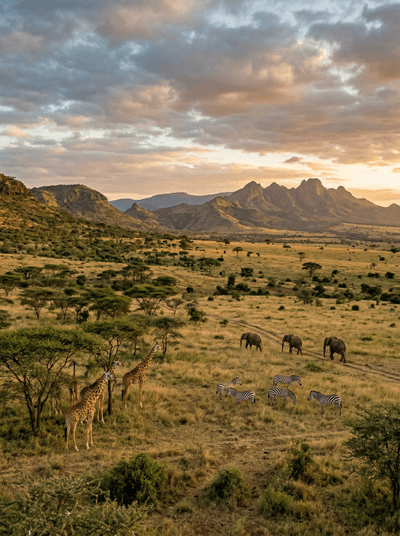
Lewa Wildlife Conservancy
Kenya
A cattle ranch turned rhino refuge that seeded Kenya's community conservancy movement.
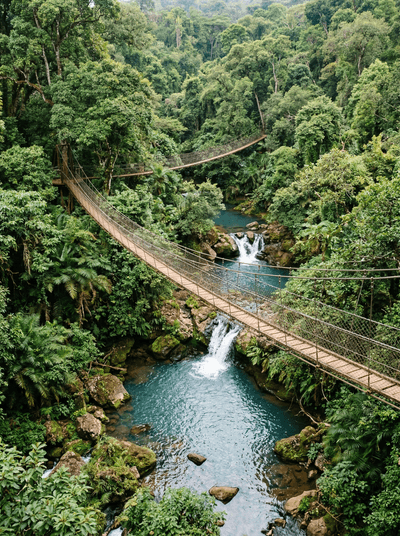
Ngare Ndare Forest
Kenya
A canopy walkway sways ten metres above the forest floor, ending at turquoise natural pools.
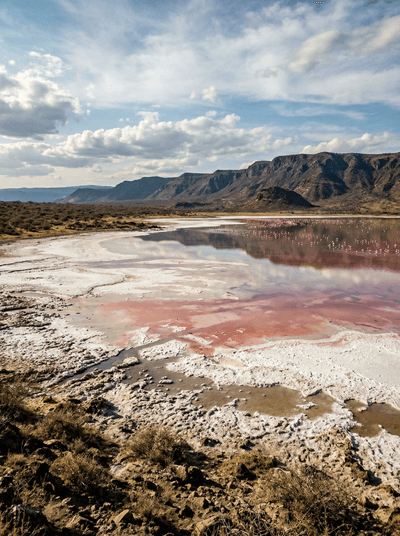
Lake Magadi
Kenya
Pink soda crust runs to the horizon on a lake so alkaline it burns skin.
Naboisho Conservancy
Kenya
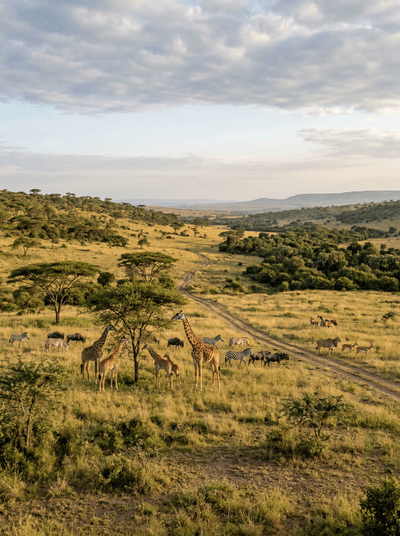
Maasai-owned conservancy land beside the Mara, where lions den and five hundred families share the income.