Panama
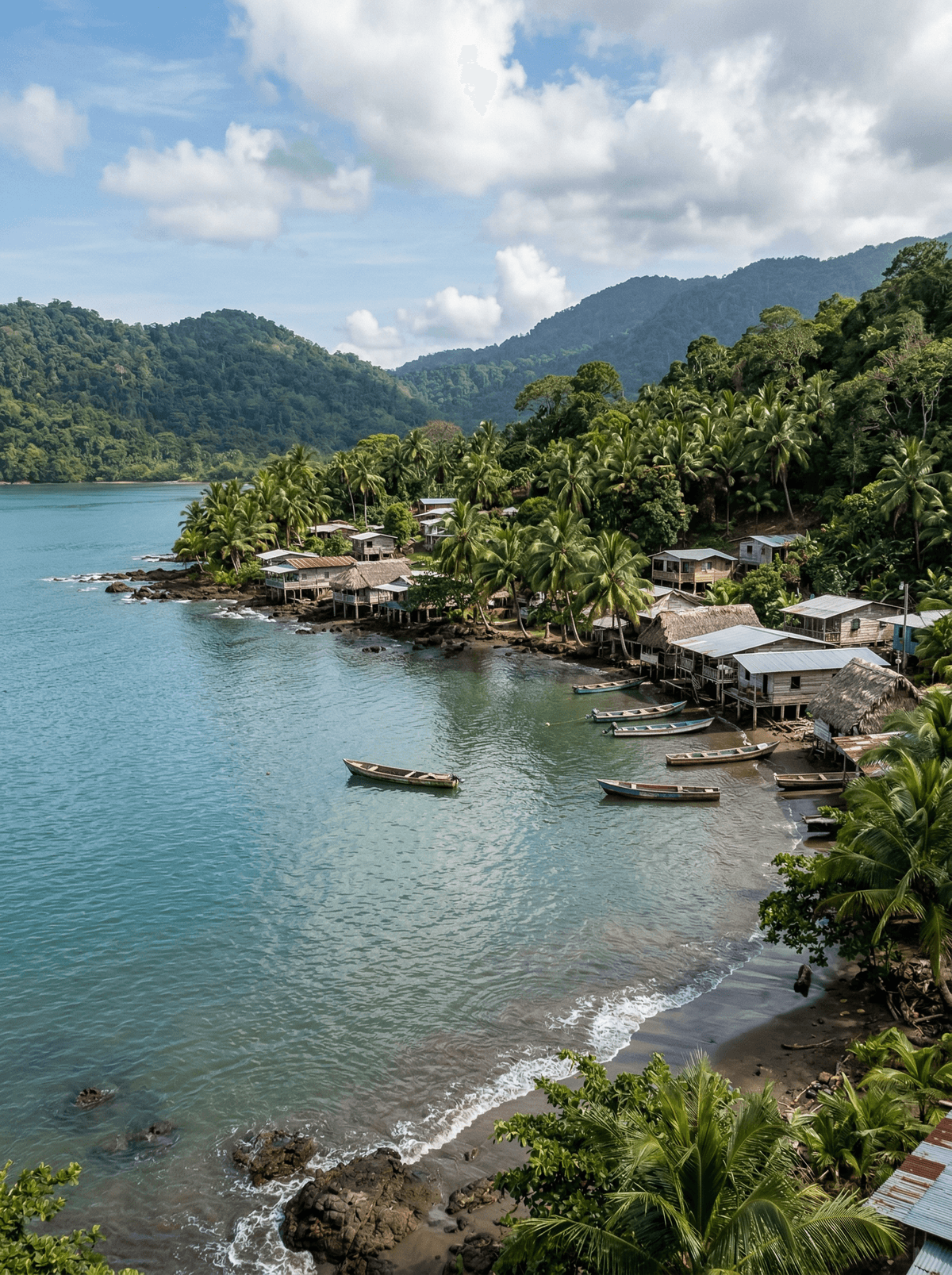
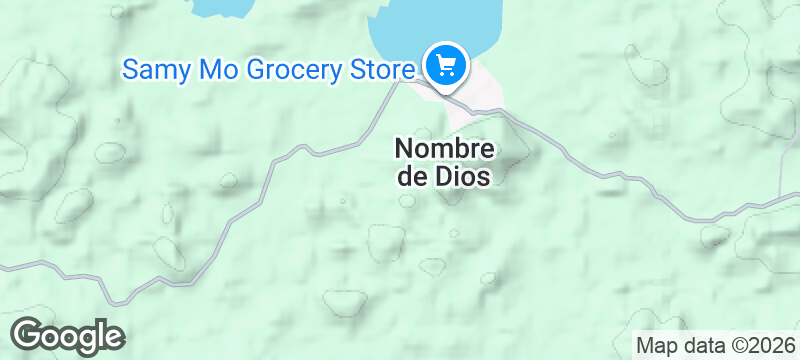
Nombre de Dios
Where Peru's silver met the Atlantic, the jungle now leans over a village that endured.
Fishermen here point out an anchor they say has lain in the shallows since the time of the conquest. The quiet bay it rusts in once loaded an empire's silver, and the village behind it never grew back into a city.
In the treasure system's first century, silver from the South American mines sailed up the Pacific coast to Panama and then rode mule trains over the isthmus, loading at Nombre de Dios onto the fleet bound for Spain. Francis Drake announced himself to history here, sacking the town in 1572 and robbing the silver train itself, and Spain's answer was to move: the fleet shifted to better-defended Portobelo, which replaced Nombre de Dios in 1596, and the old port never regrew. That failure to regrow is now its distinction, because the village endures as one of the oldest continuously populated European settlements in the Americas, jungle at its back and almost nothing between it and its extraordinary past. The visit is as simple as the place: clear-water beaches along the coast, kayaks in the bay, and a boat from the village centre to Playa Damas, 1.5 kilometres of palm-shaded sand.
Solo
Arrive with a book and no itinerary: the village moves at its own pace, the history is layered underfoot, and the Caribbean is steps away.
Couple
A boat to Playa Damas' palm-shaded sand, a swim in warm clear water, and a village five centuries deep make privacy feel like time travel.
- Silver from Peru crossed the isthmus by mule train to load onto the treasure fleet here.
- Francis Drake sacked the town in 1572 and robbed the silver train itself.
- Spain shifted its fleet to Portobelo from 1596, formally founding its replacement port in 1597, and the old town never regrew.
- The village endures as one of the oldest continuously populated European settlements in the Americas.
Eat as the Costa Arriba eats: seafood seasoned with coconut and fiery ají chombo, the register of this whole coast.
For the Playa Damas boat, pack water and lunch; the beach offers palms and clear water, not kitchens.
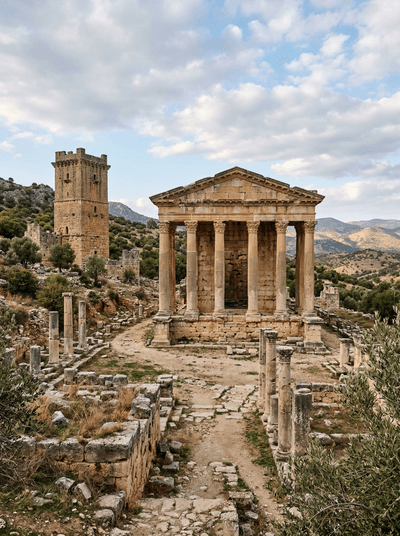
Uzuncaburç
Turkey
A Roman temple city swallowed by a Turkish village where children play between Corinthian columns.
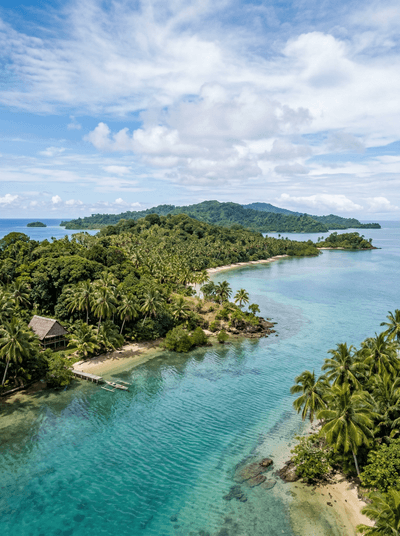
Taro Island
Solomon Islands
A provincial capital on an island low enough that the plan is to move it.
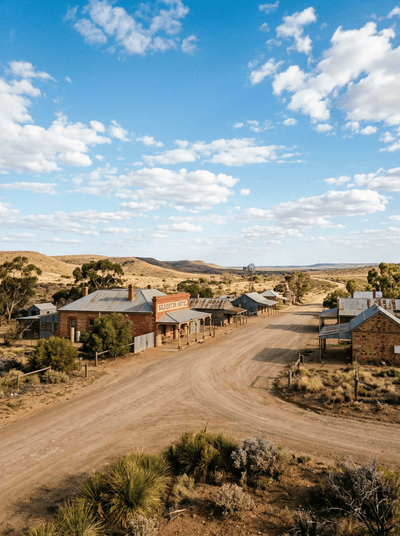
Silverton
Australia
Mad Max roads vanish into Mundi Mundi plain beyond corrugated-iron galleries and a former silver town.
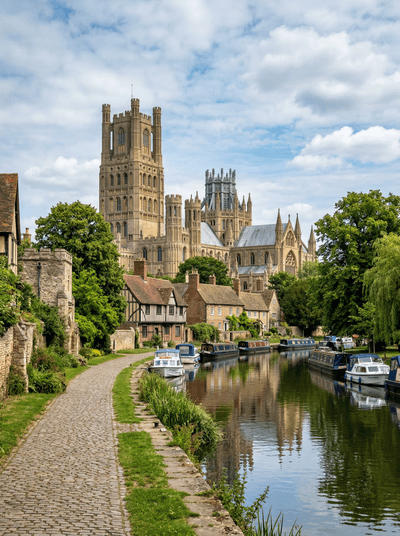
Ely
England
A lantern tower floating above the fens like a ship's mast on flat farmland.
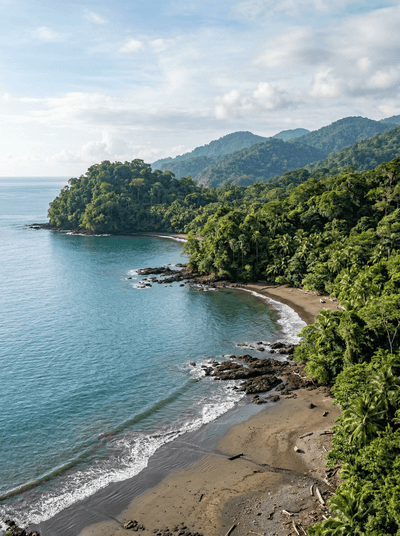
Punta Patiño
Panama
Harpy eagles with the largest talons of any living eagle nest in this Darién reserve.
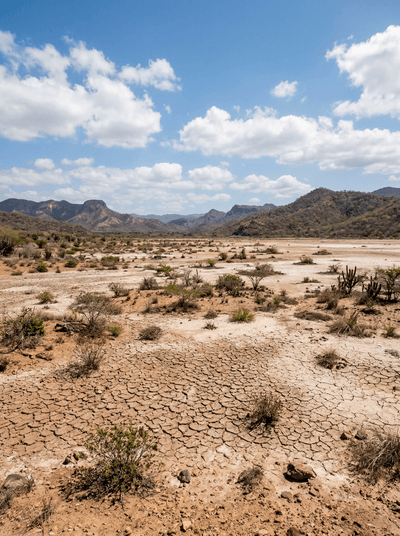
Sarigua National Park
Panama
Panama's driest place: red sand, petrified trees, and a settlement seven thousand years old.
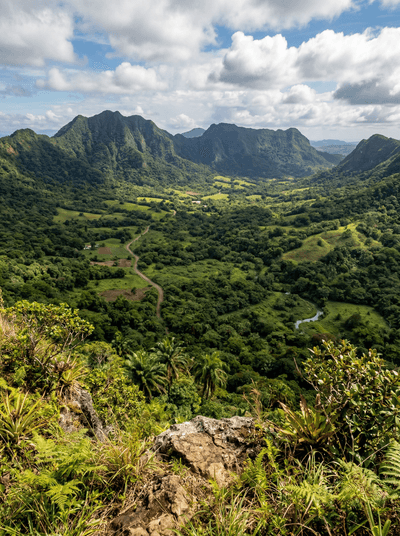
El Valle de Antón
Panama
A whole town spreads across the floor of an extinct volcano's crater.