Turkey
Uzuncaburç
A Roman temple city swallowed by a Turkish village where children play between Corinthian columns.
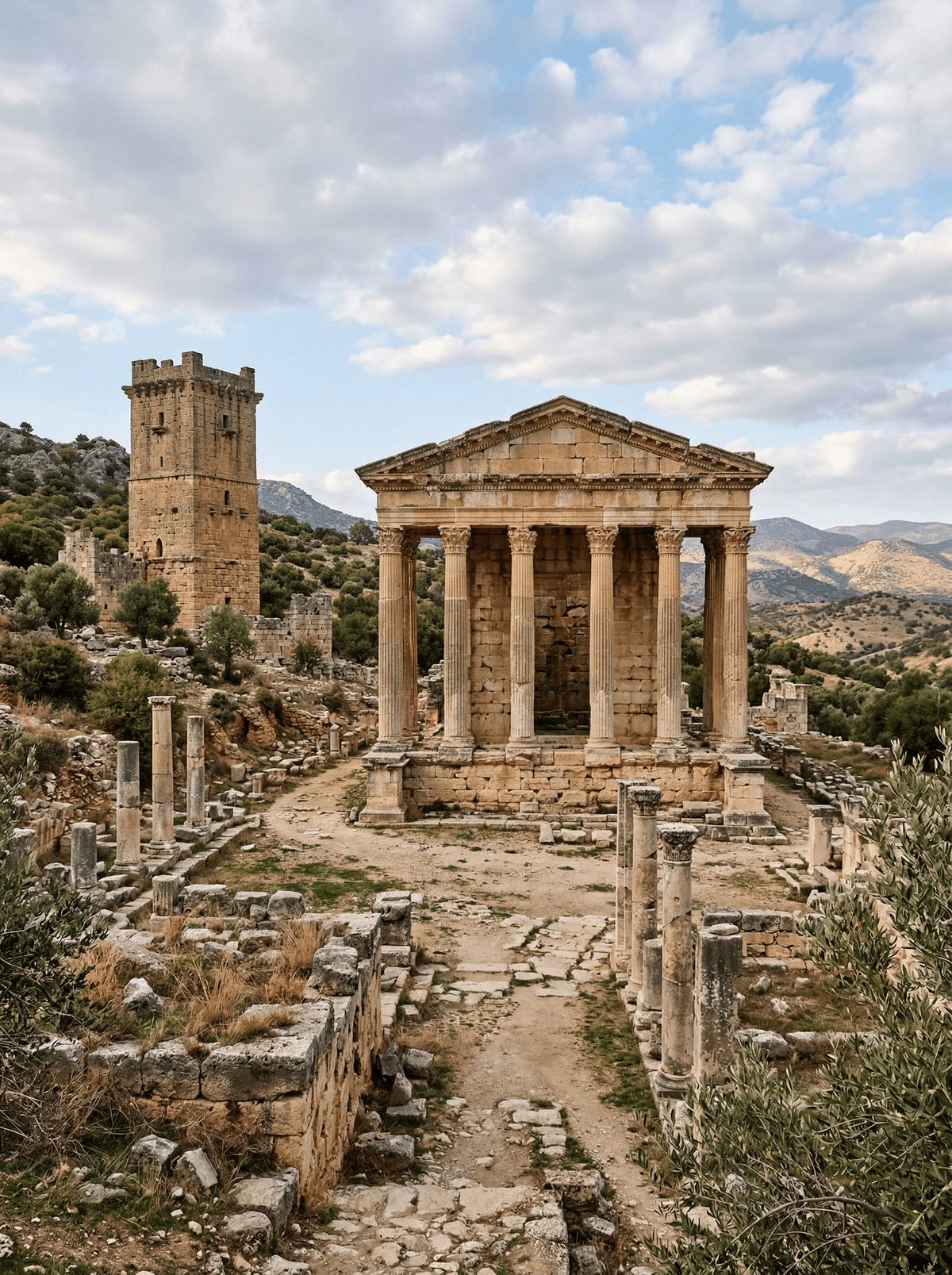
Children chase a football between Corinthian columns. A grandmother hangs washing from a Roman archway. In Turkey's Cilician highlands, a working village occupies the bones of a Roman temple city, and the line between the living settlement and the ancient one blurred so long ago that nobody draws it anymore.
Uzuncaburç, ancient Diocaesarea, grew around a sanctuary of Zeus Olbios whose temple, raised in the 3rd century BCE, is among the earliest known in the Corinthian order. The site keeps a colonnaded street, a monumental gate, a theatre and the five-storey Hellenistic tower that gives the village its modern name, Tall Tower. Homes lean against temple walls and gardens grow inside former sanctuaries, because the village never left. High in the Taurus foothills at some 1,200 metres above Silifke, ringed by pine and karst, it stays off nearly every itinerary.
Solo
The unpolished reality of a village growing inside a Roman city rewards patient, unhurried observation. No crowds, no audio guides, just you, the columns, and daily life.
Couple
Wander together through a place where ancient and modern are so intertwined they become one thing. The Taurus setting and the village's quiet self-possession make it a memorable, offbeat discovery.
- Children play between Roman columns and a teahouse trades beside temple stones; the ancient city is a functioning village.
- A five-storey Hellenistic tower, the tall tower that names the village, guards the entrance; the Temple of Zeus Olbios is among the earliest Corinthian temples known.
- Thirty kilometres of mountain road from Silifke keep visitors rare; you will likely have the ruins to yourself.
- The village grew inside the ancient boundaries, its lanes following the Roman streets.
Kenger kahvesi, caffeine-free coffee roasted from wild thistle, poured in the teahouse beside the colonnade.
Village pekmez, dark grape molasses, sold from the stalls between the ruins.
Taro Island
Solomon Islands
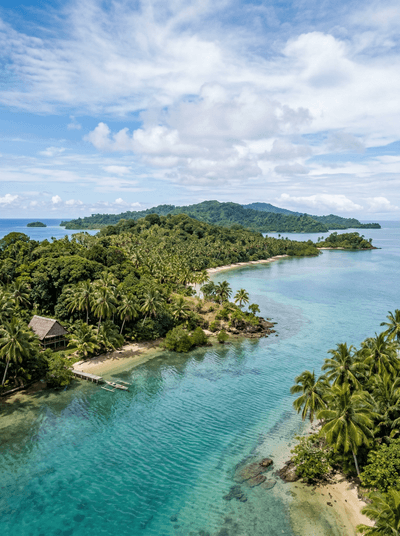
A provincial capital on an island low enough that the plan is to move it.
Silverton
Australia
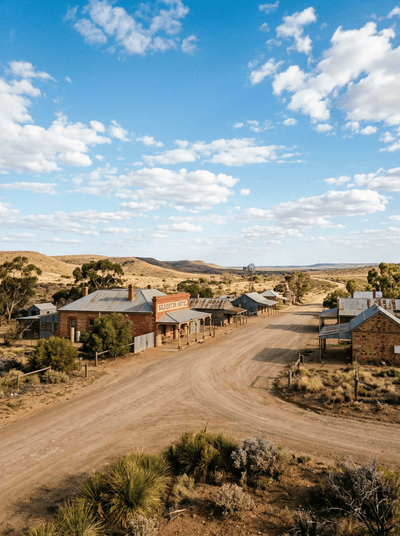
Mad Max roads vanish into Mundi Mundi plain beyond corrugated-iron galleries and a former silver town.
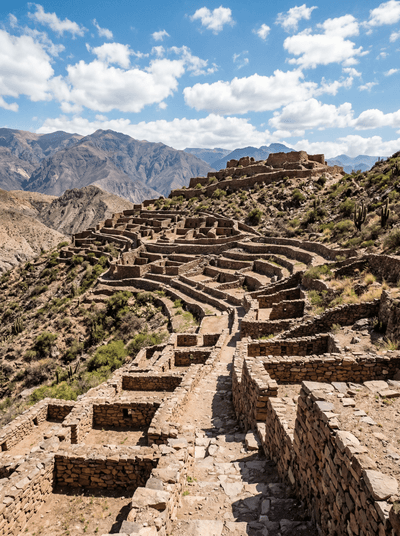
Quilmes Ruins
Argentina
A pre-Columbian stone city climbs the hillside, its people unbeaten for a century.
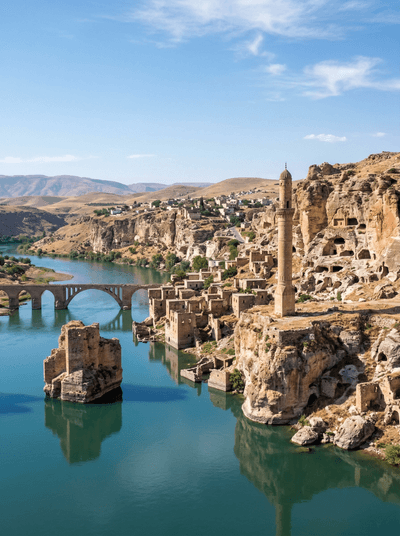
Hasankeyf
Turkey
A 12,000-year-old Tigris settlement now partly drowned by a dam, cave dwellings and minarets half-submerged.
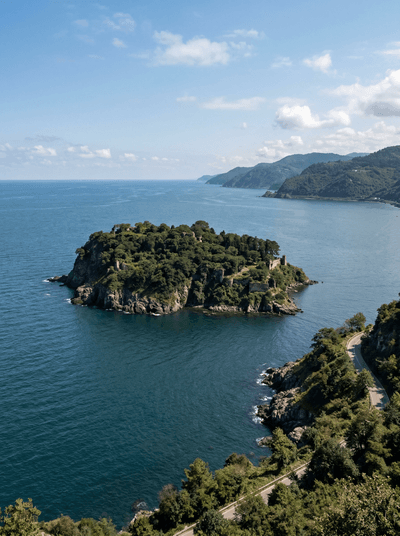
Giresun Island
Turkey
The eastern Black Sea's only island, its Hellenistic temple foundations sleeping beneath hazelnut trees.
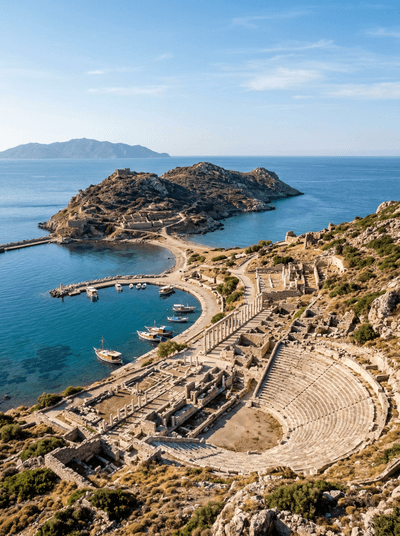
Knidos
Turkey
Two harbours face two different seas at a windswept cape where the Aegean meets the Mediterranean.
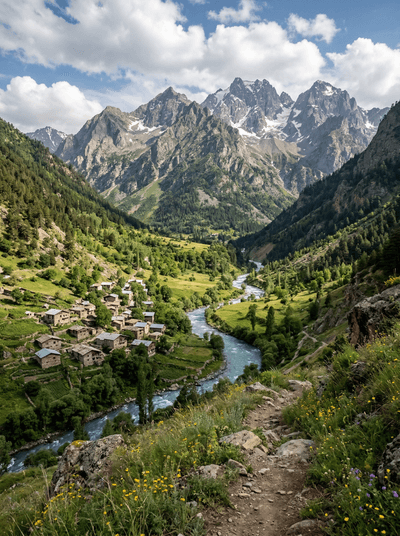
Barhal Valley
Turkey
10th-century Georgian churches stand forgotten in steep valleys where the road ends and peaks begin.