
Japan
Okunoshima
A former poison gas island now overrun by hundreds of fearless wild rabbits.
The rabbits arrive before you have left the pier. Hundreds of them — wild, unafraid, and deeply interested in whatever you are carrying. Ōkunoshima is a speck in the Inland Sea off Hiroshima that made poison gas for the Imperial Army from the late 1920s until 1945, a history so secret the island was scrubbed from some maps. Today no one lives here permanently except the rabbits.
The Poison Gas Museum, opened in 1988, documents the island's production of thousands of tonnes of mustard gas and tear gas, and the workers who were poisoned making it. Where the rabbits came from is argued over: the likeliest story is a release of school rabbits in the early 1970s, since the wartime laboratory animals were killed when the plant was demolished. The island is car-free, with a walking and cycling loop around the shore past power stations and storage bunkers slowly being swallowed by vegetation. A single Kyūkamura resort hotel is the only place to stay, with views across the Inland Sea.
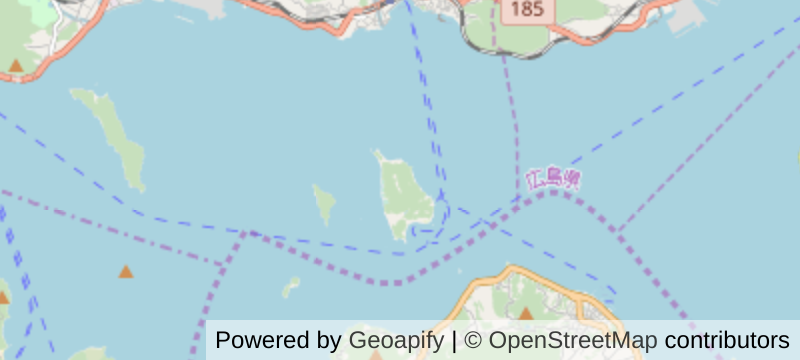
Map data © OpenStreetMap contributors · Powered by Geoapify
Family
Children will talk about the rabbits for years. The island is flat, without cars, and small enough that even young legs can walk the whole loop, with the museum a sober counterweight adults can decide how to frame.
Couple
The contrast between the island's dark history and its absurd present — ruins and rabbits — creates a mood unlike anywhere else in Japan.
- Hundreds of wild rabbits gather at the ferry landing, and they will follow anyone with vegetables.
- The Poison Gas Museum documents a wartime history kept secret until the island was reopened to the public.
- A car-free loop circles the whole island in about an hour, past ruined factories and bunkers.
- One resort hotel overlooks the Inland Sea — the only beds on the island.
Setouchi fish and the region's citrus at the island hotel's dining room, the only kitchen on Ōkunoshima.
Takoyaki or a bento from Takehara's harbour before the ferry — the rabbits get carrots, you get lunch.
Abaiang
Kiribati
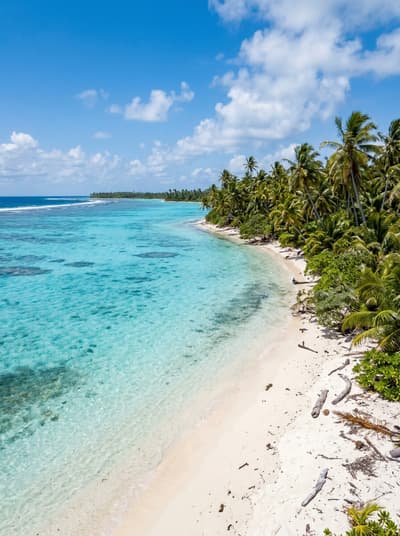
At high tide the sea surrounds Tebunginako's church; the village choir times services around it.
Abbotsbury
England
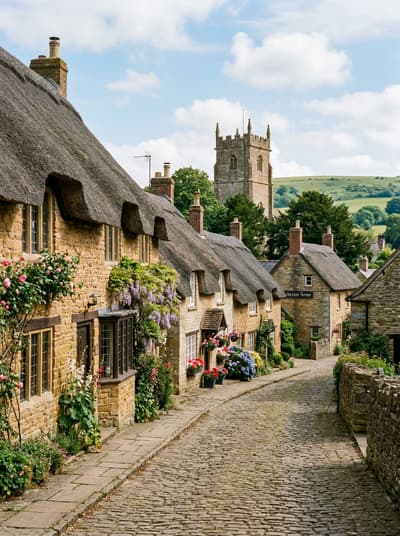
A swannery where six hundred mute swans nest in reed beds behind the Chesil Bank.
Abel Tasman National Park
New Zealand
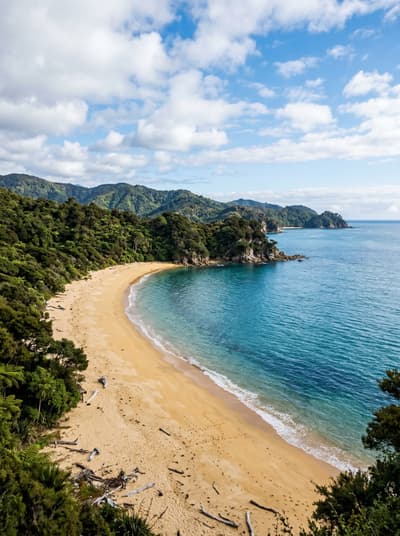
Golden bays between forested headlands, reached only on foot, by kayak or water taxi.
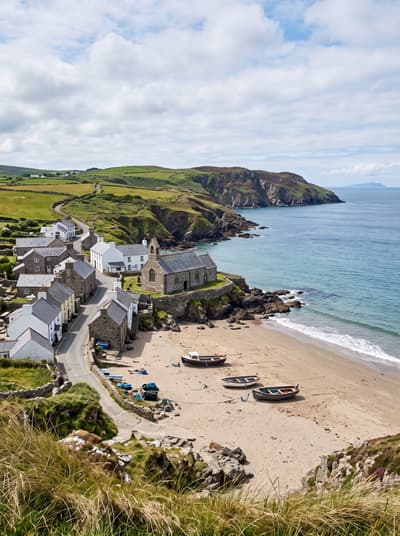
Aberdaron
Wales
A church on the sand where pilgrims ate their last meal before the island crossing.
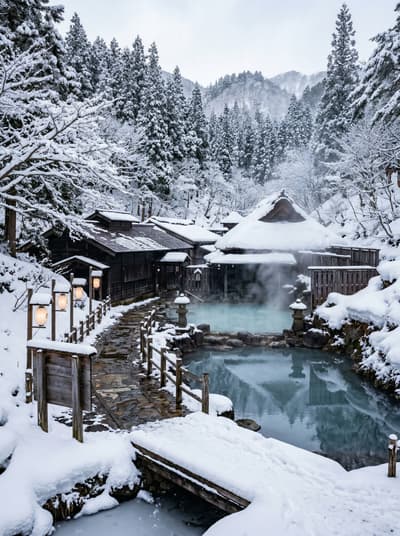
Akita
Japan
Bamboo poles hung with dozens of lanterns, balanced on a palm, a forehead, a hip.
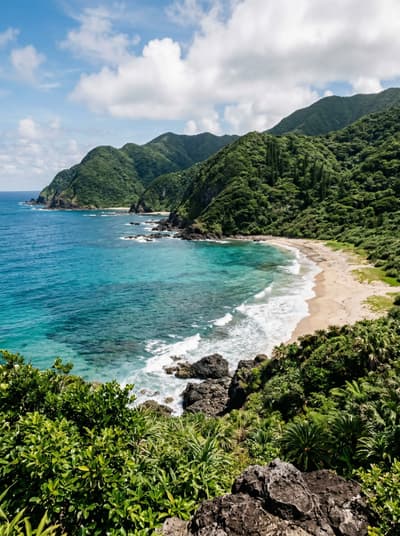
Amami Oshima
Japan
Subtropical mangroves and brown-sugar shōchū on an island the guidebooks forgot.
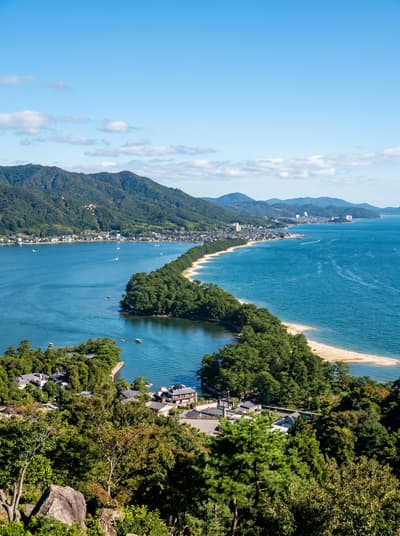
Amanohashidate
Japan
A pine-covered sandbar that becomes a bridge to heaven when you look at it upside down.
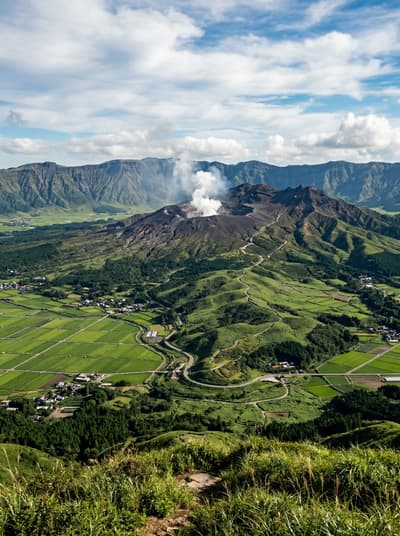
Aso Caldera
Japan
A volcano still breathing inside one of the largest inhabited calderas on Earth.