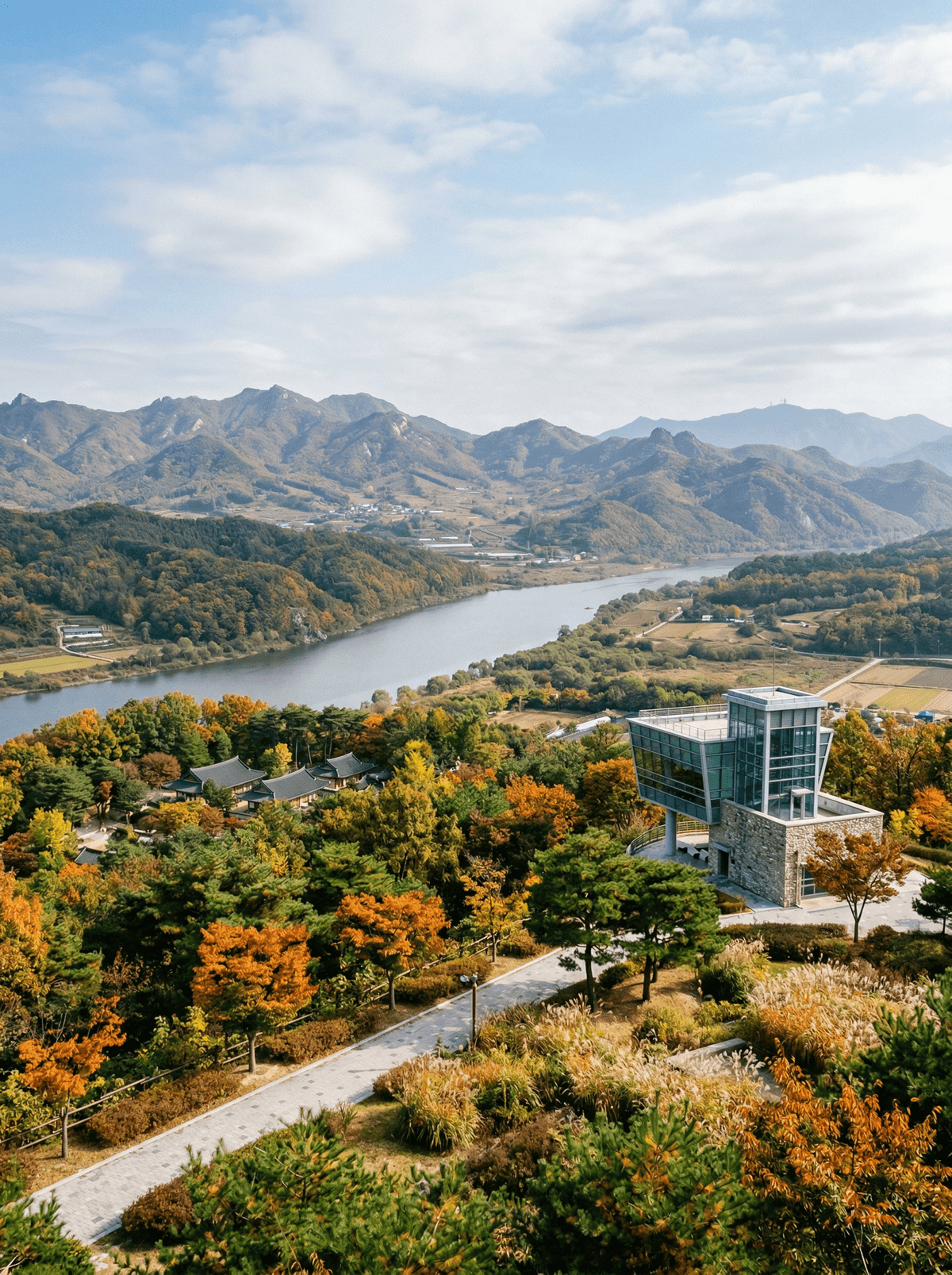
South Korea
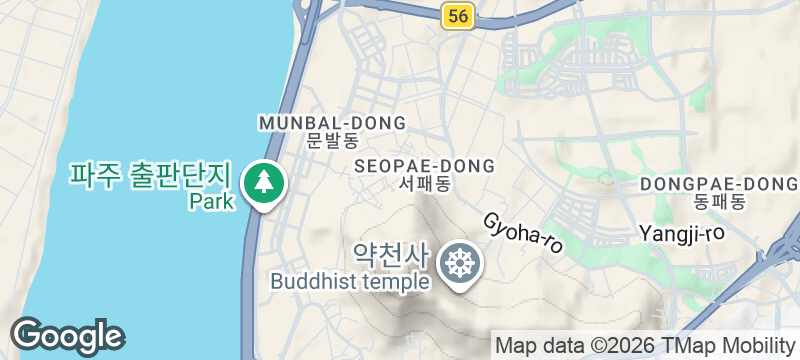
Paju
At Imjingak the bridge stops mid-river, and the ribbons on the fence face north.
Ribbons crowd the fence at Imjingak, a memorial park in open ground, and beyond the checkpoint the authorised route enters a working frontier. The border here is not history; it is Tuesday.
Paju holds the most-visited stretch of the DMZ's southern edge, and the visit's power is its reality: an active frontier, entered only on the authorised tour from Imjingak with identification carried and access changing at military notice. Imjingak itself is open ground, its rusting bridge and memorials facing the river, and the Jangdan soybean, the county's celebrated crop, gets its own festival programmes there. Paju Book City and Heyri's galleries offer the same county's deliberate quiet as a counterpoint.
Solo
Formal transport removes route-finding but rewards a solo traveller ready for sober historical interpretation.
Couple
Share the controlled journey quietly, allowing memorial spaces to set the tone rather than seeking spectacle.
- Authorised DMZ tours run from Imjingak through formal security control.
- The frontier is active, which is precisely the visit's weight.
- Imjingak's memorial park is open ground before the checkpoint.
- Paju Book City offers the same county's deliberate quiet.
Paju's Jangdan soybeans are the celebrated county crop, met at Imjingak's food programmes.
The hands-on soybean sessions end with eating what you made.
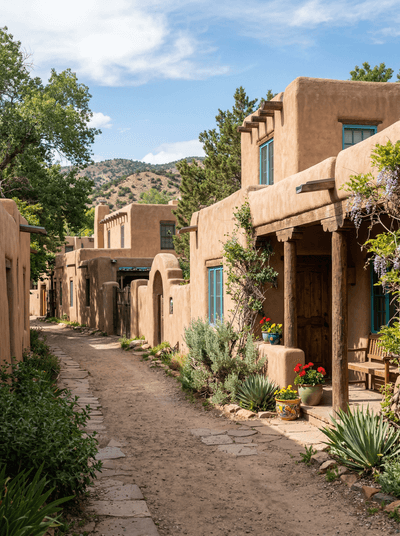
Santa Fe
United States
Adobe walls glow amber at sunset while piñon smoke drifts through the plaza.
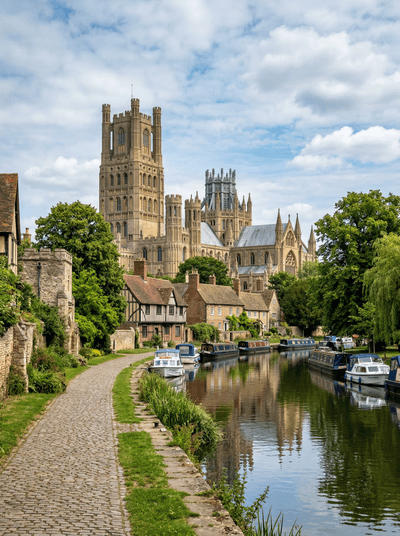
Ely
England
A lantern tower floating above the fens like a ship's mast on flat farmland.
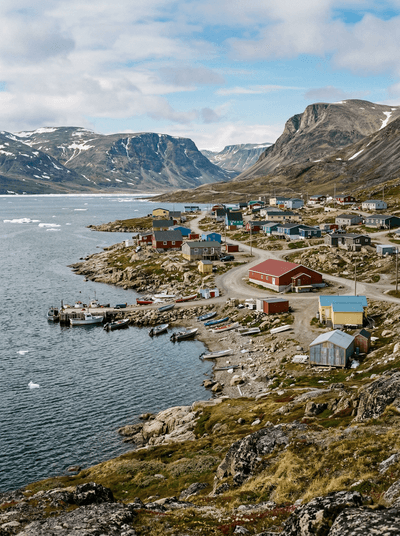
Cape Dorset (Kinngait)
Canada
The Arctic's printmaking capital works stone and paper in a bay of granite light.
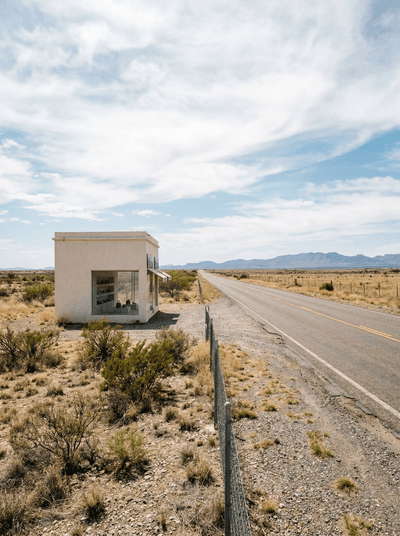
Marfa
United States
Minimalist art installations glowing in the Chihuahuan Desert beside a highway that goes nowhere.
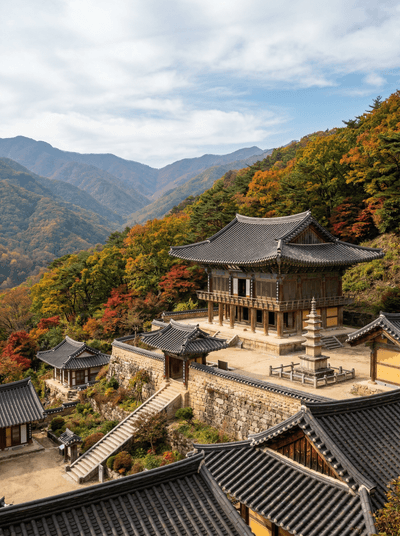
Buseoksa
South Korea
One of Korea's oldest wooden halls has faced an ocean of ridges since 1376.
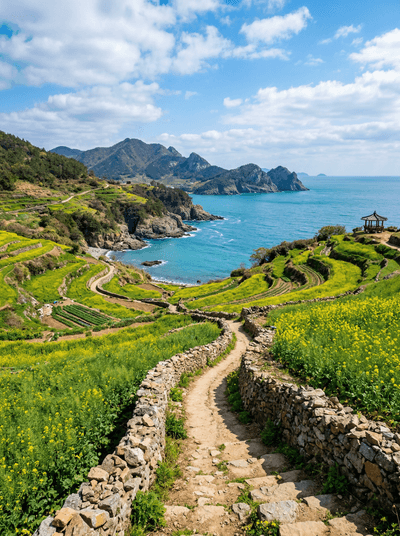
Cheongsando
South Korea
Korea's first Slow City walks at the speed of its stone-walled fields.
Jeungdo
South Korea
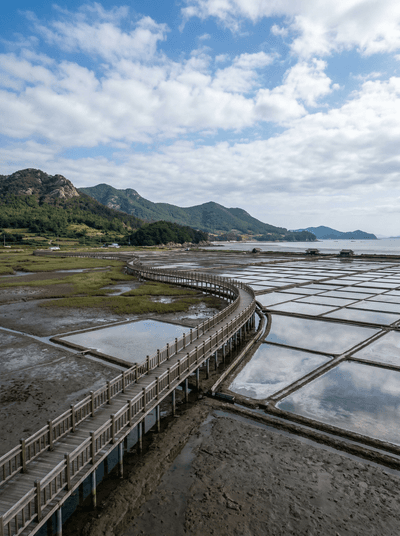
Checkerboard salt pans mirror the sky on an island that farms the sea.
Uljin Geumgang Pine Forest
South Korea
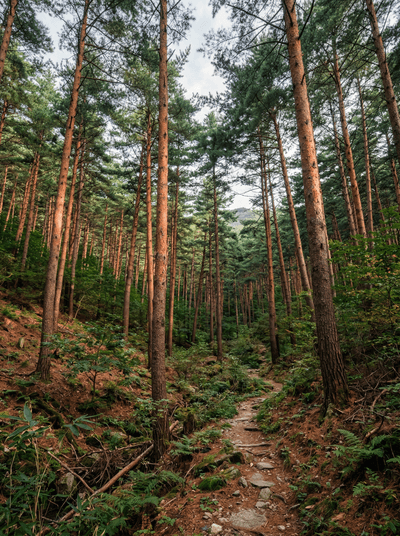
Five hundred years as royal timber left a pine forest nothing else touched.