Italy
Palermo
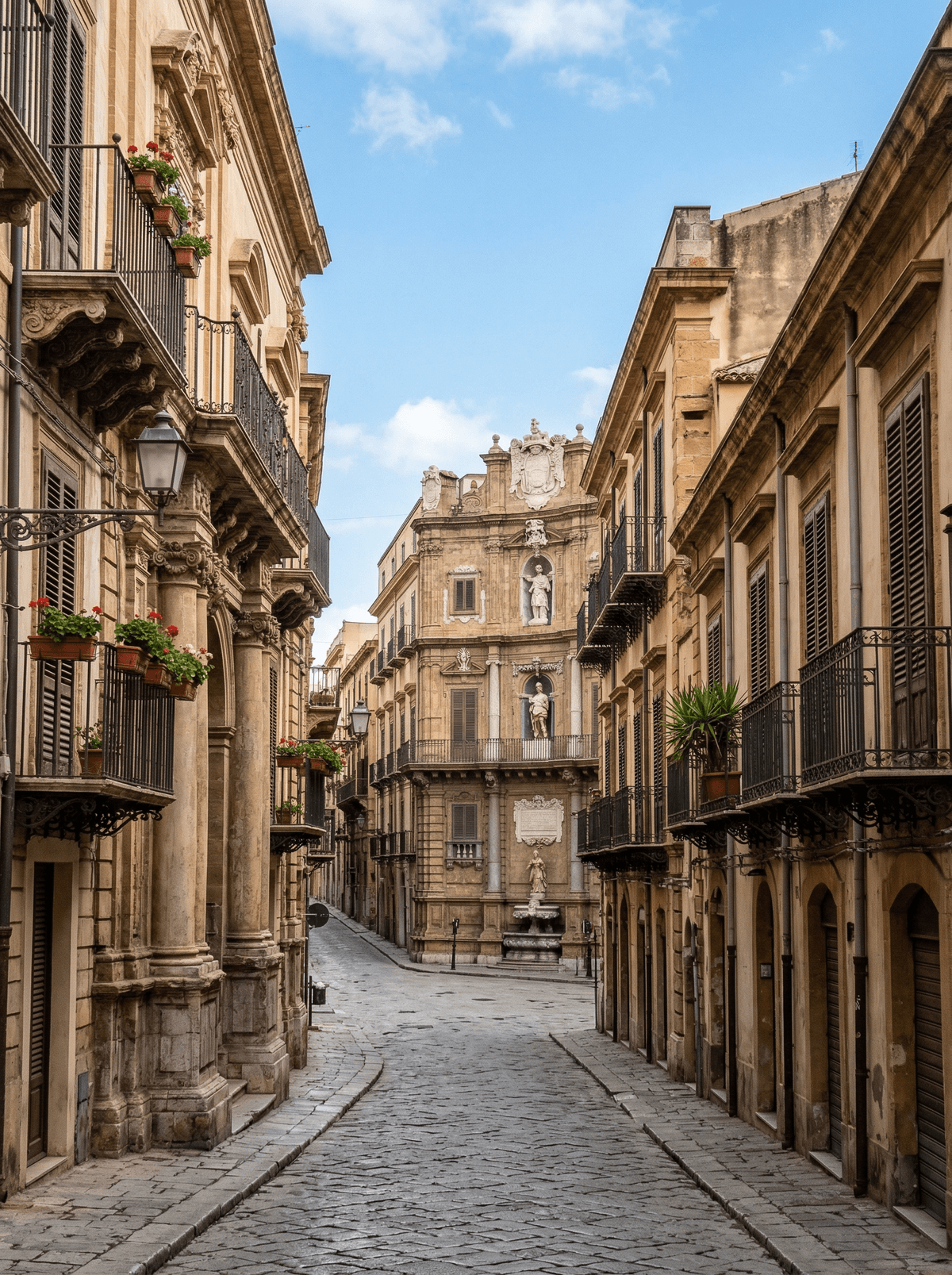
Arab-Norman domes rise above street markets where stigghiola smoke drifts through medieval alleyways.
The smoke reaches you first, charcoal and fat from the market grills, threading past stalls piled with swordfish heads, cactus fruit and ricotta still warm in its basket. Palermo runs hotter and louder than the rest of Italy. Arab cupolas, Norman towers and Baroque churches stand shoulder to shoulder above the noise.
Palermo has been ruled by Phoenicians, Arabs, Normans and Spaniards, and its Arab-Norman circuit, Palatine Chapel and Monreale included, carries UNESCO status for fusing Islamic ceilings, Byzantine gold and Romanesque bones in single rooms. The markets, Ballarò, Vucciria and Capo, still work in a register closer to North Africa than northern Europe. Street food here documents the occupations that invented it, chickpea panelle to the spleen rolls of pani ca meusa. In the Capuchin catacombs, thousands of mummified Palermitans dressed in their best still line the corridors, the city's strangest archive.
Solo
Follow smoke and sound rather than a map; the chaos resolves into narrative if you give it time alone.
Couple
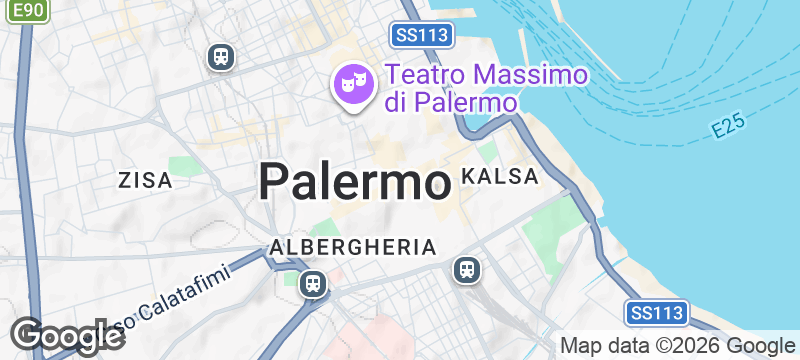
Rooftop bars over the Kalsa and dinners in converted palazzi; beauty here feels earned, never packaged.
Friends
Market crawls, street-food dares and nightlife in reclaimed courtyards; Palermo demands company to process.
- The Palatine Chapel holds Islamic ceilings, Byzantine gold and Norman arches in one room.
- Ballarò, Vucciria and Capo markets still run at full North-African volume.
- The Capuchin catacombs keep thousands of dressed mummies in their corridors.
- Street food here is a syllabus of the city's occupations, panelle to pani ca meusa.
Panelle, chickpea fritters slid into sesame bread, have been Palermo's fast food for centuries.
Pani ca meusa, the spleen roll, is the city's fiercest badge of eating like a local.
Guanajuato
Mexico
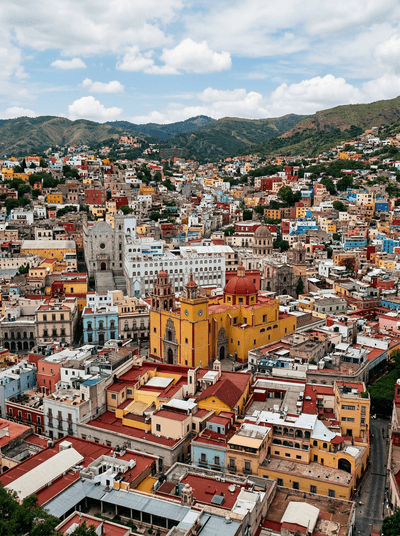
A city poured into a canyon, its houses stacked like a tumbled box of pastels.
Jerome
United States
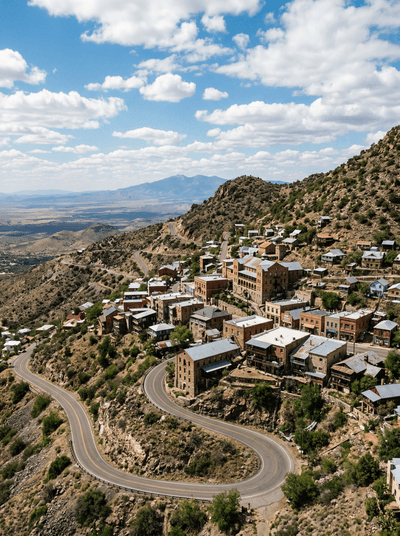
A cliff-clinging ghost town where the jail slid downhill and old floors tilt.
Bisbee
United States
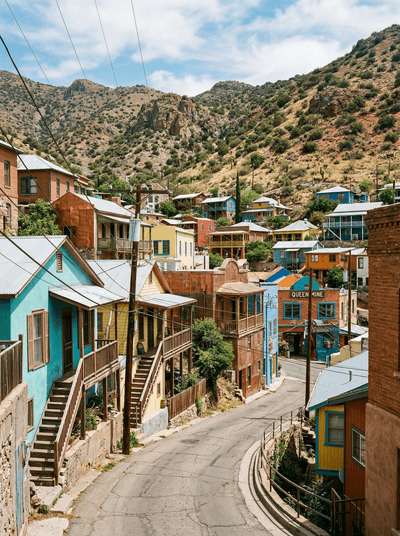
A copper mine town turned art colony jammed into a canyon with more stairs than streets.
San Cristóbal de las Casas
Mexico
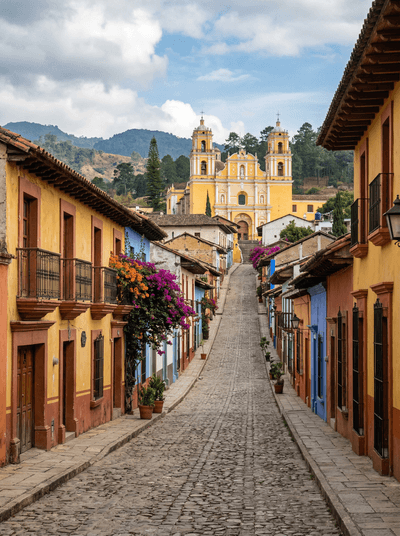
Highland mist, amber workshops and arcaded streets meet in a walkable Chiapas city.
San Leo
Italy
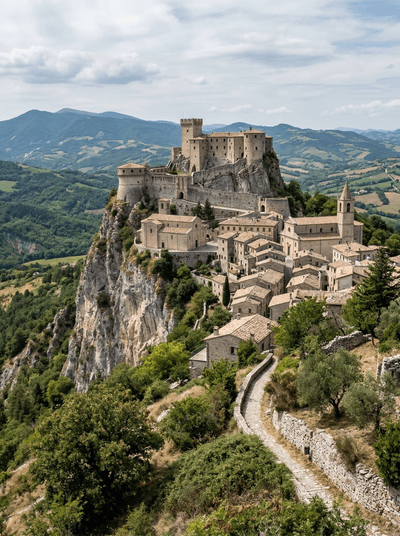
The occultist Cagliostro died a prisoner in this fortress, in a cell entered through its ceiling.
Venice
Italy
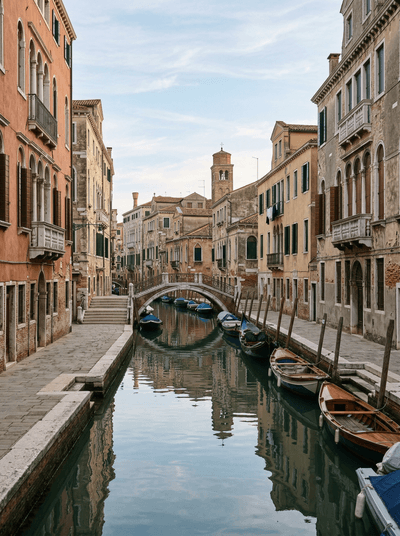
Dawn light on a silent canal where only your footsteps echo on wet stone.
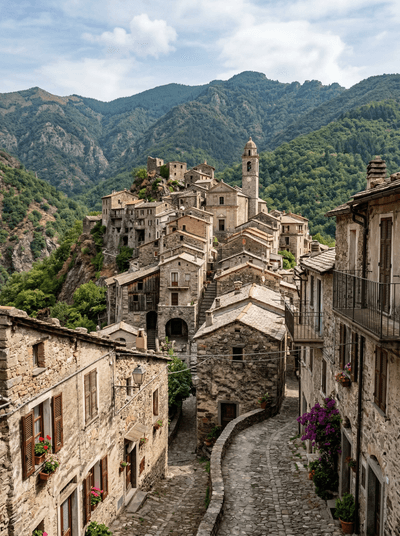
Triora
Italy
A witch-trial village high in the Ligurian Alps, its 1588 terror still marked in stone.
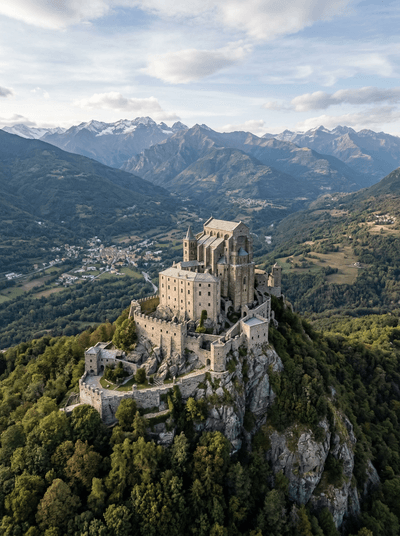
Sacra di San Michele
Italy
A thousand-year-old abbey growing from a mountaintop, its staircase carved through living rock.