Greece
Pavlopetri
Snorkel over a Bronze Age city — streets and tombs visible through a metre of sea.
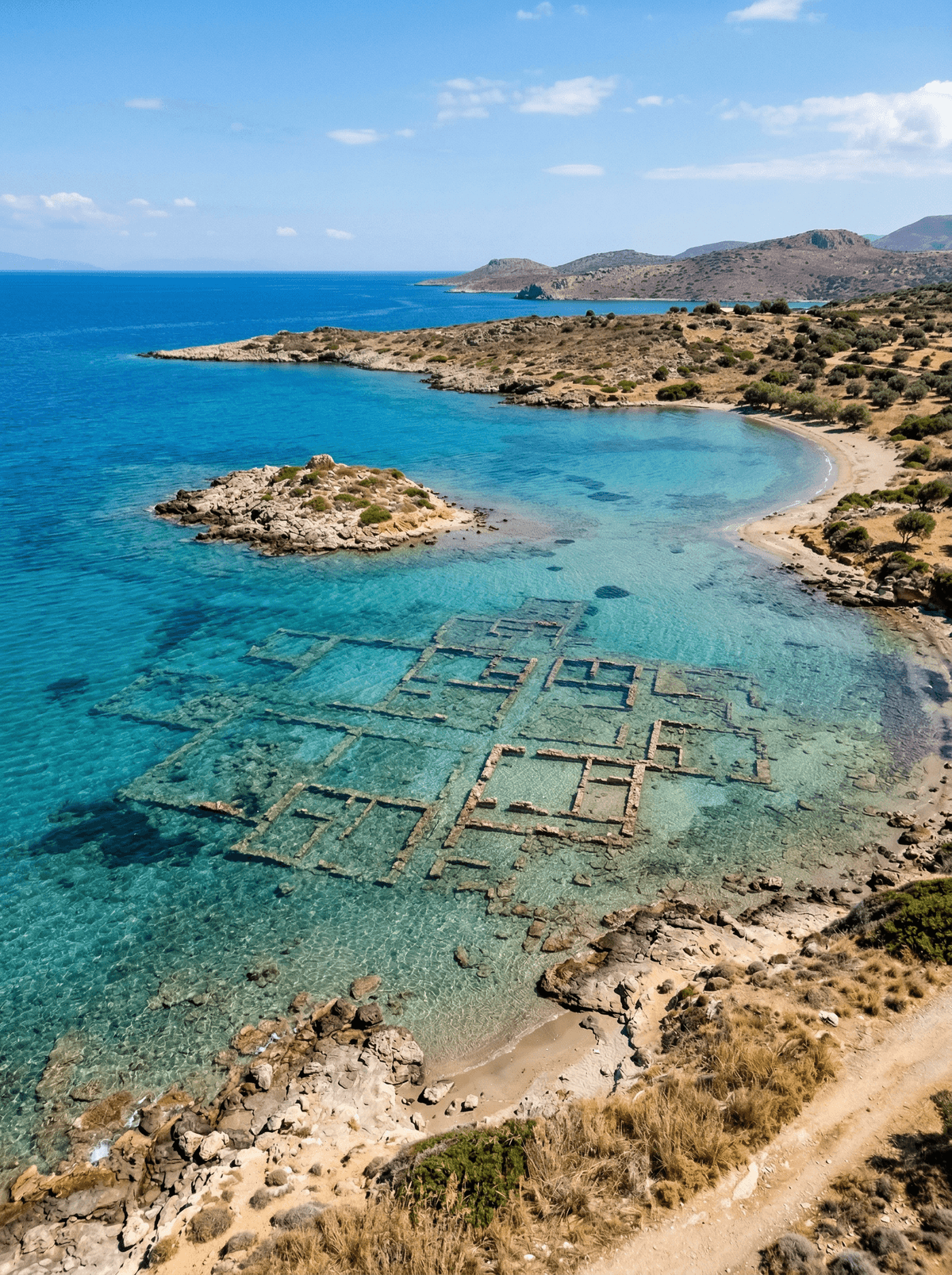
The water is barely a metre deep, and through it you can see streets. Rectangular foundations, storage chambers, tombs — an entire Bronze Age city laid out on the seabed in clear, warm water, undisturbed for five thousand years. You float above it with a snorkel and the scale slowly registers: this is not a ruin, it is a drowned town.
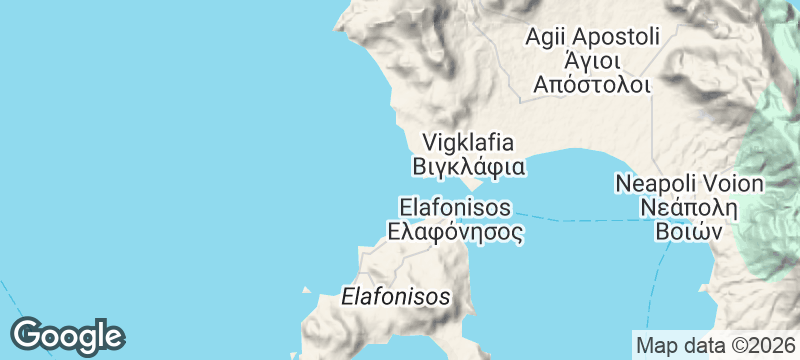
Pavlopetri is the oldest known submerged city in the world, dating to approximately 3000 BC — a thousand years older than the Trojan War. The ruins lie in three to four metres of water off the Laconian coast, with street plans, building foundations, and storage areas clearly visible to snorkellers. The site was first recorded in 1968 but fully mapped by sonar only in 2009, when the survey revealed a city of 15 buildings, roads, and cemeteries covering 30,000 square metres. Submersion is believed to have been caused by earthquakes that dropped the coastline. The site is protected — diving with equipment is not permitted, but snorkelling is free and unguided. The nearest village, Viglafia, has a few tavernas on the shore.
Solo
Snorkel alone over a five-thousand-year-old city — no guide needed, no entry fee, just a mask and the strange intimacy of floating above someone's ancient doorstep.
Couple
Float together over Bronze Age streets in warm, shallow water — then dry off at the Viglafia shore tavernas with grilled octopus and the ruins still visible from your table.
- Pavlopetri is the world's oldest known submerged city — dating to approximately 3,000 BC, a thousand years older than the Trojan War.
- The ruins lie in 3-4 metres of water off the Laconian coast — street plans, building foundations, and storage areas are clearly visible to snorkellers.
- The site was first recorded in 1968 but fully mapped by sonar only in 2009 — the survey revealed a city of 15 buildings, roads, and cemeteries covering 30,000 square metres.
- Submersion is believed to have been caused by earthquakes that dropped the coastline — the site is now protected, and diving with equipment is not permitted.
Grilled octopus at the Viglafia shore tavernas, the underwater city just metres from your table.
Laconian oranges squeezed into juice so sweet it needs nothing else — the volcanic soil shows.
Hideaway Island
Vanuatu
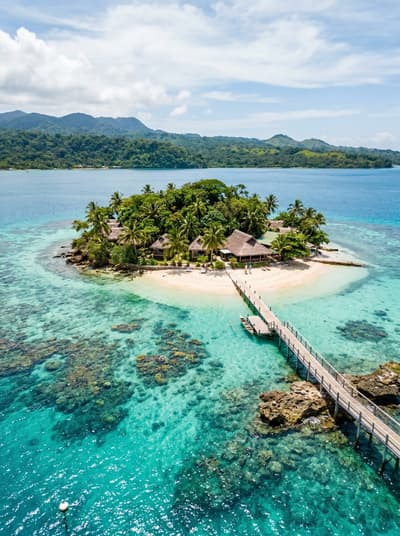
Post a waterproof postcard from the world's only underwater post office, then snorkel its coral reef.
Ureparapara
Vanuatu
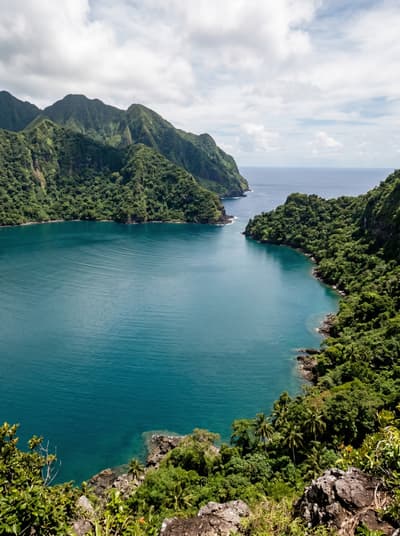
Sail into the flooded crater of a horseshoe-shaped volcanic island where fewer than 500 people remain.
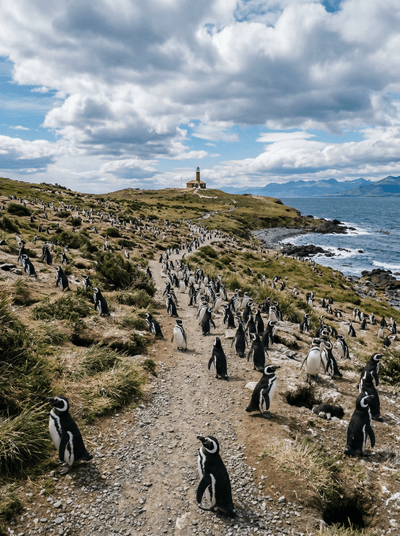
Isla Magdalena
Chile
Magellanic penguins in their tens of thousands, nesting so close you walk through their colony.
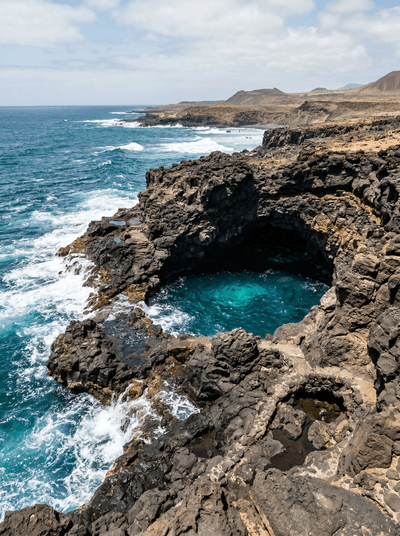
Buracona
Cape Verde
At midday, sunlight plunges through volcanic rock and ignites an underwater cave into electric blue.
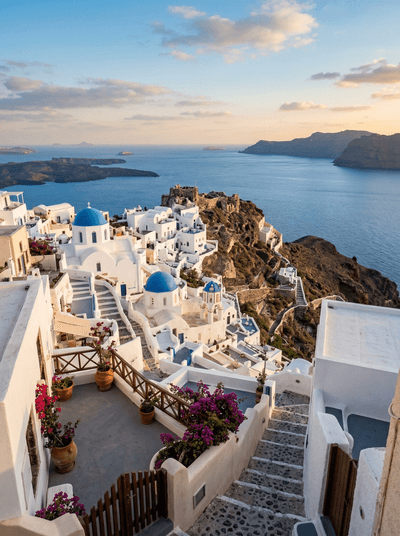
Santorini
Greece
White villages balanced on a caldera rim where the sea has flooded a volcano's shattered heart.
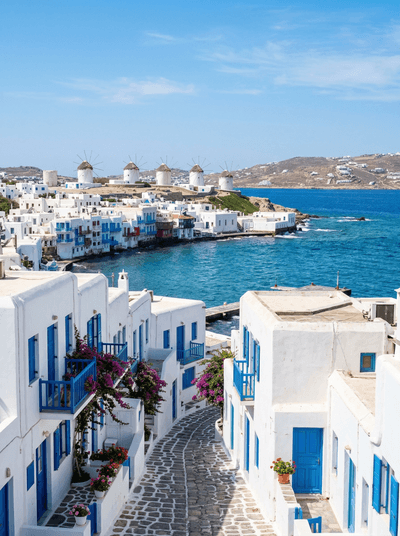
Mykonos
Greece
Windmills turning above a labyrinth of whitewashed lanes where the Aegean nightlife never stops.
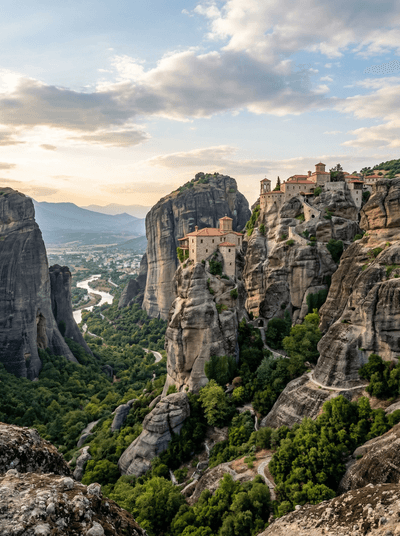
Meteora
Greece
Monasteries balanced on sandstone pillars 300 metres above the plain, reached by rope and faith.
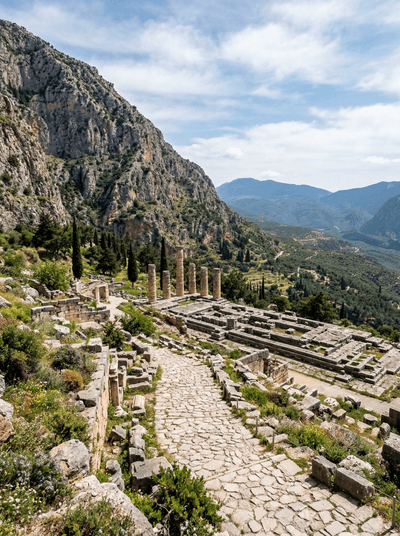
Delphi
Greece
Stone terraces climb a sacred mountainside where the ancient world came to hear the oracle speak.