Greece
Meteora
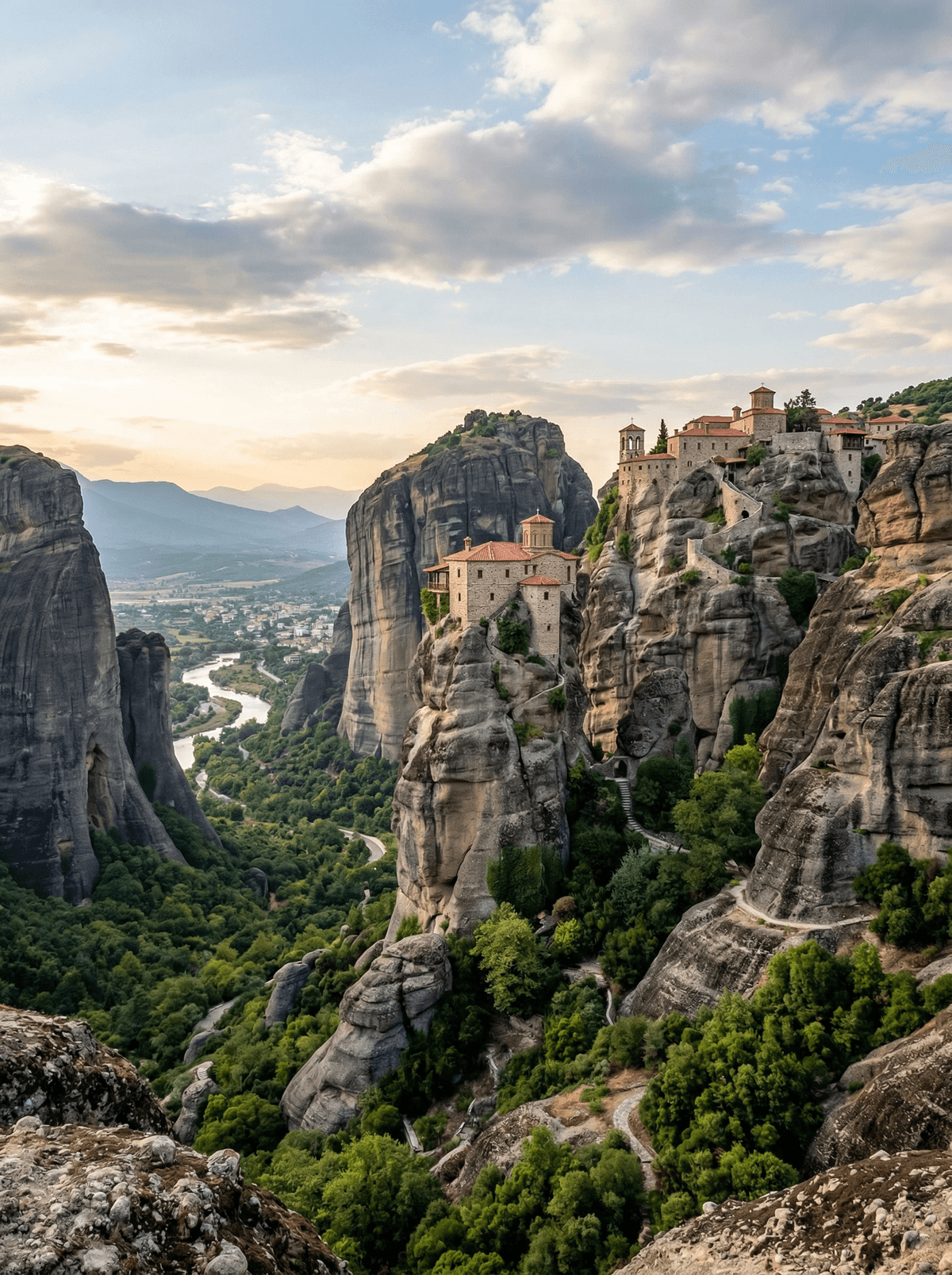
Monasteries balanced on sandstone pillars 300 metres above the plain, reached by rope and faith.
The sandstone pillars rise from the Thessalian plain like the fingers of a buried hand, dark rock columns rising hundreds of metres. At their summits, whitewashed monasteries cling to the stone — reached for centuries only by ladders, nets and windlasses, and by the faith to use them.
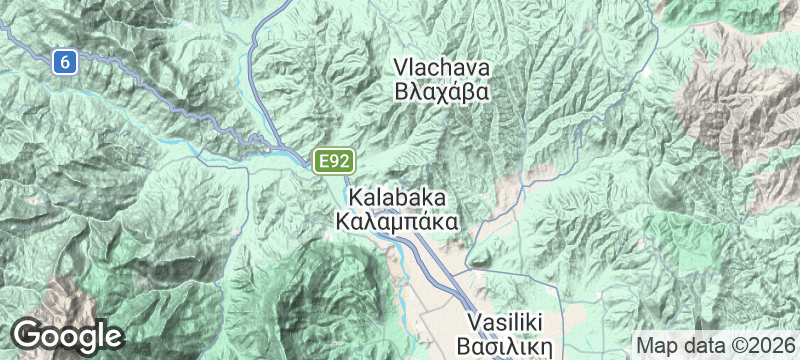
Hermits occupied Meteora’s caves before monasteries took shape on the summits, creating a religious landscape unlike any other in Greece. Frescoed churches, small museums and monastic courtyards reward patient visits, while road viewpoints show how dramatically the pillars rise from Kalabaka and Kastraki. Old footpaths make it possible to experience the landscape between the monasteries rather than only from a coach window.
Solo
Quiet footpaths, working monasteries and time to sit with the scale of the rock landscape.
Couple
A slow circuit of monasteries and viewpoints, followed by an evening beneath the pillars in Kastraki.
- Six Orthodox monasteries remain active among Meteora’s immense rock pillars.
- Hermits settled caves here from the 11th century before monasteries occupied the summits.
- Historic access relied on ladders, nets and windlasses; today visitors climb stone steps.
- Road viewpoints and old footpaths reveal different layers of the monastic landscape.
Slow-grilled lamb beneath the pillars at Xarama in Kastraki, family-run since 1982.
The Vlach kitchens of Kalambaka do the region's pies and grilled trout.
Quebrada de Humahuaca
Argentina
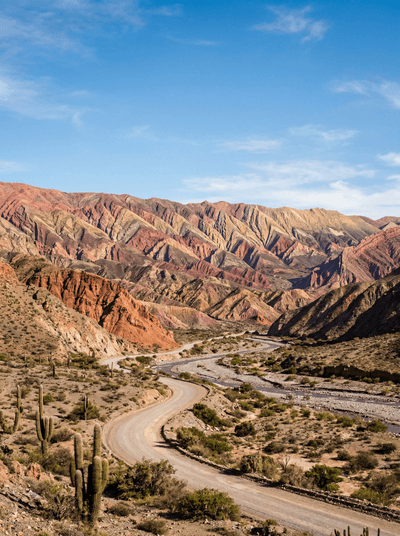
A canyon of painted strata where Andean trade routes thread villages older than the conquest.
Tana Toraja
Indonesia
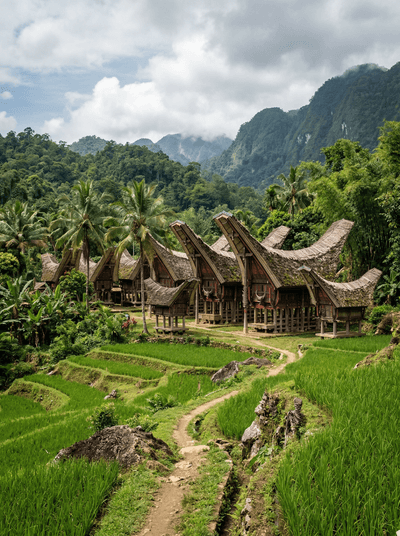
Cliff tombs watched by wooden effigies, in highlands where funerals set the calendar.
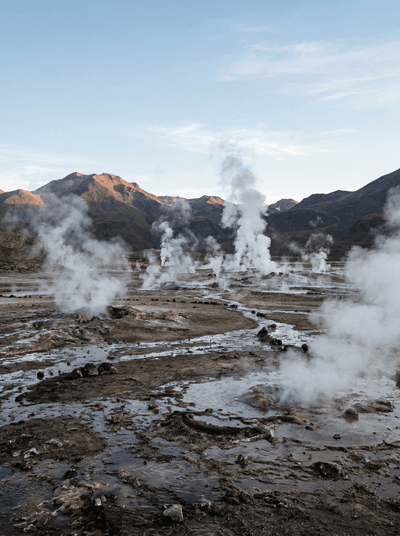
El Tatio Geysers
Chile
Steam columns rise into freezing dawn air at 4,300 metres in the Andes.
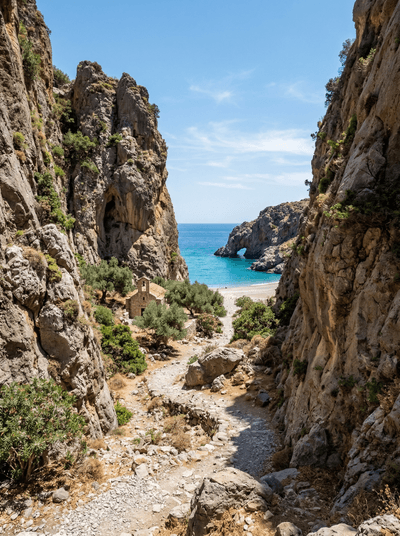
Agiofarango Gorge
Greece
Three hundred hermits once lived this gorge — a cave chapel and the Libyan Sea remain.
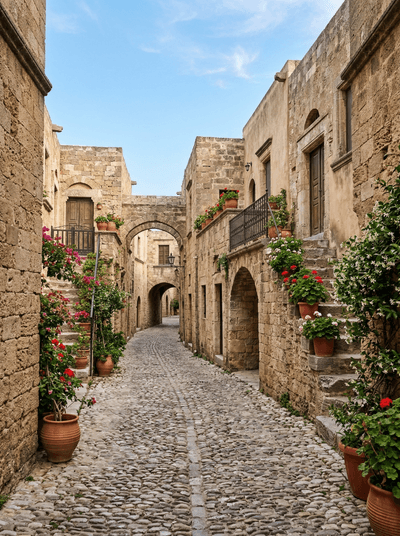
Rhodes Old Town
Greece
Medieval stone streets sealed inside fortress walls where Knights of St John once marshalled for crusade.
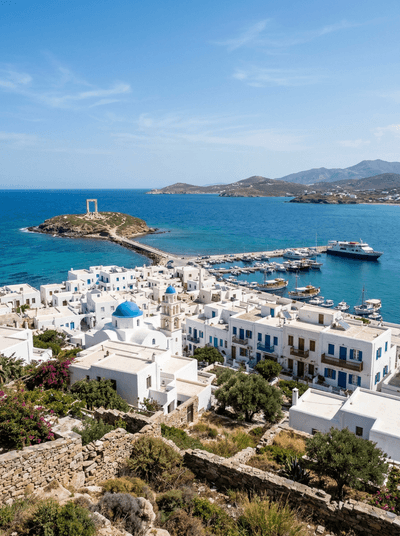
Naxos
Greece
A marble gateway stands unfinished on the harbour, abandoned mid-construction 2,500 years ago.
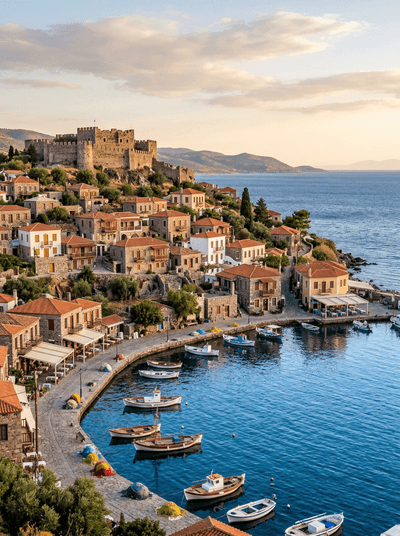
Lesbos
Greece
A petrified forest of 20-million-year-old trees stands upright on volcanic hillsides above olive groves.