United States
Point Reyes
Fog wraps a peninsula riding a different tectonic plate, where tule elk graze above the surf.
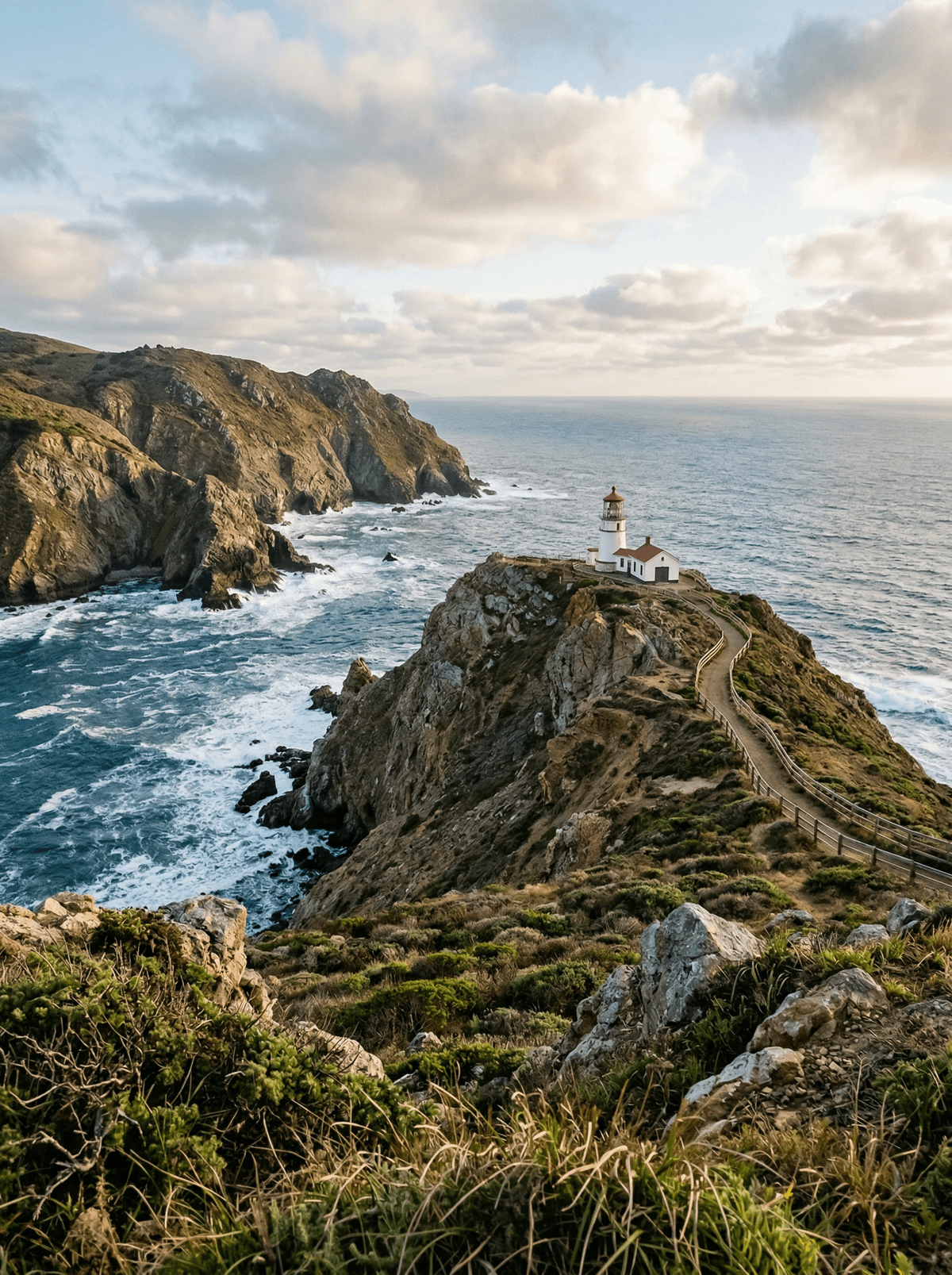
Fog rolls in from the Pacific and wraps the headland in grey cotton, muffling everything: the lighthouse foghorn, the elephant seals barking on the beach below, the creak of the oyster boats in Tomales Bay. The grass on the bluffs bends permanently landward, shaped by decades of wind. When the fog lifts, the coastline appears in sharp focus: white cliffs, dark sand, tule elk grazing above the surf.
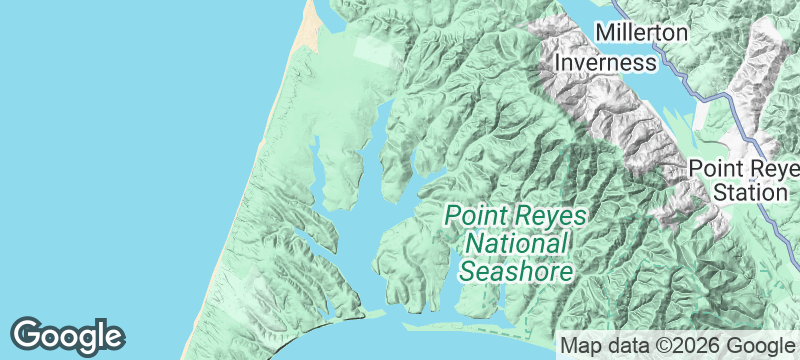
Point Reyes National Seashore, the West Coast's only, occupies a triangular peninsula north of San Francisco that rides the Pacific Plate, sliding past the rest of California along the San Andreas Fault, whose drowned valley is Tomales Bay. In the 1906 earthquake the peninsula lurched about twenty feet northward in moments; a split fence on the Earthquake Trail still marks the offset. The lighthouse sits at the bottom of 308 steps on the windiest point of the headland, and from there and Chimney Rock gray whales pass within view between December and May, while elephant seals haul out below in winter. Tule elk, reintroduced in the late 1970s after vanishing from the coast, graze the Tomales Point headlands, and over 1,500 species of plants and animals share the fog line between the breakers and the forested ridges.
Solo
Fog, fault line, drowned valley: Point Reyes layers geology, ecology and solitude in a peninsula you can explore for days without repeating a trail. Walking down to the lighthouse in the mist, whales passing below, is as atmospheric as the West Coast gets.
Couple
Shucking oysters at a picnic table on Tomales Bay, then driving to the lighthouse for sunset, creates a day that moves between indulgence and wildness. The creameries, oyster farms and coastal inns make Point Reyes as much about food as landscape.
- The peninsula rides the Pacific Plate and lurched about twenty feet northward in the 1906 earthquake; a split fence on the Earthquake Trail still shows the offset.
- From the lighthouse, 308 steps down the headland, and from Chimney Rock, gray whales pass within view between December and May.
- Tomales Bay, the drowned valley of the San Andreas Fault, gives calm water for kayaking past oyster farms and seal haul-outs.
- Over 1,500 species of plants and animals live between the ocean breakers, the grasslands and the forested ridges.
Hog Island oysters shucked at your own picnic table on Tomales Bay: forty years of sustainably grown oysters, eaten feet from the water that made them.
Point Reyes Original Blue from the fourth-generation family dairy beside the seashore, best with crusty sourdough.
Tatami Ridge (Kumejima)
Japan
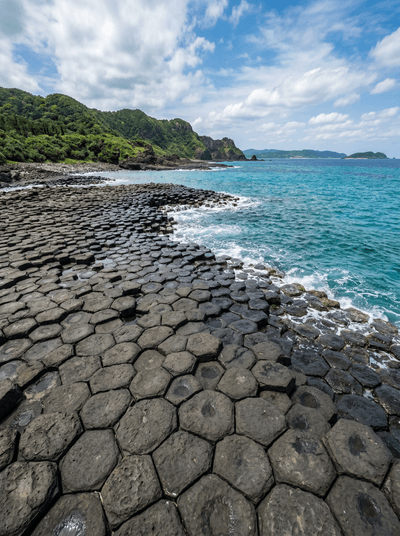
Hexagonal basalt slabs stretching into turquoise shallows like a giant's abandoned floor.
Colonsay
Scotland
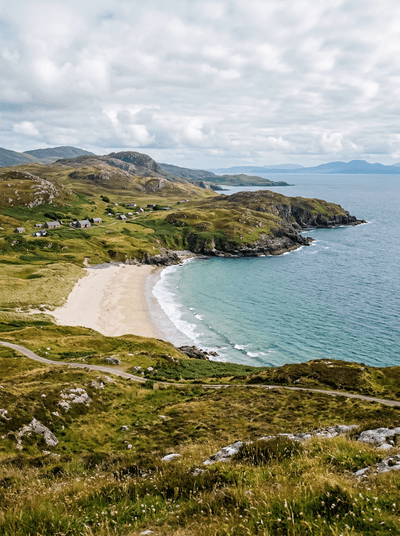
A tide-linked island that blooms so wildly botanists cross the country for it.
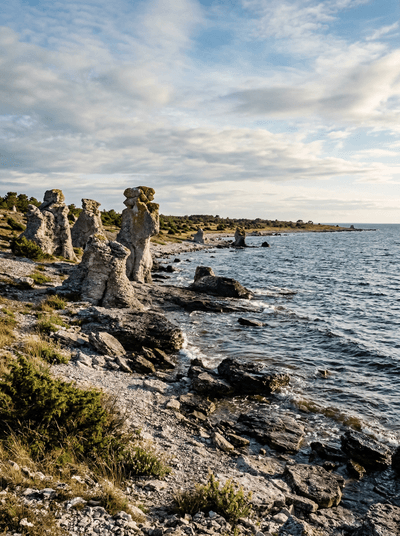
Fårö
Sweden
Wind-carved limestone sea stacks stand sentinel on Bergman's island of silence and stone.
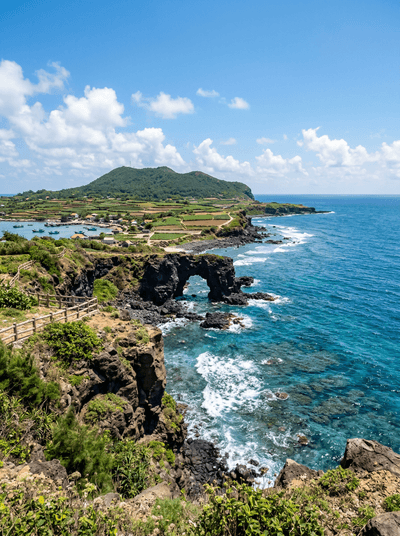
Ly Son Island
Vietnam
A volcanic island quilted in garlic fields stretching toward basalt cliffs and the sea.
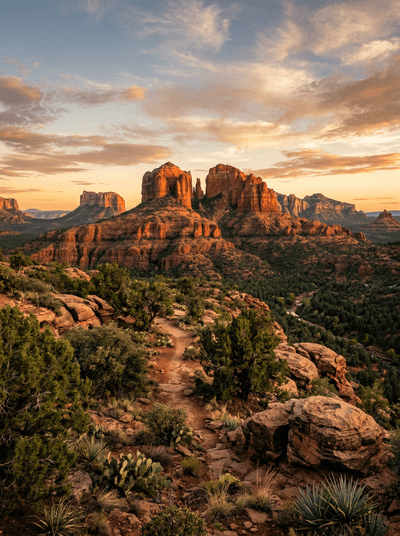
Sedona
United States
Red rock cathedrals rising from the desert where pilgrims come to feel the ground hum.
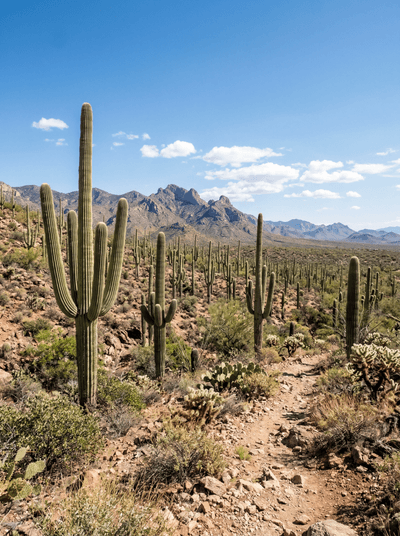
Saguaro
United States
Cathedral stands of giant cacti with arms raised, some nearly two centuries old.
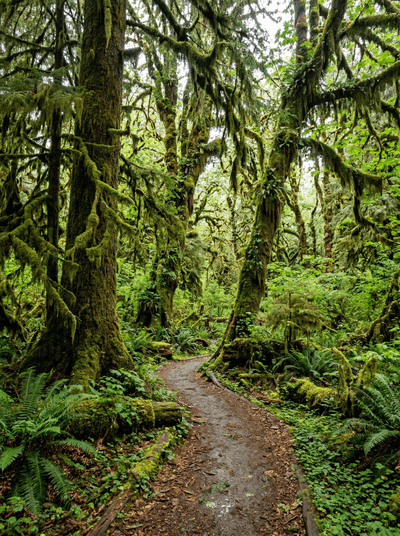
Hoh Rainforest
United States
Twelve feet of rain a year drape the maples in moss that swallows sound whole.
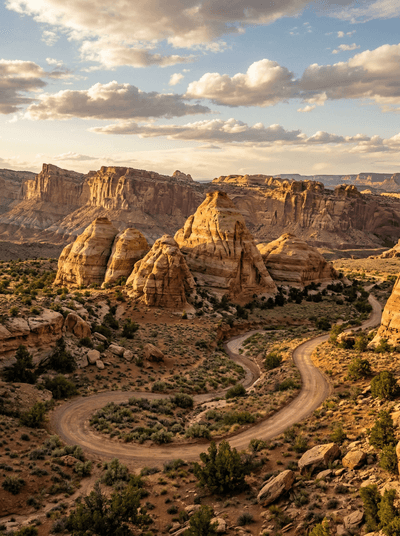
Capitol Reef
United States
Pioneer orchards still bearing fruit inside a hundred-mile wrinkle in the Earth's crust.