United States
Capitol Reef
Pioneer orchards still bearing fruit inside a hundred-mile wrinkle in the Earth's crust.
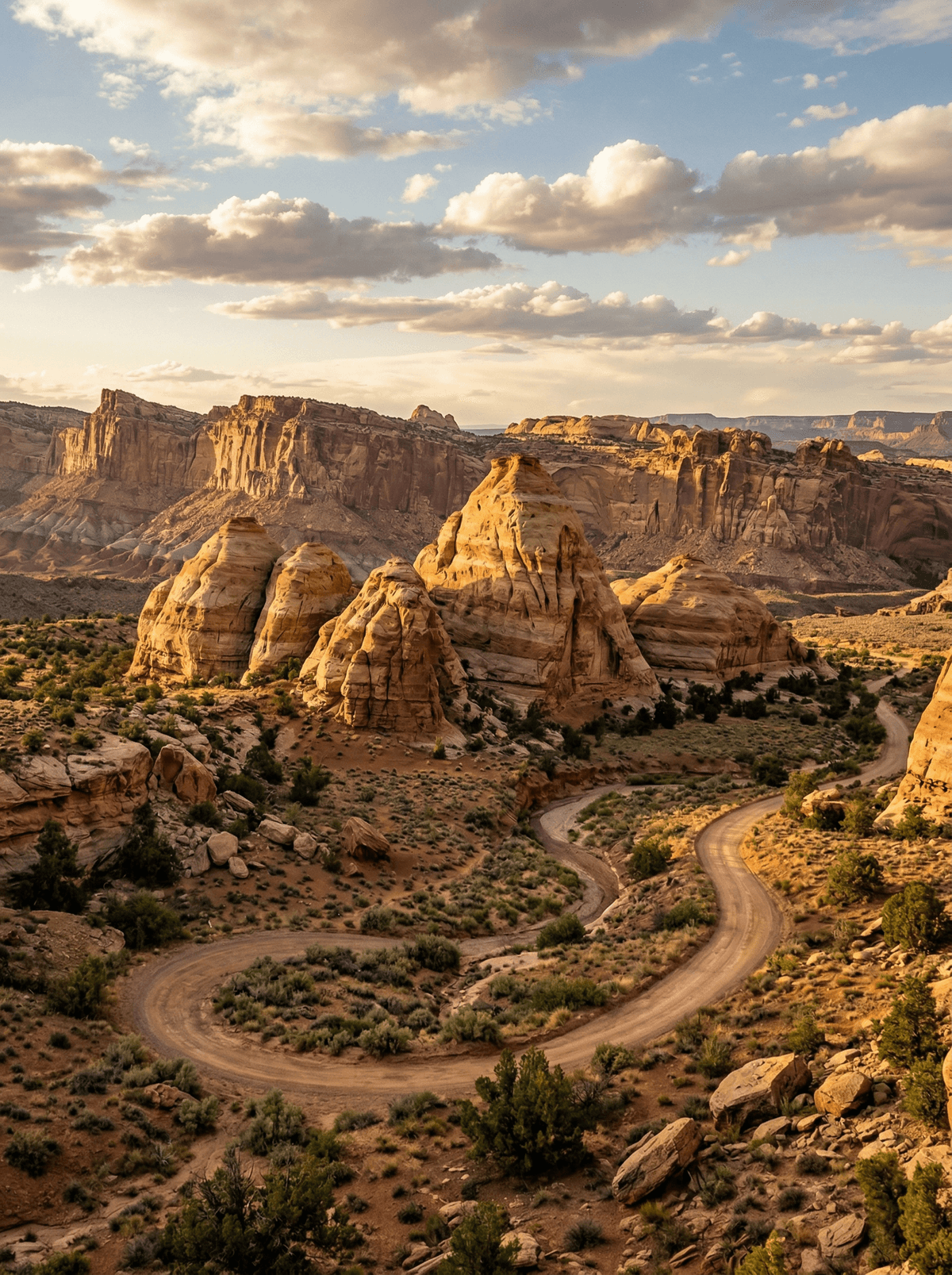
The orchards come as a shock. After hours of red-rock desert you round a bend into rows of fruit trees, watered through the same ditches Latter-day Saint settlers dug in the 1880s, while behind the green the Waterpocket Fold rises in layers of cream, ochre and rust.
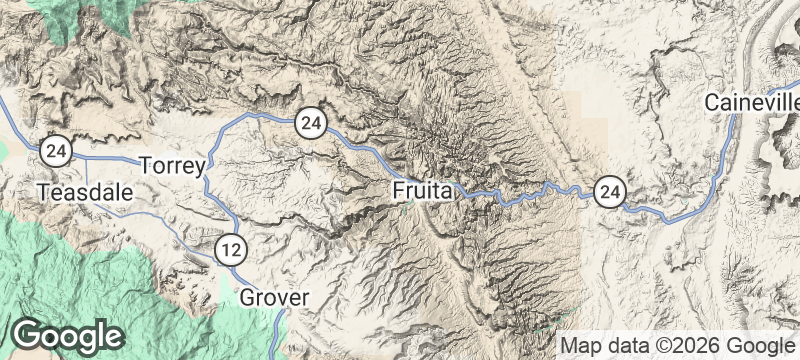
Capitol Reef protects the Waterpocket Fold, a geological monocline, a wrinkle in the earth running almost a hundred miles through southern Utah. In its sheltered heart lies Fruita, where pioneers planted thousands of fruit trees along the Fremont River and fed their families from them for eighty years; the park still maintains roughly 1,900 trees with the settlers' own heritage techniques, gravity ditches included. When the U-Pick signs go up, visitors harvest apricots, cherries, peaches and apples straight from the branch, apricots around midsummer and apples through the autumn, paying at an honesty station among the trees. The old Gifford homestead nearby sells fruit pies and ice cream, and beyond the green the fold's domes and canyons carry on for days of quieter exploring than Utah's famous parks allow.
Solo
This is the quiet one in Utah's park lineup: pick fruit in a pioneer orchard, then walk into the fold's quieter canyons beyond the busiest Fruita stops.
Couple
Pick ripe peaches together, split a homestead pie under the cottonwoods and watch the cliff line go red while everyone else queues elsewhere.
Family
Children harvest fruit from real trees with real ladders, pay at the honesty box and learn the whole park through their hands.
- Pioneers planted thousands of fruit trees in the Fremont valley, and the park still tends roughly 1,900 of them with the settlers' heritage techniques.
- When the U-Pick signs go up, visitors harvest apricots, cherries, peaches and apples straight from the branch and pay at an honesty station.
- The Waterpocket Fold runs almost a hundred miles, a single wrinkle in the crust the park exists to protect.
- The Gifford homestead sells fruit pies and homemade ice cream in the old family house among the orchards.
Fruit picked from the pioneer orchards in season, apricots at midsummer and apples into autumn, paid for at the honesty box.
A Gifford homestead fruit pie eaten under the cottonwoods, baked from the same valley's harvest.
Sete Cidades
Portugal
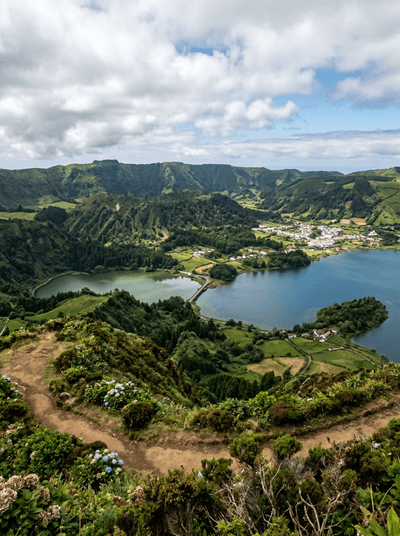
Twin crater lakes, one emerald, one sapphire, filling a caldera wreathed in mist.
Blyde River Canyon
South Africa
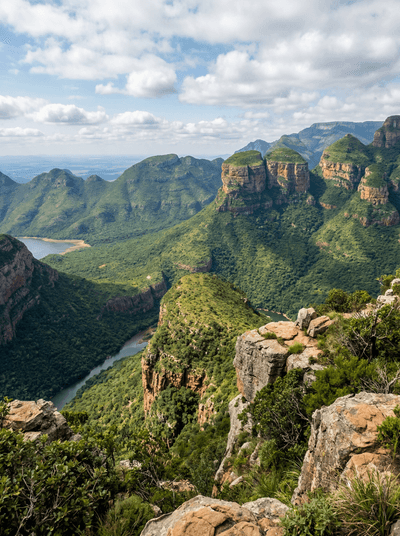
Green canyon walls fold around a blue reservoir beneath three round mountain heads.
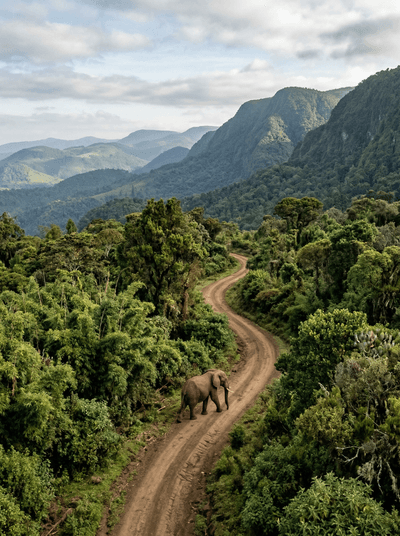
Aberdare National Park
Kenya
Mist-soaked moorlands and waterfalls above a forest where leopards pass treetop lodges at night.
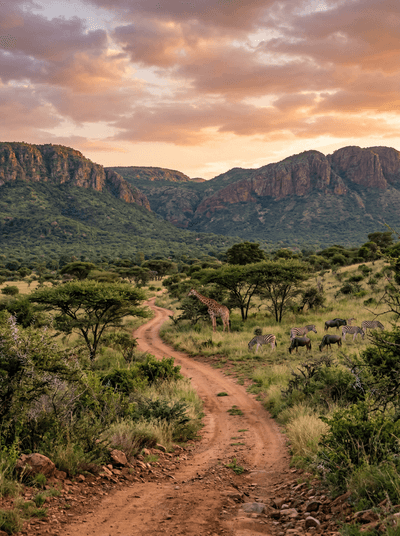
Marakele National Park
South Africa
A mountain road climbs towards a cliff colony of Cape vultures above savanna.
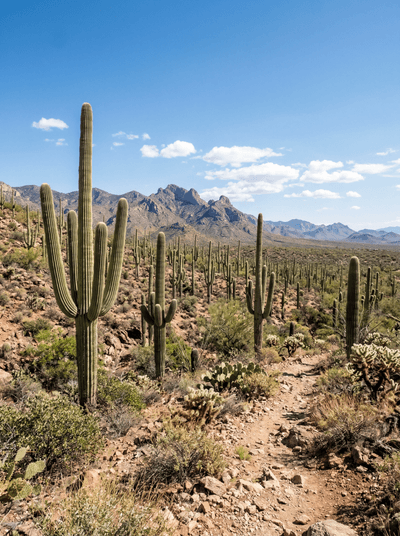
Saguaro
United States
Cathedral stands of giant cacti with arms raised, some nearly two centuries old.
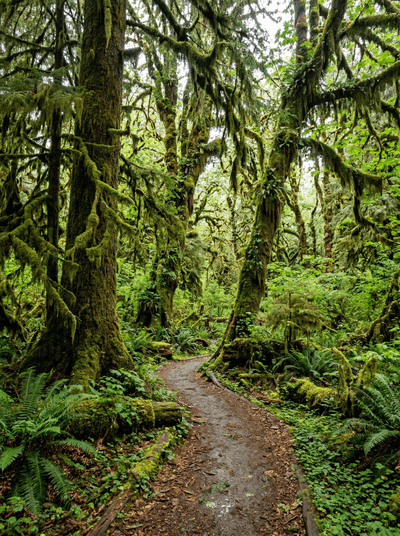
Hoh Rainforest
United States
Twelve feet of rain a year drape the maples in moss that swallows sound whole.
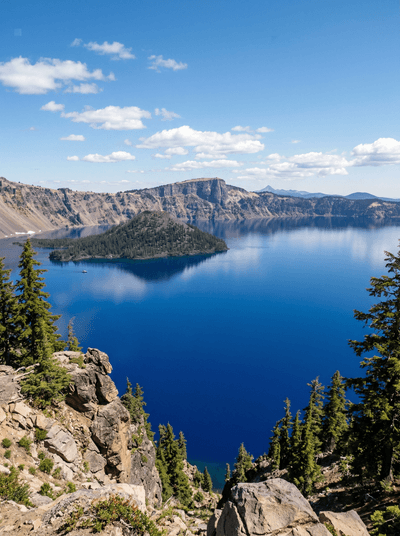
Crater Lake
United States
The deepest lake in America filling a collapsed volcano in a blue that defies photography.
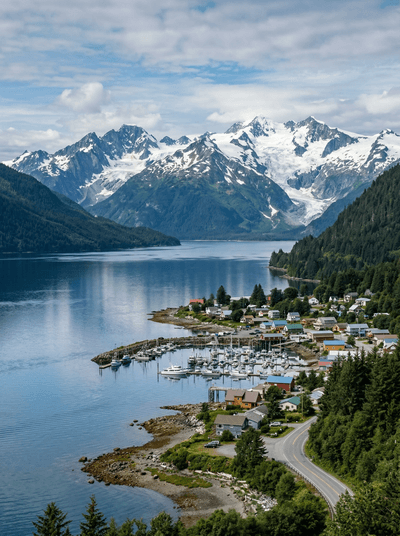
Haines
United States
Thousands of bald eagles gathering on one river in the shadow of coastal glaciers.