
Chile
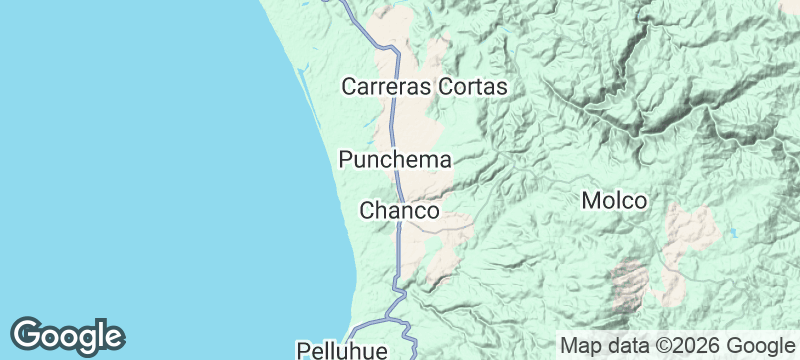
Reserva Nacional Federico Albert (Chanco)
A planted forest tells how one town stopped the coastal dunes from swallowing its fields.
Pine scent and bird calls now fill ground once threatened by moving sand. Easy paths reveal the living result of a deliberate restoration effort.
Federico Albert preserves the forest established to stabilise advancing dunes beside Chanco. CONAF's short trails make the ecological history accessible, while the nearby town and coast extend the visit. The wonder is not wilderness but a landscape repaired through long human work.
Solo
Easy interpretive trails make the restoration story clear without a guide or demanding terrain.
Family
Children can see how planted forest stopped moving dunes, then continue to Chanco or the coast.
- Federico Albert preserves the planted forest that stopped coastal dunes from swallowing Chanco's fields.
- Easy interpretive trails make the restoration story readable within a relaxed half day.
- Chanco's own farmhouse cheese tradition and the nearby coast round the visit into a full outing.
Chanco cheese has a soft, creamy character tied to the Maule town's dairy tradition.
Loanco's licensed coastal kitchens bake seafood empanadas and serve fresh congrio.
Azrou
Morocco
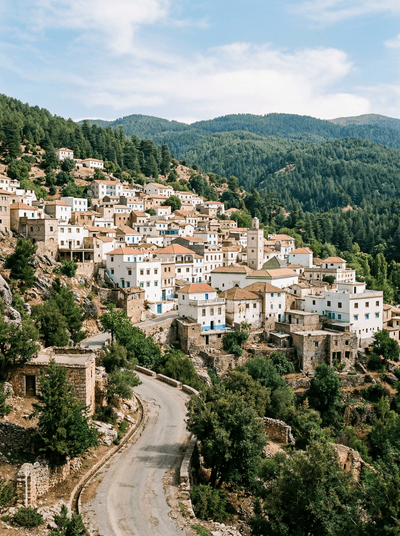
Cedar trunks swallow the road outside Azrou, where macaque families wait beside the picnic tables.
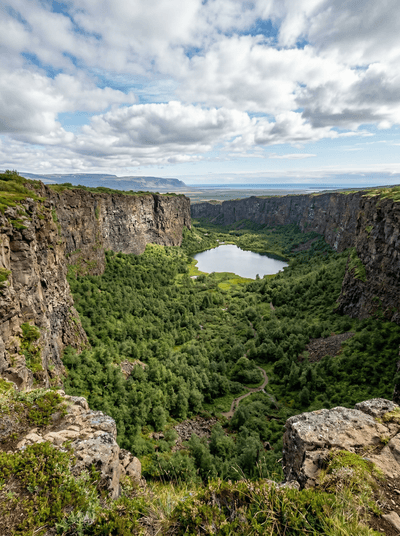
Ásbyrgi Canyon
Iceland
A vast horseshoe of skyscraper cliffs sheltering a birch forest that hums with birdsong.
Tram Chim National Park
Vietnam
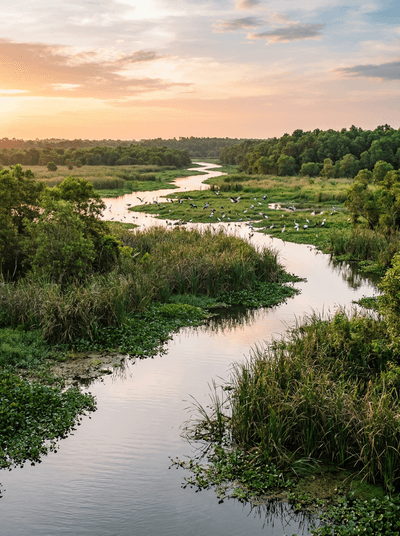
Flooded grasslands stretching to the horizon, where Vietnam is coaxing its cranes home.
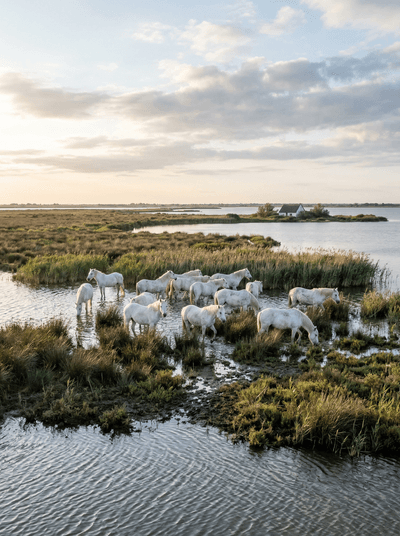
Camargue
France
White horses galloping through salt marshes where flamingos turn the shallow lagoons pink.
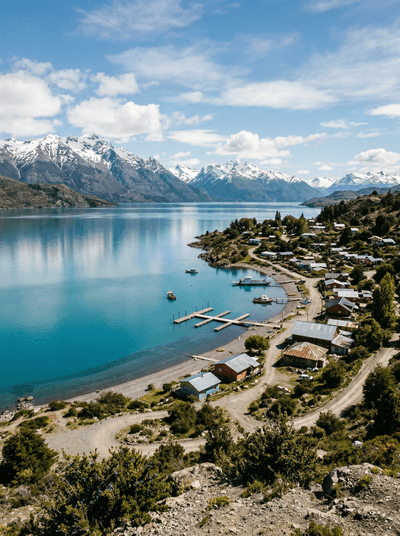
Chile Chico
Chile
Orchards and bright glacial water open onto Patagonia's Jeinimeni country.
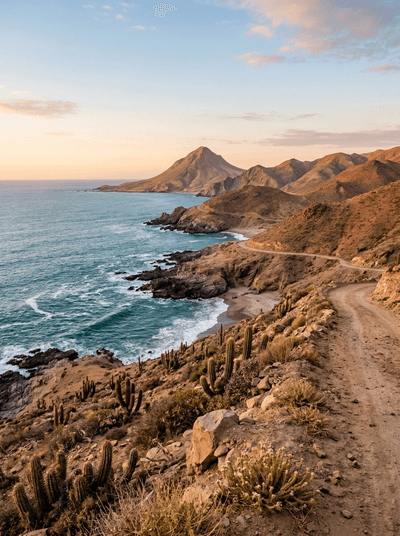
Parque Nacional Pan de Azúcar
Chile
Cactus-covered desert slopes fall straight into cold Humboldt Current coves.
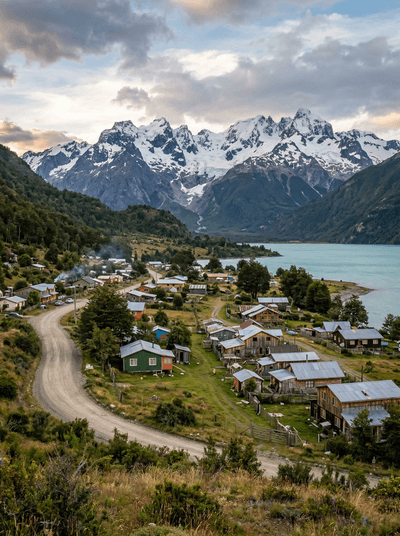
Villa O'Higgins
Chile
Route 7 ends where ferries and trails continue into lakes and Patagonian ice.
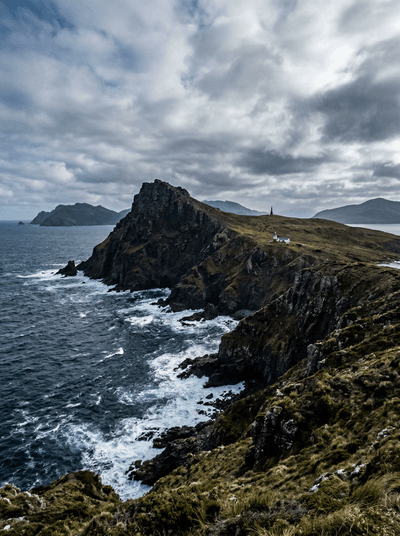
Cabo de Hornos (Cape Horn)
Chile
A lighthouse and albatross memorial face one of navigation's most storied headlands.