
Chile
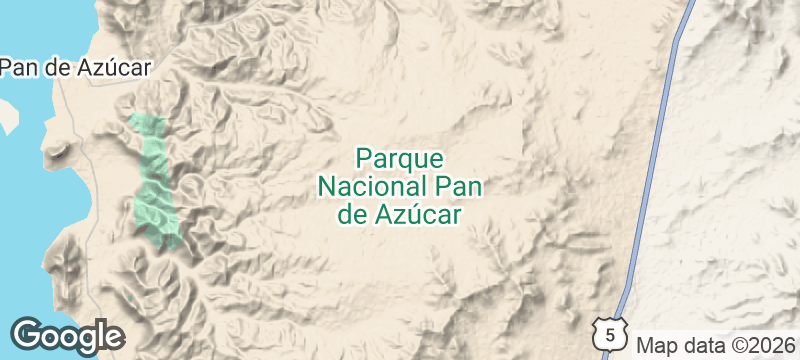
Parque Nacional Pan de Azúcar
Cactus-covered desert slopes fall straight into cold Humboldt Current coves.
Tall cacti stand above a coast washed silver by morning fog. Offshore islands hover beyond water too cold and rough for casual swimming.
Pan de Azúcar protects a rare meeting of coastal desert, coves and marine habitat. Access requires a private vehicle or operator, and CONAF warns that the beaches are unsafe for bathing. Trails and viewpoints reveal the ecological contrast without depending on a wildlife sighting.
Solo
A self-contained road circuit works for an experienced driver who respects the park's no-swimming warning.
Family
Cactus trails and coastal lookouts give children contrast without entering dangerous Humboldt water.
- Pan de Azúcar joins cactus-rich coastal desert, quiet coves and offshore island habitat on the Atacama coast.
- Reaching it takes a private vehicle or an operator, and its cold, rough beaches are no place to swim.
- Marked trails and viewpoints carry the day while the animals appear on their own terms.
Arrive provisioned from Chañaral — the park runs without food services.
Carry ample water — shade is as scarce as services along the trails.
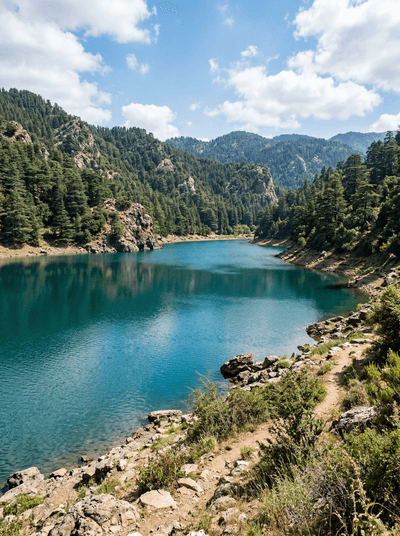
Aguelmame Azigza
Morocco
A blue-green lake fills a limestone bowl where cedar forest comes down to the water.
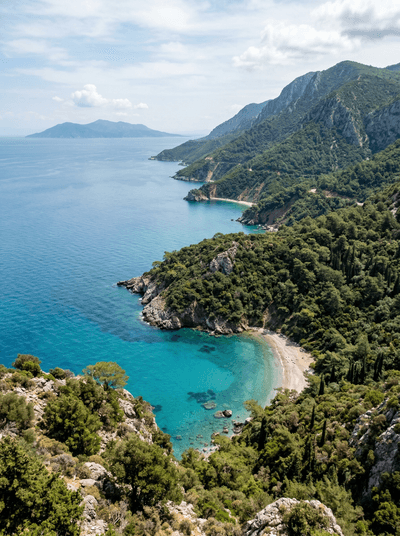
Dilek Peninsula
Turkey
Wild horses drink from Aegean coves in a national park where pine forest meets the sea.
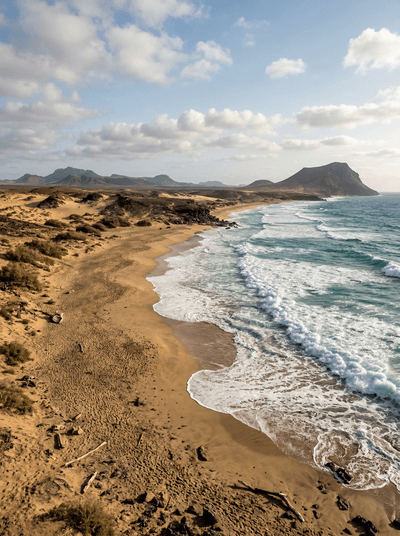
Ervatão
Cape Verde
Loggerheads of the world's third-largest nesting population drag ashore here in the summer dark.
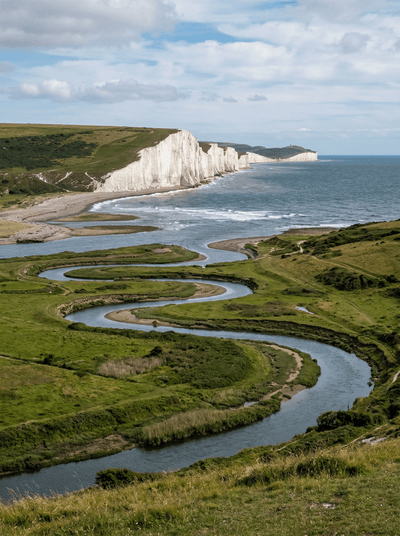
Cuckmere Haven
England
A river meandering to the sea through chalk cliffs that glow white against storm-grey skies.
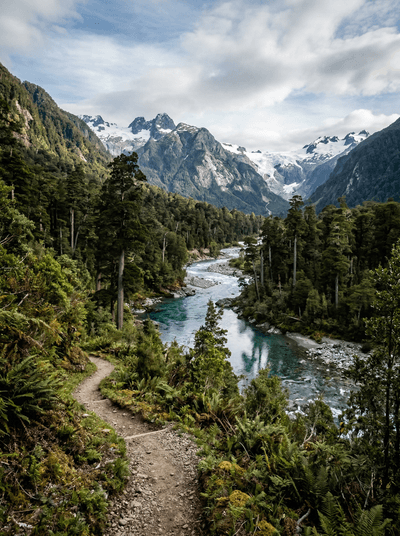
Parque Pumalín Douglas Tompkins
Chile
Ancient temperate forest fills the space between volcanoes and Patagonian fjords.
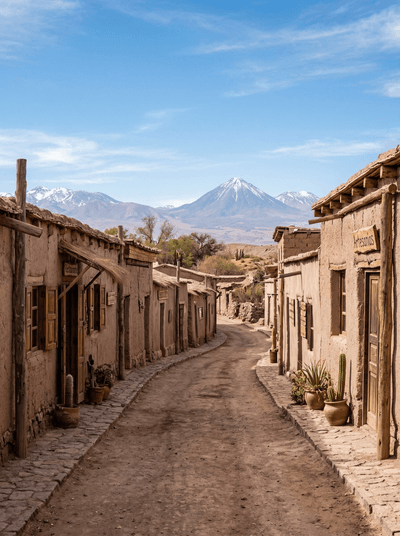
San Pedro de Atacama
Chile
Adobe lanes lead to salt valleys, high lagoons and a sky crowded with stars.
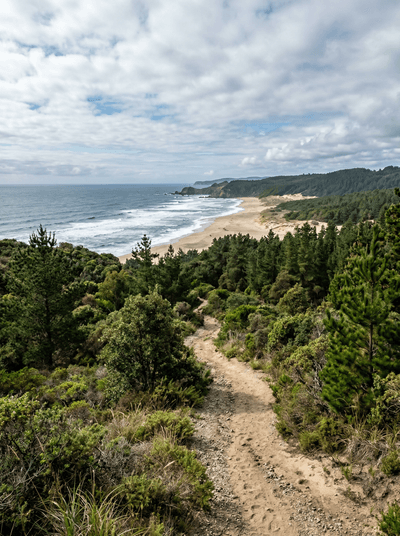
Reserva Nacional Federico Albert (Chanco)
Chile
A planted forest tells how one town stopped the coastal dunes from swallowing its fields.
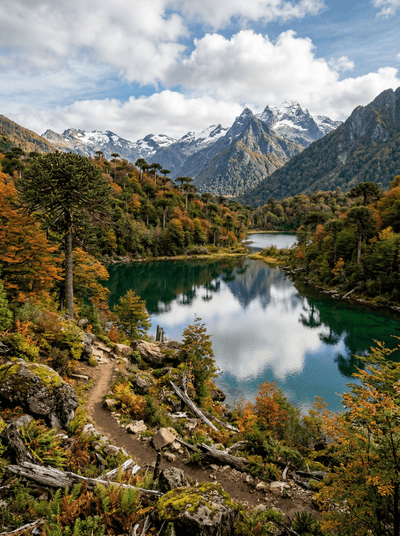
Parque Nacional Huerquehue
Chile
Jade lakes appear one after another along trails beneath ancient araucaria crowns.