Portugal
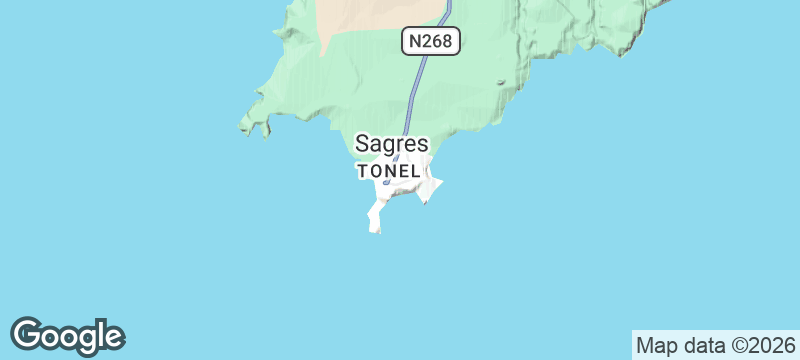
Sagres
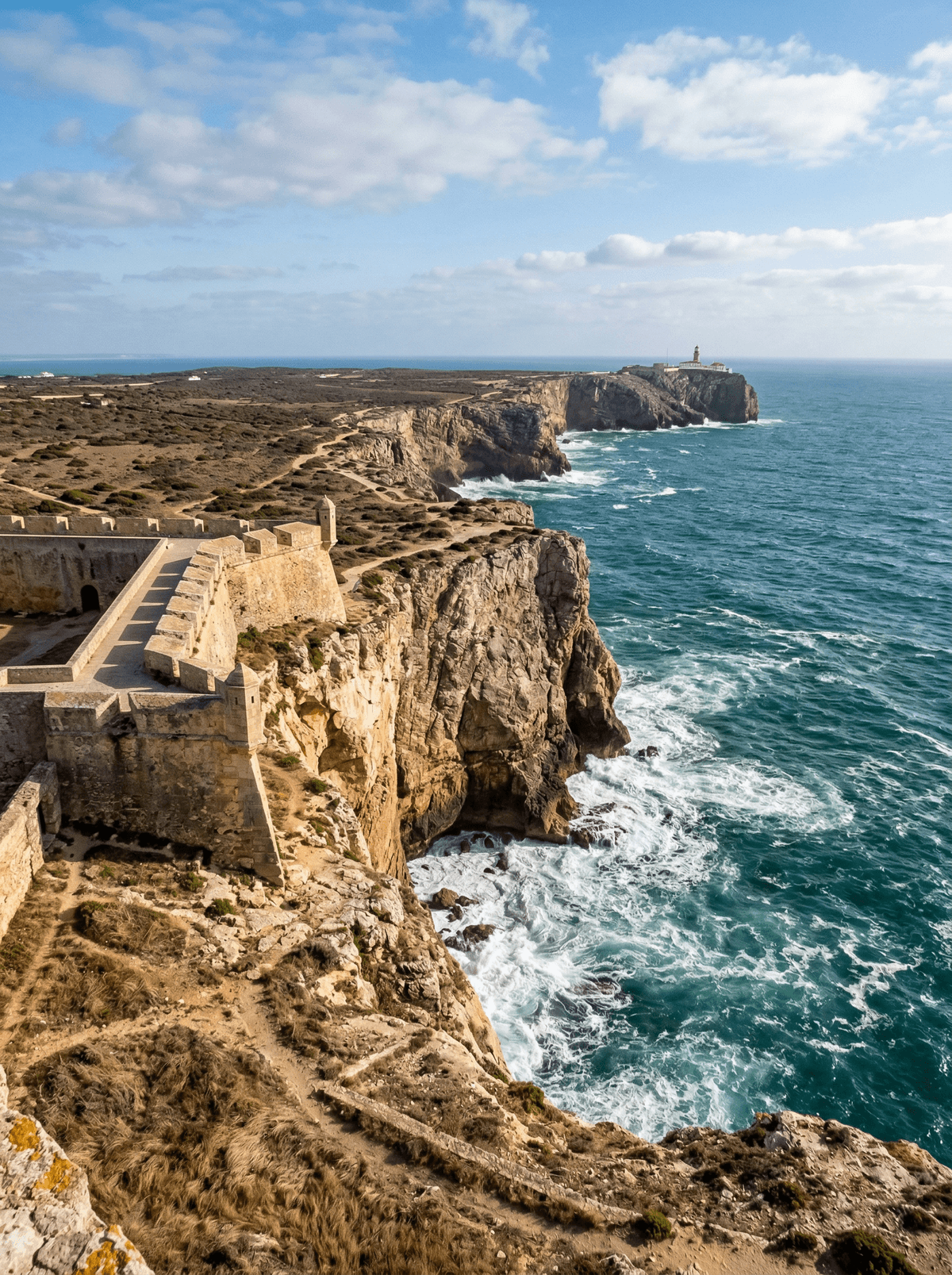
Wind strips the promontory raw — beyond this cliff, cartographers once drew sea monsters.
The wind does not pause here. It peels across the promontory in gusts that flatten the scrub and throw spray over the fortress walls. Beyond the cliff edge there is nothing — just Atlantic, stretching south and west to the edge of the medieval world. The lighthouse blinks. The fishing boats look very small.
Sagres holds the south-western tip of mainland Europe, its eighteenth-century fortress enclosing the Rosa dos Ventos — a 43-metre stone compass rose whose origins historians still argue over, much as they now question how much of Prince Henry's fabled navigation school truly operated on this headland. What is beyond argument: the cliffs stay exposed whatever the season, and the barriers and warnings mean exactly what they say. The surf does not need mythology — Tonel, Beliche and Mareta catch Atlantic swell from multiple directions, among Europe's most consistent breaks, and the steady northwest wind that stripped the headland raw makes the bay kite and windsurf country by nature. Autumn migration funnels raptors and seabirds over the cape toward Africa, the Vicentine Coast park holds development back from the cliff edge, and local fishermen still work rods over the great drops, a local craft honed across generations.
Solo
Sagres draws a self-sufficient crowd — surfers, hikers, birders — who come for the elements. The world's-edge atmosphere settles best alone, at dusk, wind at your back.
Couple
The raw drama of the headland, percebes and wine at the harbour, and sunsets that fall directly into the ocean — romantic in the wild, windswept sense.
Friends
The surf justifies the trip on its own; add Rota Vicentina coastal hiking and the town's laid-back bars, and the headland becomes base camp for a week of Atlantic days.
- Cape St Vincent nearby is continental Europe's southwesternmost point — last land toward the Americas.
- The fortress encloses a 43-metre stone compass rose whose purpose remains argued over.
- The Vicentine Coast park holds construction back from the cliff edge.
- The steady northwest wind makes the bay kite and windsurf country by nature.
Percebes and grilled fish at the harbour, the boats visible from the table.
Cataplana of clams and chouriço cracked open on a wind-battered terrace.
Mazunte
Mexico
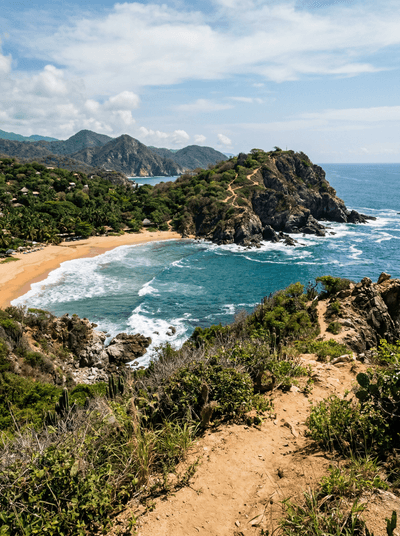
Pacific headlands, turtle conservation and a lived-in beach village share one small coast.
Kaş
Turkey
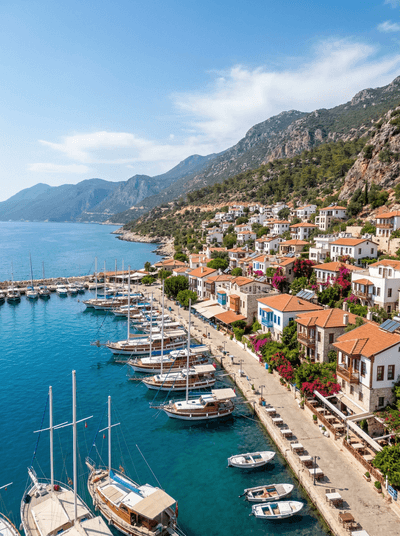
Lycian tombs glow orange at sunset above a harbour where sea kayaks launch toward sunken ruins.
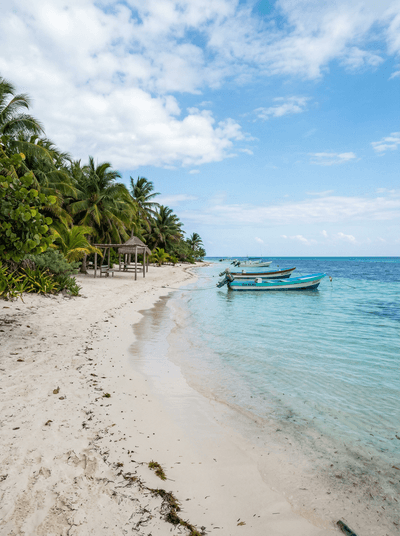
Isla Holbox
Mexico
On summer nights the island's shallows light up electric blue at every footstep.
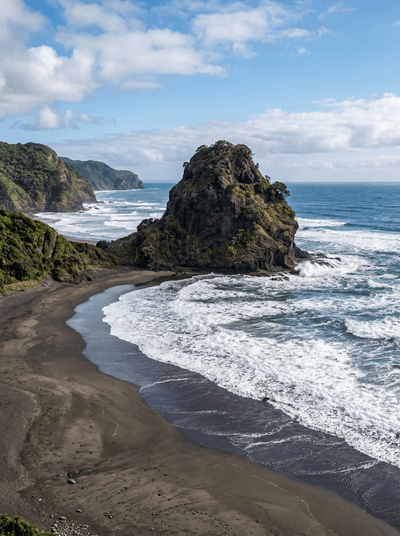
Piha
New Zealand
Black iron-sand beneath a lion-shaped monolith where the Tasman pounds relentlessly.
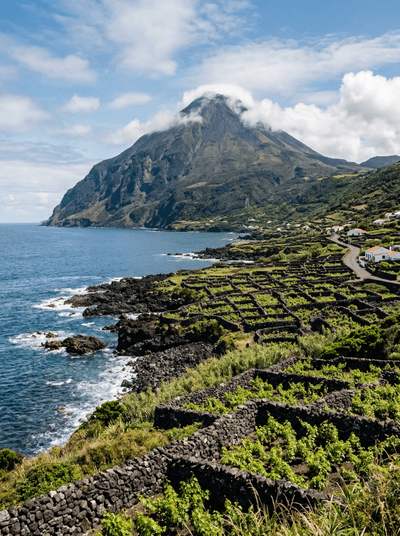
Pico
Portugal
Portugal's highest peak rises from the Atlantic above vineyards in black lava corrals.
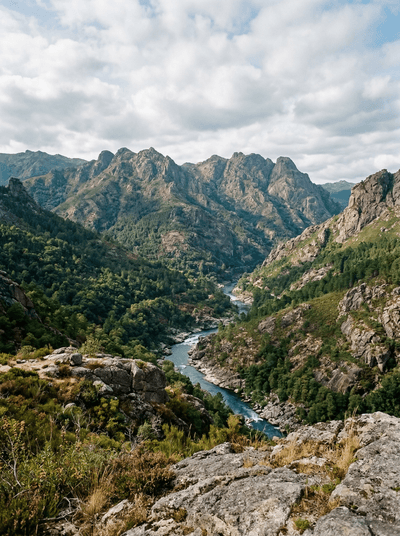
Peneda-Gerês
Portugal
Portugal's only national park — granite canyons, wild horses, Roman milestones on lost paths.
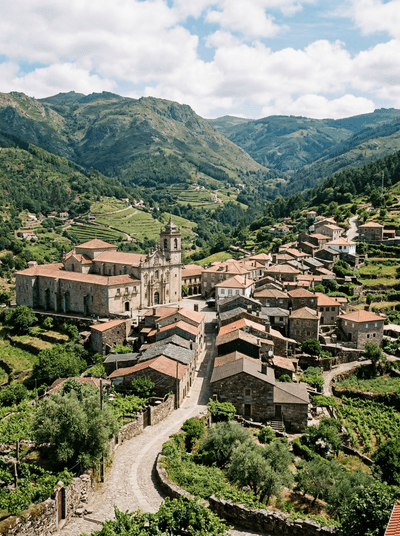
Arouca
Portugal
A 516-metre suspension bridge sways 175 metres above a gorge — Portugal's vertigo capital.
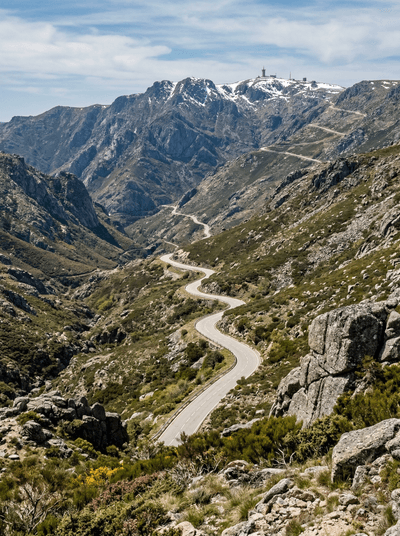
Serra da Estrela
Portugal
Portugal's highest range — glacial valleys, wild heath, and shepherd dogs the size of bears.