France
Saint-Émilion
A church carved underground and cellars cut into limestone beneath a village drowning in vines.
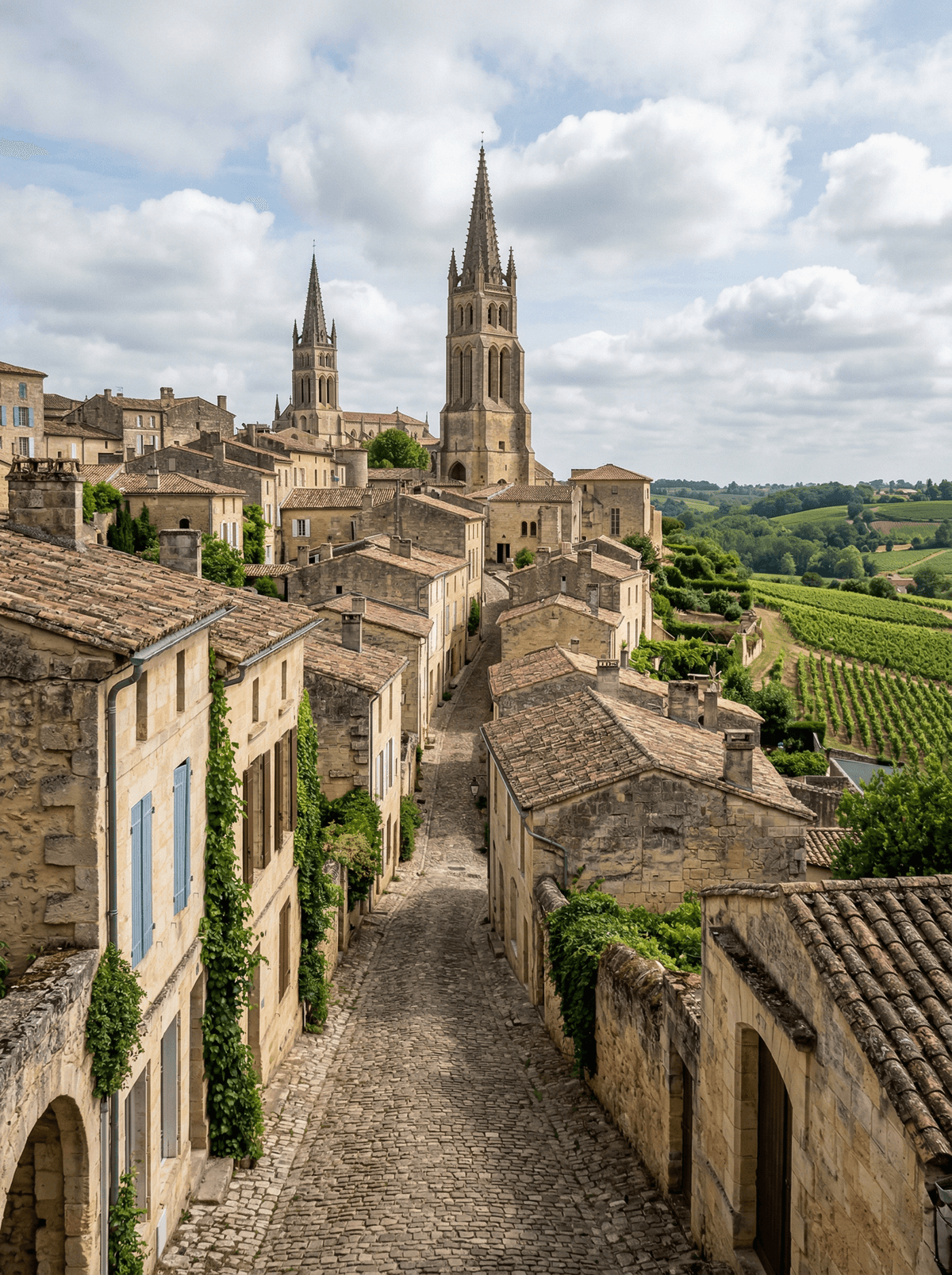
The vineyards start at the village wall and do not stop. Saint-Émilion, in France's Bordeaux country, spills down a limestone hill, its lanes worn into grooves by centuries of wine carts, its cellars carved into the rock directly beneath the cobbles you walk on — and below the church square an entire church waits in the dark, hewn out of the living limestone by medieval hands.
Saint-Émilion and the eight communes around it were listed by UNESCO in 1999 as the first wine landscape on UNESCO's list, and the village earns it: a medieval town of golden stone in a sea of vines, with the appellation's classification, drawn up in 1955 and revised roughly every decade, ranking the châteaux around it. The monolithic church is the astonishment — the largest underground church in Europe, dug out of a single mass of limestone between the eighth and twelfth centuries and visited only with the tourist office's guides, who take you down into the nave and the hermitage of the saint who gave the village its name. The plateau is riddled with the quarries that built Bordeaux, now cellars where the wine ages at cave temperature, and the macarons, made to an Ursuline recipe from 1620, are still baked in the village.
Couple
The guided descent into the underground church, a tasting in a cellar cut into the rock, then a walk out through the vines to a château for dinner. The village turns wine into architecture and architecture into atmosphere.
Friends
The vineyard paths connect estates where cellar-door tastings come with the winemaker's stories. Compare notes over macarons in the square and argue about which vintage was best — the argument is the point.
- A church carved entirely underground — the largest in Europe, hewn from a single mass of limestone — visited by guided tour from the square.
- Vineyard walks start at the village walls — no car needed, just follow the vines between the classified estates.
- The whole landscape is UNESCO-listed, the first wine region to be, with limestone quarries beneath the streets now ageing the wine.
- Macarons here are made to a 1620 Ursuline recipe — chewy, almond-intense, older than the Parisian kind by centuries.
Macarons de Saint-Émilion — chewy almond biscuits baked to the Ursulines' 1620 recipe, bought by the dozen in the village.
A Grand Cru Classé tasted in the limestone cellar where it aged, a few metres under the street.
Kinosaki Onsen
Japan
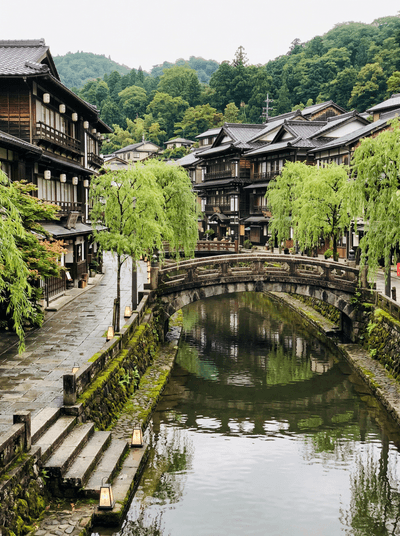
Willow-lined canals and seven public baths where you wander in yukata and wooden clogs.
Hakodate
Japan
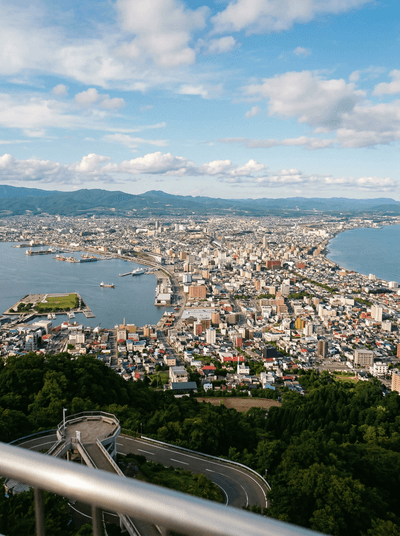
A million-dollar night view over a narrow waist of lights squeezed between two bays.
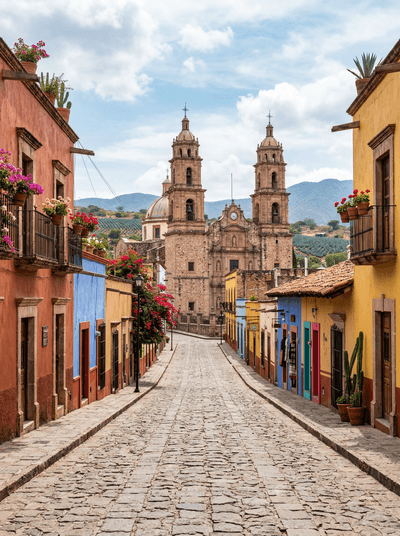
Tequila
Mexico
Blue agave fields stretch to the volcano's base, the spirit of Mexico distilled here for centuries.
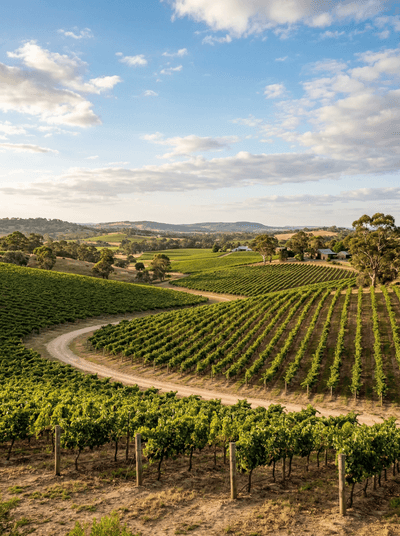
Barossa Valley
Australia
Stone cellar doors, century-old shiraz vines, and the weight of six generations in every glass.
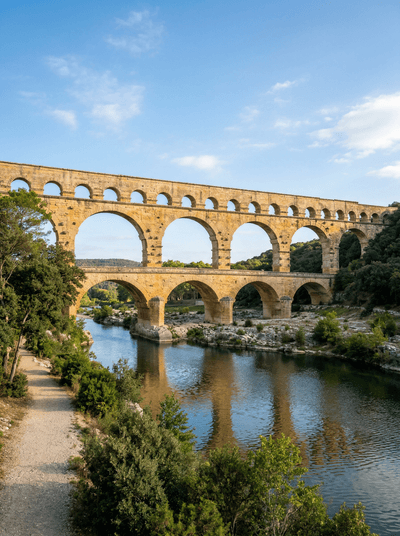
Pont du Gard
France
Three tiers of Roman arches across a gorge, standing without mortar for two thousand years.
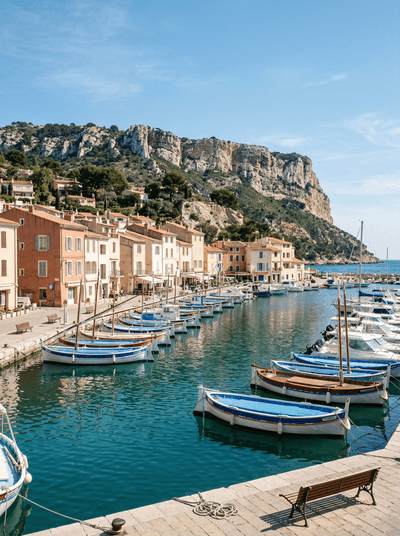
Cassis
France
White limestone calanques plunging into water so blue it silences the conversation on the boat.
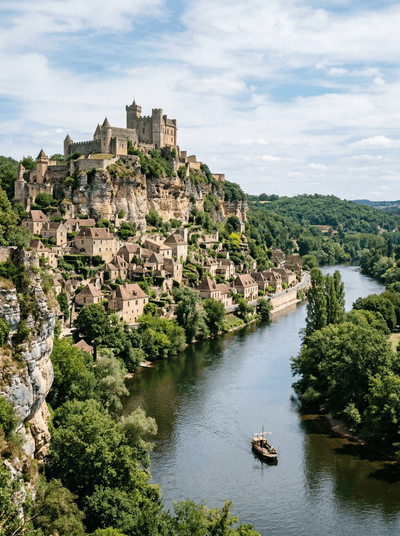
Beynac-et-Cazenac
France
A fortress village gripping a cliff high above the Dordogne's green coil.
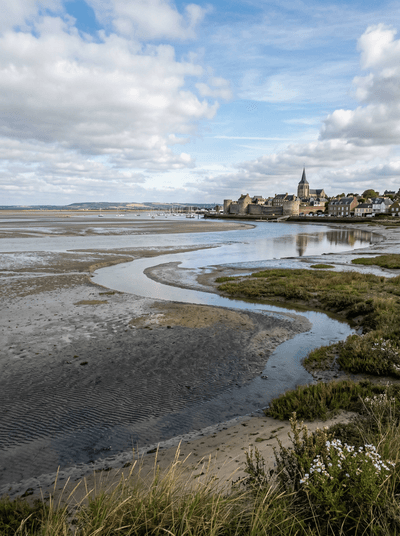
Somme Bay
France
Tidal flats wider than the eye can hold, where seals haul out and samphire crunches underfoot.