Gambia
Saloum Delta (Gambian side)
Shell-mound islands built by forgotten peoples, now colonised by pelicans in tidal creek mazes.
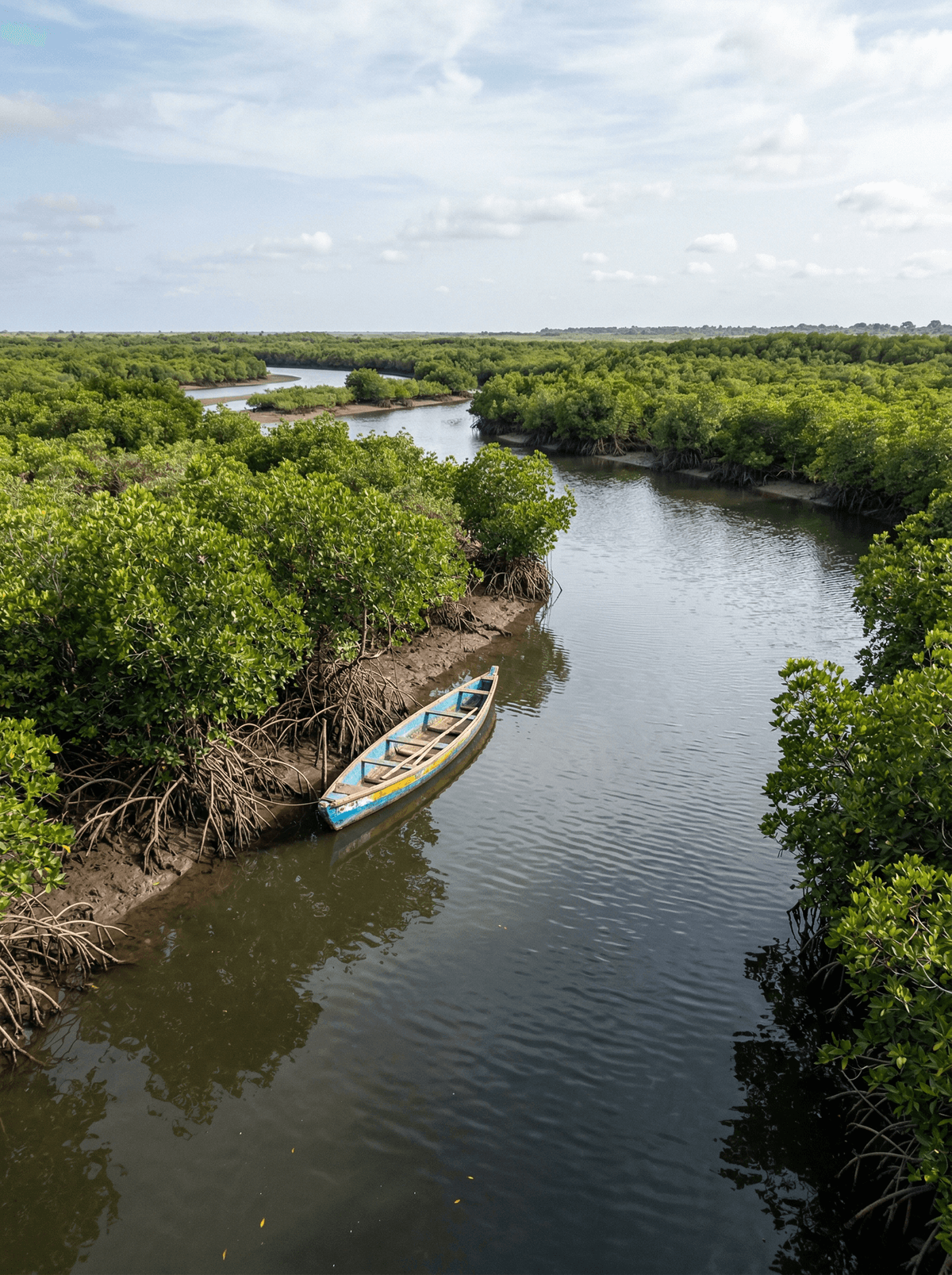
The shell mound rises seven metres above the waterline — a pale hill of compacted oyster shells built over centuries by hands that left no written record. Pelicans nest on its crest now, preening above a maze of tidal creeks that shift depth hour by hour. The Saloum Delta on The Gambia's side is a place where the map redraws itself with every tide.
The Gambian side of the Saloum Delta sits in the North Bank Region, forming the southern edge of a vast transboundary wetland shared with Senegal. The shell mounds — known as faros — are among the oldest human-made structures in West Africa, built by Serer fishermen from the discarded shells of their catch over hundreds of years. Some rise high enough to serve as nesting platforms for pelican and heron colonies. The tidal creeks change depth constantly: channels navigable at dawn become impassable sandbars by midday, making every pirogue journey unique. Accessing the Gambian side requires a boat crossing from the main delta, which keeps visitor numbers minimal even during peak season. Smoked oysters harvested from mangrove roots in the bolongs are the delta's signature food.
Solo
Navigating tidal creeks that reshape themselves hourly, landing on shell mounds built by forgotten peoples — the Saloum Delta rewards the kind of traveller who finds meaning in impermanence and solitude.
Couple
The remoteness of the Gambian side — reached only by boat, visited by almost nobody — creates an exclusivity that no resort can replicate. Eating smoked oysters on a prehistoric shell island does the rest.
- The shell mounds — known as faros — rise up to seven metres above the waterline, built over centuries by Serer fishermen from shells of their catch.
- Pelican and heron colonies nest on the mound tops, using these prehistoric structures exactly as they would natural rock outcrops.
- The tidal creeks change depth hour by hour — channels navigable at dawn become impassable by midday, making every journey different.
- Accessing the Gambian side requires a boat crossing from the main delta, keeping visitor numbers minimal even during peak season.
Smoked oysters from the bolongs — brackish channels where the best shellfish grow on mangrove roots.
Thieboudienne with dried shrimp and bitter tomato, the Senegambian delta's signature plate.
Hasankeyf
Turkey
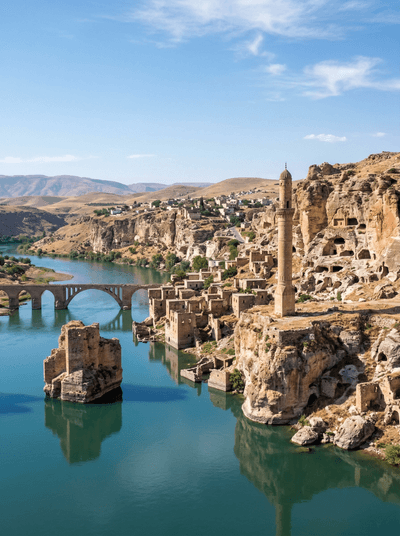
A 12,000-year-old Tigris settlement now partly drowned by a dam — cave dwellings and minarets half-submerged.
Karpathos
Greece
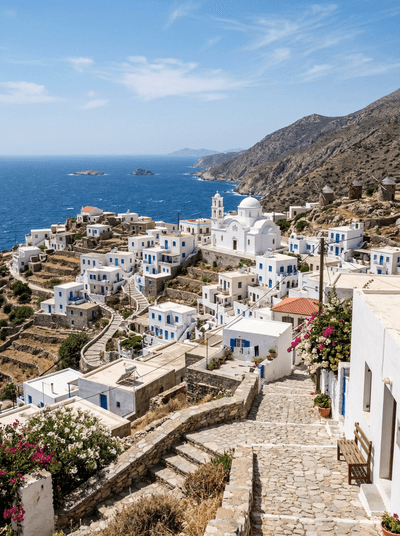
Mountain women in traditional dress still bake bread in wood ovens above wind-lashed Aegean cliffs.
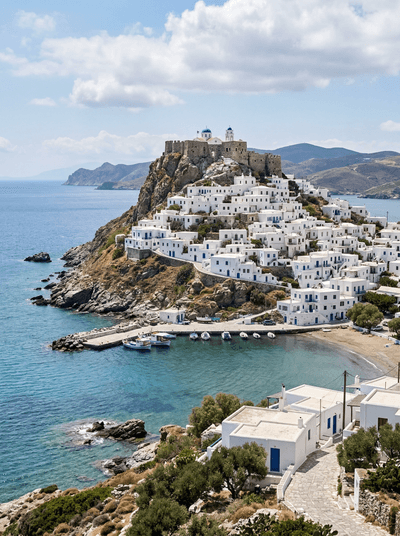
Skyros
Greece
Wild Skyrian ponies roam the southern hills of an island where Carnival masks hide ancient rites.
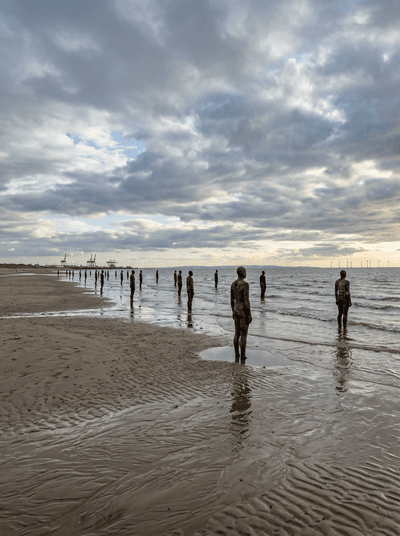
Crosby Beach
England
Iron men stand chest-deep in the tide, rusting patiently into the Irish Sea.
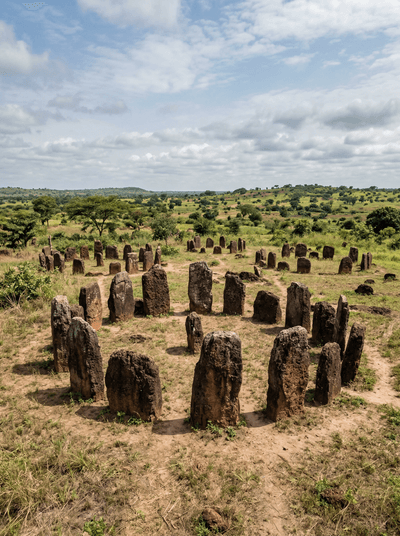
Wassu Stone Circles
Gambia
Laterite pillars arranged in concentric rings — Iron Age astronomy or burial rites, nobody is certain.
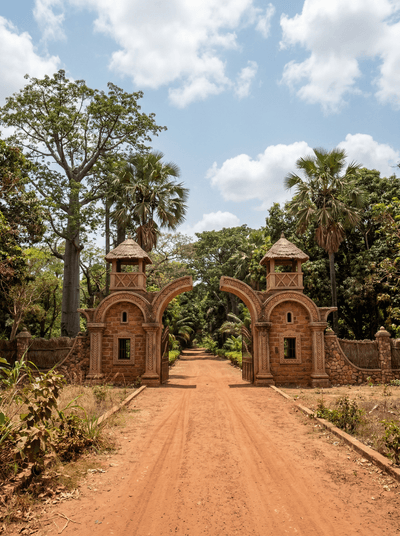
Kanilai
Gambia
A former dictator's abandoned compound — faded grandeur crumbling in surreal isolation.
Makasutu Cultural Forest
Gambia
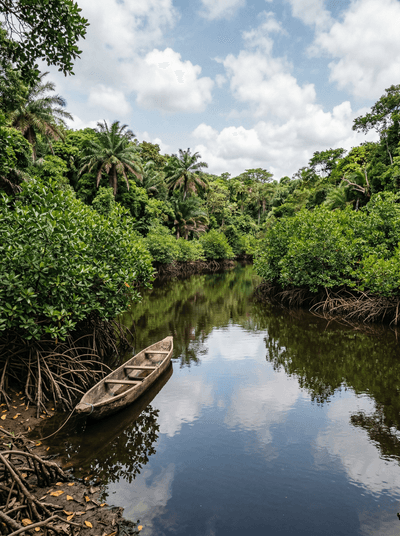
Sacred forest where palm wine tappers scale sixty-foot trunks and griots sing at dusk.
Janjanbureh
Gambia
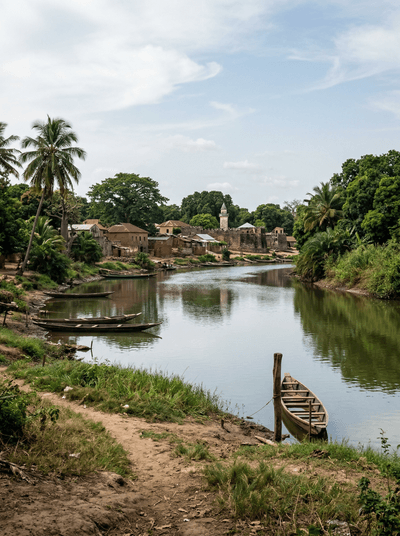
A colonial island where slave traders' ruins crumble beside baobabs older than the trade itself.