Gambia
Wassu Stone Circles
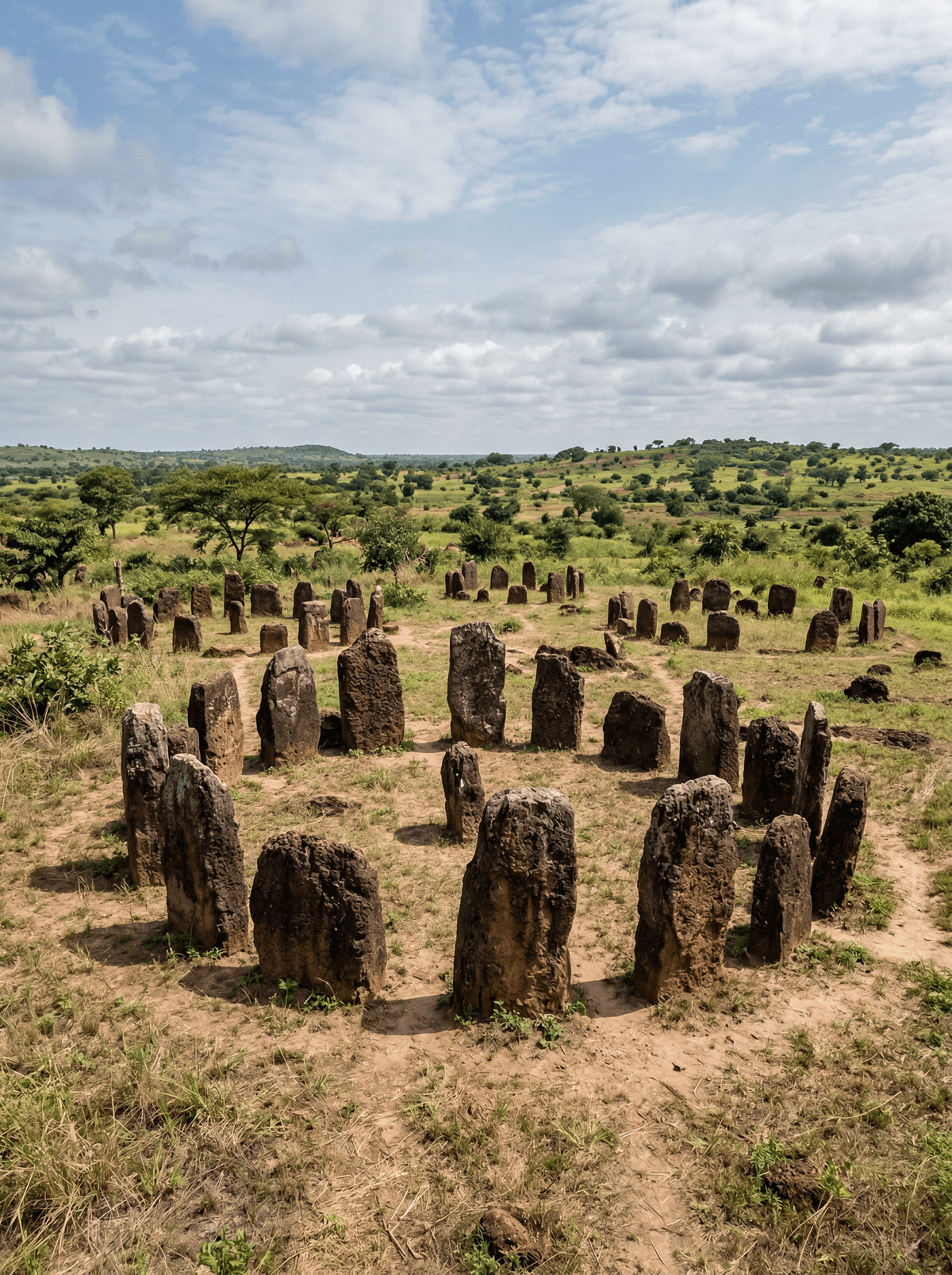
Eleven rings of rust-red pillars guard ancient graves; visitors still add pebbles for luck.
Laterite pillars stand shoulder-high in dry grass, eleven circles of them, shaped with iron tools more than a thousand years ago. No ropes, no glass: you walk straight in among the stones, where small pebbles balance on top, left by visitors for luck.
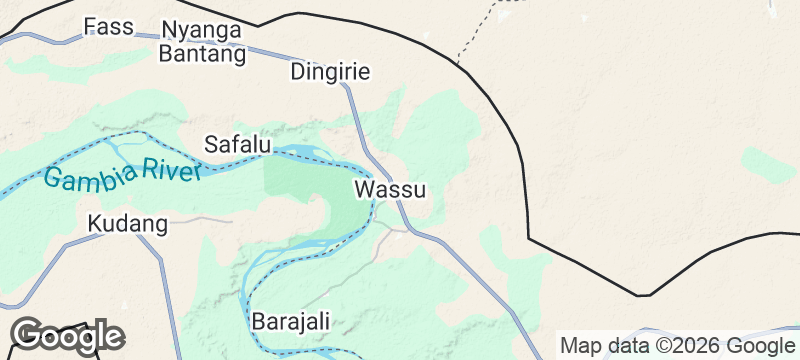
Wassu is the best-known cluster of the Senegambian stone circles, a UNESCO World Heritage tradition of 93 circles across four sites in The Gambia and Senegal, inside a wider band of more than a thousand megaliths. The builders quarried laterite just east of the circles, where the cut faces are still visible, carved it into cylindrical and polygonal pillars with iron tools, and raised the rings over burials spanning from the third century BC to the sixteenth century AD. The graves gave up spearheads, pottery and bronze ornaments, now in the one-room museum by the stones, and the tradition holds these were the resting places of chiefs and kings; who the builders were is still argued. The tallest pillar reaches 2.59 metres, and most meet you at the shoulder. From Janjanbureh, the stones are a ferry crossing and a bush-taxi hour to the north.
Solo
Take the site guide first to sort archaeological evidence from retold legend, then circle back alone while the light drops. Carry water; the plain offers almost no shade.
Couple
Walk the rings slowly in late light, comparing heights and alignments, and let the unanswered questions run. The mystery makes better conversation than any invented explanation.
Friends
With your own vehicle a group can add Kerr Batch and its lyre stone the same day; it is a proper north-bank road trip, not a stroll between sites.
- The eleven circles belong to a UNESCO World Heritage tradition of 93 Senegambian stone circles, set within a wider landscape of over a thousand megaliths.
- Excavations uncovered human burials with spearheads, pottery and bronze ornaments, displayed in the small museum beside the stones.
- No barriers separate you from the pillars, and the local custom is to balance a pebble on top for luck.
- The laterite quarry that supplied the stones lies just east of the circles, its cut faces still visible.
In riverside Kuntaur, a few kilometres from the circles, open-sided grass-roofed river huts cook Gambian dishes from the local market's produce.
Wonjo, The Gambia's tart crimson hibiscus drink, served cold: the right answer to an hour on a shadeless laterite plain.
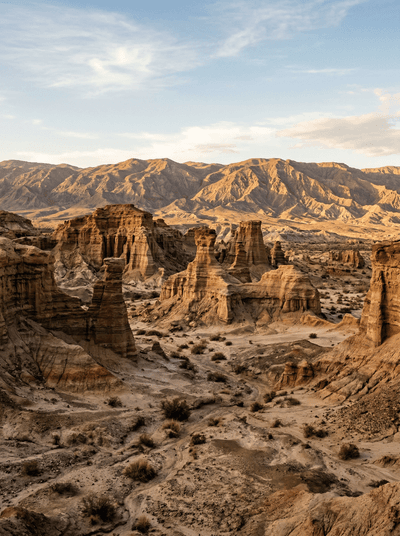
Ischigualasto
Argentina
A moonscape where the dinosaur age begins — bones in grey clay, stone spheres underfoot.
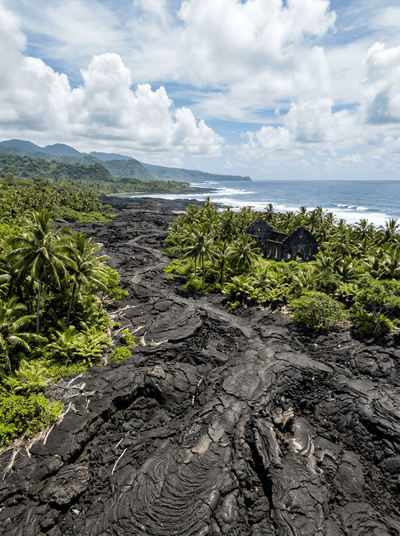
Saleaula Lava Fields
Samoa
The lava filled a church to its windows yet parted around a single grave.
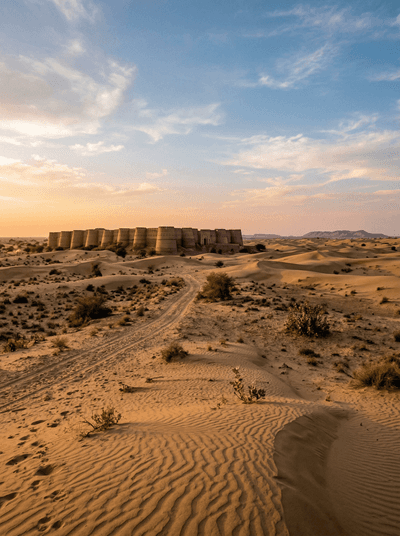
Cholistan Desert
Pakistan
Forty bastions of a forgotten fortress rising from featureless desert where camel nomads still roam.
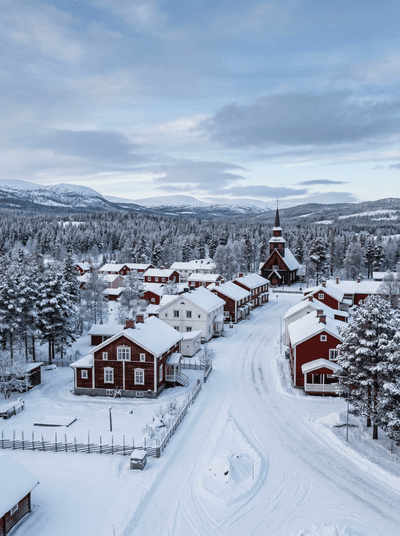
Jokkmokk
Sweden
A Sámi market town where reindeer-herding culture has gathered every February since 1605.