Morocco
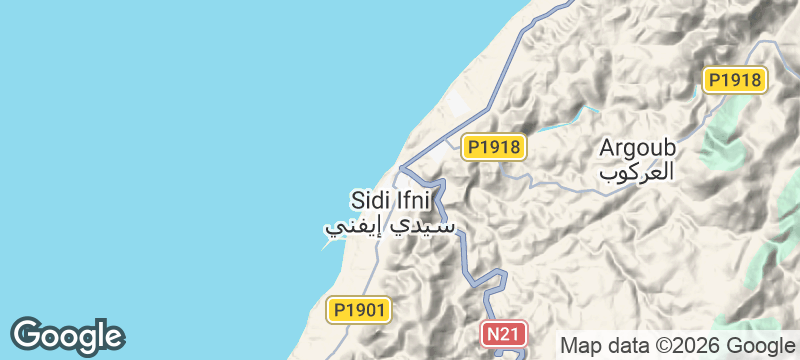
Sidi Ifni
Spain left on the last day of June 1969, and the Art Deco is still standing.
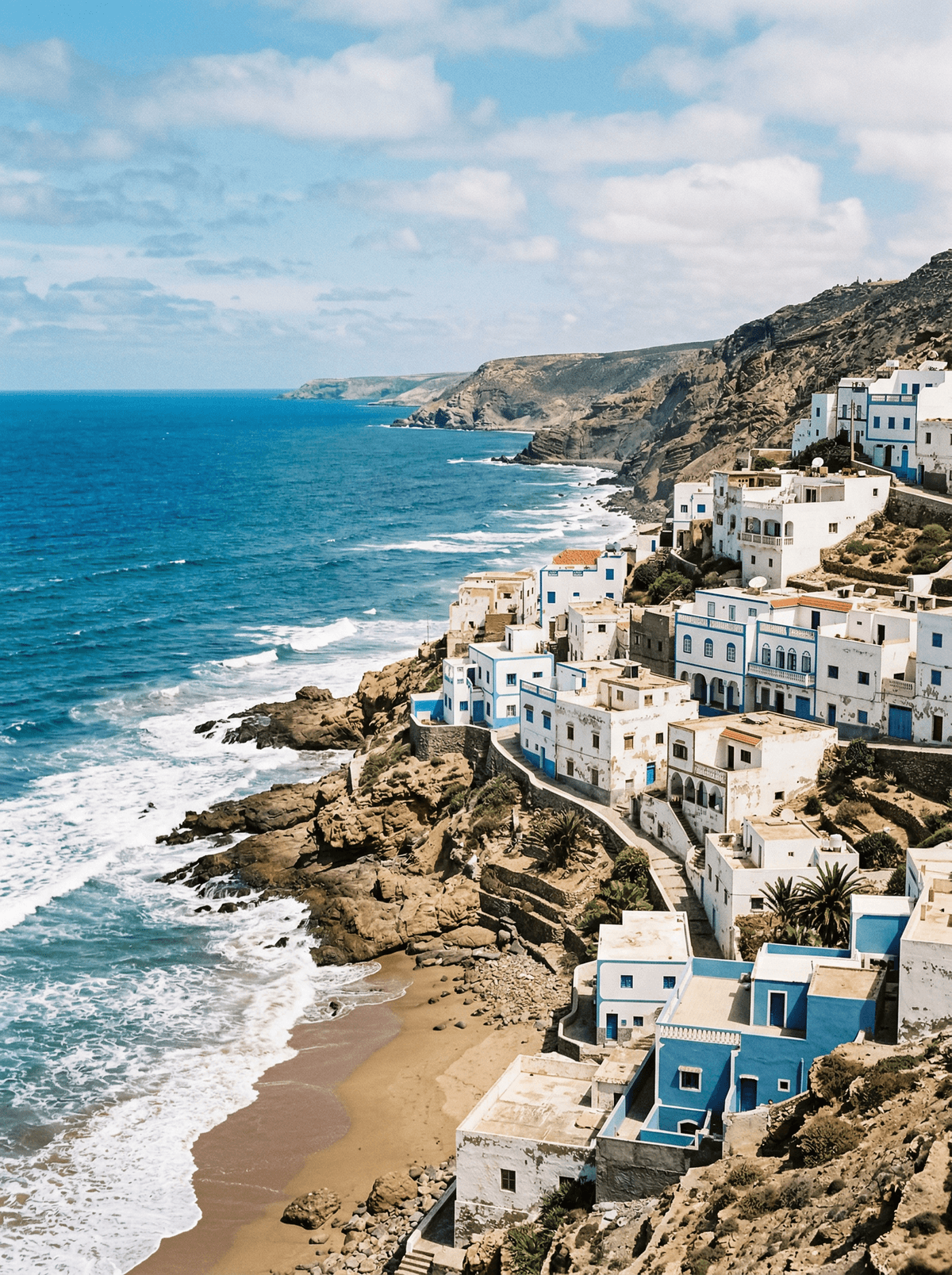
Sidi Ifni is a Spanish town on a Moroccan cliff. Whitewash and curved concrete, a former consulate with cacti taller than its porch, street names in two alphabets, and below all of it the Atlantic working at the rock with a persistence that gets into the mornings as fog.
The Spanish evacuated on 30 June 1969, and the country still marks the date; the Ait Baamrane tribes of this hinterland led the resistance that got them out, and the town itself was where the liberation army organised and trained. Before that this port shipped fish to mainland Spain, and before that it was a base for trafficking enslaved people. What holds the province up now grows on the hills behind: 40,000 hectares of prickly pear, 230,000 tonnes a year, a fruit protected under the Ait Baamrane name and celebrated with its own August festival. The former consulate, the finest Art Deco building in town, stands framed by the same cactus.
Solo
Walk the compact centre once for the white façades and curved concrete, then circle back for the street names in two alphabets. On the second pass, the former Spanish grid resolves into a coherent town.
Couple
Come in late summer for cactus fruit and terroir stalls, or in spring for unhurried walks through the Art Deco centre. The former consulate framed by tall cacti is the photograph in either season.
- Spanish colonial forces evacuated on 30 June 1969, and Morocco still commemorates the date each year.
- The Ait Baamrane tribes led the resistance, and the town was a base for organising and training the liberation army.
- The province grows 40,000 hectares of prickly pear for 230,000 tonnes a year, protected under the Ait Baamrane name.
- The port was once a large exporter of fish to mainland Spain, and earlier a base for trafficking enslaved people.
Octopus tagine, slow-cooked until tender with the morning's Atlantic catch.
Charcoal-grilled sea bream with olive oil, lemon and herbs in a small port restaurant.
Staithes
England
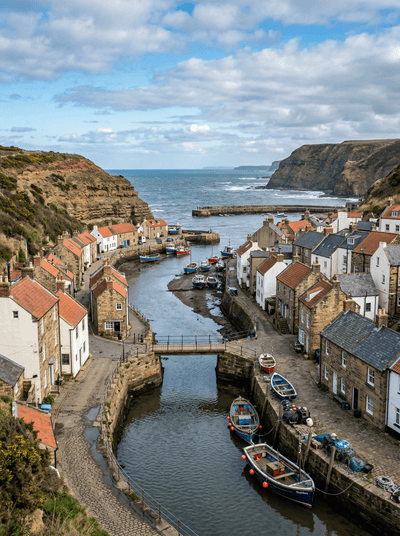
Salt-blasted cottages crammed into a ravine so tight the sea is the only way out.
Ithaca
Greece
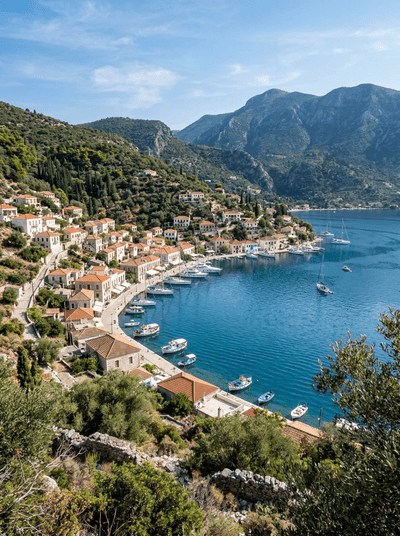
Olive terraces tumble to a wine-dark sea on the island Odysseus spent ten years reaching.
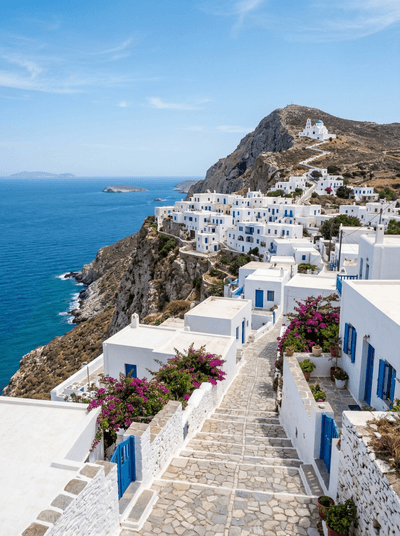
Folegandros
Greece
Cliff-edge Chora glowing white against a 200-metre drop into indigo Aegean.
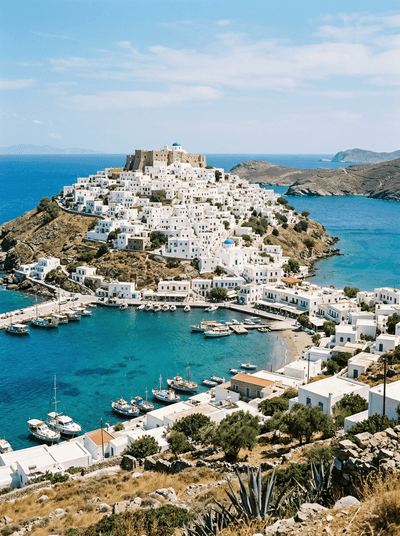
Astypalaia
Greece
A butterfly-shaped island pinched at the waist where two wings of land barely hold together.
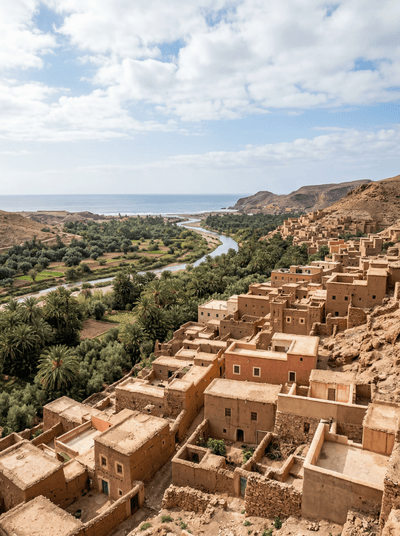
Massa
Morocco
Mist, reeds and birdcalls follow one estuary path until Atlantic surf drowns them out.
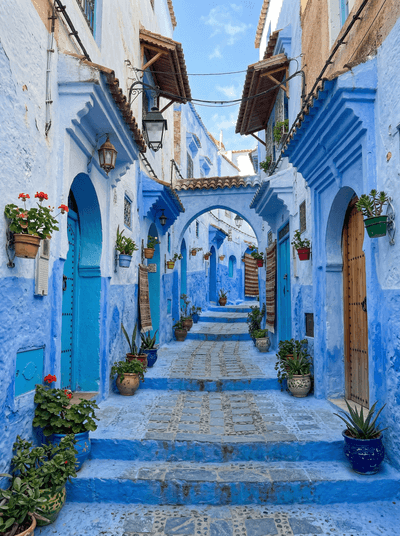
Chefchaouen
Morocco
A whole mountainside rinsed in blue, and the town still argues over who started it.
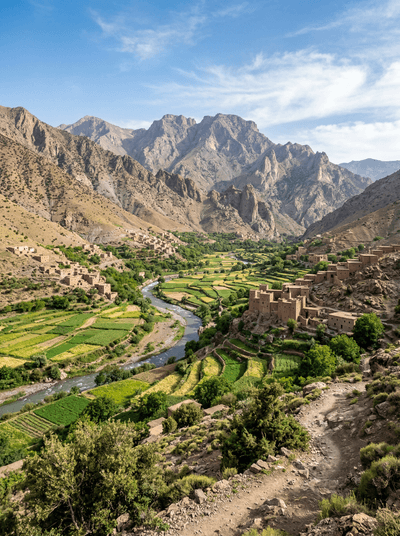
Aït Bouguemez Valley
Morocco
Dinosaur tracks survive on the valley floor among irrigated fields and earthen villages.
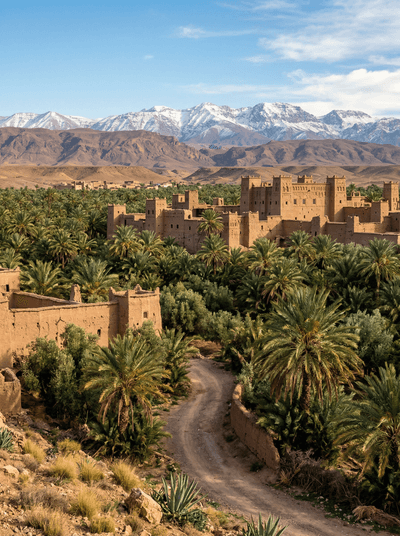
Skoura
Morocco
Water runs beneath twenty-five square kilometres of palms and a kasbah still occupied by its family.