Mexico
Tehuacán-Cuicatlán Valley
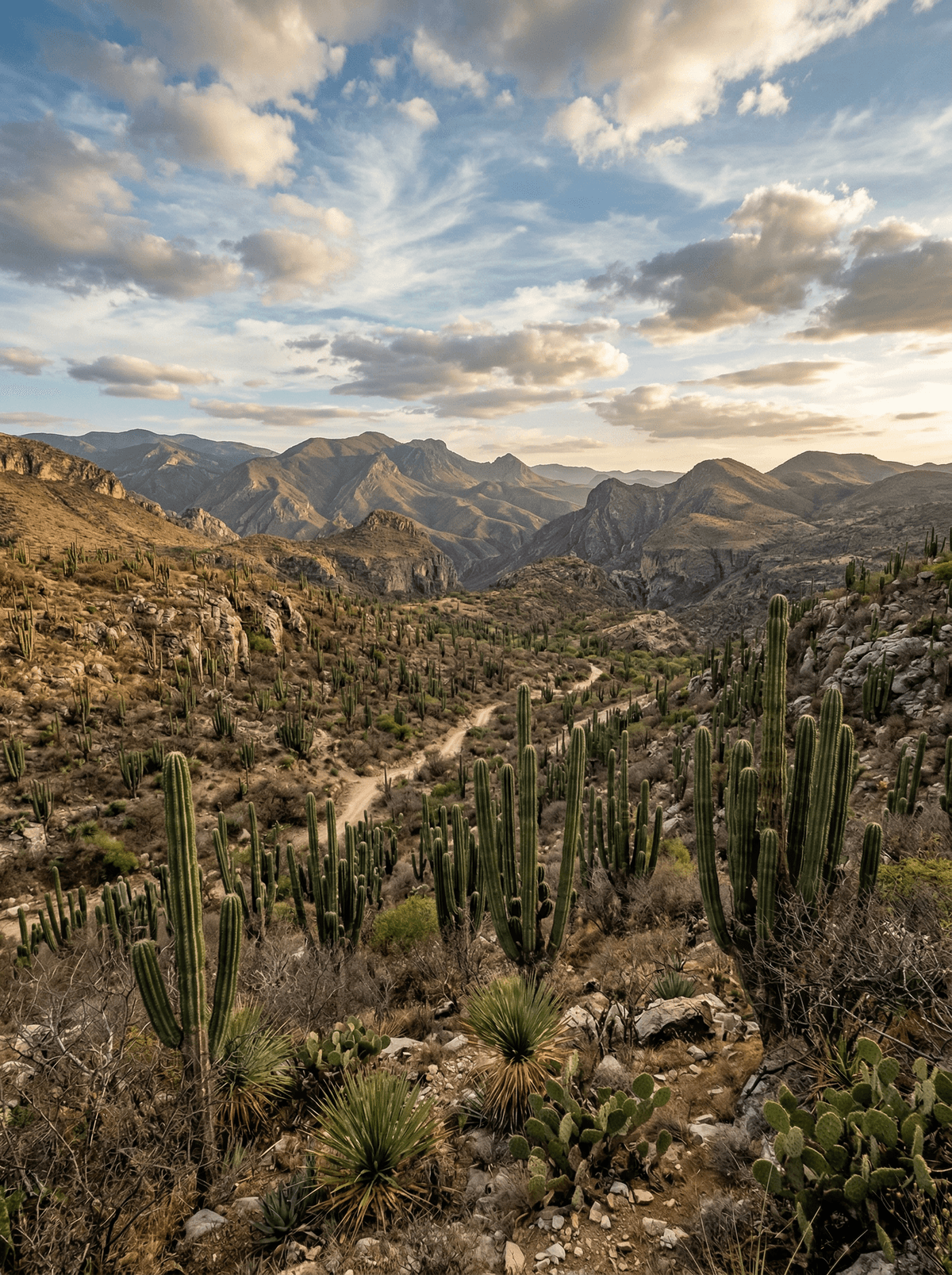
Forests of columnar cacti record millennia of human life in Mexico's drylands.
The cacti grow in forests here. Columns by the thousand march over the dry hills, some old enough to have watched the valley's first farmers at work.
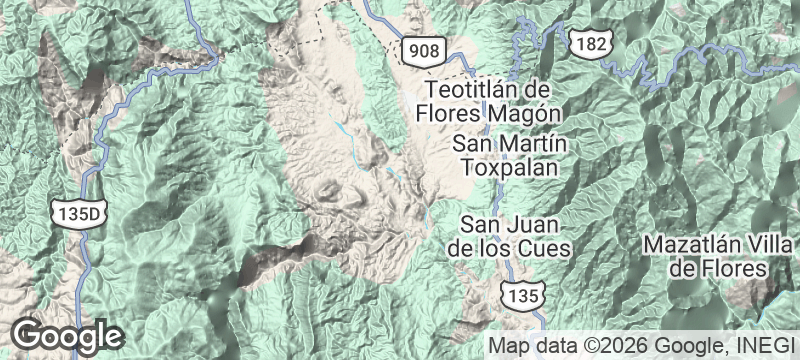
Tehuacán-Cuicatlán protects a globally important dryland landscape dense with columnar cacti, its UNESCO listing recognising both biodiversity and one of the longest records of human plant management in the Americas. Community guides and visitor routes carry that history without turning debated first-domestication claims into certainty. The valley's goat-herding culture surfaces each autumn in a strictly seasonal festival dish.
Solo
Walk the cactus forests with a community guide in the cool hours.
Couple
Pair the columnar forests with the valley towns' seasonal goat-culture table.
- Tehuacán-Cuicatlán protects a globally important dryland landscape rich in columnar cacti.
- UNESCO recognises both its biodiversity and a long record of human plant management.
- Community guides reveal that history without turning debated first-domestication claims into certainty.
Mole de caderas, the valley's great goat dish, appears only in its season, October and November.
Pan de burro, the muleteers' favourite bread, is still baked in the valley towns, Ajalpan its great seller.
Eungella National Park
Australia
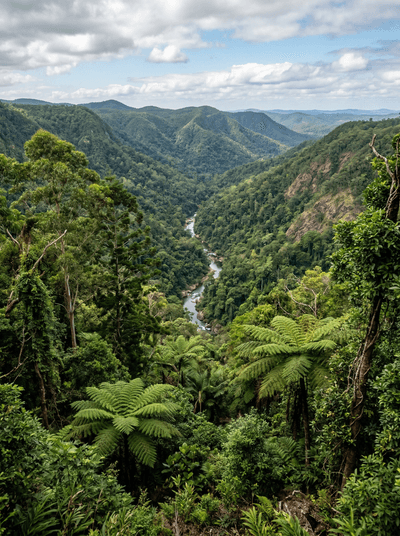
Wait in dawn mist and Broken River may answer with a platypus.

Maryang-ri
South Korea
Five-hundred-year-old camellias bleed red flowers against the grey winter sea.
Uljin Geumgang Pine Forest
South Korea
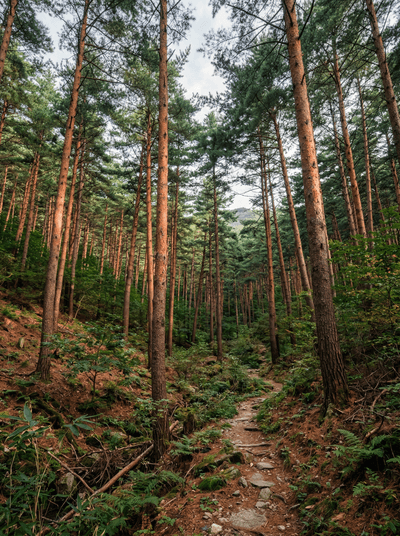
Five hundred years as royal timber left a pine forest nothing else touched.
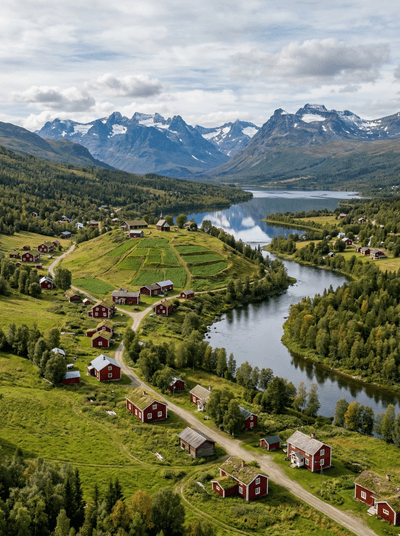
Ammarnäs
Sweden
A Sami mountain village at the foot of Kungsleden, ringed by protected wilderness.
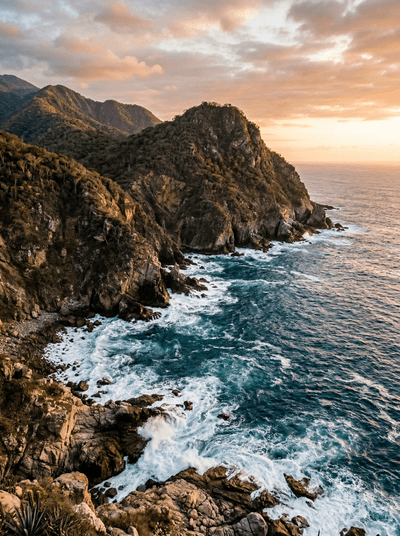
Cabo Corrientes
Mexico
Fishing villages, forested headlands and open Pacific beaches shape Jalisco's far coast.
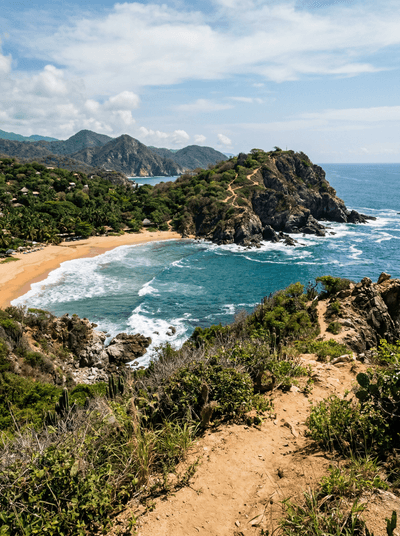
Mazunte
Mexico
Pacific headlands, turtle conservation and a lived-in beach village share one small coast.
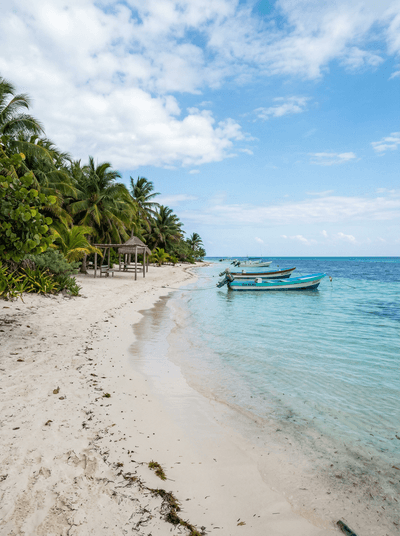
Isla Holbox
Mexico
On summer nights the island's shallows light up electric blue at every footstep.
Maruata
Mexico
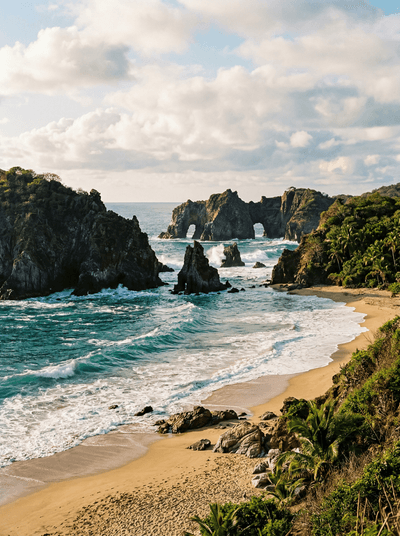
Nahua-run cabins face a wild Pacific cove of cliffs, sand and turtle habitat.