Tanzania
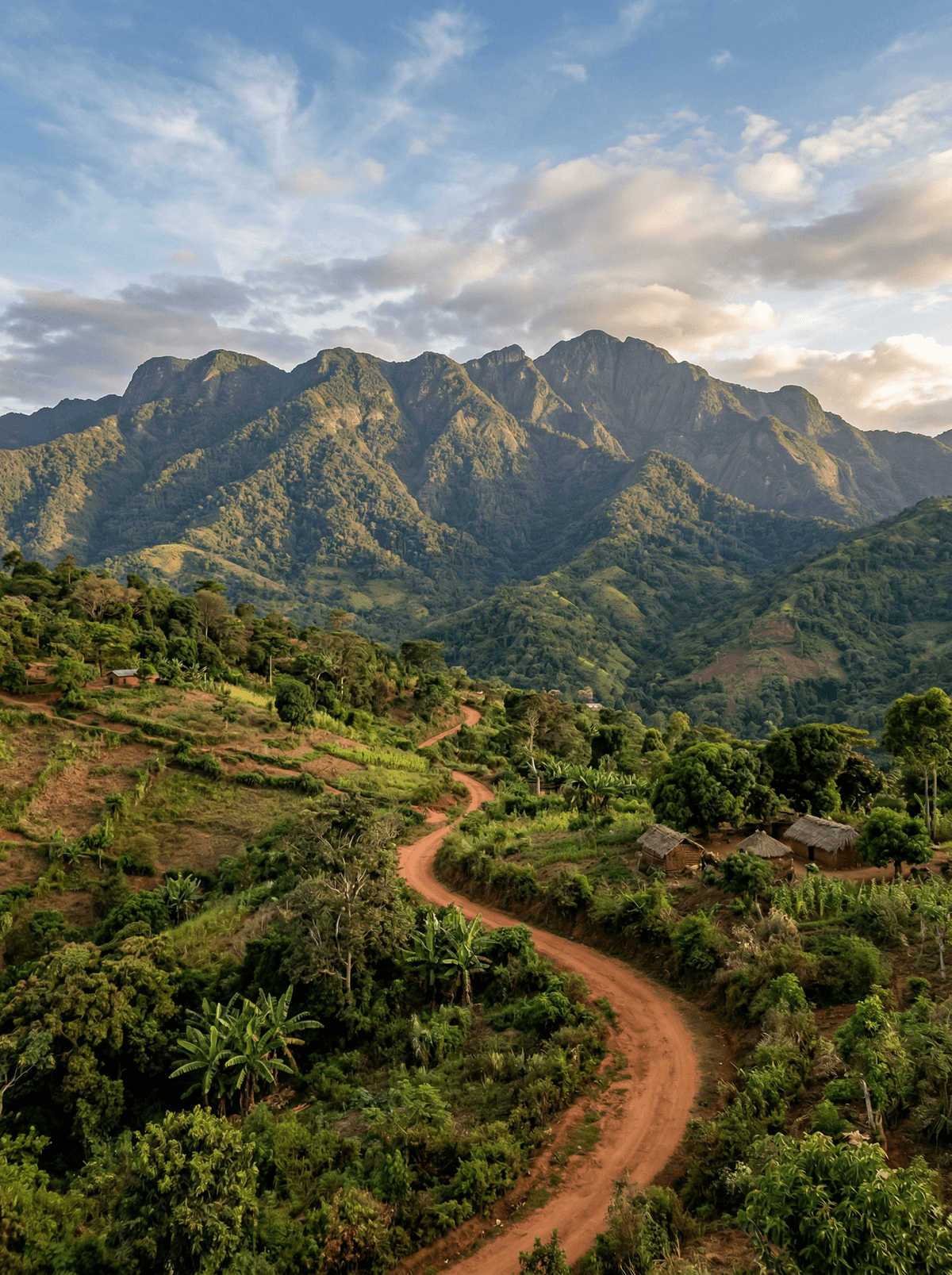
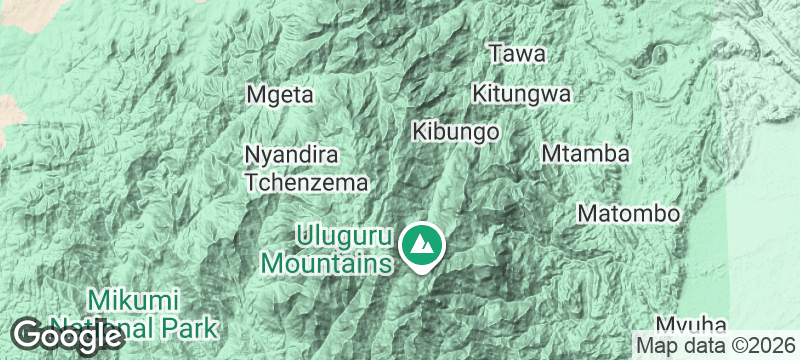
Uluguru Mountains
Cloud forest on hundred-million-year mountains shelters species found nowhere else.
The Ulugurus were old before the Himalayas were an idea: crystalline mountains over a hundred million years, wearing cloud forest that kept its species while the world changed around it.
The Ulugurus rise abruptly behind Morogoro, Eastern Arc mountains formed over a hundred million years ago whose climatic stability bred one of Africa's richest endemism concentrations, species in these forests existing nowhere else. Luguru farming villages hold the lower slopes, guided walks climb to viewpoints and waterfalls through the cultural programme, and June to October gives the dry trails. Morogoro's kitchens feed the return; the mountains grow the produce they cook.
Solo
Fit solo hikers can arrange a Morogoro guide and enjoy Uluguru cloud forest without relying on rare wildlife.
Friends
Friends can choose a ridge or waterfall route that fits everyone and respects managed forest access.
- The crystalline range formed over a hundred million years ago.
- Climatic stability bred species that exist nowhere else.
- Luguru villages and their cultural programme hold the slopes.
- Morogoro sits at the trailhead with the region's kitchens.
Traditional cooking experiences run through the community-tourism programme.
The farms grow the table: bananas, beans, cassava and coffee off these slopes.
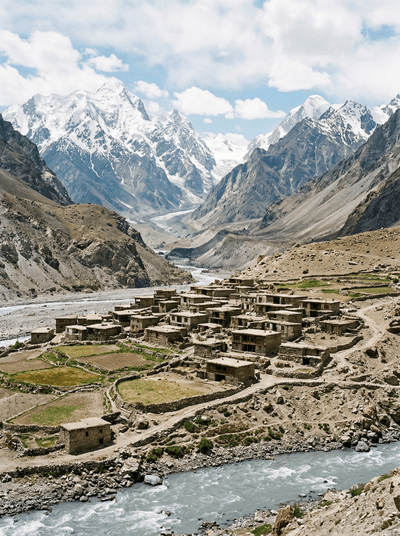
Askole
Pakistan
Civilisation's last outpost before the glaciers, where porters load supplies for the walk to K2.
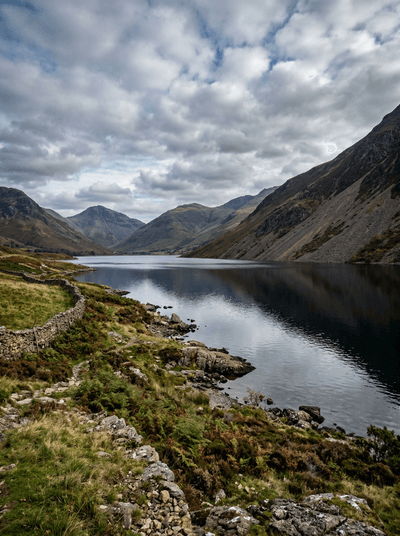
Wastwater
England
England's deepest lake, ink-black and glacier-cold, ringed by scree that plunges straight in.
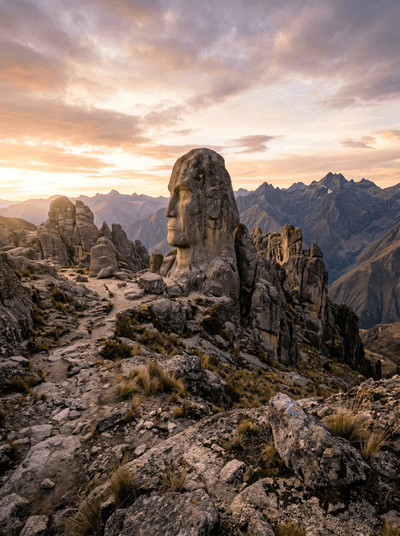
Marcahuasi
Peru
A 4,000-metre plateau where stone has weathered into colossal faces and impossible animals.
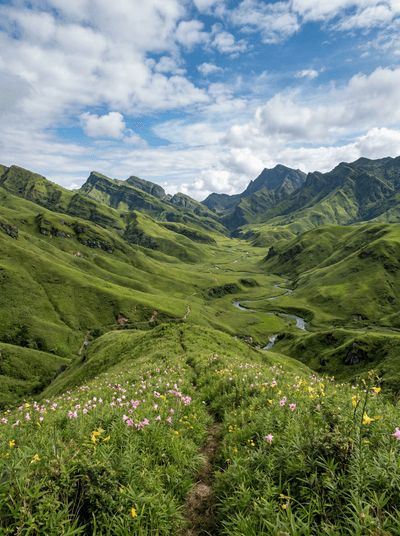
Dzukou Valley
India
Endless rolling mounds of dwarf bamboo hiding ice-cold streams and charred skeletons of ancient trees.
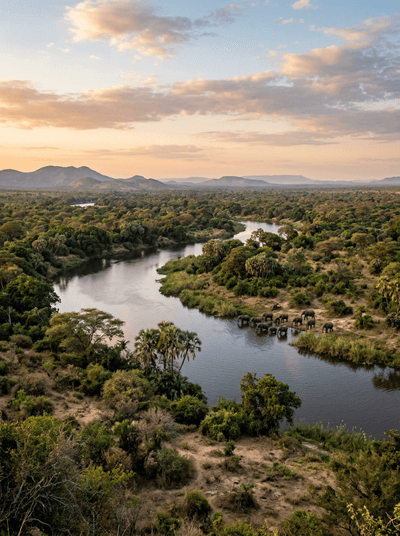
Nyerere National Park
Tanzania
Hippo pods crowd amber channels in a park twice the Serengeti's size.
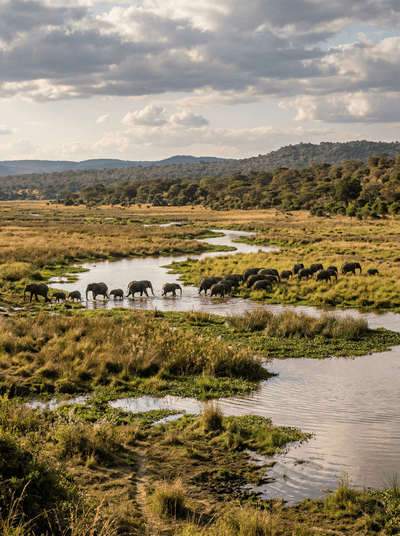
Moyowosi Game Reserve
Tanzania
Sitatunga wade a papyrus labyrinth on a flyway most birders never reach.
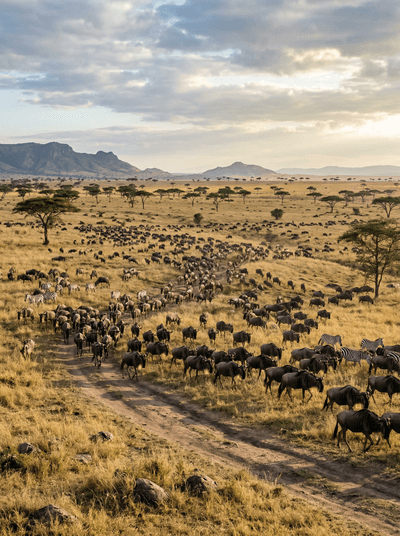
Serengeti National Park
Tanzania
Two million animals move with the rain across plains that have never known a fence.
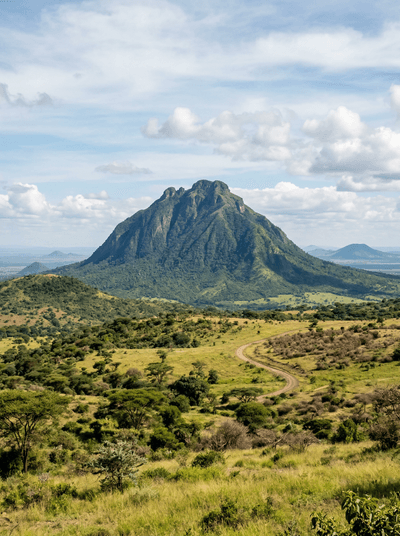
Mount Hanang
Tanzania
A sacred volcano rises alone from the plains, climbed by almost nobody.