Peru
Marcahuasi
A 4,000-metre plateau where stone has weathered into colossal faces and impossible animals.
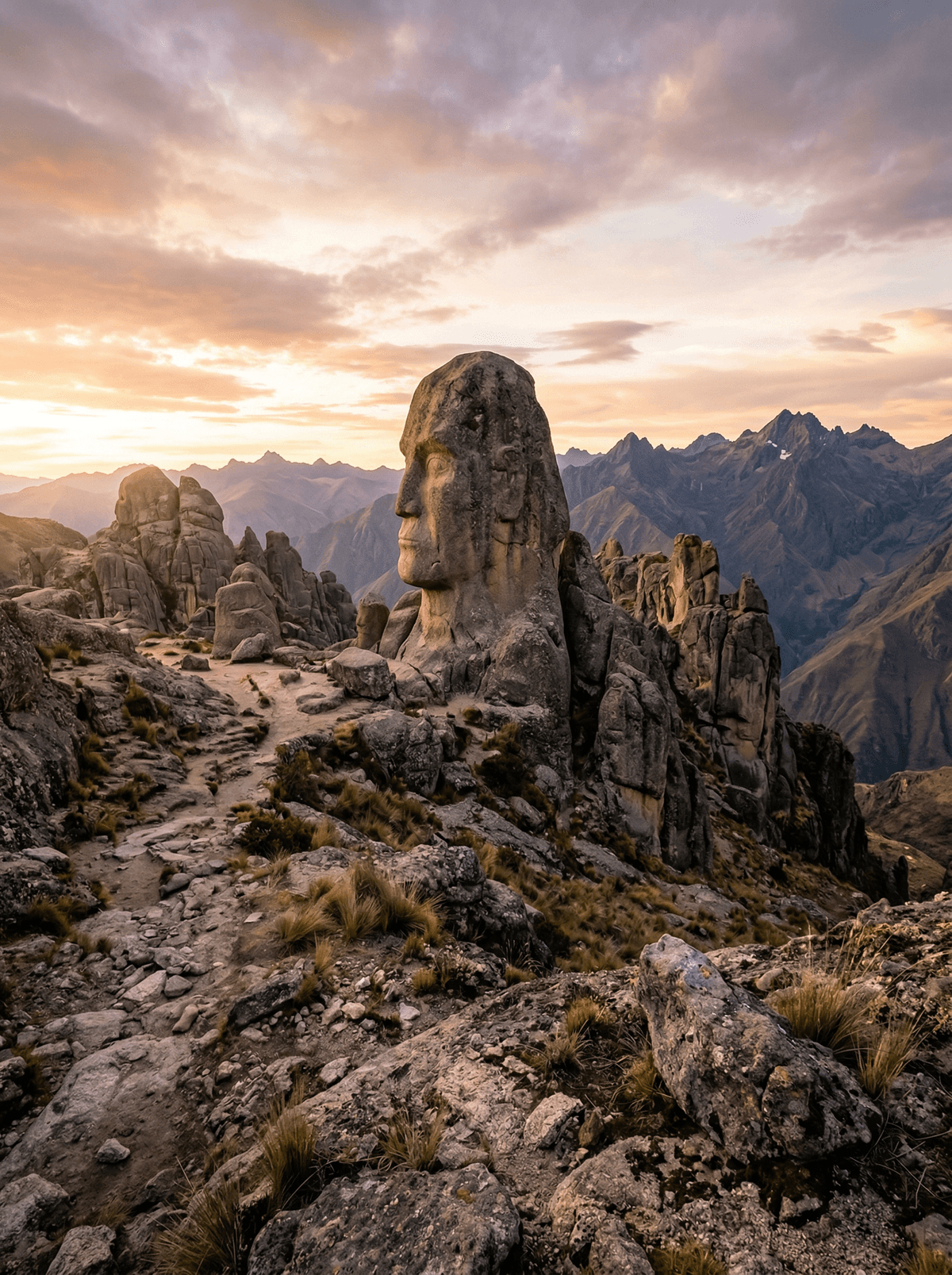
The wind at 4,000 metres carries nothing but silence across a plateau of improbable shapes. Volcanic rock has weathered over millennia into forms that read as human profiles and animals — outlines sharpening and dissolving with the angle of the light, a wall becoming a face becoming ordinary stone again. By night the stars press so close they seem to hum.
Marcahuasi is a high volcanic plateau above the village of San Pedro de Casta in Lima's Huarochirí province — close enough to the capital to reach in a day, demanding enough that few ever try. The famous formations carry names — the Monument to Humanity, the profile, the camel — and the honest framing is the interesting one: these are erosion and pareidolia collaborating, the human eye completing what wind and weather began, which takes nothing from the spell of walking among them. The ascent from the village is a strenuous few hours with no vehicle access; overnights mean camping among the rocks under some of the clearest dark sky within reach of Lima, with the village community below managing access and counsel.
Solo
A solo overnight — tent, sleeping bag, silence — is one of the Andes' most immersive wild camps this close to the capital, for the acclimatised and equipped.
Friends
Splitting gear, arguing over which rock looks like what, and a shared summit camp turn the altitude struggle into the story.
- Weathered volcanic forms resolve into faces and animals as the light moves.
- The plateau is earned on foot — a strenuous climb from San Pedro de Casta, no road.
- Night skies here rank with the clearest dark-sky camping near Lima.
- The village community below manages access, pack animals and camping counsel.
Pachamanca — meat and potatoes from the smoking earth oven — is San Pedro de Casta's celebration cooking.
Cancha — salted toasted corn — the Andean trail fuel that climbs every pass.
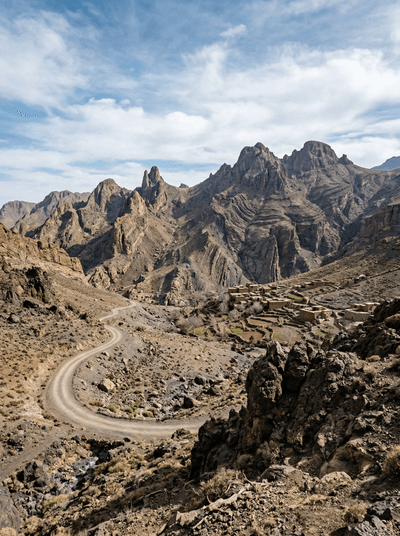
Jebel Saghro
Morocco
Black volcanic towers break a winter desert where mule trails vanish between water sources.
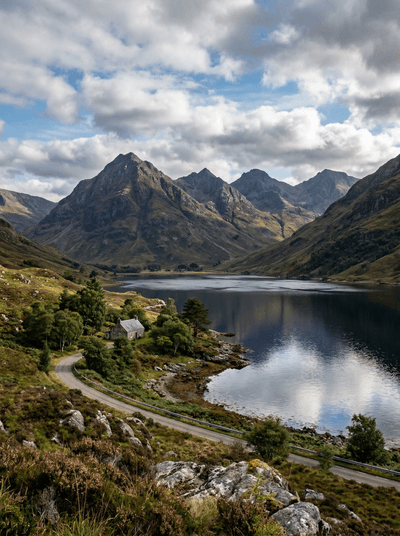
Kintail
Scotland
Five ridges fall in parallel from cloud into the sea loch like a giant hand opening.
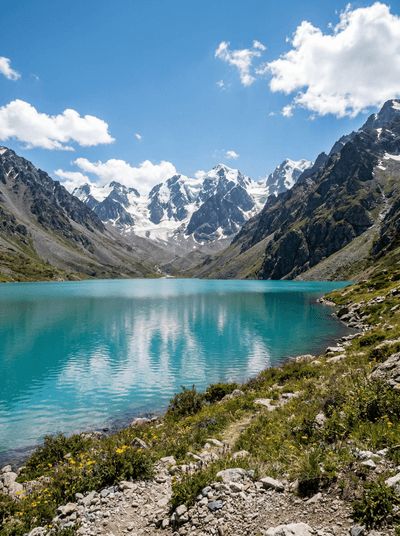
Köl-Tör
Kyrgyzstan
An emerald lake with no visible outlet: its river escapes through the moraine and surfaces below.
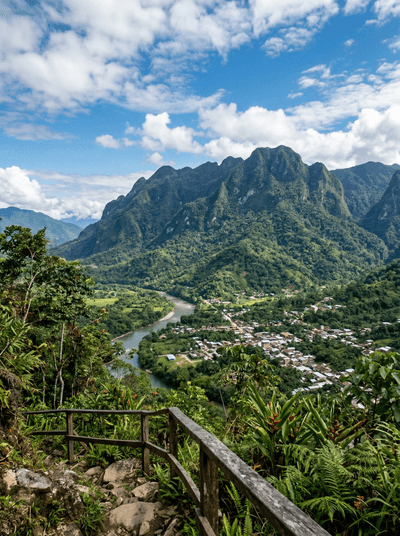
Tingo María
Peru
A cave inside a sleeping-woman mountain where oilbirds shriek in the dark.
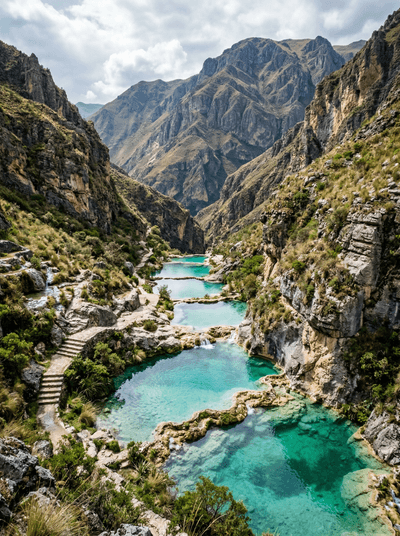
Millpu
Peru
A chain of electric-blue pools threading a pale limestone gorge in the high Andes.
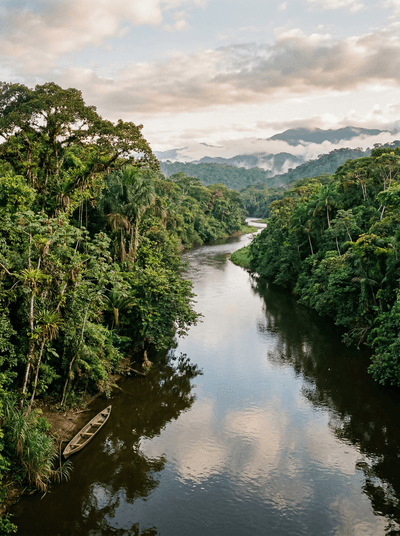
Manú National Park
Peru
One protected descent from glacial grassland to jungle where jaguars still patrol.
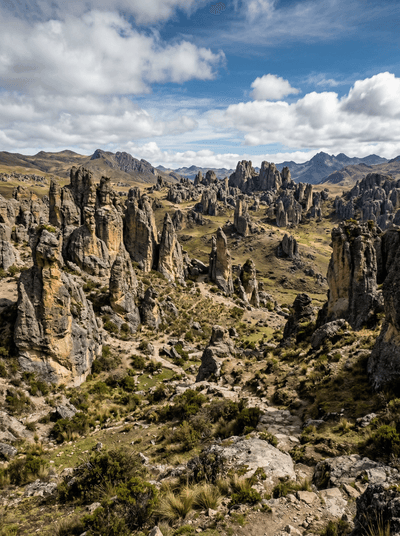
Huayllay Stone Forest
Peru
Thousands of rock formations on a frozen altiplano, eroded into elephants and faces.