Iceland
Vatnajökull Ice Caves
Cathedral-sized ice caves of electric blue that form and collapse inside Europe's largest glacier.
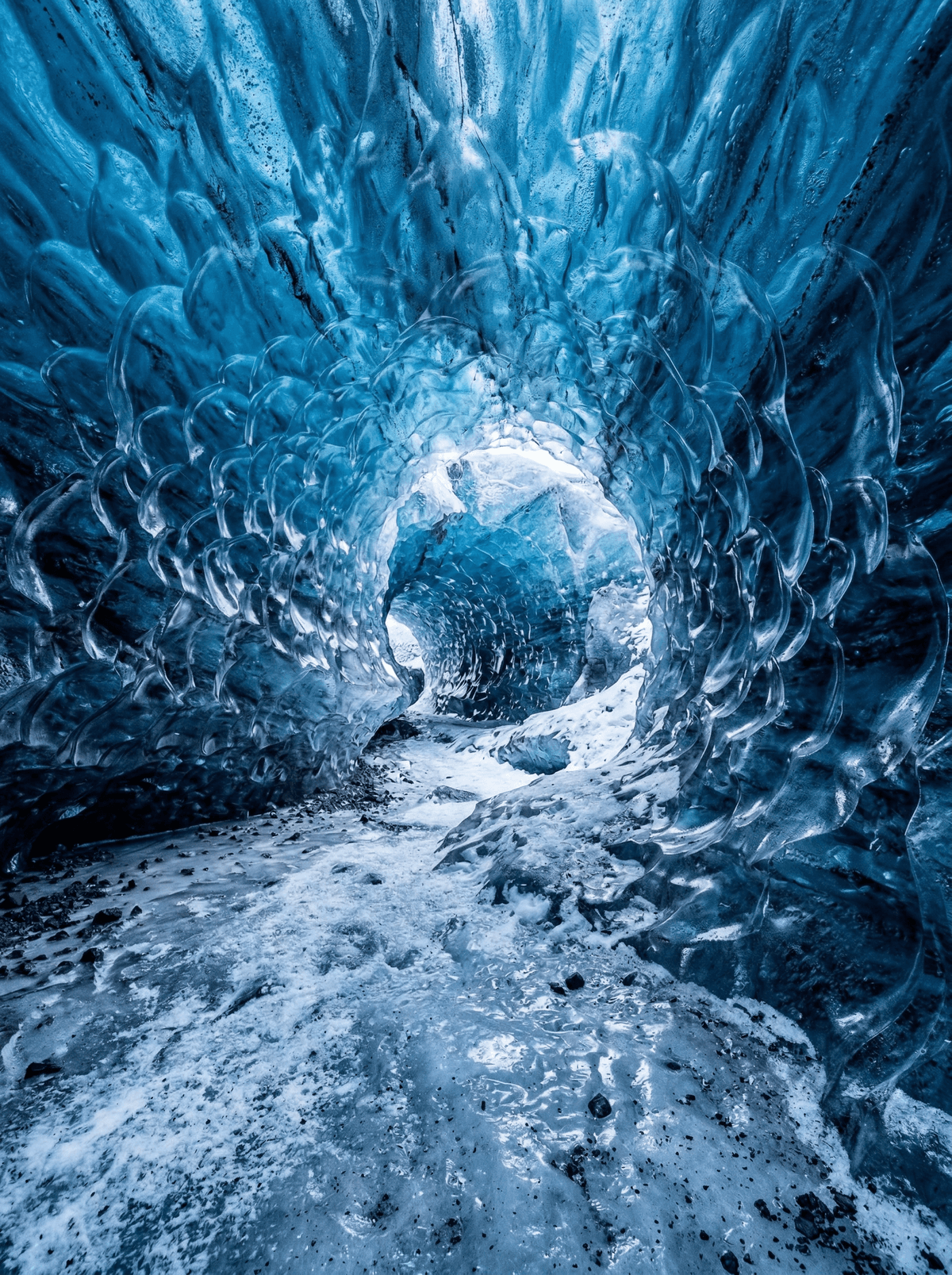
The ice above your head is the colour of a sapphire held to a candle — a deep, compressed blue that took centuries to form and will collapse by spring. Inside Vatnajökull's ice caves, time is visible: volcanic ash layers stripe the walls like dark veins in glass, each one a different eruption, a different century.
Vatnajökull's caves form naturally each autumn as meltwater carves tunnels through the base of Europe's largest glacier. The electric blue is centuries of snowfall compressed so dense it absorbs every wavelength but blue; the dark striations are ash from eruptions across the ages, trapped as the glacier grew. No two winters share a cave — each season's meltwater carves new passages, and the chamber you stand in this year will not exist next. Every visit is guided: authorised operators run the winter season, roughly November to March, assessing the ice daily and moving or cancelling routes as the glacier decides. Access typically runs by super jeep from the Jökulsárlón area, and the caves range from intimate tunnels to cathedral chambers where light filters through the ceiling.
Friends
Standing inside a glacier surrounded by blue ice that took centuries to form — a shared experience no photograph fully captures.
Couple
The blue light inside feels sacred; walking through centuries-old ice together is a shared moment few experiences anywhere can match.
Family
Well-managed guided tours suit older children — the ash-striped blue ice teaches more geology in ninety minutes than a textbook.
- Naturally formed caves inside Europe's largest glacier, walled in electric-blue compressed ice.
- Each cave is ephemeral — carved in autumn, collapsed by spring, never the same twice.
- Authorised guides run the winter season, reading the ice daily before every entry.
- The blue is physics made visible: centuries of compression squeezing the air from the ice.
Thermos coffee and what you carry — the glacier's rule is that lunch happens back on the shore.
Hot soup at the lagoon-side café afterwards, hands wrapped around the bowl.
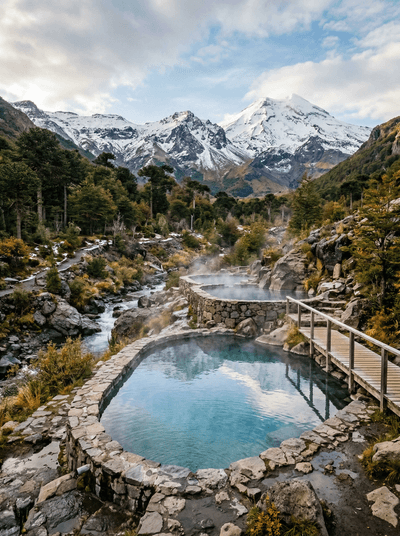
Termas de Chillán
Chile
Steam rises off sulphur-warmed pools set high on a live volcanic massif.
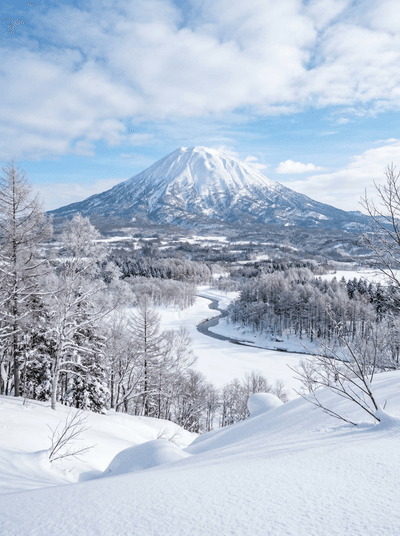
Niseko
Japan
Powder so dry and deep that falling into it feels like sinking into cold silk.
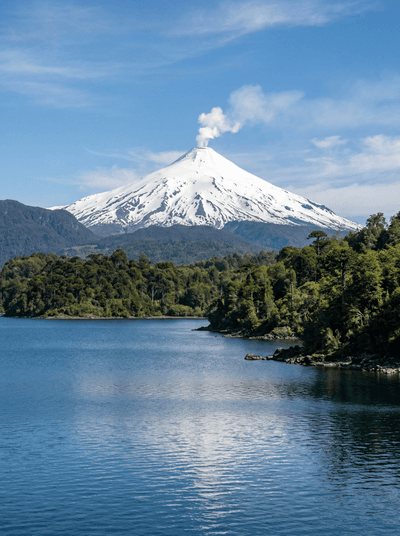
Volcán Villarrica
Chile
Villarrica's monitored cone rises above Pucón, snow-bright and visibly alive.
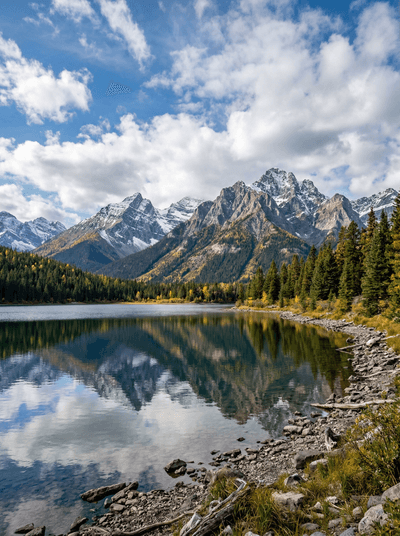
Kananaskis Country
Canada
Alberta keeps a whole working mountain playground one range over from Banff's coaches.
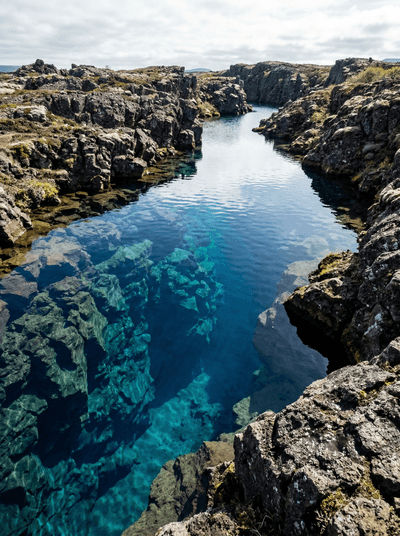
Silfra Fissure
Iceland
Snorkelling in liquid crystal through a tectonic rift between the American and Eurasian plates.
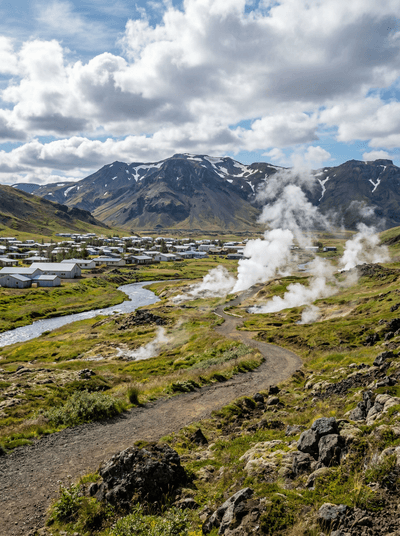
Hveragerði
Iceland
A village where the earth breathes steam and locals bake bread in the soil.
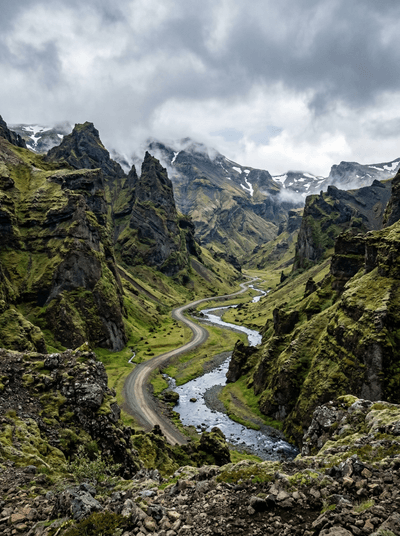
Þakgil
Iceland
A hidden canyon of jagged green peaks and a campsite inside a dining cave.
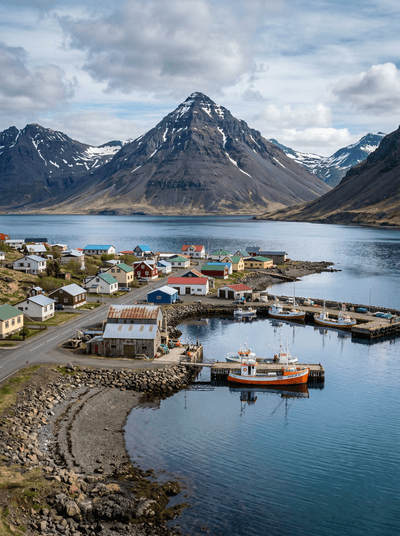
Djúpivogur
Iceland
Thirty-four polished granite eggs line a fishing harbour, one for each local bird species.