India
Ziro Valley
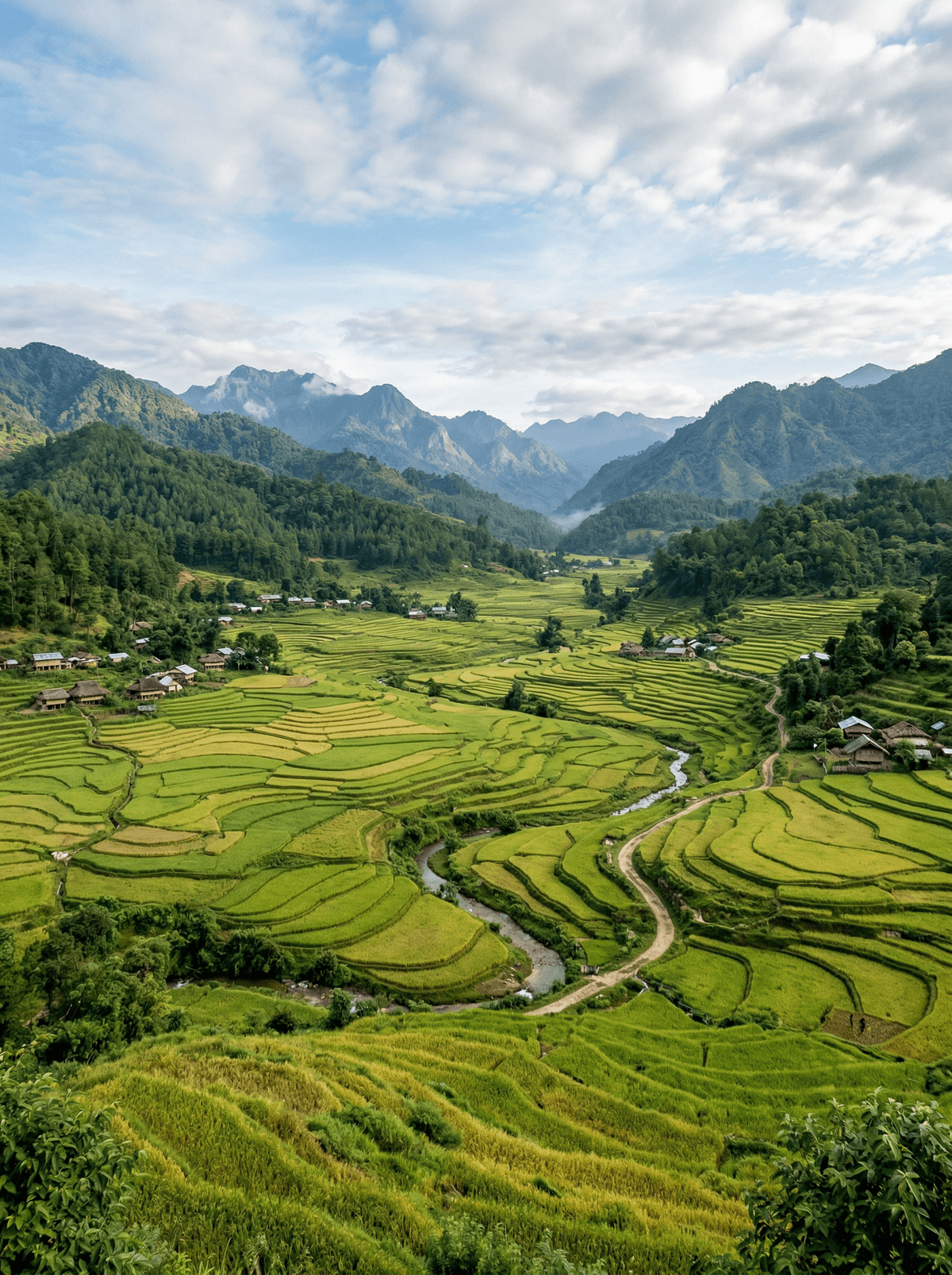
Fish swim between rice stalks in a pine-ringed valley farmed by the Apatani for centuries.
The Apatani women are the last to carry the old markings — bamboo nose plugs and dark facial tattoos that once signalled identity and beauty. The tradition fades with the elders. In the valley below, rice paddies flood between pine-covered hills, and fish swim between the stalks.
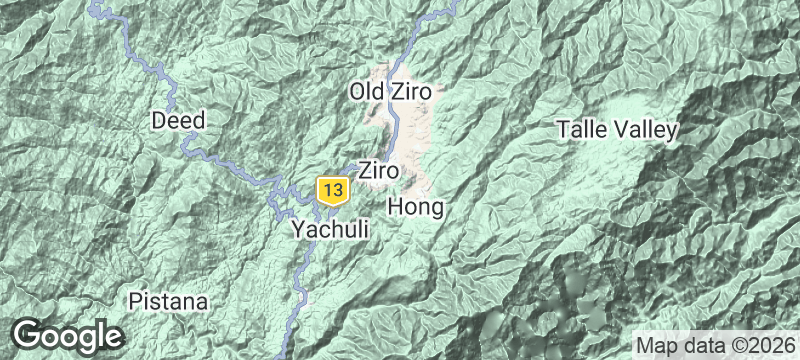
Ziro Valley, in Arunachal Pradesh, is the Apatani homeland. Their wet-rice system — fish reared inside the flooded paddies — has run for centuries and now sits on UNESCO's tentative list. The valley lies near 1,500 metres in a ring of gentle pine hills, and each September the Ziro Festival of Music fills a field with indie acts and indigenous pride.
Solo
Take an Apatani homestay, walk the paddy bunds at dawn, and accept every cup of apong with both hands.
Couple
Cycle between the villages through the rice-and-fish fields, pine hills closing the horizon.
Friends
Come for September's music festival and stay two days longer than the line-up.
- The elder women's tattoos and nose plugs are the last of a marking tradition that ends with them.
- Fish swim between the rice stalks — aquaculture and agriculture braided in one field.
- Ziro's music festival draws international acts to a muddy field days from anywhere.
- Homestays pour bamboo-fermented rice beer and smoke their meat over the kitchen fire.
Pikey pila — the sharp bamboo-shoot pickle — defines the Apatani table.
Apong, rice beer fermented in bamboo, pours sweet and deceptively strong at the homestays.
Itaúnas
Brazil
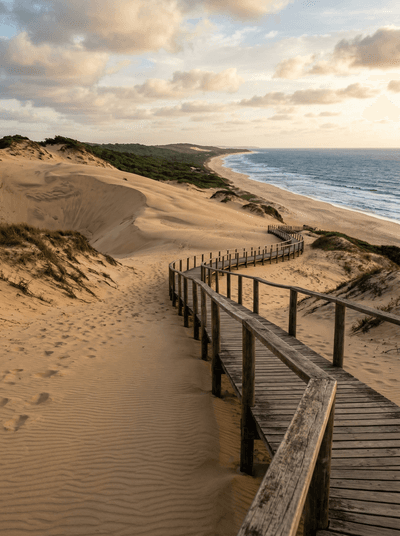
Sand dunes that swallowed an entire village, now a forró-dancing outpost on a wild coast.
Karlu Karlu (Devil's Marbles)
Australia
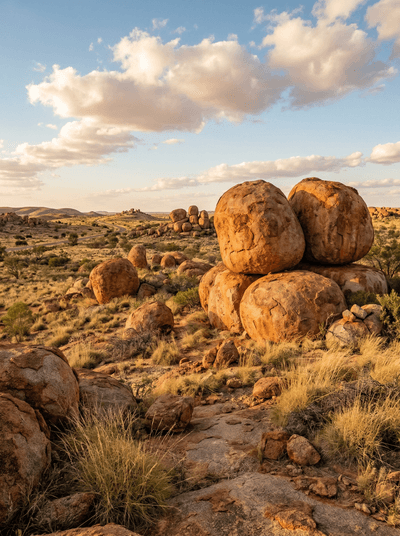
Granite boulders balance, split and stack across a living cultural landscape.
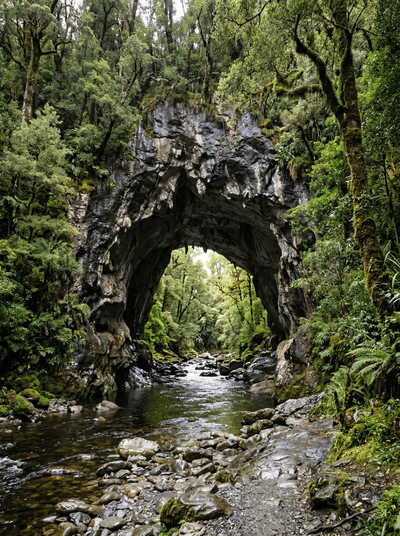
Ōpārara Basin
New Zealand
Limestone arches spanning a tea-black river in forest that swallows the light.
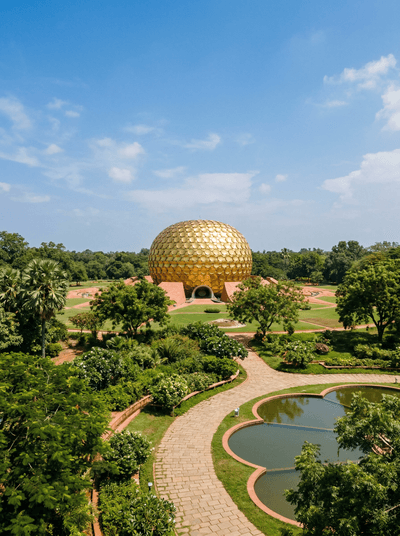
Auroville
India
A gold-plated meditation sphere anchoring an experimental forest city that tries to live without cash.
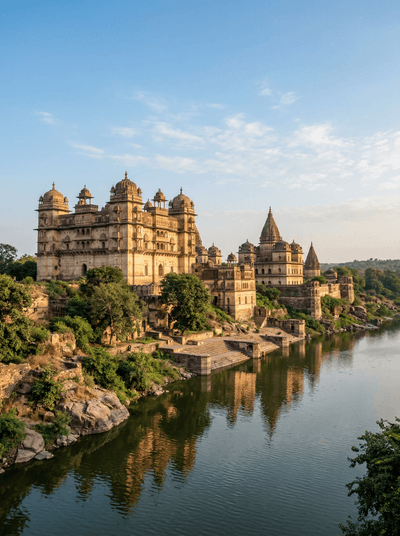
Orchha
India
Cenotaphs glowing honey-gold over the Betwa while vultures roost on their medieval spires.
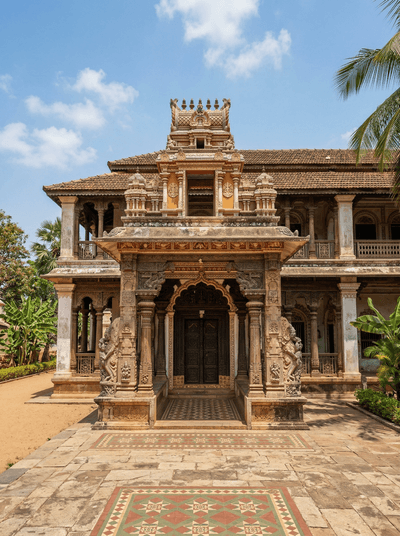
Chettinad
India
Seventy-three villages hiding mansions built with Burmese teak, Italian marble, and immense spice wealth.