Brazil
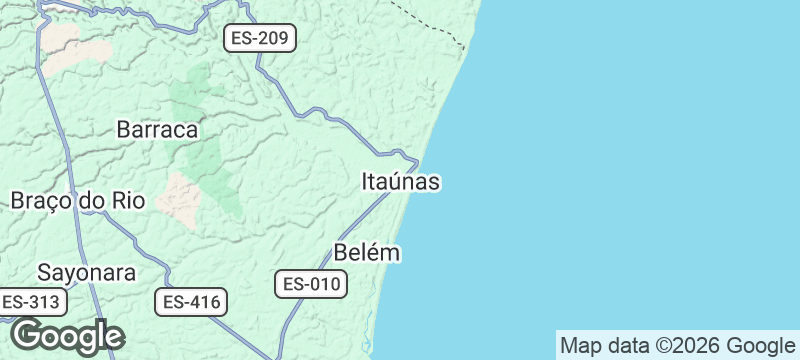
Itaúnas
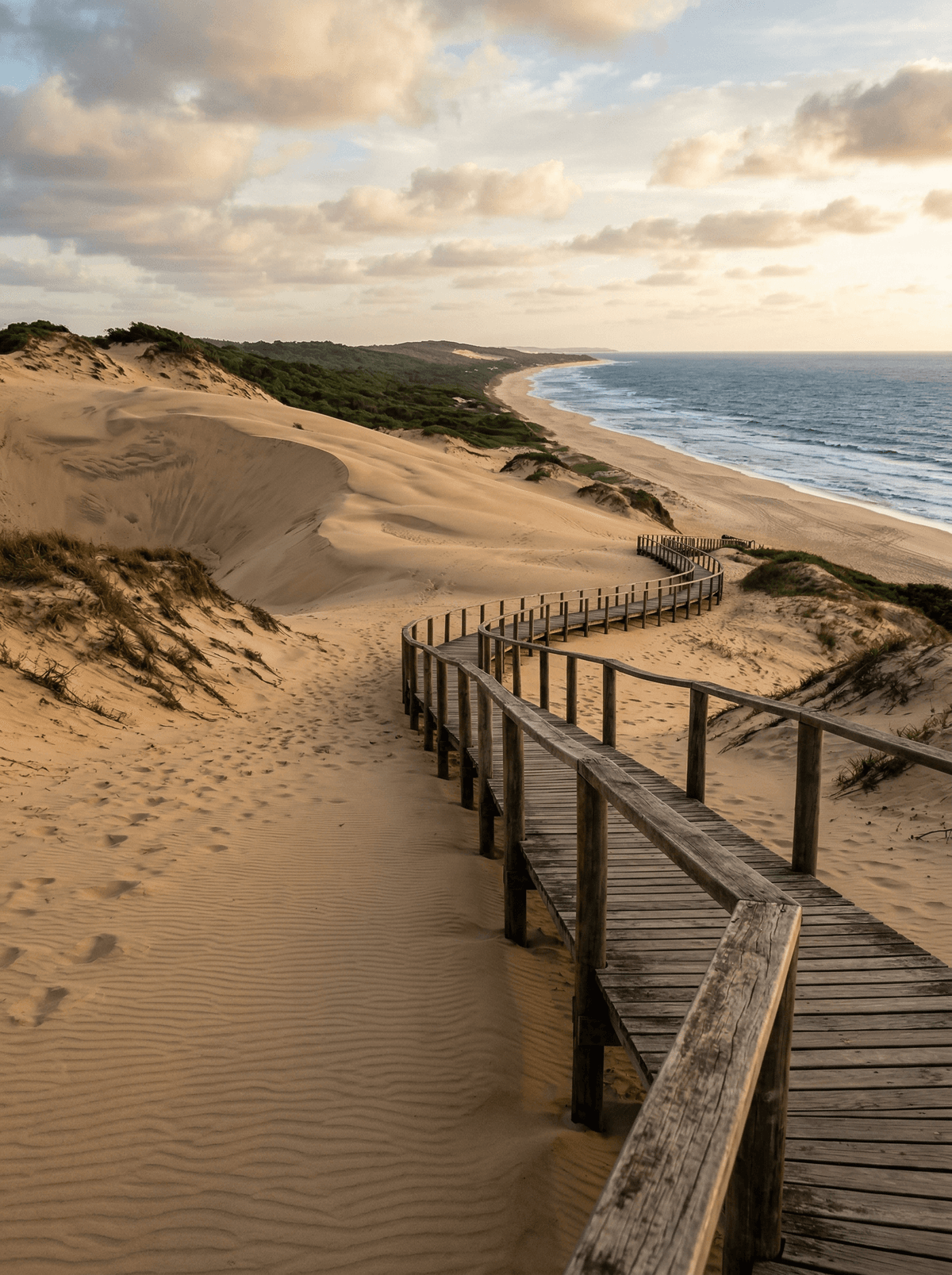
Sand dunes that swallowed an entire village, now a forró-dancing outpost on a wild coast.
To see the sea at Itaúnas you climb first. The dunes here run to more than thirty metres, and underneath them is a village that stood for nearly two hundred years. It went down between the 1950s and 1970, and depending on which way the wind is blowing, the church and the cemetery still surface.
It happened because of what was cut down. A resident's account is that there had been woodland in front of the dunes, facing the beach, until an authority ordered the trees felled; after that the wind hit and the sand started arriving. The dunes had been under a metre high; they are around thirty now. One man watched them advance fifteen metres a year from about 1958 and gave up counting in 1961 or 1962. People left slowly, taking their timber houses apart and carrying the wood across the Rio Itaúnas to rebuild on the other side, and the last family walked out in 1970. The park that now protects the dunes was created on 8 November 1991, five years after the state culture council listed them as a natural monument and half a century after the naturalist Augusto Ruschi proposed a ten-thousand-hectare forest reserve here and was not listened to.
Solo
The visitor centre opens every day from eight until five and costs nothing, and the trails out of it are the Tamandaré, the Buraco do Bicho and the Borboleta. Motor vehicles are banned without authorisation on the beaches, the dunes and the trails, which is why it is quiet.
Couple
The buried village is why you come, and the wind decides what you see of it, so give it more than one morning. The park runs across 3,481 hectares of restinga, mangrove, dune, tableland forest and wetland, and it is the most visited state park in Espírito Santo at around a hundred thousand people a year.
Friends
Two months carry the culture. January is the São Sebastião and São Benedito festivals with Ticumbi, Alardo, Jongo and Reis de Bois; July is the Festival Nacional de Forró de Itaúnas, which is what the village rebuilt itself around.
- The old village stood for nearly two hundred years and went under between the 1950s and 1970, and depending on the wind the church, the cemetery and people's belongings still come back out of the sand.
- To see the sea you climb the dunes first, some of them over thirty metres, and before the woodland in front of them was felled they stood under a metre high.
- The 3,481-hectare state park protects restinga, mangrove, dunes, tableland forest and wetland, and its visitor centre opens every day from eight until five, free.
- January brings Ticumbi, Alardo, Jongo and Reis de Bois to the São Sebastião and São Benedito festivals, and July brings the Festival Nacional de Forró de Itaúnas.
Dona Tereza has been cooking moqueca capixaba on Rua Demerval Leite da Silva for nearly fifty years, and the bobó de camarão comes out of the same kitchen.
Cizinho, on the same street, sends out little pastéis of ray and the Jamburinha in a gourd: jambu cachaça, lime, passion fruit and a ginger foam.

Uluru
Australia
Desert light turns 550-million-year-old arkose from ochre to crimson across Uluṟu's weathered face.
Ziro Valley
India
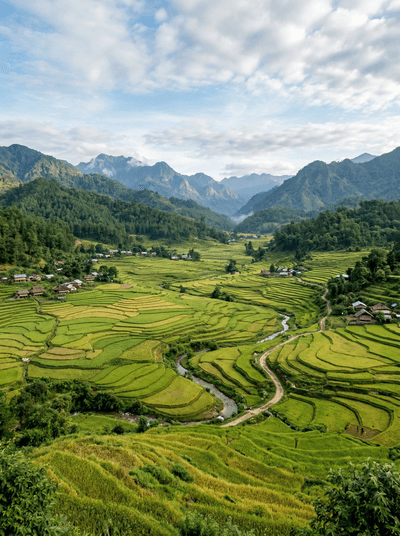
Fish swim between rice stalks in a pine-ringed valley farmed by the Apatani for centuries.
Prespa Lakes
Greece
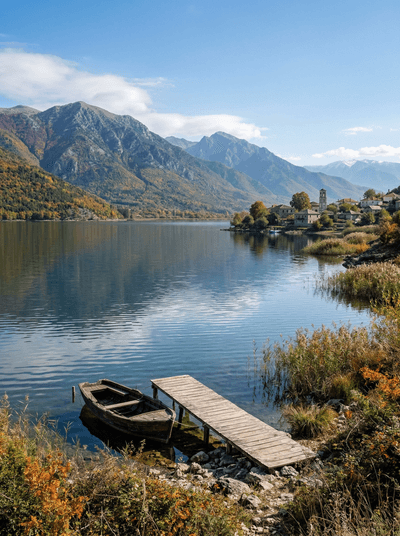
Byzantine hermitages painted on cave walls above a lake shared by three countries.
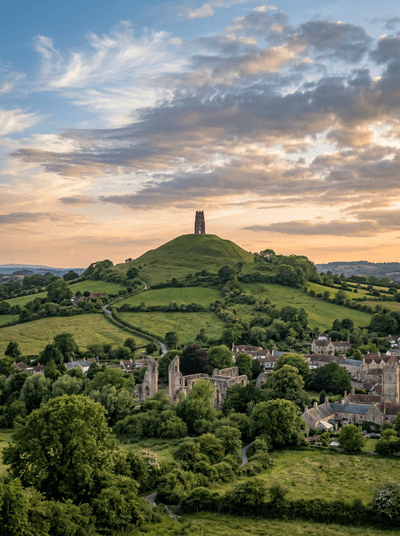
Glastonbury
England
Where ley lines cross, Arthur allegedly sleeps, and the veil feels genuinely thin.
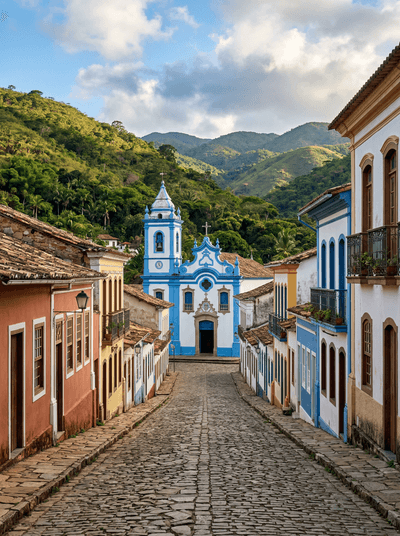
Triunfo
Brazil
Fog on dry-stone walls, in a scrap of rainforest stranded above the drought country.
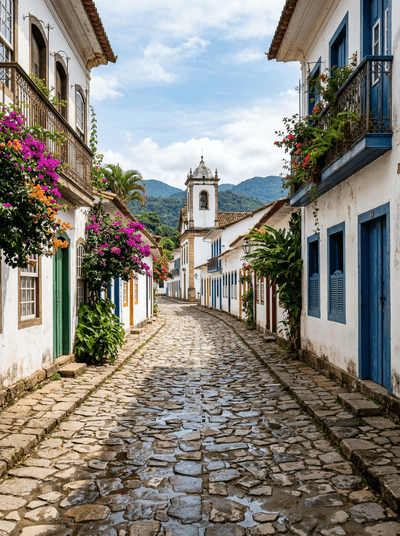
Paraty
Brazil
A colonial port the sea washes through on spring tides, with rainforest at its back.
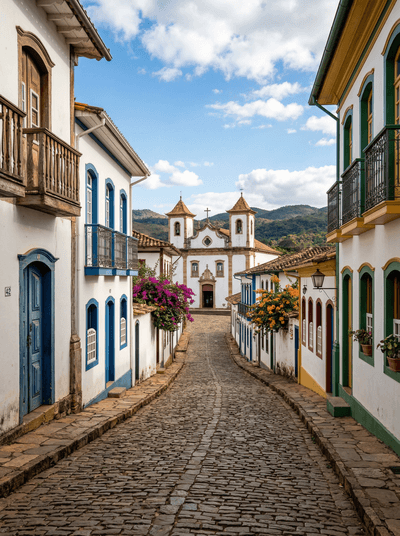
Pirenópolis
Brazil
A colonial gold town erupting in costumed cavalry battles between Moors and Christians every Pentecost.
Itacaré
Brazil
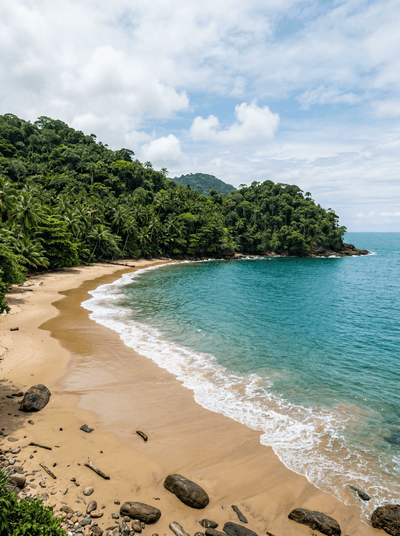
The forest is still standing here because the cacao needed its shade.