Kyrgyzstan
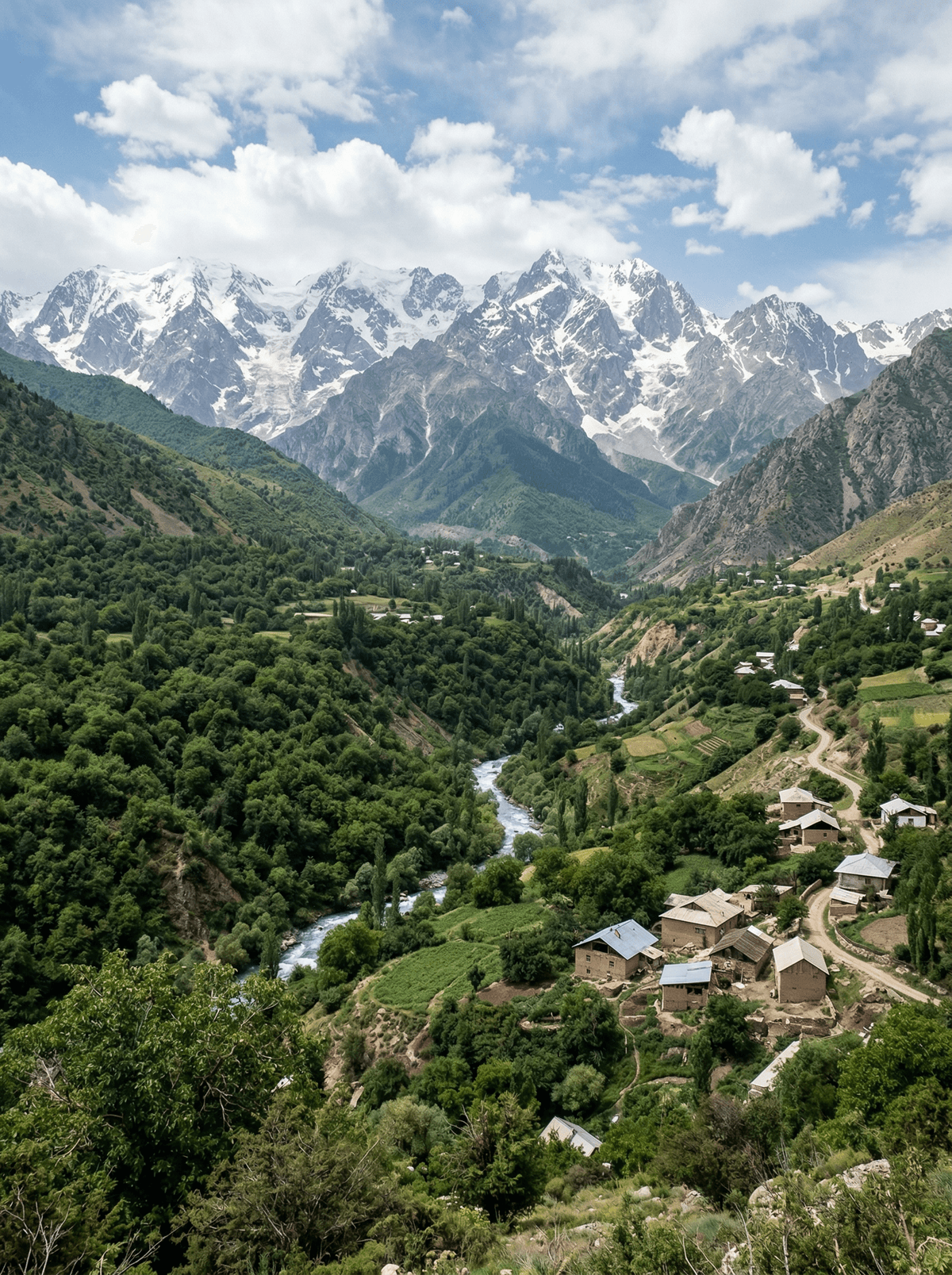
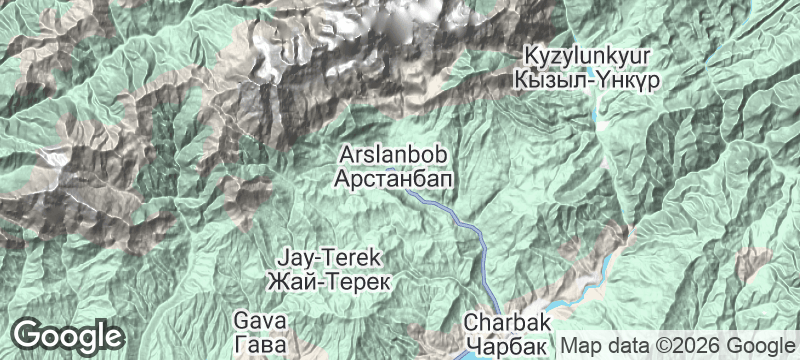
Arslanbob
Earth's largest walnut forest, where entire villages live by the rhythm of the September harvest.
Walnut shells crunch underfoot on every path in Arslanbob. The canopy is so dense that September light filters through in green-gold shafts, and entire families work the harvest with sacks and long poles, shaking branches until the ground is carpeted. The air smells of fresh-cracked shells and woodsmoke from the village below.
Arslanbob is home to the world's largest natural walnut forest, covering over 11,000 hectares across the slopes of the Babash-Ata mountains in Kyrgyzstan's Jalal-Abad province. The forest is believed to be a relic of the Tertiary period, and Alexander the Great's soldiers are said to have carried its walnuts back to Europe — though the village's Uzbek-speaking community has tended these trees for far longer than any legend. The September harvest defines the local economy; families camp in the forest for weeks, and children are released from school to help. Two waterfalls — the larger dropping 80 metres — punctuate trails through the trees. Homestays in the village offer walnut jam, wild honey, and warm bread as standard fare.
Solo
Walk the forest trails alone, join a harvest family for a day's picking, and return to a homestay where the host feeds you walnut jam and honey. The village pace absorbs solo travellers into its rhythm naturally.
Couple
A forest older than most civilisations, walks to waterfalls through ancient canopy, and evenings in homestays where hospitality is reflexive. The setting is romantic without trying to be.
Family
Children can crack walnuts, hike to waterfalls, and experience village life where kids still play in orchards and rivers. Homestay families are welcoming, and the forest is a living classroom.
Friends
Multi-day treks through the walnut forest to alpine lakes above the treeline, returning to village homestays for communal dinners. The harvest season adds a participatory dimension — you can actually help.
- The walnut and fruit tree forest here is recognised as the largest natural walnut forest in the world.
- Every family in the village holds inherited harvesting rights to specific trees — a system unchanged for over a thousand years.
- A waterfall dropping 80 metres is accessible by a forest trail that requires no guide and gains 400 metres from the village.
- Homestays feed guests exclusively on local produce: walnut oil, wild honey, apricots, and bread from wood-fired tandoors.
Freshly cracked walnuts eaten by the sackful during harvest, the oil staining your fingers.
Homemade walnut jam and wild honey drizzled over warm bread in village homestays.
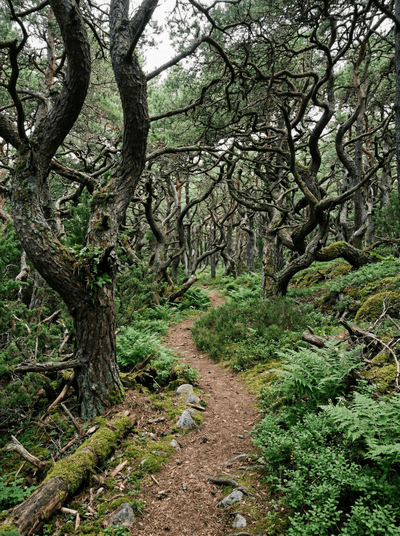
Trollskogen (Öland)
Sweden
A forest of wind-warped oaks so twisted they look like a witch's spell gone wrong.
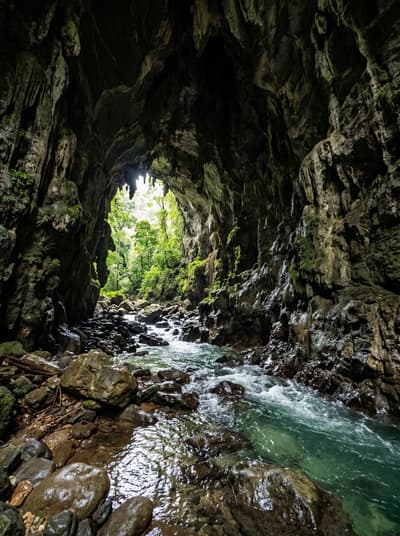
Millennium Cave
Vanuatu
Scramble through jungle and wade chest-deep rivers to a cave you enter walking and exit floating.
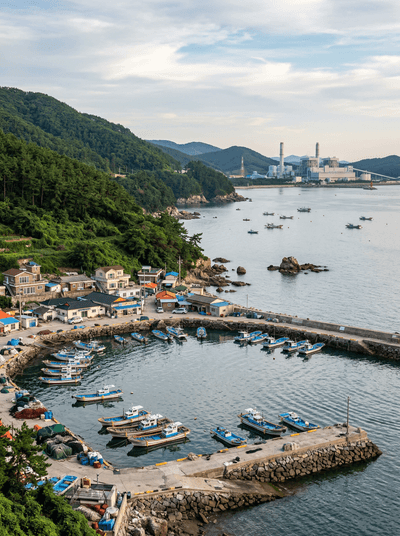
Maryang-ri
South Korea
A five-hundred-year-old forest of camellia trees bleeding red flowers against the grey winter sea.
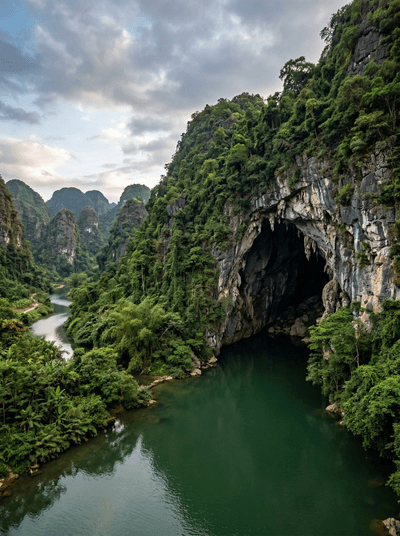
Phong Nha
Vietnam
Hidden jungle portals opening into subterranean river systems and limestone caverns.
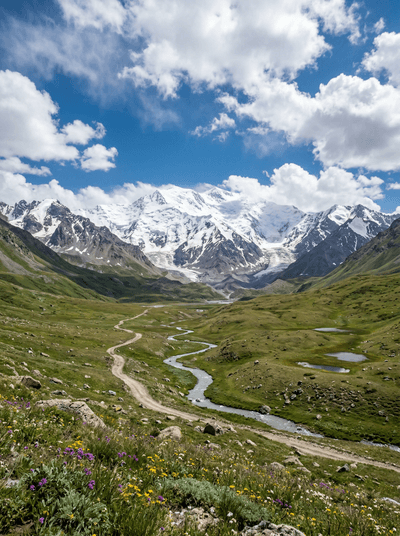
Achik-Tash
Kyrgyzstan
Yurt camps at 3,600 metres beneath a 7,134-metre peak, alpinists and trekkers sharing vodka at sunset.
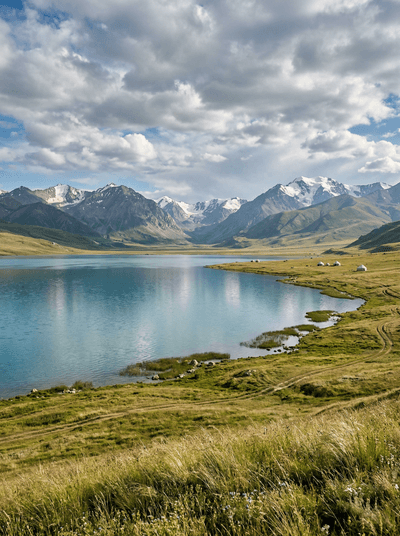
Song-Köl
Kyrgyzstan
Nomad yurts circling a lake at 3,000 metres where the only sound is wind through grass.
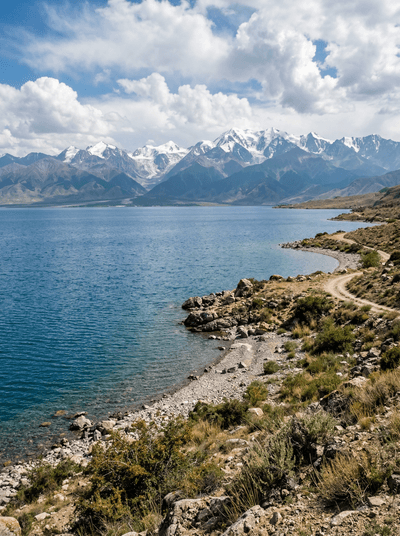
Issyk-Kul (South Shore)
Kyrgyzstan
A salt lake that never freezes at 1,600 metres, snow peaks dissolving into haze.
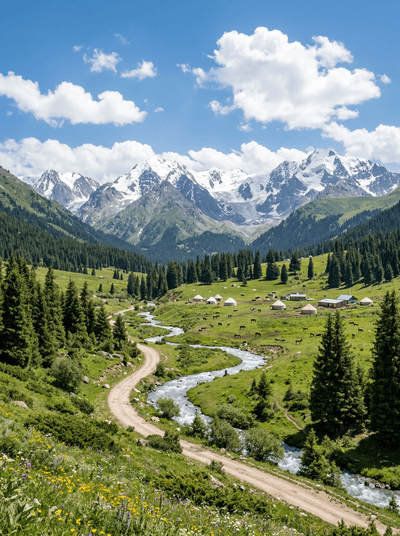
Karakol
Kyrgyzstan
A mosque built without nails beside an Orthodox cathedral — both carved entirely from wood.