Kyrgyzstan
Karakol
A dragon-carved mosque built without a single nail, an Orthodox cathedral raised in wood.
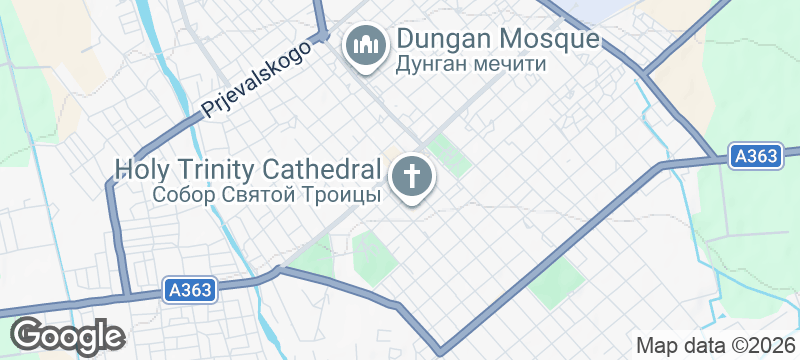
The scent of chilli oil and vinegar drifts down Ashlan-fu Alley, where Dungan cooks ladle cold noodles into bowls beside the Bugu Bazaar. Across a grid of timber houses and poplars, a mosque built without a single nail shares the skyline with a wooden Orthodox church. Kyrgyzstan's fourth-largest city feels like a mountain town that collected cultures the way a valley collects rivers.
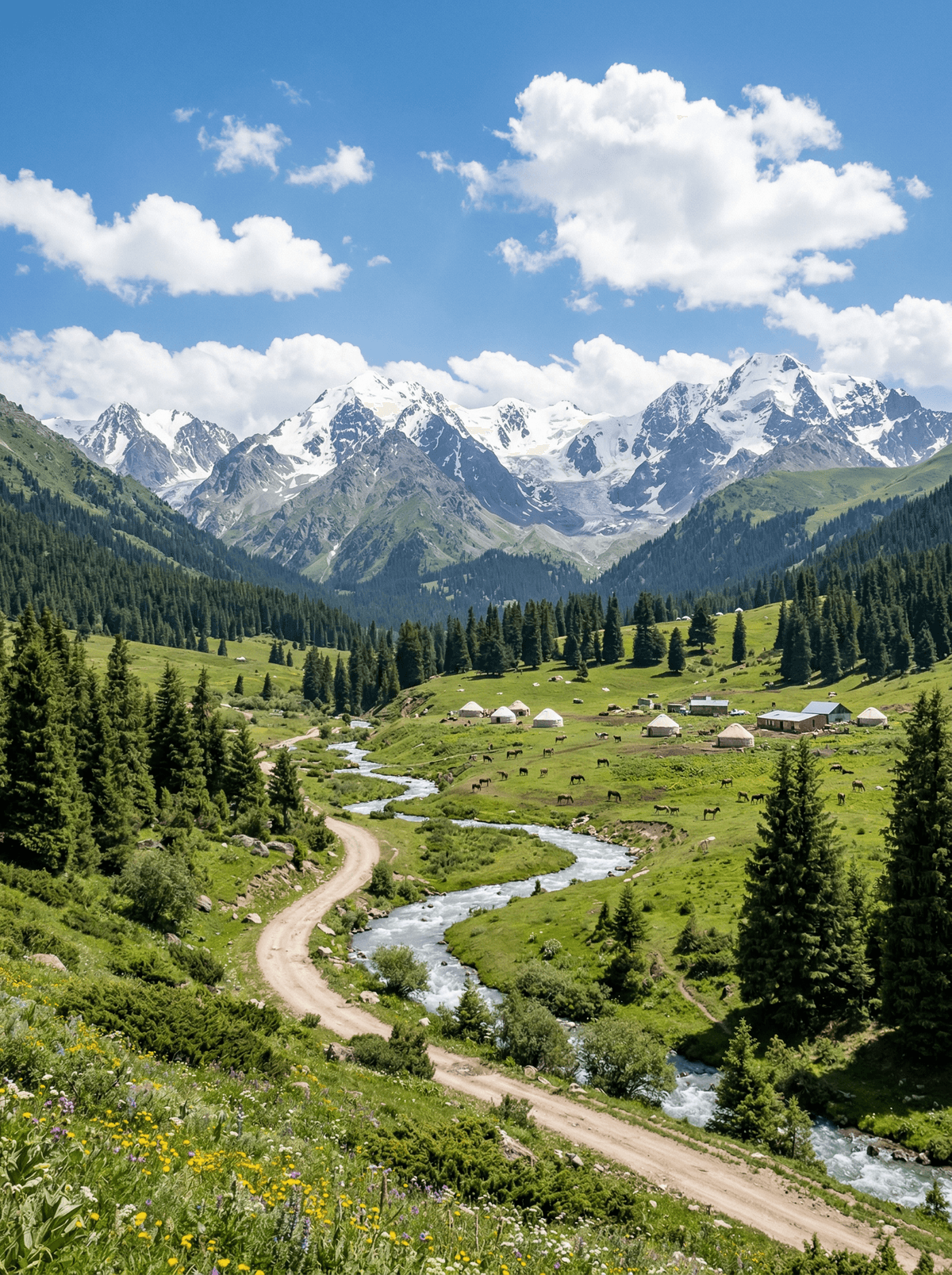
Karakol was founded as a Russian military outpost at Issyk-Kul's eastern end in 1869, and for a time carried the name of the explorer Przhevalsky, who died here in 1888. Its Dungan community, Muslim Chinese who fled Qing-era persecution, finished their mosque in 1910: a pagoda-crowned hall of carved dragons, a phoenix and painted beams, held together by joinery alone. The Holy Trinity Church answers it in wood, rebuilt in 1895 after an earthquake brought down the brick original, then run as a school, sports hall and coal store through the Soviet years before worship returned. On market mornings a sprawling livestock bazaar fills the pens on the town's edge from dawn, and the valleys behind Karakol climb to Ala-Kul, Altyn-Arashan and Jeti-Ögüz, which is why trekkers keep coming back to its noodle bowls.
Solo
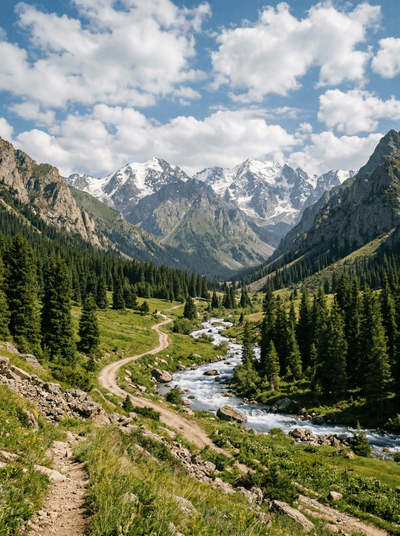
A town you can learn in a day and stay a week for: walk the timber grid, eat through the bazaar, then organise a trek straight from town.
Couple
Mosque, cathedral, bazaar and the old Russian quarter make an unhurried day of layers before the mountains; evenings are poplar streets and shared noodle bowls.
Family
The livestock market is unforgettable for children: horses and sheep filling the pens from first light, deals done by mid-morning. Guesthouse comfort sits one short drive from genuine adventure.
Friends
The classic staging post: a day of ashlyan-fu and shashlik over trekking maps, then out to Ala-Kul or Altyn-Arashan with the bazaar waiting to refuel the return.
- The Dungan Mosque, finished in 1910, is held together by joinery alone: dragons, a phoenix and a pagoda-shaped minaret without a single nail.
- The wooden Holy Trinity Church was raised in 1895 after an earthquake levelled its brick predecessor.
- Ashlan-fu Alley beside the Bugu Bazaar serves the cold Dungan noodle dish Karakol has made its own.
- A dawn livestock market fills the pens at the town's edge, horses and sheep traded from separate enclosures until mid-morning.
Ashlyan-fu, cold noodles in a vinegar-sharp broth with chilli oil, ladled out along Karakol's own Ashlan-fu Alley beside the Bugu Bazaar.
A Dungan family dinner in Yrdyk village: at least eight home-cooked dishes at one table, with ashlyan-fu you roll and cut yourself.
Braga
Portugal
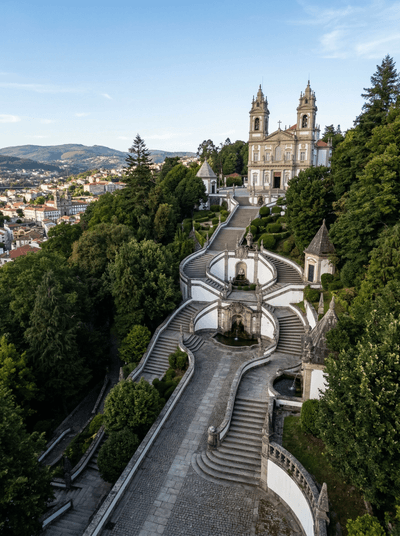
A Baroque stairway zigzags heavenward through fountains of the five senses.
Stone Town
Tanzania
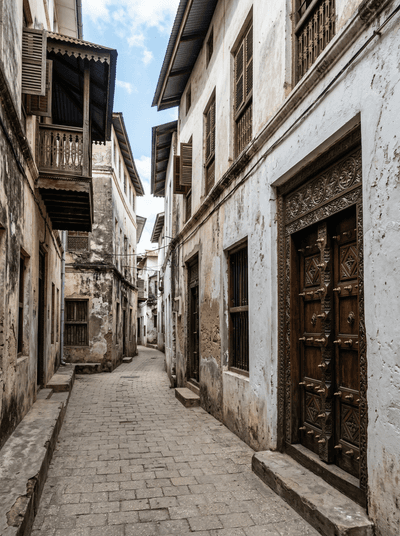
Five hundred carved doors open onto lanes that smell of clove and a thousand years.
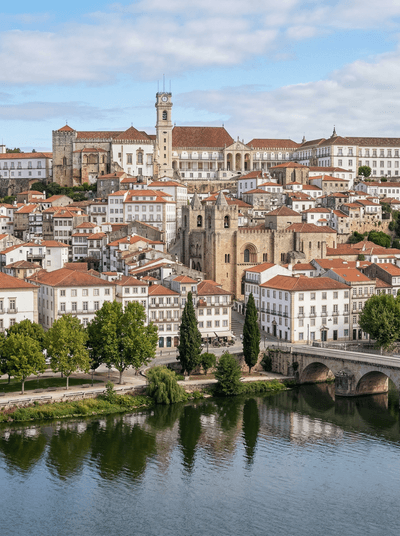
Coimbra
Portugal
Black-caped students sing fado on medieval steps above a library gilded in Brazilian gold.
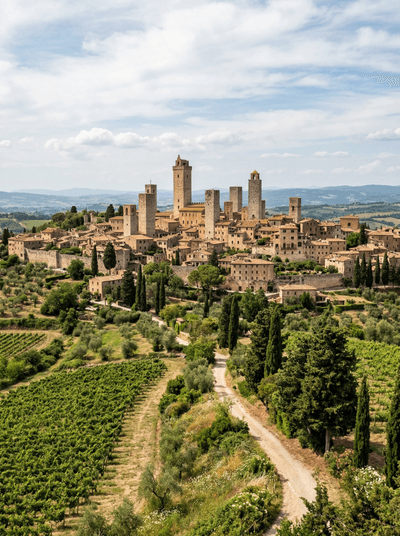
San Gimignano
Italy
Fourteen medieval towers still standing like a Tuscan Manhattan, casting shadows across the piazza.
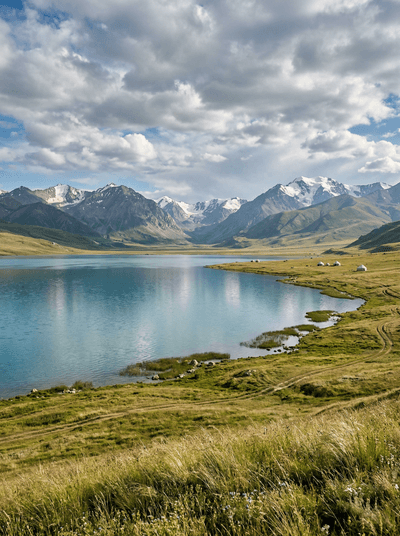
Song-Köl
Kyrgyzstan
Nomad yurts circling a lake at 3,000 metres where the only sound is wind through grass.
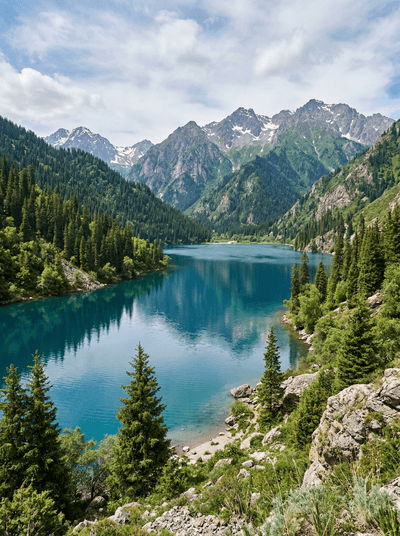
Sary-Chelek
Kyrgyzstan
A biosphere lake 234 metres deep in walnut forests where snow leopards still roam.
Padysha-Ata
Kyrgyzstan
A snow-leopard juniper reserve wrapped around a mausoleum that still draws pilgrims.