Chile
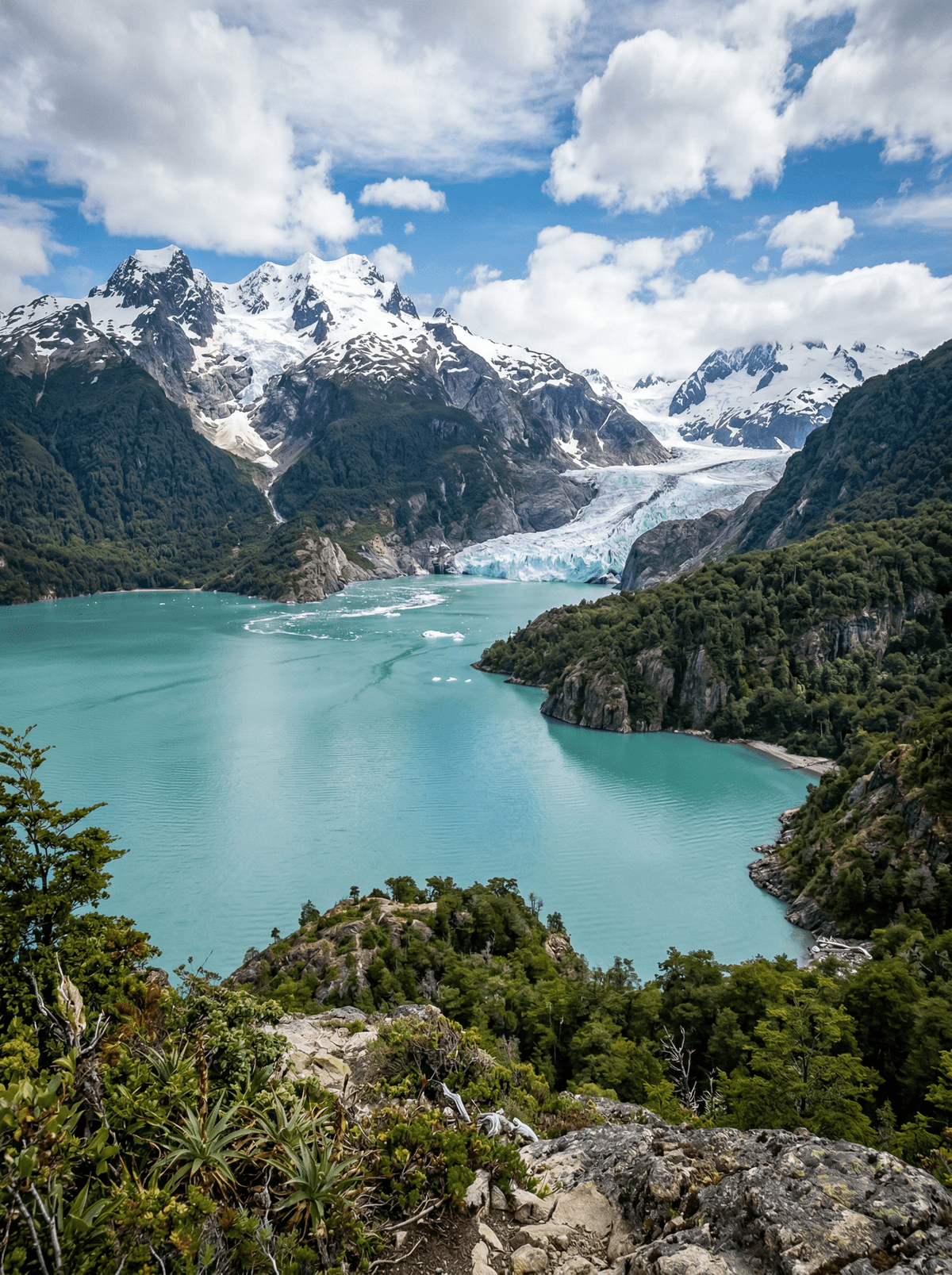
Bahía Exploradores
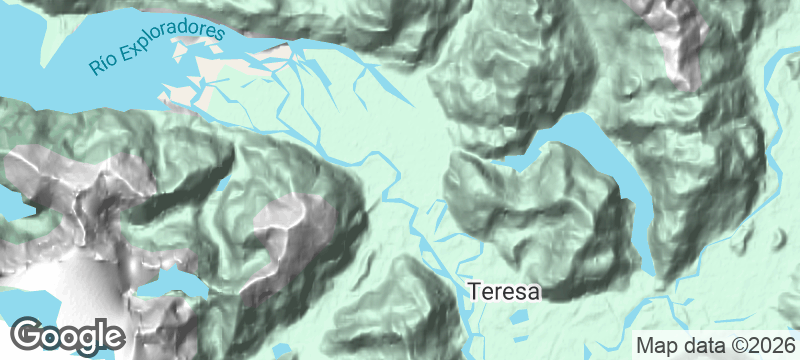
Braided rivers run out at a bay where boats face the San Rafael icefield's edge.
The road follows braided water towards a wet, forested horizon. At the bay, travellers transfer from wheels to a boat facing the San Rafael icefield landscape.
Fatal incidents led to the permanent prohibition of glacier trekking here in 2023. Current operators offer boat-based viewing, with weather controlling both road and navigation. That lawful route still delivers a strong sense of the icefield without placing visitors on unstable ice.
Solo
Join a current boat product from Puerto Río Tranquilo and leave glacier walking entirely outside the plan.
Friends
Share the long road and navigation, keeping a spare day when Patagonian conditions cancel departure.
- The Exploradores road ends at boats that face the San Rafael icefield landscape from the water.
- Glacier trekking here ended permanently in 2023, so the honest offer is navigation, never ice walking.
- The long gravel approach through braided valleys is part of the day's reward.
Puerto Río Tranquilo is the last true provisioning stop — minimarkets, ten-plus restaurants and a craft brewery on the costanera.
The Exploradores valley beyond runs on what the vehicle carries.
Loch Coruisk
Scotland
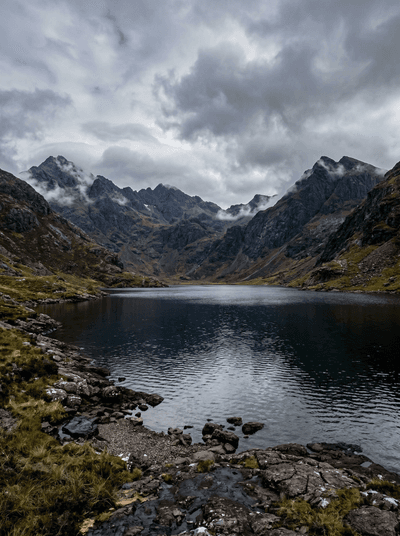
A loch locked inside the Cuillin mountains, reachable only by sea, the water black and still.
St Kilda
Scotland
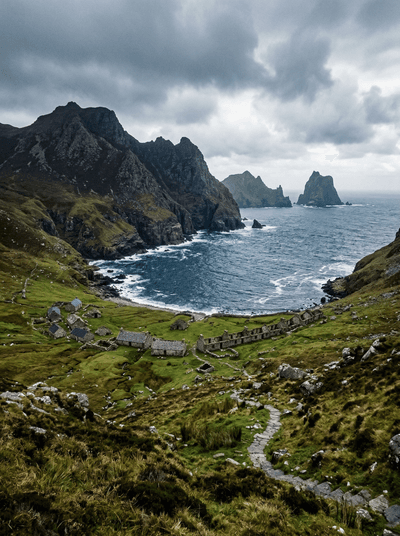
Britain's most remote islands, evacuated in 1930, where a million seabirds outnumber the ghosts.
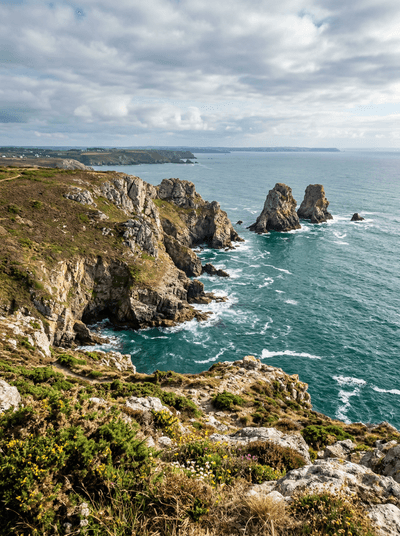
Presqu'île de Crozon
France
Sea stacks and hidden coves on a windswept peninsula where the Atlantic chews the rock raw.
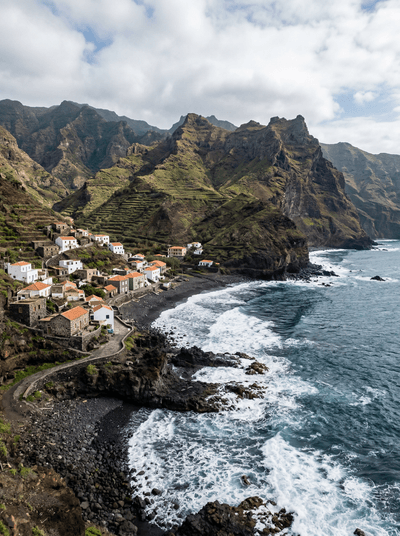
Cruzinha da Garça
Cape Verde
Twelve kilometres of cliff-carved path end at a fishing hamlet on black sand.
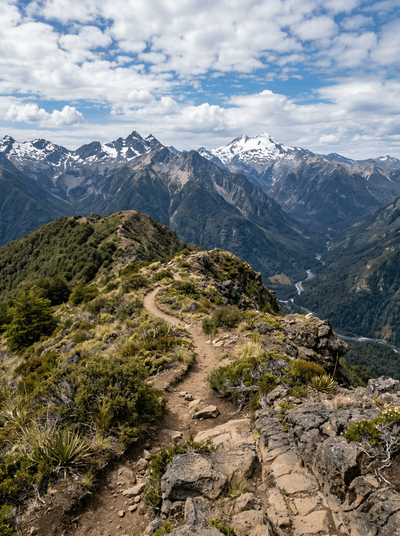
Reserva Nacional Altos de Lircay
Chile
Forest paths climb from Vilches towards high Andean plateaux and open sky.
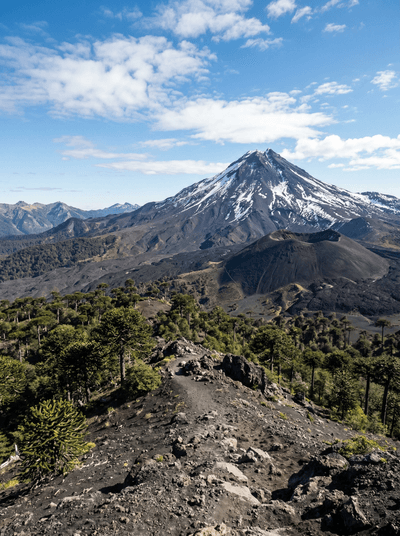
Volcán Lonquimay (Cráter Navidad)
Chile
A crater born on Christmas Day scars the flank of snow-striped Lonquimay.
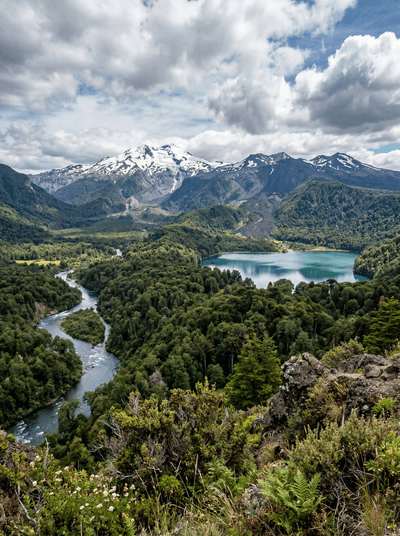
Parque Nacional Puyehue (Caulle Volcanic Range)
Chile
Rainforest, thermal water and volcanic ground meet in Chile's southern lake country.
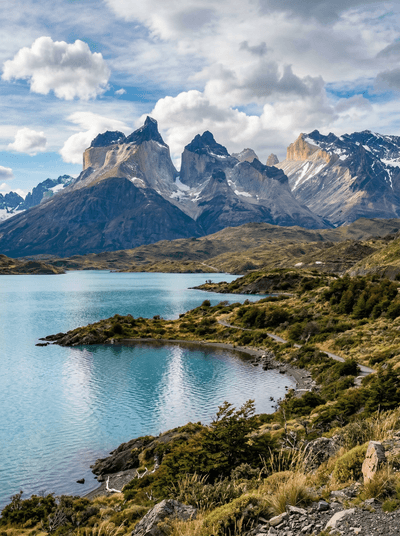
Torres del Paine
Chile
Granite towers tear free of cloud above milk-blue lakes and restless Patagonian grass.