
Chile
Volcán Lonquimay (Cráter Navidad)
A crater born on Christmas Day scars the flank of snow-striped Lonquimay.
Black volcanic ground cuts across the older cone like a fresh line. From the route, araucaria forest gives way to the crater formed in 1988.
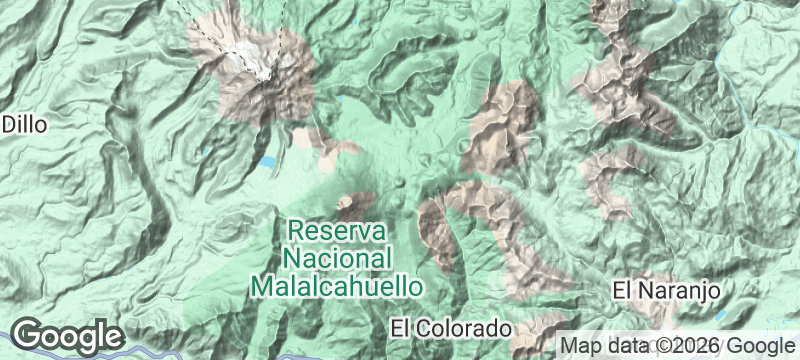
The eruption beginning on Christmas Day gave Cráter Navidad its name and reshaped Lonquimay's flank. Current summer routes approach from the Corralco and Malalcahuello area, with snow and volcanic conditions deciding access outside that window. The visible contrast between new crater and older mountain tells the story directly.
Solo
The current summer route gives an independent hiker a clear volcanic story when conditions are checked.
Friends
Walk the 1988 crater together, giving the return across exposed ground as much time as the ascent.
- Current summer routes from the Corralco and Malalcahuello area reach Cráter Navidad on Volcán Lonquimay.
- The crater formed during the eruption that began on Christmas Day 1988.
- Snow, volcanic conditions and route management determine access outside the normal hiking season.
In Lonquimay the piñón is the Pewenche's 'señora sustento' — the sacred araucaria staple of life here.
Boiled or roasted, the nuts come down from the autumn harvest into village kitchens.
Sani Pass
South Africa
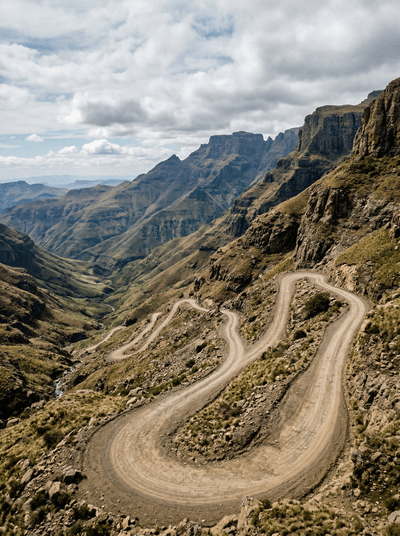
A switchback road climbs from green foothills to a high border above the clouds.
Isole Eolie — Vulcano
Italy
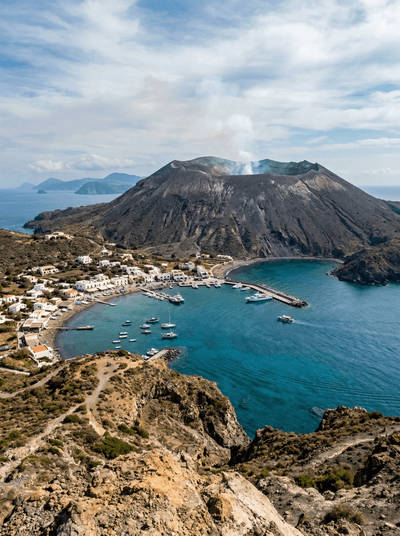
Sulphur vents hiss beside black beaches on the island where Vulcan kept his forge.
Assynt
Scotland
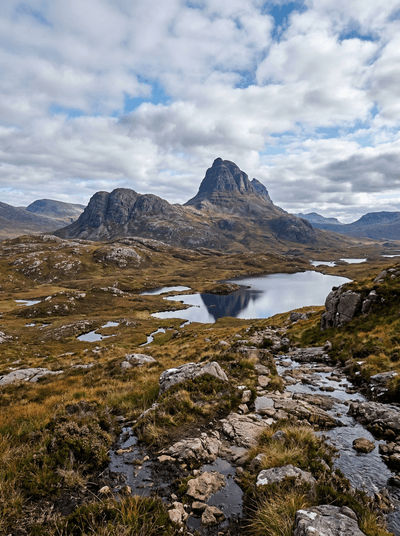
Solitary mountains erupt from a moonscape of lochs and bog like cathedrals without congregations.
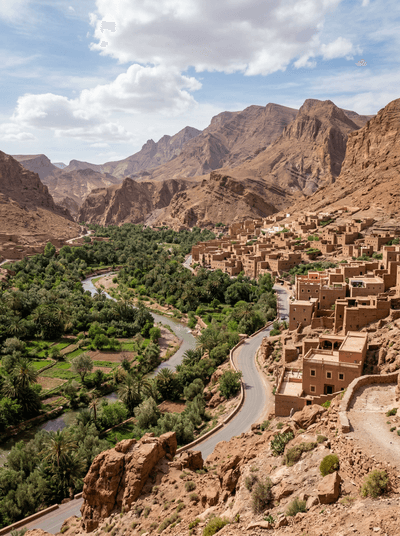
Boumalne Dadès
Morocco
A green river cleaves a wind-scoured plateau where mountain caravans changed seasons.
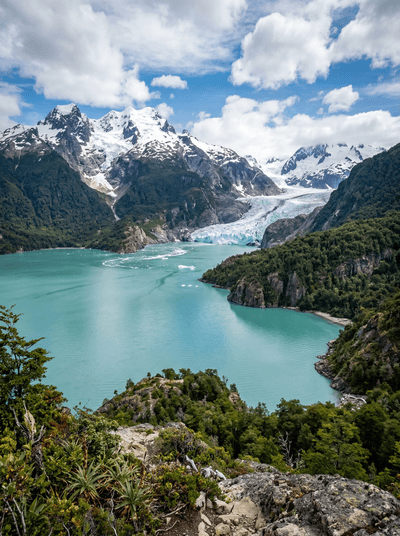
Bahía Exploradores
Chile
Braided rivers run out at a bay where boats face the San Rafael icefield's edge.
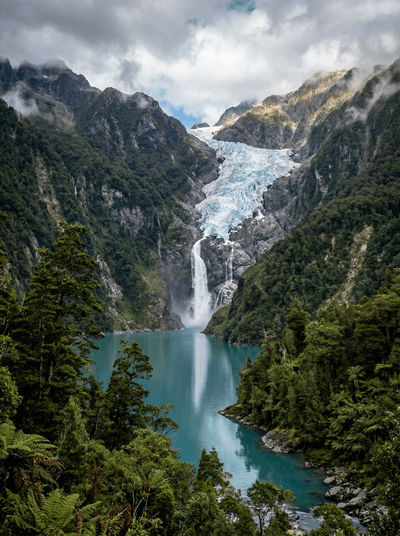
Queulat National Park
Chile
Twin streams fall from a hanging glacier into rainforest dense with rain.
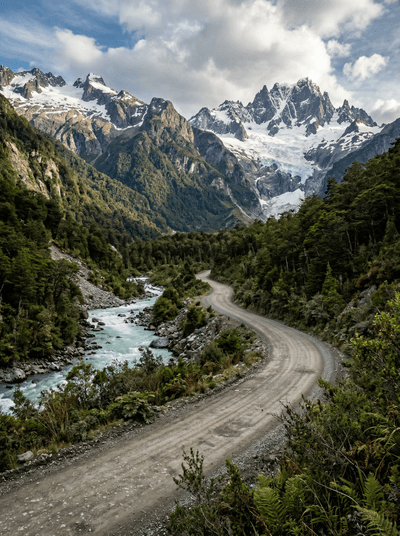
Carretera Austral
Chile
Ferries and gravel carry Route 7 through more than 1,200 kilometres of green Patagonia.
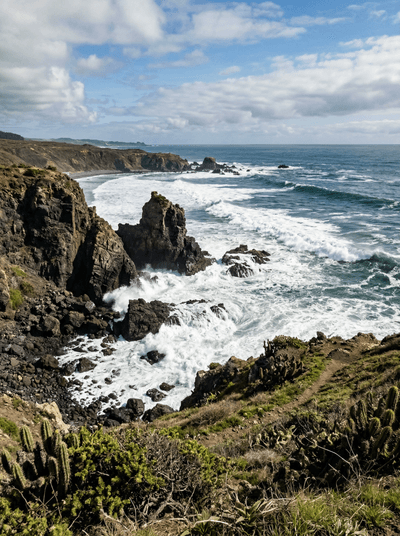
Punta de Lobos
Chile
Long Pacific lines bend around a protected headland south of Pichilemu.