Portugal
Berlengas
A granite fortress perches on a sea-battered island, seabirds screaming overhead.
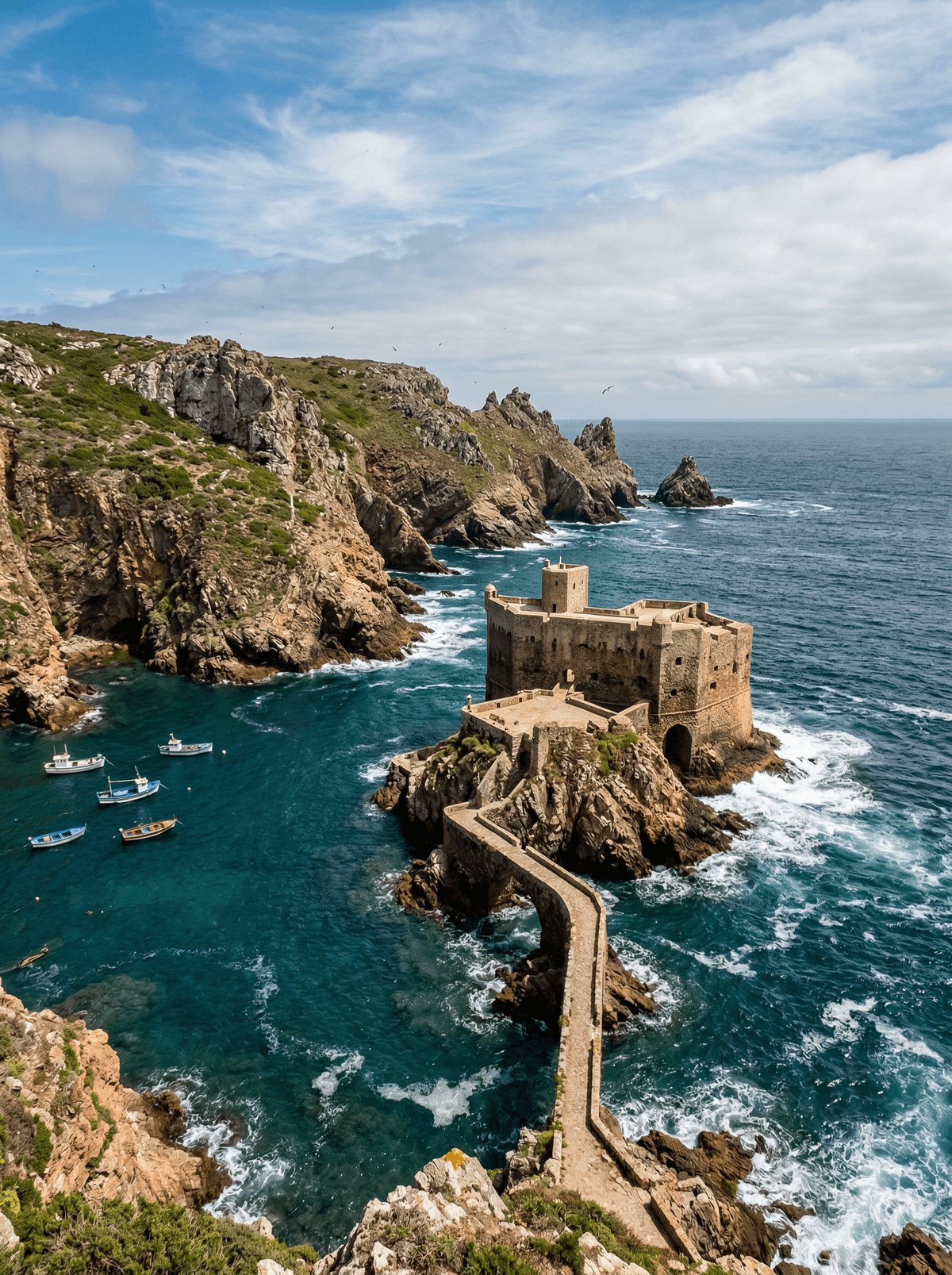
Ten kilometres out from Peniche, the mainland shrinks to a smudge. The Berlengas rise from the Atlantic as raw granite — stacks, arches, one main island of scrub circled by seabirds — and the seventeenth-century fortress of São João Baptista sits joined to it by a narrow stone causeway, waves breaking on both sides.
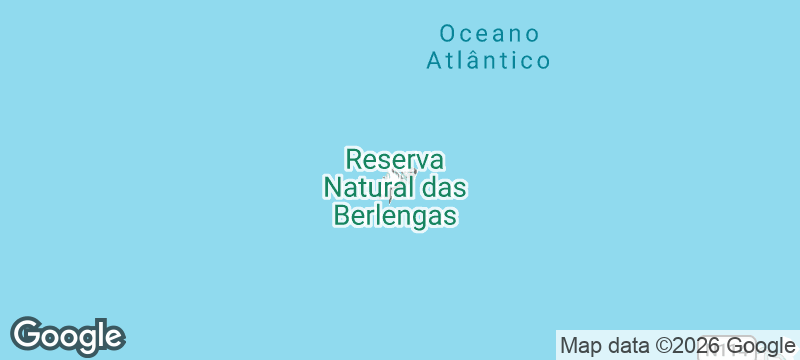
The archipelago is a UNESCO Biosphere Reserve some ten kilometres off Peniche, its main island barely eighty hectares yet loaded with breeding seabirds — Cory's shearwaters, shags and gulls under annual monitoring. Daily visitor numbers are capped to protect the island's ecology — the crossing happens on the ocean's terms — and development has been off the table for decades. The 1656 fortress — successor to earlier forts flattened by raiders — once guarded the Lisbon approach and still rides its wave-washed rock where the stone causeway meets the sea. Around it, the marine reserve holds some of Portugal's clearest water, the cold current keeping visibility remarkable on calm days, and kayaking the sea caves and natural tunnels in the granite is the island's signature hour. Pack most of what you need — the island offers almost nothing to buy.
Family
The crossing alone is an event — children respond to the fortress, the bird colonies and the glass-clear water, and the island's small scale keeps everyone together.
Friends
Sea caves by kayak, snorkelling in Portugal's clearest water, and an island day surrounded by open Atlantic — the shared adventure that becomes a story for years.
- Daily visitor caps and a decades-old building ban keep the biosphere island wild.
- The 1656 fortress rides its wave-washed rock, tethered to the island by a narrow causeway.
- The cold current keeps the marine reserve's water among Portugal's clearest.
- Shearwaters, shags and gulls breed under yearly counts across the eighty hectares.
A picnic carried over the Atlantic — bread, cheese and fruit eaten on the fortress causeway.
Peniche's caldeirada and grilled catch rewarding the return crossing.
Vaitupu
Tuvalu
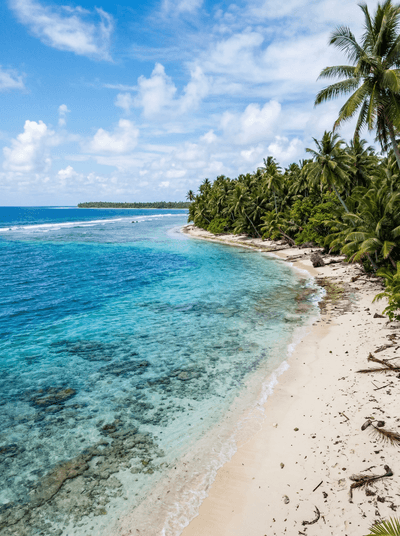
Tuvalu's largest island, where traditional sport te ano sends two woven balls flying at once.
Phang Nga Bay
Thailand
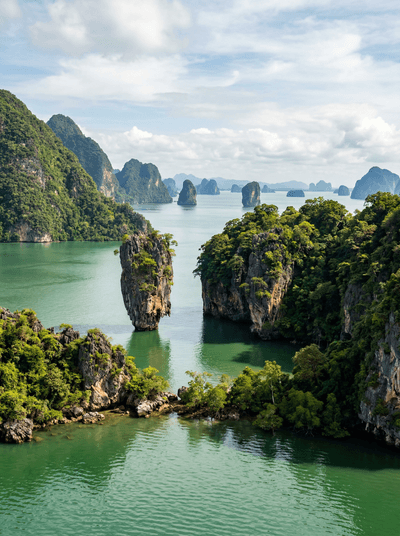
A forest of vertical limestone monoliths bursting from green water like dragon's teeth.
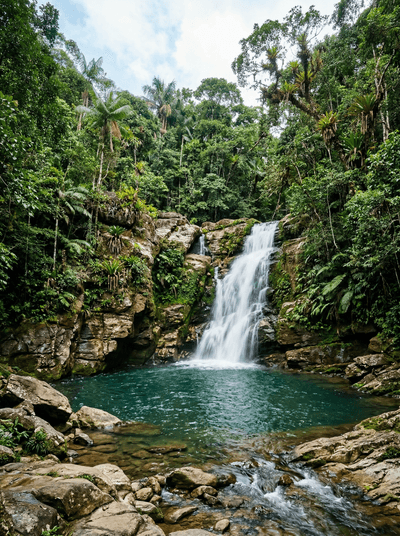
Presidente Figueiredo
Brazil
More than a hundred waterfalls in one municipality, and some of them run red as tea.
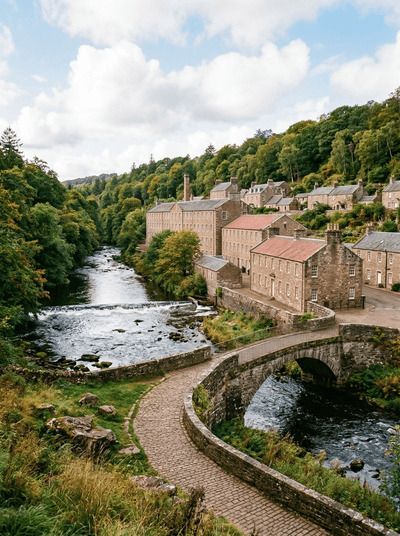
New Lanark
Scotland
A utopian mill village frozen in the 1800s, where waterfalls power looms and idealism alike.
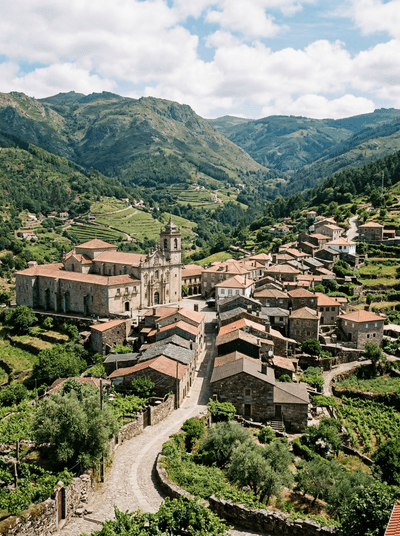
Arouca
Portugal
A 516-metre suspension bridge sways 175 metres above a gorge — Portugal's vertigo capital.
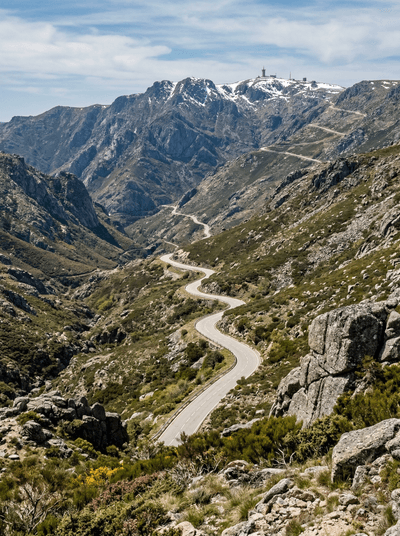
Serra da Estrela
Portugal
Portugal's highest range — glacial valleys, wild heath, and shepherd dogs the size of bears.
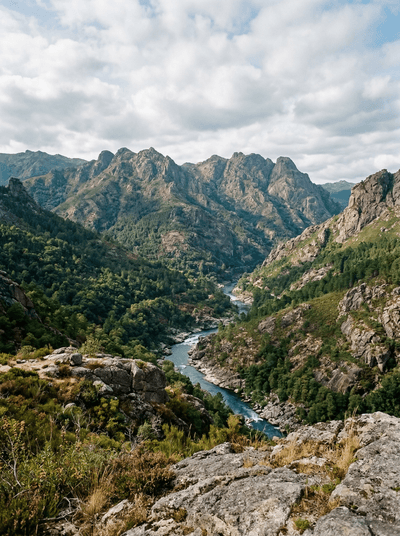
Peneda-Gerês
Portugal
Portugal's only national park — granite canyons, wild horses, Roman milestones on lost paths.
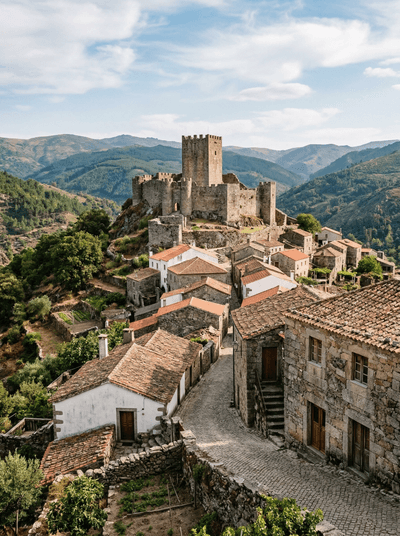
Linhares da Beira
Portugal
A medieval village doubling as a paragliding launch above a glacial valley.