Brazil
Presidente Figueiredo
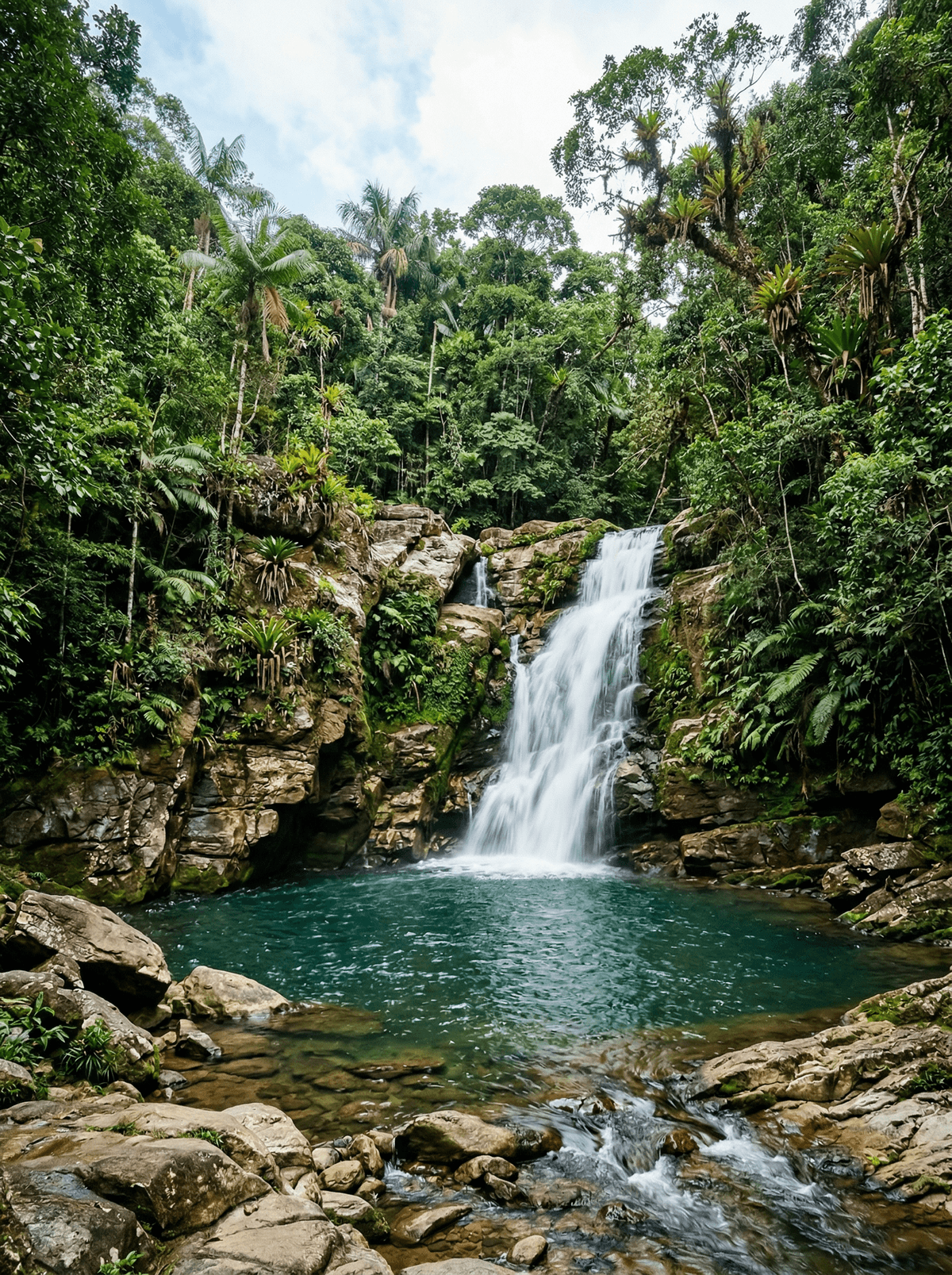
More than a hundred waterfalls in one municipality, and some of them run red as tea.
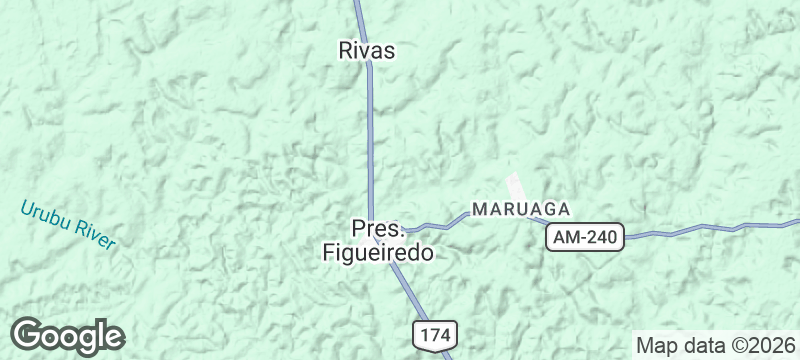
The road out of Manaus is the BR-174, and 107 kilometres up it the waterfalls start. There are more than a hundred of them catalogued in this one municipality, and they do not all look alike: some come down clear, and some come down dark as steeped tea. Salto Ipy is an hour and a quarter on flat ground before you find out which, and the Pedra Furada has three holes worn clean through the rock five minutes from where you park.
Presidente Figueiredo calls itself the Terra das Cachoeiras, and the federal tourism ministry's own count backs the name at more than a hundred falls. Inside the municipality lies the APA Caverna do Maroaga, 374,700 hectares holding 47 catalogued attractions, 57 per cent of them waterfalls and another tenth rapids; the cave is at kilometre 6 of the AM-240, reached on a six-hundred-metre forest trail, and a guide is required, taking ten people at a time for around a hundred reais for a group of five. Each named fall has its own shape: three eighteen-metre drops at the Santuário, a private reserve at kilometre 12 with chalets, a pool and a restaurant; moss, lichen and old stone at the Cachoeira da Onça on the BR-174; three holes worn clean through the rock at Pedra Furada, five minutes from where you park. The water is not uniform either, and the Gruta da Judeia and Salto Ipy both run reddish. Between February and June the rivers rise, and that is when the municipality puts rafting, boia cross, kayaking, zip-line and rappel on them.
Couple
Cachoeira do Santuário is the one to build a day around, three drops of eighteen metres inside a private reserve at kilometre 12 of the AM-240, with chalets, a pool and a restaurant on site. The Cachoeira da Onça runs yoga and meditation, which tells you the pace it keeps.
Family
Pedra Furada is the easy win: a trail under five minutes, three holes worn through the rock at the far end, five reais a head. Gates here generally open at eight and close at four, so this is morning and early afternoon country rather than a sunset trip.
Friends
February to June is when the rivers are up and the rafting, boia cross, kayaking, zip-line and rappel run. Outside that window the day is a waterfall run down the AM-240 with a swim at each stop, and Salto Ipy at the far end, an hour and a quarter in on flat ground, with a guide required.
- The federal tourism ministry has catalogued more than a hundred waterfalls in this one municipality, 107 kilometres from Manaus on the BR-174.
- Gates at the named falls run five to ten reais and open eight until four: Pedra Furada on a trail under five minutes, the Santuário with three drops of eighteen metres, Salto Ipy an hour and a quarter in.
- The Caverna do Maroaga sits inside a protected area of 374,700 hectares with 47 catalogued attractions, 57 per cent of them waterfalls; a guide is required and takes ten people at most.
- From February to June the rivers come up and the municipality puts rafting, boia cross, kayaking, zip-line and rappel on them.
Tucunaré is the fish, taken out of the Balbina reservoir and served as a fillet in the town's regional restaurants.
Look for the pirarucu de casaca, its fish shredded and layered with fried banana, farinha, olives, eggs and coconut milk, with tacacá from the roadside barracas before it and bolo de cupuaçu after.
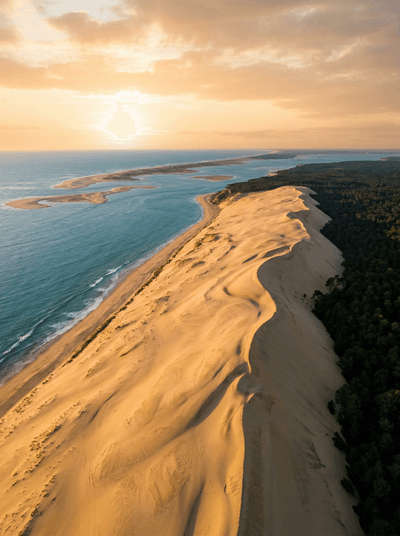
Dune du Pilat
France
Europe's tallest sand dune — a hundred metres of hot grain, the Atlantic crashing below.
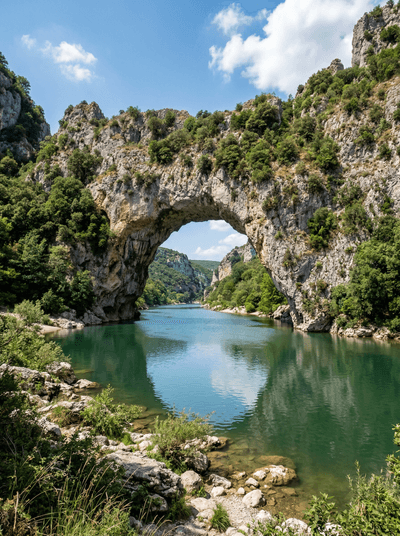
Vallon-Pont-d'Arc
France
Gateway town to the Ardèche canyon, its stone arch and 36,000-year-old cave paintings.
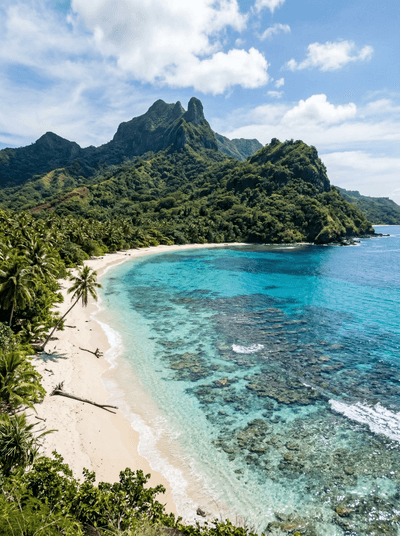
Waya Island
Fiji
Volcanic daggers erupt from reef shallows: ridgeline at sunrise, coral drop-off by noon.
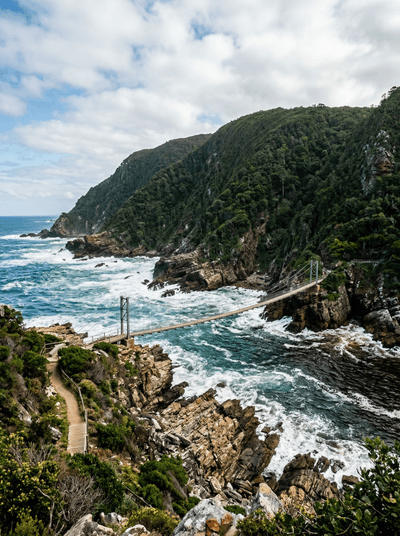
Tsitsikamma
South Africa
Storms River forces through black rock beneath a swaying suspension bridge.
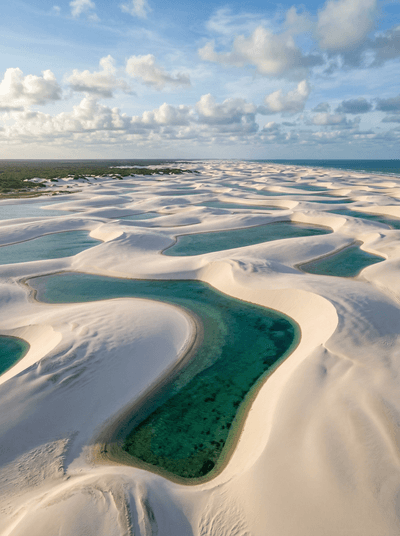
Lençóis Maranhenses
Brazil
Thousands of rain-filled lagoons between white dunes stretching to the horizon like another planet.
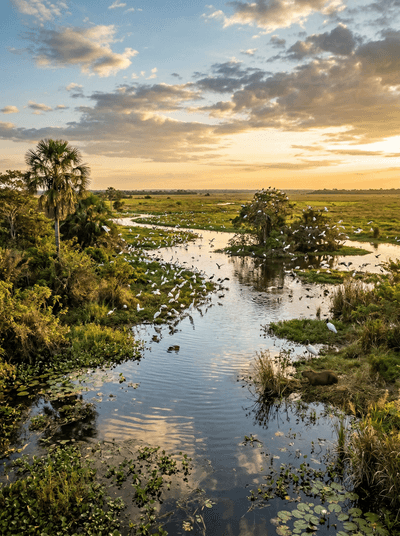
Pantanal
Brazil
When the water drops the animals come out, and the odds on a jaguar shorten.
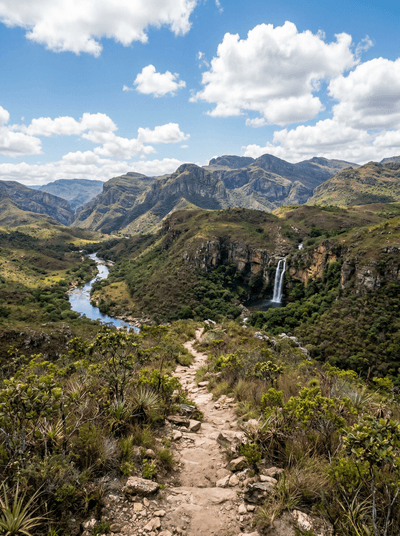
Serra do Cipó
Brazil
Stone meadows of flowers that hold their shape long after they dry, along a quartzite spine.
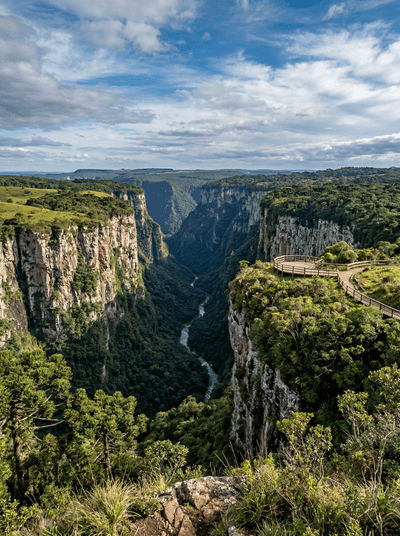
Aparados da Serra
Brazil
A five-hundred-metre waterfall drops straight off the rim into a gorge two kilometres wide.