Italy
Campi Flegrei
A supervolcano breathes under a port city: the ground swells, columns record drowned centuries.
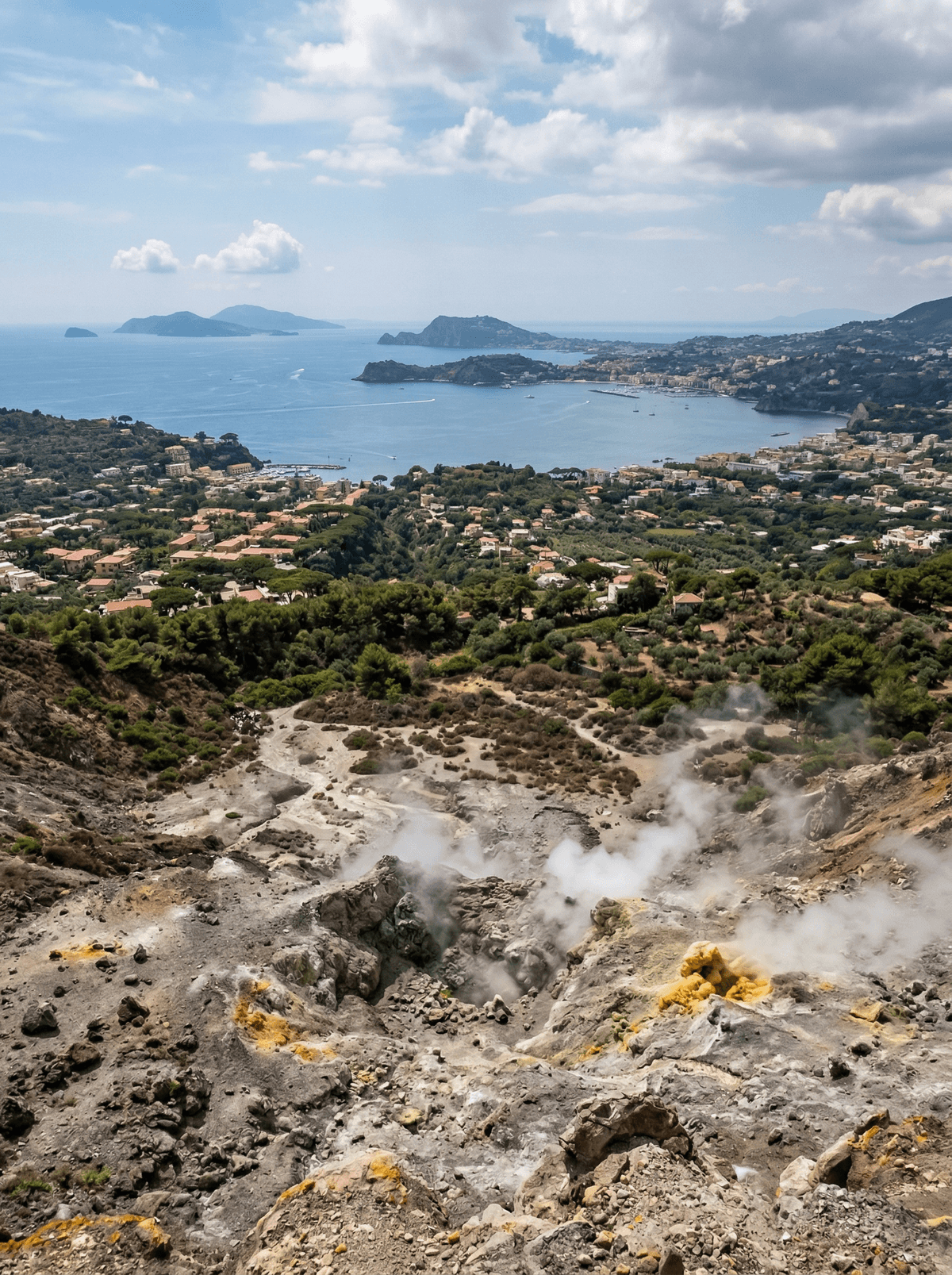
The ground moves here, and not as metaphor. Pozzuoli's harbourside has risen metres within living memory, and the Macellum's Roman columns carry borings from sea creatures that lived on them while the land lay sunk. Steam still curls from cracks in ordinary car parks.
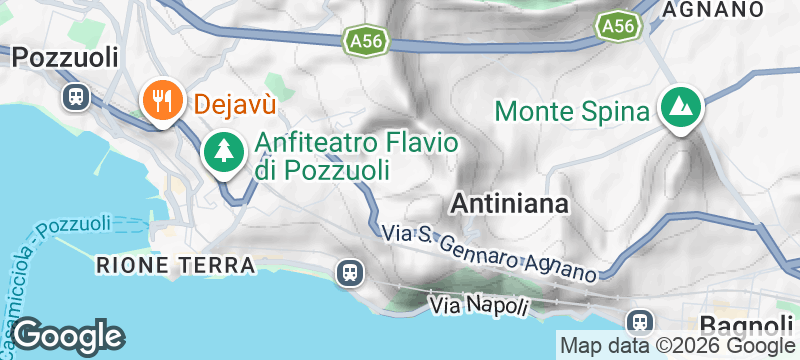
The Campi Flegrei west of Naples form a caldera kilometres across, holding the port of Pozzuoli, drowned Baiae and more than twenty craters. The last eruption, in 1538, raised the fresh cone of Monte Nuovo, the caldera's only outburst in historical times, and the slow breathing of the ground, the bradyseism, is monitored constantly; the Solfatara crater itself has been closed to visitors since 2017. What the restlessness protects is extraordinary: the Flavian Amphitheatre with its intact underground works, the imperial villas of Baiae visible beneath the bay by glass-bottomed boat, and the Sibyl's cave at Cumae where Virgil set the descent to the underworld. A working Neapolitan port town carries on above the whole improbable instability.
Solo
The layers, geological, archaeological, mythological, come apart one at a time; obsessive curiosity finally has a home ground.
Couple
A glass-bottomed boat over drowned villas, then dinner on Pozzuoli's harbour: a date no one else you know has been on.
Friends
Volcanic craters, an amphitheatre's underworld and seafood on Pozzuoli's harbourfront: a group outing with range.
Family
Children grasp a living volcano the moment they see steam rising from the ground, and the amphitheatre's underworld rivals the Colosseum's.
- Sea-creature borings on the Macellum's columns record centuries when the land sat below the waves.
- Bradyseism sank Baiae's imperial villas with the coastline; boats with glass floors now drift over them.
- Monte Nuovo, a whole new cone, rose in the eruption of 1538, the caldera's only one in historical times.
- The Flavian Amphitheatre keeps its underground lift shafts and cage bays intact.
Buffalo mozzarella reaches Pozzuoli's tables within hours of the dairies, still weeping whey.
Maccheroni al ragù, San Marzano-rich and patient, anchors the Sunday lunches of the port town.
Suva
Fiji
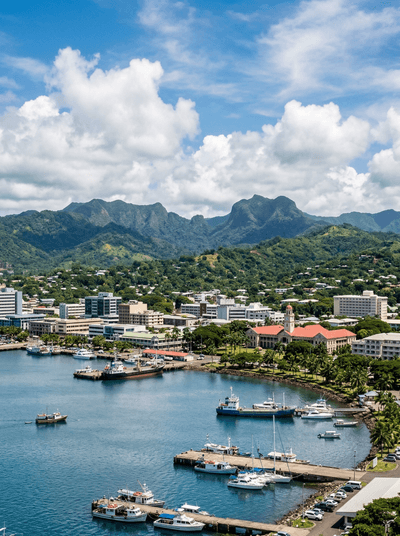
South Pacific hustle where Hindu temples share streets with Fijian markets and colonial verandahs.
Levuka
Fiji
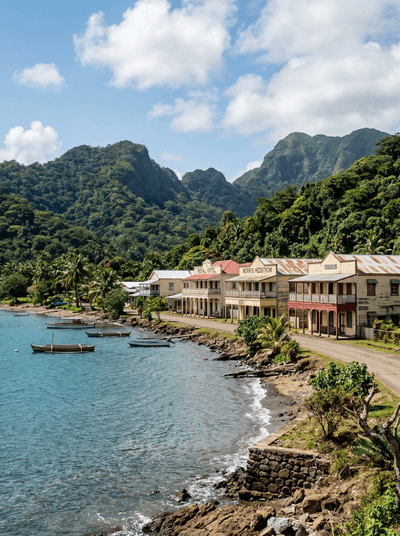
Fiji's first colonial capital frozen in the 1870s, wooden shopfronts sagging under tropical rain.
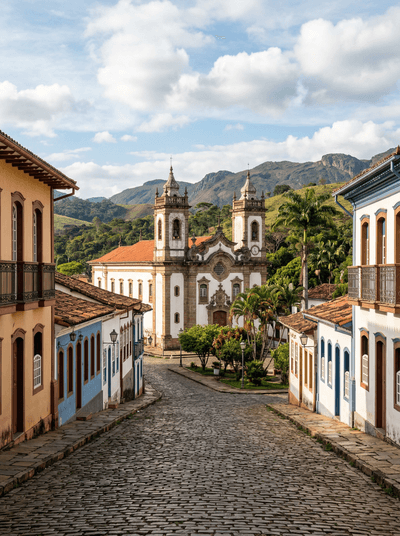
São João del-Rei
Brazil
Baroque towers answering each other across a valley, ringing the sex of whoever has just died.
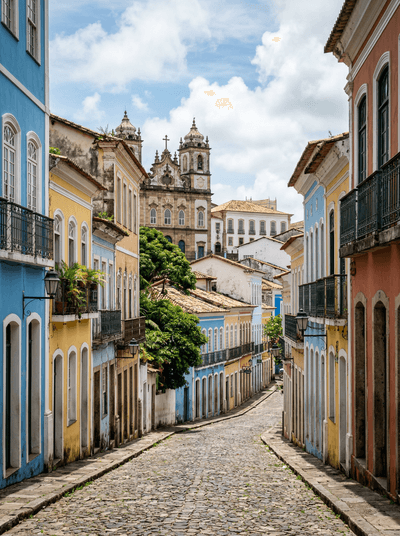
Salvador
Brazil
Drum rhythms ricocheting off colonial walls where song, dance and combat happen at once.
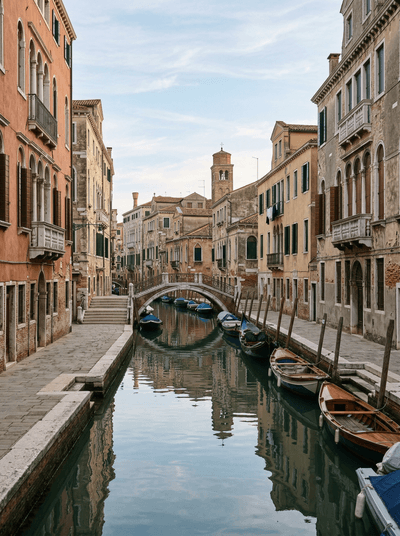
Venice
Italy
Dawn light on a silent canal where only your footsteps echo on wet stone.
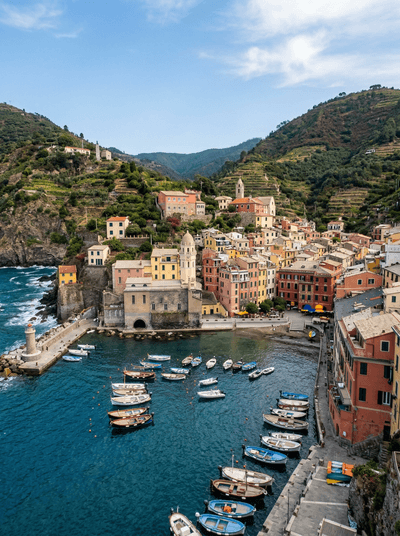
Cinque Terre
Italy
Five villages clamped to sea cliffs, connected by footpaths through terraced vineyards above surf.
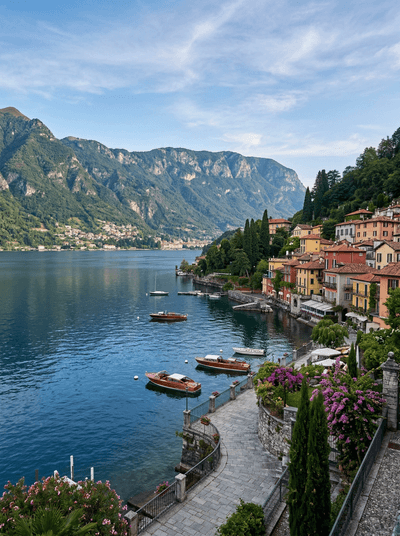
Lake Como
Italy
Cypress-lined shores where the water mirrors snow peaks and cardinals built their pleasure palaces.
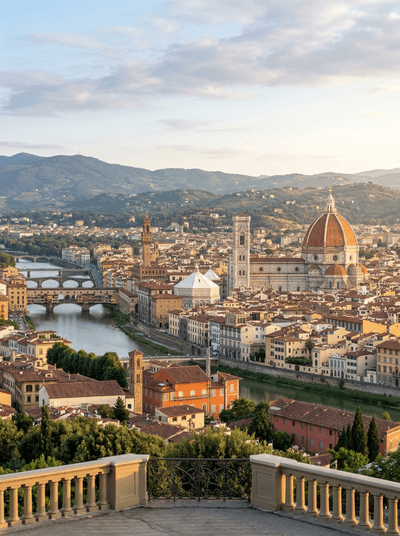
Florence
Italy
Terracotta rooftops from Brunelleschi's dome, the Arno gold at sunset, gelato in every piazza.