Cape Verde
Cidade Velha
The tropics' first colonial city keeps its slave pillory standing in the square.
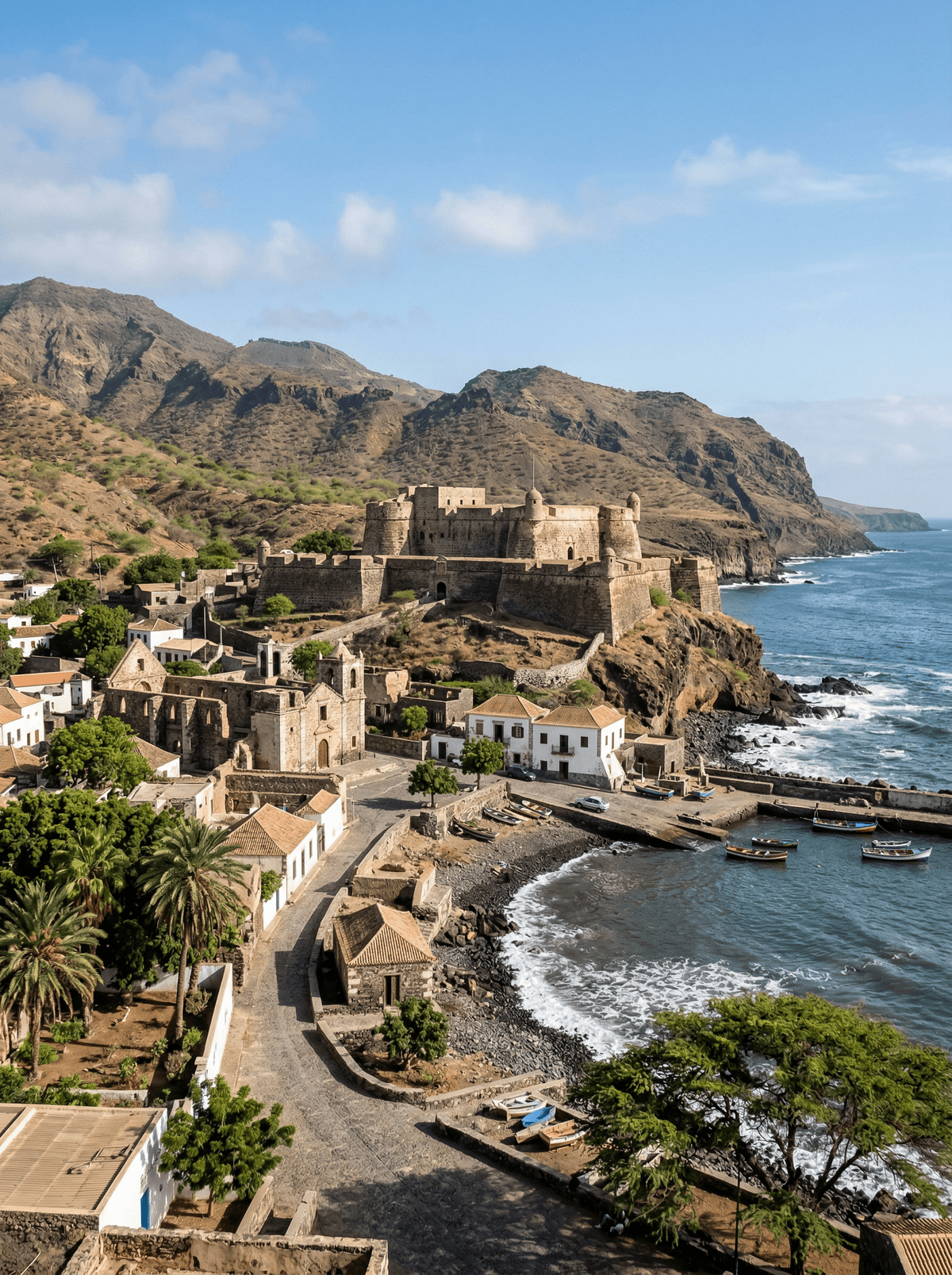
A marble column stands alone in the main square, and it takes a moment to understand what it was for. Around it climb basalt lanes, a ruined cathedral and a fortress built against pirates, all above a bay the Atlantic trade routes once ran through.
Cidade Velha began as Ribeira Grande in the fifteenth century, the first European colonial town in the tropics and a working port of the Atlantic slave trade; the pillory in the square recalls the public punishment of enslaved people, and the Nossa Senhora do Rosário church, raised in 1496, is where many were baptised. Rua Banana, paved in 1533 as the first paved street in the tropics, is still lived in, its stone houses restored. Above the town the Royal Fort of São Filipe, built in 1587 against pirate raids, holds the panoramic view; below, the cathedral begun around 1556 stands as a roofless shell. UNESCO inscribed the whole ensemble as World Heritage, and Cape Verdeans will tell you Creole culture itself was born in these lanes.
Solo
Walk the opening hour with a local guide; the square, the church and the pillory need context, and afterwards the lanes reward slow re-walking alone.
Couple
Climb to the fortress late in the day, then eat below in a stone dining room; this town rewards conversation, not a checklist.
Family
The monuments sit within an easy walk of one another; give older children the real history, told straight, and let the square's shade close the visit.
- Cidade Velha, founded as Ribeira Grande, was the first European colonial town built in the tropics, inscribed by UNESCO as World Heritage.
- The marble pillory in the main square recalls the public punishment of enslaved people.
- Rua Banana became the first paved street in the tropics in 1533 and remains inhabited.
- The Royal Fort of São Filipe, built in 1587, commands the town and the Atlantic below.
On Rua Banana, Batuku grills fish and picanha in a basalt-and-wood dining room; octopus tartar and seafood moqueca lead the menu.
Cachupa is the cornerstone of the island's cooking; family kitchens here serve it slow, with corn pastries and tropical juices alongside.
Sukhothai
Thailand
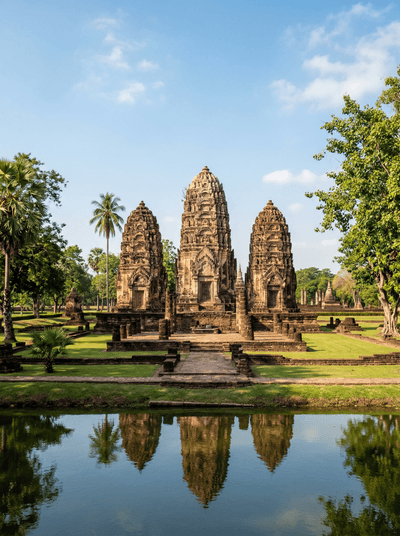
Cycling through lotus ponds and brick stupas where Thailand's first capital crumbles into dust.
Aigues-Mortes
France
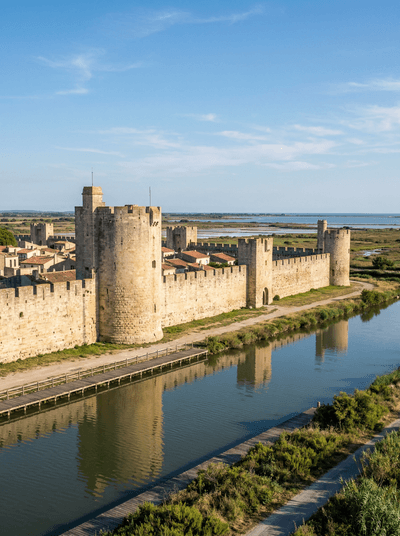
Crusader ramparts stranded on salt flats where the sea withdrew and left a walled port behind.
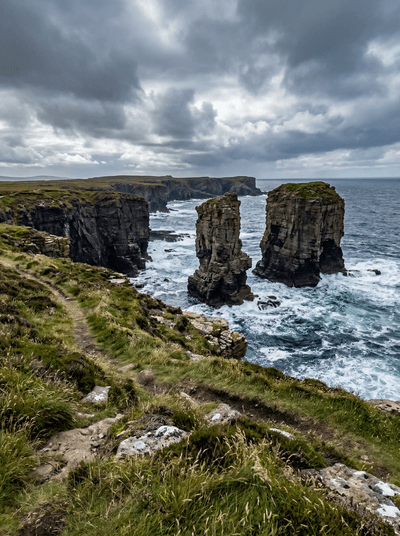
Orkney
Scotland
Neolithic villages older than the pyramids emerge from windswept farmland beside a Viking cathedral.
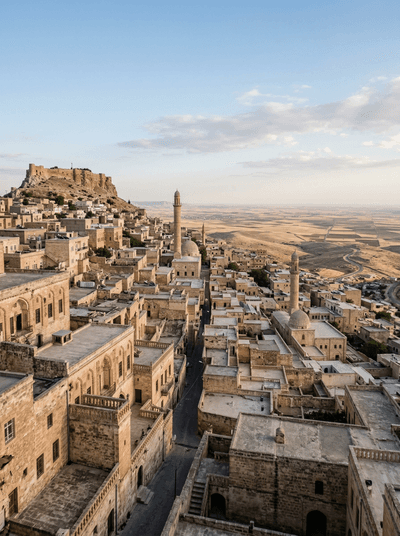
Mardin
Turkey
Honey-coloured stone houses cascade down a hill overlooking the flat Mesopotamian plain stretching to Syria.
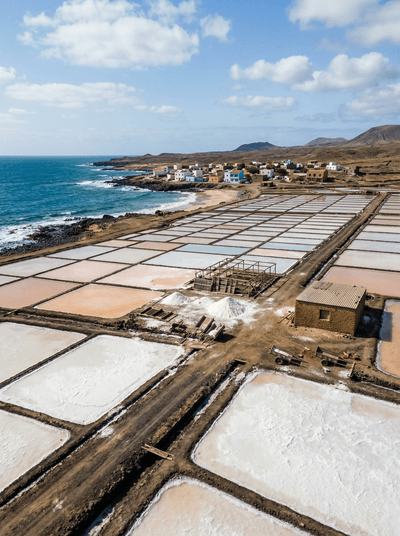
Salinas de Porto Inglês
Cape Verde
Women of the island's salt cooperative still harvest white gold from wetland pans.
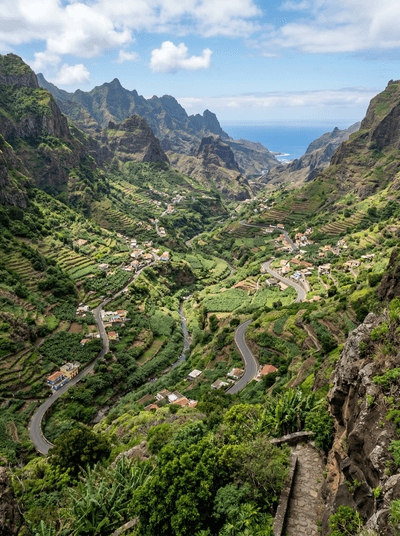
Vale do Paúl
Cape Verde
Sugarcane and coffee terraces pour off a crater rim into a valley threaded with running water.
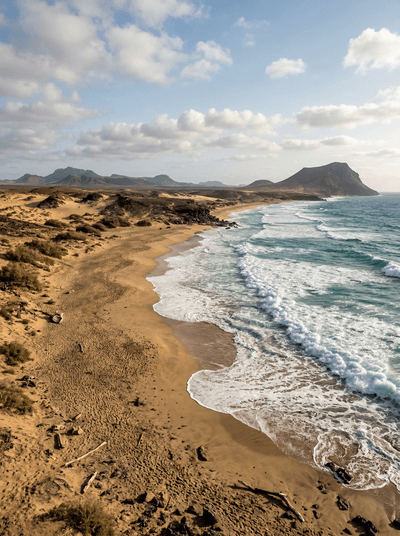
Ervatão
Cape Verde
Loggerheads of the world's third-largest nesting population drag ashore here in the summer dark.
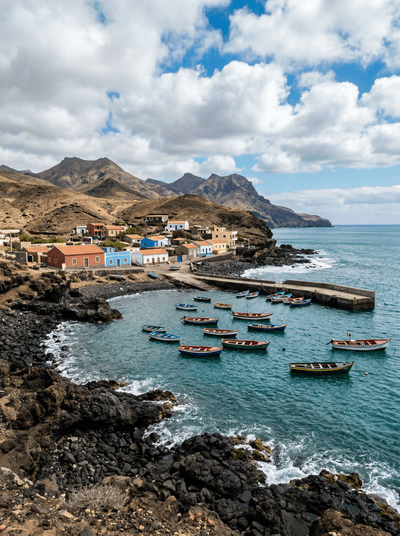
Calhau
Cape Verde
Climb a dead volcano from the beach and count three uninhabited islands from its rim.