Pakistan
Cholistan Desert
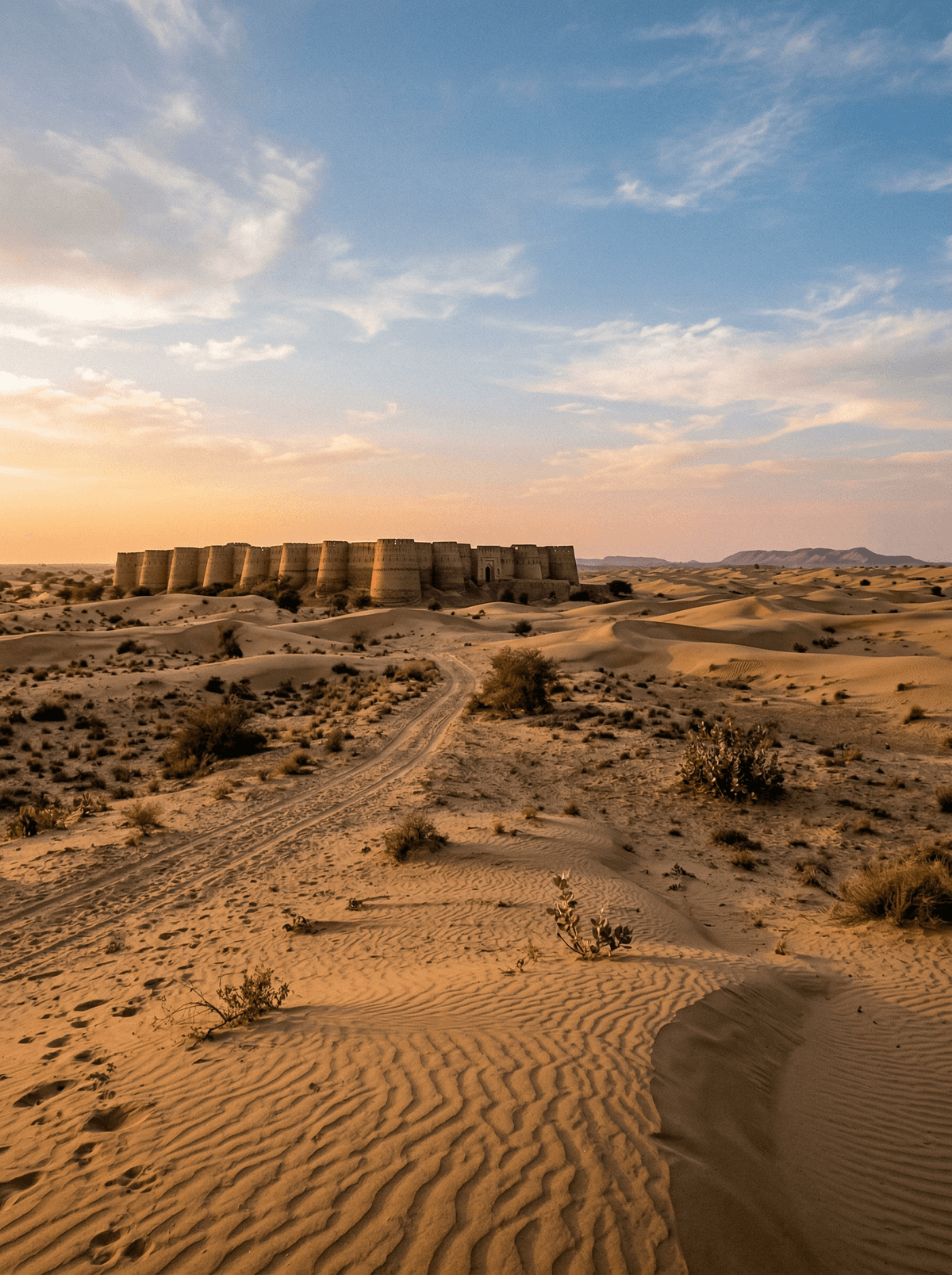
Forty bastions of a forgotten fortress rising from featureless desert where camel nomads still roam.
Sand stretches flat and featureless to the horizon until the bastions appear — Derawar's towers rising from the desert floor like a mirage that refuses to dissolve as you approach. Cholistan's Rohi herders move through this landscape with their camels, navigating by well and wind as their line always has, and at night the sand radiates the day's heat while the sky blazes cold and endless with stars.
The Cholistan Desert extends across roughly 26,000 square kilometres of southern Punjab, running into India's Thar. It is home to the Rohi nomadic communities, who migrate seasonally between the wells — tobas — that dot an otherwise waterless land that once held a river: beneath the sand lie the traces of more than four hundred settlements strung along the dried Ghaggar-Hakra course, a lost branch of the Indus world. Derawar Fort is the desert's great landmark, and each February the Cholistan Jeep Rally fills the dunes with dust and engines in one of Asia's more improbable motorsport events. The Rohi slow-cook whole lamb in sand pits, and camel milk is churned fresh from the herds.
Solo
Walking Cholistan with Rohi herders, sleeping under desert stars beside Derawar's walls, moving at the pace of a camel caravan — the desert strips solo travel to its purest form.
Couple
Derawar at sunset, a sand-pit sajji dinner, and a night under stars with barely a light for a hundred kilometres — romance at its most elemental.
Friends
Desert camping, camel rides, the February rally's chaos of dust and engines — Cholistan gives a group trip genuine edge.
- Derawar's towers stand visible across the flats long before you arrive — a fortress conjured out of nothing.
- Rohi herders still move their camels between the desert's scattered wells, as their families always have.
- More than four hundred ancient settlements lie along the dried Ghaggar-Hakra river bed beneath the dunes.
- The February jeep rally brings a weekend of motorsport chaos to a fort-and-dunes backdrop.
Sajji — whole lamb slow-roasted in sand pits over desert coals, the Rohi way.
Camel milk lassi, foamy and slightly salty, fresh from the herds.
Jokkmokk
Sweden
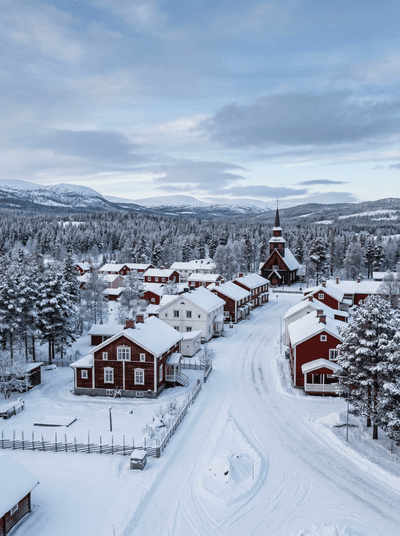
A Sámi market town where reindeer-herding culture has gathered every February since 1605.
Glastonbury
England
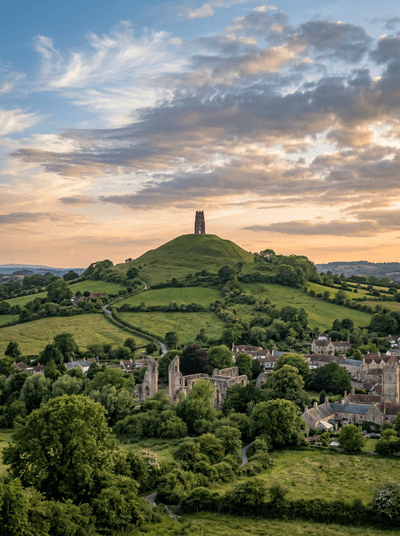
Where ley lines cross, Arthur allegedly sleeps, and the veil feels genuinely thin.
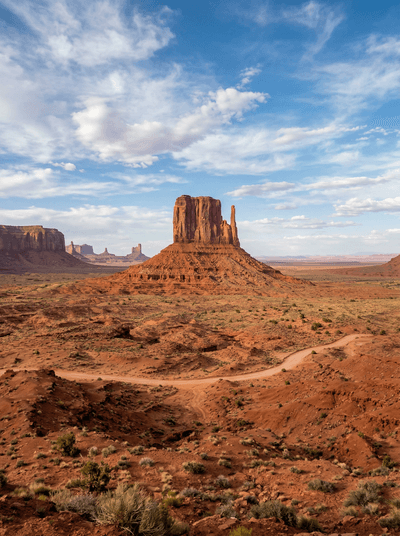
Monument Valley
United States
Sandstone mittens casting shadows across a rust-coloured desert frozen mid-creation.
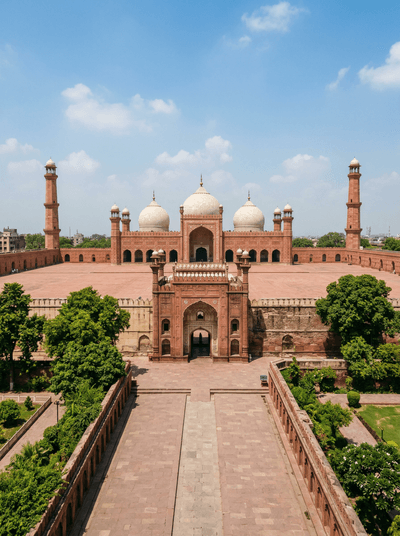
Lahore
Pakistan
A walled city where Mughal emperors' marble still glows at sunset and food stalls never sleep.
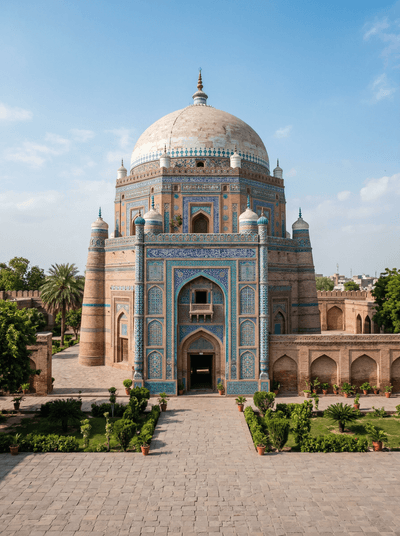
Multan
Pakistan
City of saints — blue-tiled Sufi shrines where qawwali rises into the dusk on Thursday nights.
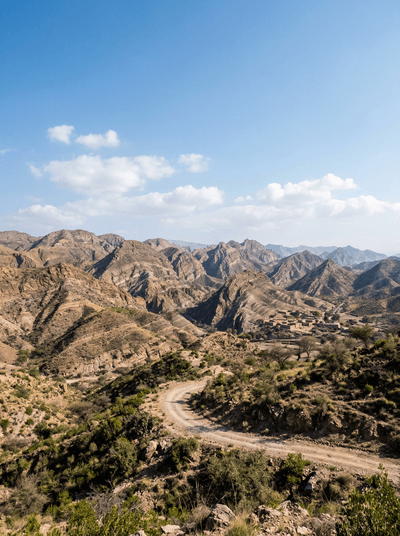
Salt Range
Pakistan
Crimson salt cliffs exposing the floor of a 600-million-year-old vanished ocean in Punjab's flat plains.