Pakistan
Salt Range
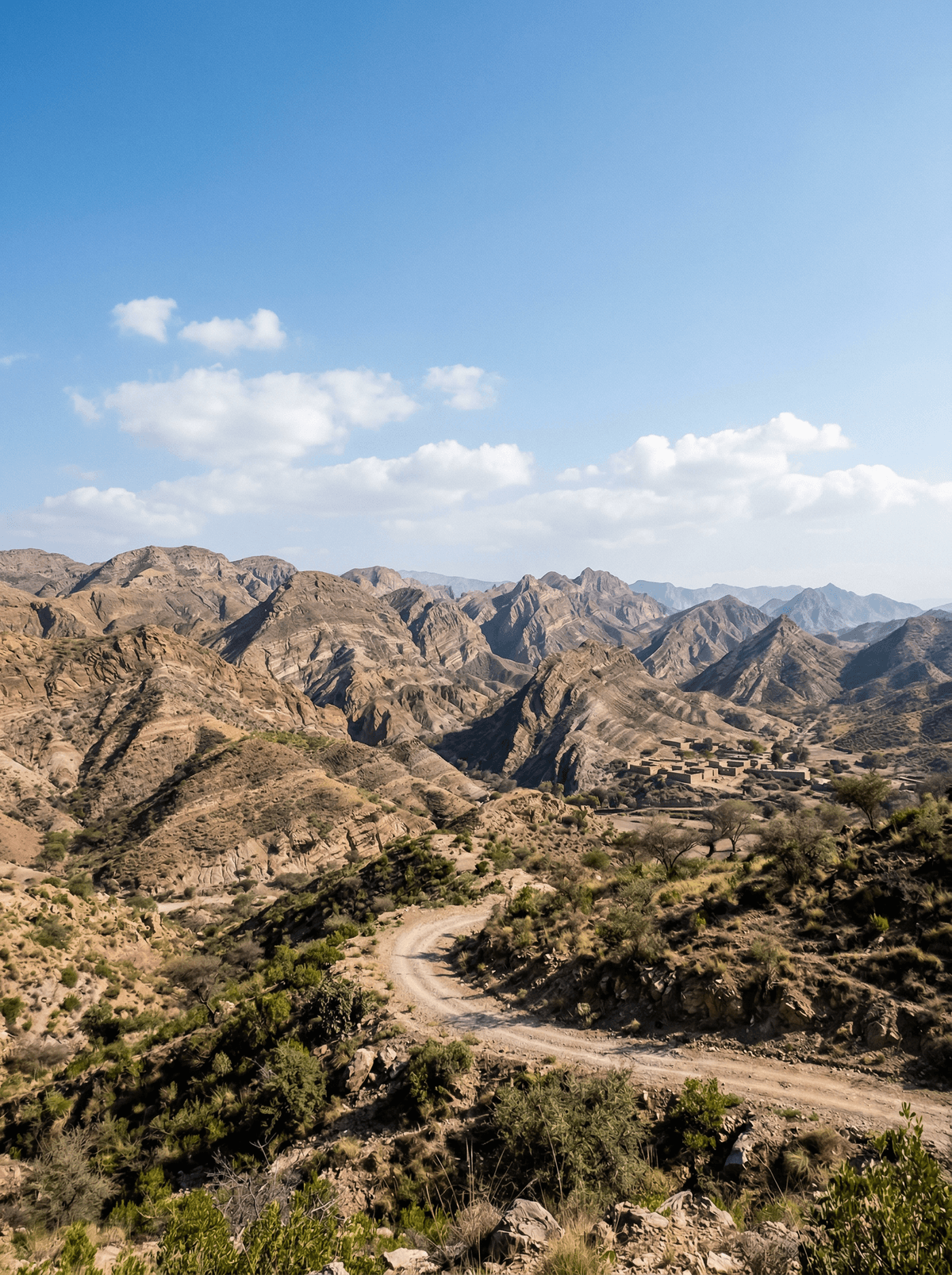
Crimson salt cliffs exposing the floor of a 600-million-year-old vanished ocean in Punjab's flat plains.
The Punjab flatlands end without warning. One moment, wheat fields stretching to the horizon. The next, a wall of crimson and amber cliffs rearing up — the exposed seabed of an ocean that vanished 600 million years ago, its salt still crystallised in bands of colour visible from the road.
The Salt Range is a geological formation stretching across Pakistan's Punjab province, where Precambrian rock salt from the vanished Tethys Sea lies exposed in dramatic cliff faces. The Khewra Salt Mine at the eastern end has been worked for centuries and still produces the pink salt exported worldwide, while the Katas Raj temple complex circles its sacred pool at the western end and the Soan Valley's fossil beds fill the ground between. The range rises abruptly from the flat plain to around 1,500 metres, so the shift from wheat fields to deep time happens in minutes — and the villages along the ridge roads sell some of Pakistan's finest dark, mineral-rich honey at roadside stalls.
Solo
A geological and cultural detour most visitors overlook entirely — the Salt Range rewards the independently minded with landscapes that feel discovered rather than visited.
Couple
Ancient temples, crimson cliffs, and quiet Punjab uplands far from the trekking crowds — no glaciers, no altitude, just deep time and mineral-rich earth under an open sky.
- Geological layers of 600-million-year-old seabed show in crimson, amber, and white bands along the ridge faces.
- The Khewra mine at the eastern end still ships the pink salt the world cooks with.
- Katas Raj's temple complex circles a sacred pool at the western end, still drawing pilgrims.
- The range rears from the flat plain to 1,500 metres — the shift from fields to cliffs is immediate and startling.
Pehalwaan rewari from Chakwal — a brittle of sesame, jaggery and ghee made here for generations.
Salt Range honey from the ridge-road stalls — dark, mineral-rich, some of Pakistan's finest.
Pitões das Júnias
Portugal
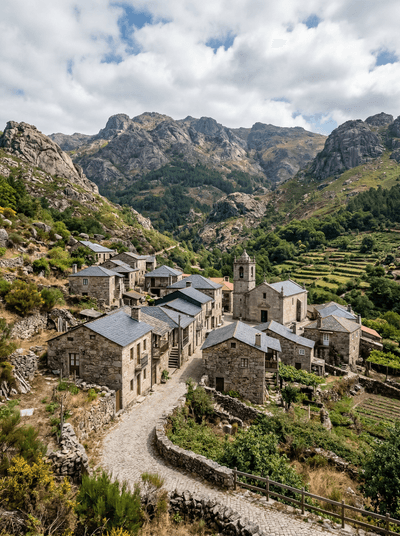
A monastery abandoned to wolves and rain crumbles beside a waterfall at the road's end.
Pare Mountains
Tanzania
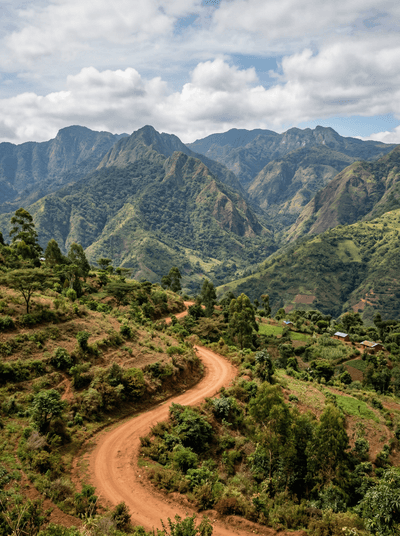
Irrigation channels cut centuries ago still water the terraces below.
Țipova
Moldova
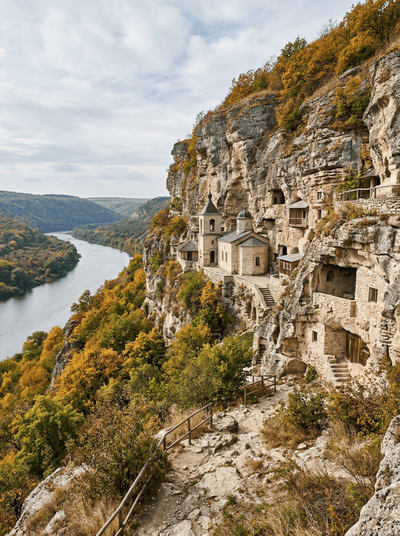
Hermit cells climb a Dniester cliff where legend buries Orpheus in a nook of a waterfall.
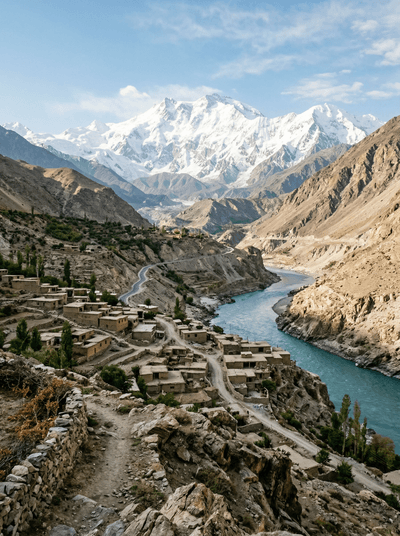
Chilas
Pakistan
Three millennia of petroglyphs scratched into boulders where the Indus squeezes through the Karakoram's deepest gorge.
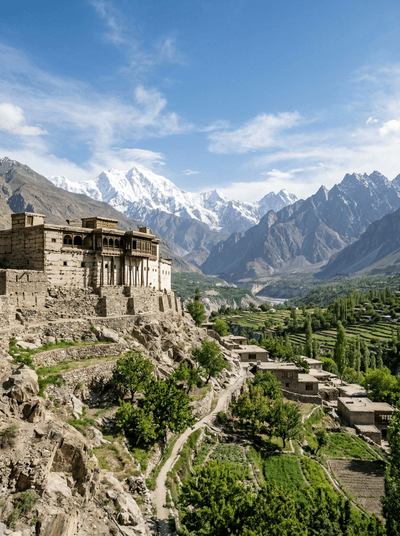
Karimabad
Pakistan
A 700-year-old fort perched above apricot terraces where the Mir of Hunza once surveyed three empires.
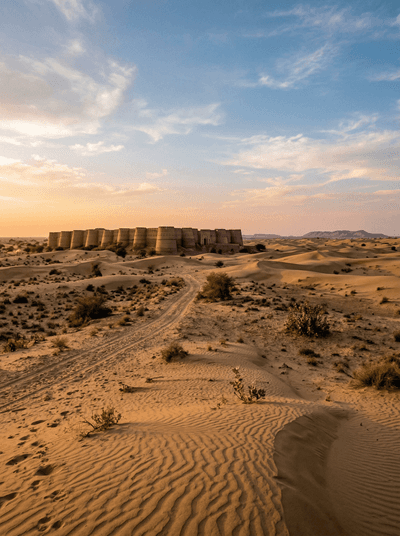
Cholistan Desert
Pakistan
Forty bastions of a forgotten fortress rising from featureless desert where camel nomads still roam.