Pakistan
Multan
City of saints — blue-tiled Sufi shrines where qawwali rises into the dusk on Thursday nights.
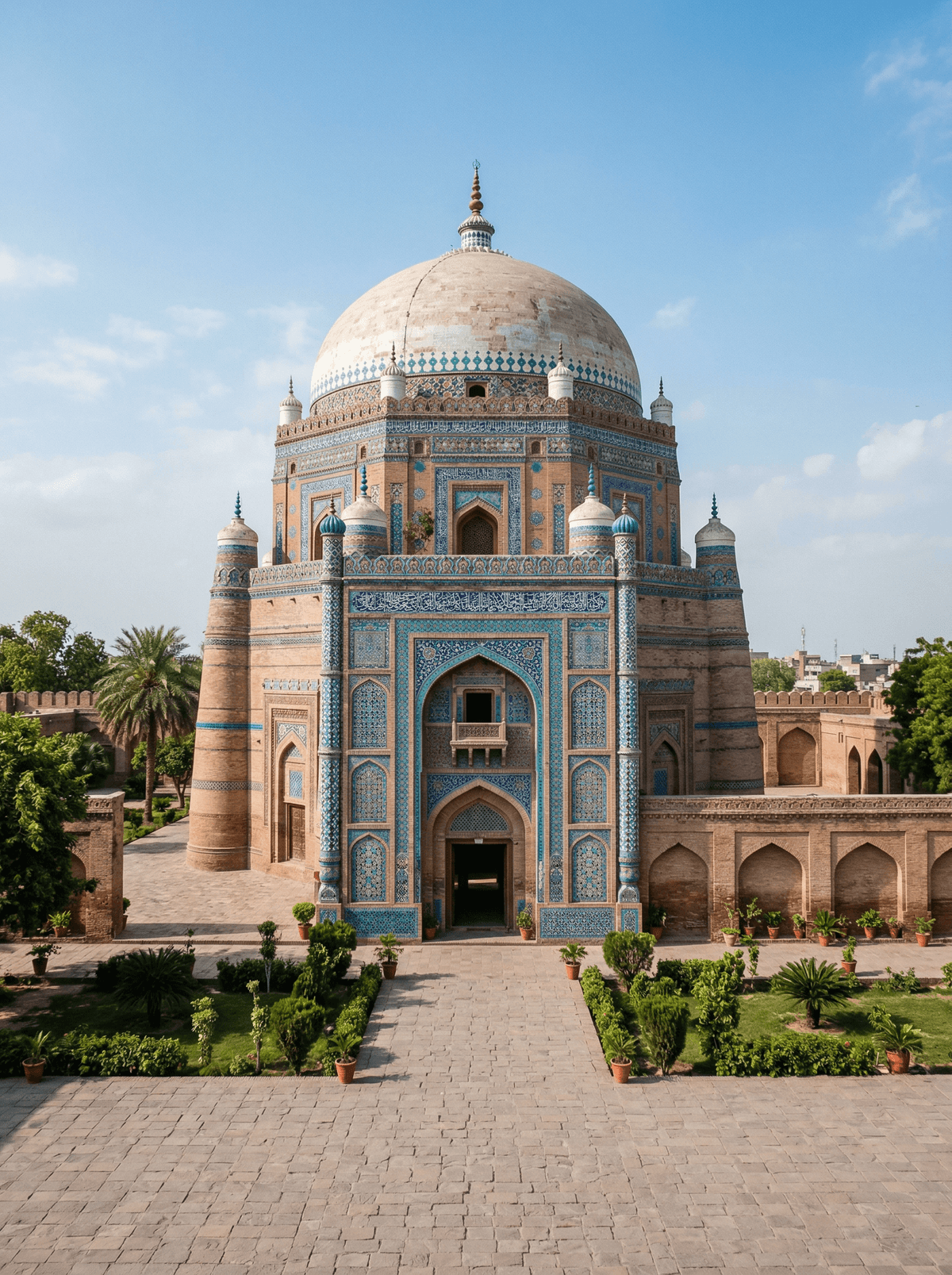
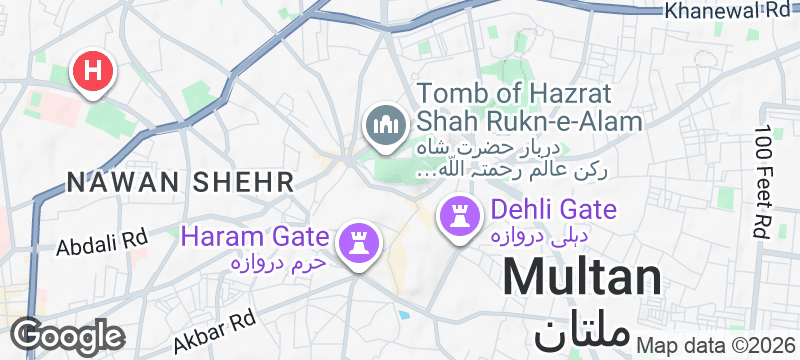
Cobalt and turquoise tilework catches the last light as voices rise from the shrines below. In Multan, Pakistan's City of Saints, qawwali gathers at the tomb of Shah Rukn-e-Alam — a 14th-century octagonal tower sheathed in blue tiles, visible for kilometres across the Punjab plains. The music builds, the devotees sway, and the city hums with a devotion older than the Mughals.
Multan has been continuously inhabited about as long as any city in South Asia, its layers reaching down through millennia, but its identity is Sufi. The shrines of Bahauddin Zakariya and Shah Rukn-e-Alam — saints of the thirteenth and fourteenth centuries — wear geometric blue, white and turquoise tilework that shaped Mughal funerary architecture for centuries after. On Thursday evenings qawwali gathers at the shrines and runs late, with no tickets and no stage. The bazaars specialise in blue-glazed pottery made here for many centuries, hand-embroidered camel-leather, and sohan halwa — the dense, saffron-laced sweet the city is famous for — while the walled inner city keeps its Mughal-era gates and lanes where craftsmen work in premises their grandfathers used.
Solo
Multan is a solo traveller's immersion — sitting among devotees at a Thursday night qawwali, no tickets, no stage, just voices and blue tiles, unfolds only for those who stay.
Couple
The tilework, the music drifting from the shrines at dusk, the bazaars selling blue pottery and saffron sweets — an atmospheric warmth that makes Multan Punjab's most underrated destination for two.
- The shrine of Bahauddin Zakariya, the 13th-century saint, still draws pilgrims who press their foreheads to the marble.
- Qawwali gathers at the major shrines on Thursday evenings — not performance, but living devotion.
- Multan's blue-glazed pottery has been fired here for many centuries, cobalt on local clay.
- The old city's mud-brick lanes are dense enough to lose the Punjab heat — natural shade all the way through.
Multani sohan halwa — brittle amber ghee-and-saffron sweet; the famous houses tin it for the journey home.
Sajji roasted whole in the tandoors, skin crackling and the meat falling off the bone.
Arles
France
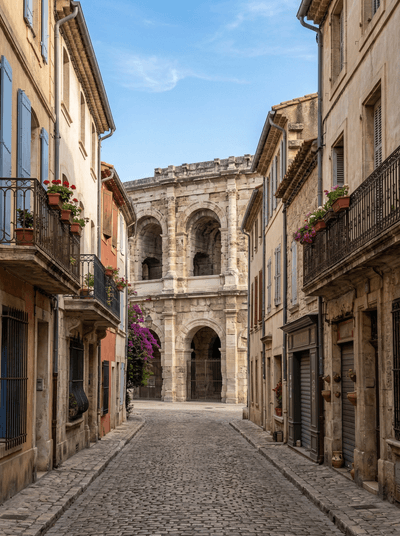
Roman amphitheatre stones still warm at twilight in the town Van Gogh painted into fever.
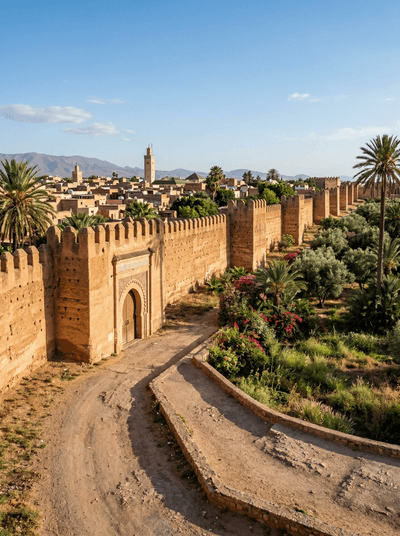
Taroudant
Morocco
A hundred and thirty mud towers circle souks where silver is still chased by hand.
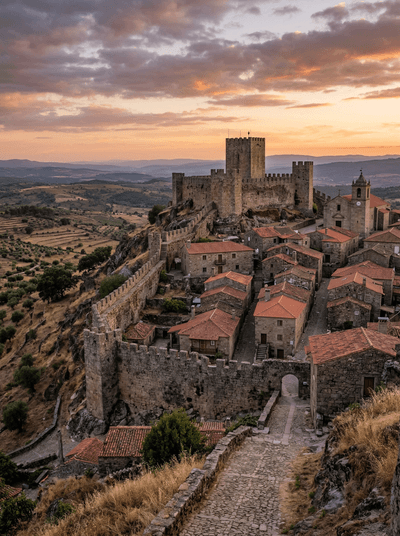
Marialva
Portugal
A medieval town stands roofless inside castle walls, abandoned to silence and moss.
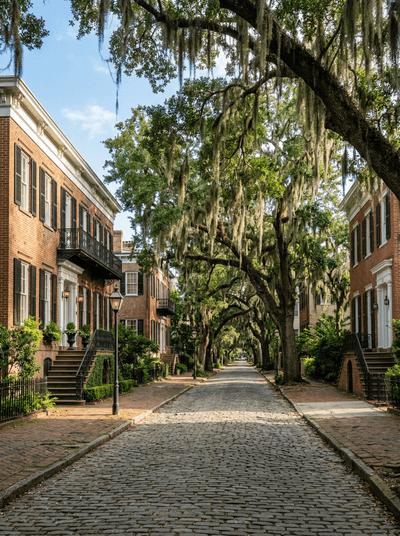
Savannah
United States
Spanish moss dripping into squares where horse hooves echo on cobblestones after dark.