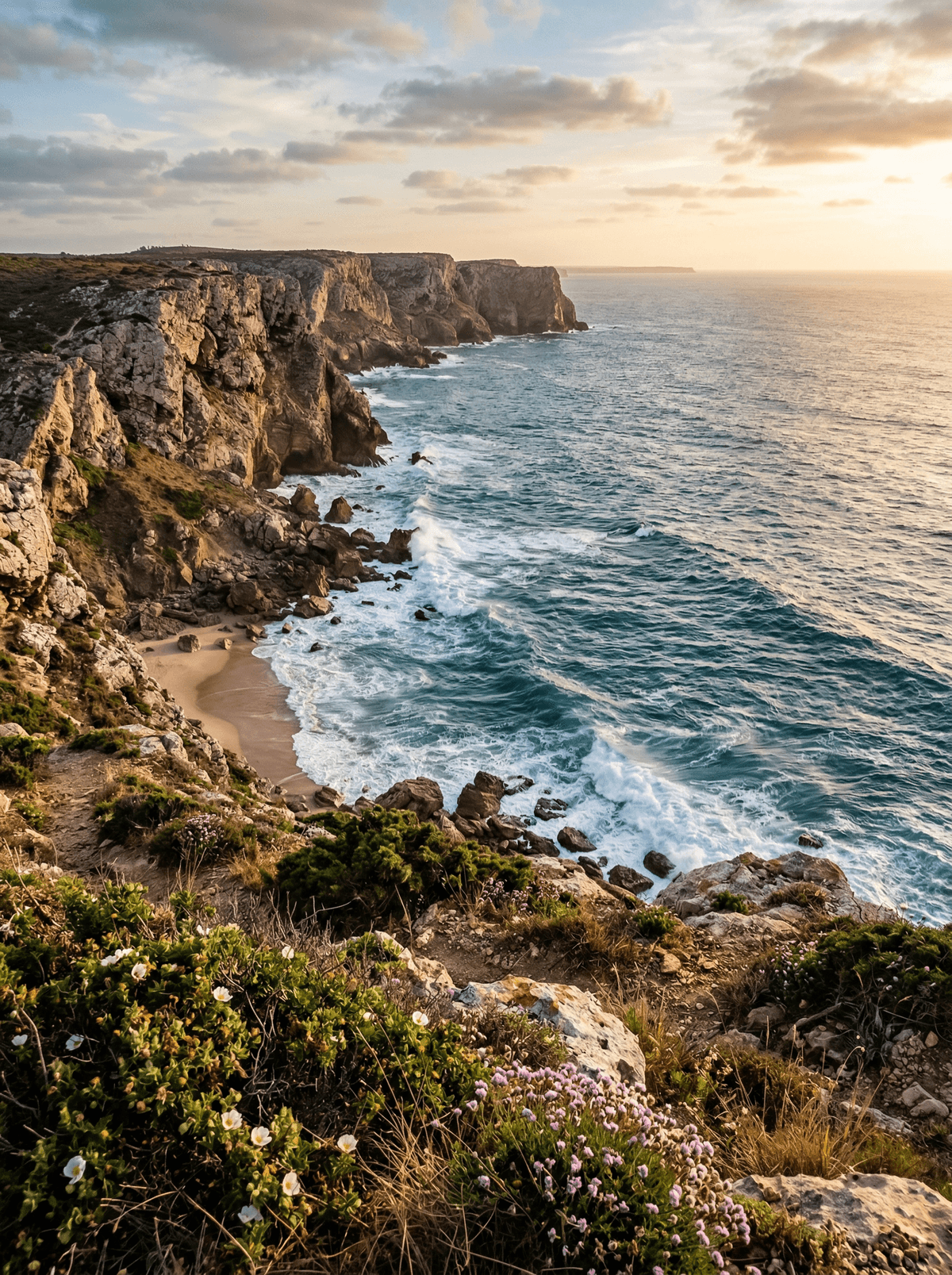
Portugal
Costa Vicentina
Among Europe's last wild coasts — empty surf detonating beneath clay-red cliffs for miles.
Clay-red cliffs crumble into the Atlantic, wave after wave detonating against rock beneath cliffs that belong to the storks. The air smells of wild rosemary crushed underfoot and salt on a wind that has not touched land since the open ocean. The Costa Vicentina is among the last wild coastlines of southern Europe, and it feels exactly like that — raw, exposed, and indifferent to your plans.
The Vicentine Coast Natural Park runs over a hundred kilometres from the Alentejo down to Sagres, protected since the late 1980s — no new resorts, no roads to the cliff edge, nothing permanent on the beaches. The Rota Vicentina threads the clifftops in named stages, and the coast keeps its own rules: unstable edges and a heavy sea mean not every beach can be entered. White storks nest on the sea stacks — almost nowhere else on Earth do they breed on coastal cliffs — and autumn funnels migrating birds past the headlands by the tens of thousands. Below, breaks like Arrifana and Amado catch the most consistent southwest swell in Europe, far from the south coast's famous names, and fishing villages like Zambujeira do Mar and Odeceixe serve whatever the boats hauled in. Colder water, emptier sand, wilder by every measure.
Solo
The Fishermen's Trail is one of Europe's finest coastal walks, and walking a stage alone — cliff edge, ocean roar, a path that empties the mind — is meditative in a way group travel never allows.
Couple
Coves beneath the cliffs feel found rather than visited, and evenings in Zambujeira bring grilled fish, cold wine and Atlantic sunsets that take twenty full minutes to finish.
Friends
Surf culture runs deep — boards at Arrifana, wipeouts compared over percebes and beer, camps near the cliffs. Barefoot and unhurried, the counterweight to the polished south.
- The park protects southern Europe's longest wild Atlantic shoreline.
- White storks nest on the sea stacks — a coastal-cliff habit almost unique on Earth.
- Full Atlantic exposure delivers Europe's most consistent southwest-facing surf.
- Autumn migration funnels birds past the headlands by the tens of thousands.
Percebes cracked open fresh from the rocks, spray almost reaching the plate.
Grilled fish and amêijoas à bulhão pato — whatever the boats carried in at dawn.
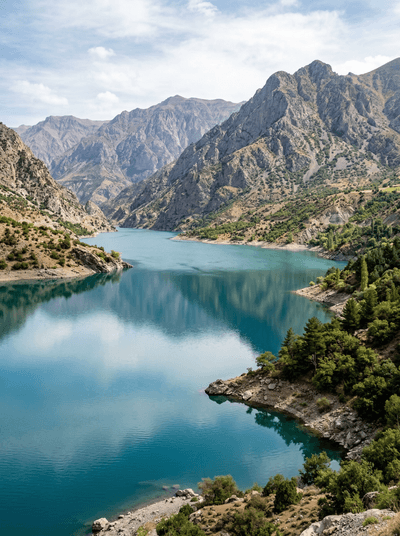
Lake Tortum
Turkey
A turquoise lake behind a landslide dam, whose 48-metre waterfall thunders as the spring melt spills.
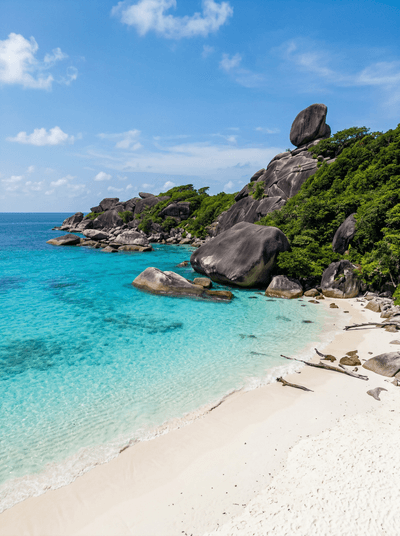
Similan Islands
Thailand
Giant granite boulders stacked like dropped marbles above water clear enough to induce vertigo.
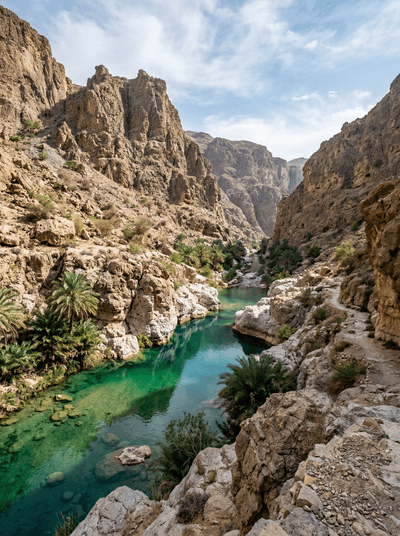
Wadi Shab
Oman
A chain of cool pools ends at a waterfall hidden inside a keyhole chamber.
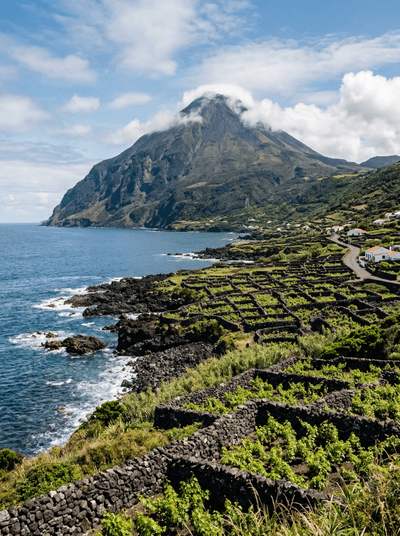
Pico
Portugal
Portugal's highest peak rises from the Atlantic above vineyards in black lava corrals.
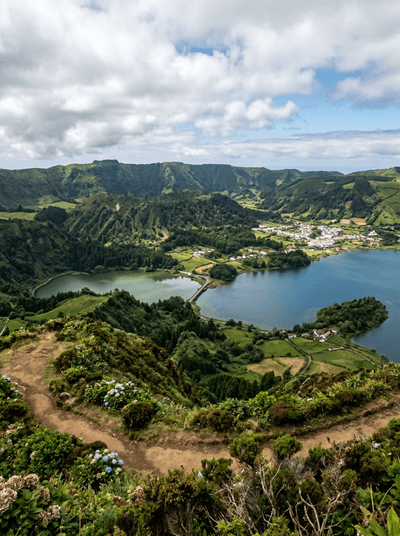
Sete Cidades
Portugal
Twin crater lakes, one emerald, one sapphire, filling a caldera wreathed in mist.
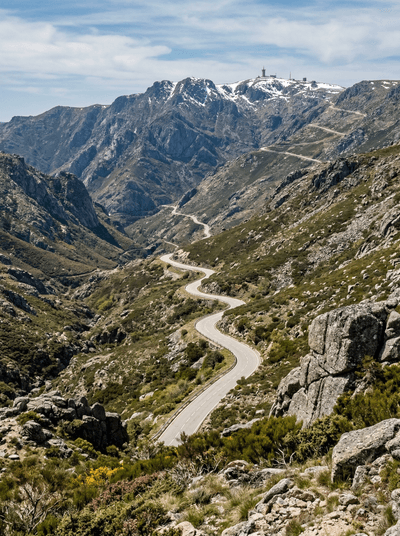
Serra da Estrela
Portugal
Portugal's highest range — glacial valleys, wild heath, and shepherd dogs the size of bears.
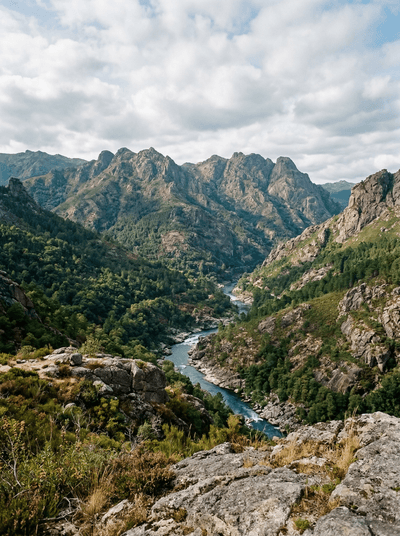
Peneda-Gerês
Portugal
Portugal's only national park — granite canyons, wild horses, Roman milestones on lost paths.